Jeep owners love the freedom and flexibility of a soft top, but anyone who’s driven one in winter or hot summer knows the struggle: noise, drafts, and heat or cold sneaking in.
If you want a quieter, more comfortable ride, learning how to insulate your Jeep’s soft top can make a big difference. With the right steps and materials, you can improve temperature control, reduce outside noise, and protect your soft top for longer life.
Here’s a practical guide to help you insulate your Jeep’s soft top the right way.
Why Insulate Your Jeep Soft Top?
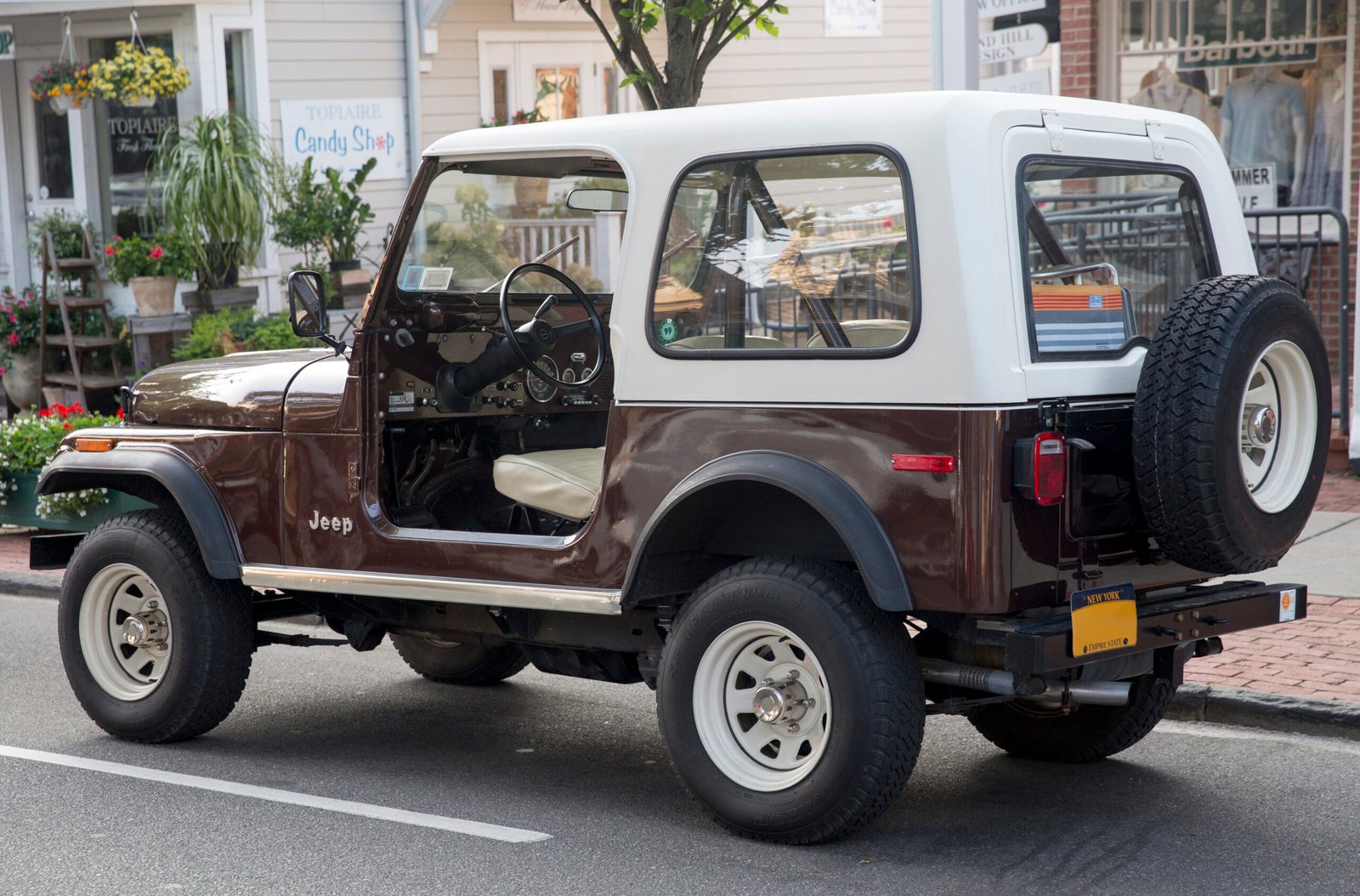
A Jeep soft top is designed for flexibility and open-air driving, but it’s not built for insulation. This leads to:
- Heat loss in winter and heat gain in summer
- Excessive road and wind noise
- Condensation inside, which can lead to mildew or mold
Proper insulation can address these issues and give you a more comfortable Jeep experience year-round.
Choosing The Right Insulation Materials
Not all insulation is equal. Picking the right type is important for safety, fit, and effectiveness.
| Material | Pros | Cons |
|---|---|---|
| Closed-cell foam | Lightweight, water-resistant, good thermal barrier | Can be expensive |
| Reflective insulation (e.g., foil-backed foam) | Reflects heat, thin, easy to cut | May not block much noise |
| Carpet/fabric liners | Improves appearance, reduces noise | Can retain moisture if not installed correctly |
Closed-cell foam is a top choice for Jeep soft tops because it’s durable and blocks both heat and noise. For very hot climates, some owners add reflective insulation for sun protection.
Preparing Your Jeep Soft Top
Before installing any insulation, preparation is key. Remove the soft top if possible, and clean both the inside of the top and the frame. This ensures the insulation will stick and fit well.
- Use a gentle cleaner; avoid harsh chemicals
- Let all surfaces dry completely
- Check for any tears or worn spots and repair them
If you skip cleaning, adhesives may not stick, and dirt can get trapped, causing mildew.
Step-by-step Insulation Process
Insulating a Jeep soft top doesn’t require special tools, but careful work leads to better results.
1. Measure And Cut
- Measure each soft top section: Roof panels, rear window, and side windows.
- Add 1-2 inches to each measurement for a snug fit.
- Use a sharp utility knife to cut insulation panels.
2. Attach Insulation
Most insulation attaches with adhesive spray or strong double-sided tape. Test a small area first to avoid damage.
- Spray adhesive on the back of the insulation and the top’s interior.
- Wait for the adhesive to get tacky (usually 1-2 minutes).
- Press insulation panels in place, smoothing out air bubbles.
3. Seal Edges
- Use foil tape or weatherproof tape to seal seams and edges.
- This step keeps moisture out and improves insulation.
4. Reinstall The Soft Top
Once insulation is secure and dry:
- Carefully reinstall the soft top onto the Jeep frame.
- Check for fit and make sure zippers, windows, and latches move smoothly.
5. Test For Gaps
After installation, look for light leaks or feel for drafts. Seal any gaps with extra tape or insulation strips.
Comparing Diy Kits Vs. Custom Solutions
You can buy ready-made insulation kits or build your own system. Here’s a quick comparison:
| Option | Cost | Ease of Install | Customization |
|---|---|---|---|
| DIY with raw materials | Low to medium | Medium | High |
| Pre-cut insulation kits | Medium to high | Easy | Low |
DIY solutions save money and allow you to choose your favorite material. Kits are quicker but may not fit all Jeep models perfectly.
Common Mistakes To Avoid
- Skipping surface cleaning – Dirt prevents insulation from sticking well.
- Using the wrong adhesive – Some glues can damage soft top material.
- Blocking drainage holes – This causes water to pool and damage your Jeep.
- Over-insulating – Too much insulation can make soft top frames hard to close.
A key insight: thin layers often work better than one thick layer. Multiple thin layers can block both sound and heat more effectively.
Extra Tips For Better Results
- For extra noise reduction, add a headliner under the roof insulation.
- In wet climates, choose mold-resistant materials.
- Use insulation on the floor and doors for even better comfort.
- Regularly check for moisture and clean as needed.
Many Jeep owners forget that insulation also protects the soft top from sun damage, which can extend its life.
Maintenance After Insulation
Insulation isn’t “set and forget.” Inspect every few months for:
- Loose edges or peeling
- Moisture or mildew
- Damage from folding or removing the top
If you notice any issues, repair them right away. A quick fix prevents bigger problems later.
For more details on insulation materials, see the official Wikipedia guide to thermal insulation.

Frequently Asked Questions
How Much Does It Cost To Insulate A Jeep Soft Top?
Costs vary by material and Jeep model. DIY projects often cost $50–$150, while pre-made kits can be $200 or more.
Does Insulation Make A Big Difference In Noise Reduction?
Yes, especially with closed-cell foam or headliner systems. Many Jeep owners report a 30–50% reduction in road and wind noise.
Will Insulation Affect How The Soft Top Folds?
If installed properly, insulation should not interfere. Use thin, flexible materials and avoid over-insulating folding areas.
Can I Remove Insulation Later If I Want To?
Most types can be peeled off, but some adhesives may leave residue. Test a small area first before full removal.
Does Insulation Help With Air Conditioning Or Heating?
Absolutely. Insulation helps keep cool air in during summer and warm air in during winter, making your Jeep’s climate control more effective.
Insulating your Jeep soft top is a smart upgrade for comfort, sound control, and protection. With careful material choice and installation, you’ll enjoy a better ride all year long rain, shine, or snow.