Installing wheel adapters can be a practical solution if you want to fit wheels with a different bolt pattern or offset onto your vehicle. Many car enthusiasts use wheel adapters to upgrade their wheels without changing the entire hub.
However, the process requires careful attention to safety and precision. This guide will walk you through each step, highlight important details, and help you avoid common mistakes.
What Are Wheel Adapters?
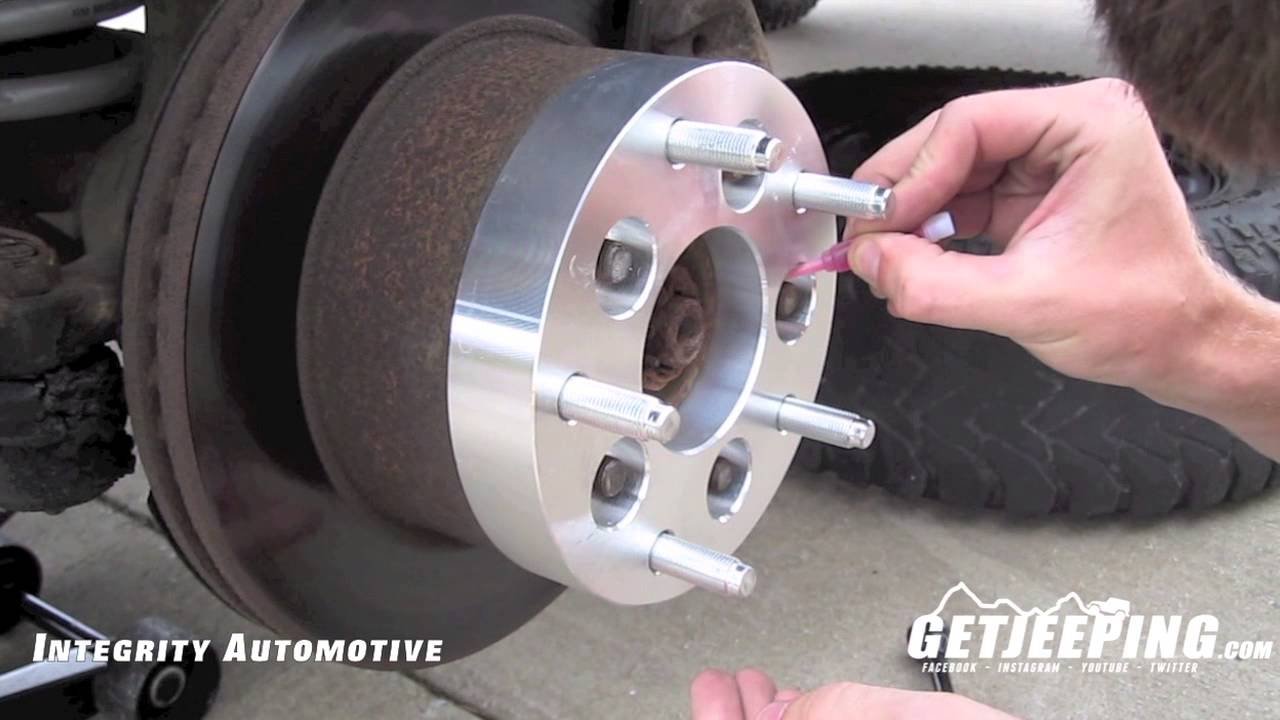
Wheel adapters are metal plates that sit between your vehicle’s hub and the wheel. They change the bolt pattern or spacing, allowing you to fit wheels that would not normally match your car. For example, if your car has a 5×114.3 bolt pattern and your new wheels are 5×120, a wheel adapter bridges the gap.

Wheel Adapter Vs. Spacer
It’s easy to confuse wheel adapters with wheel spacers. Adapters change the bolt pattern, while spacers only increase the distance between the wheel and hub.
| Feature | Wheel Adapter | Wheel Spacer |
|---|---|---|
| Changes bolt pattern | Yes | No |
| Increases offset | Yes | Yes |
| Mounting style | Bolted | Slipped or bolted |
Preparing For Installation
Before you start, make sure you have the right tools and adapters. The quality of the adapter is crucial poor manufacturing can lead to failure.
Tools You’ll Need
- Torque wrench
- Socket set
- Jack and jack stands
- Thread locker
- Wire brush
Choosing The Correct Adapter
Adapters must match your car’s hub and wheel bolt patterns. Always check:
- Bolt pattern (e.g., 5×114.3 to 5×120)
- Hub bore diameter
- Thickness (affects offset)
Check the manufacturer’s specifications. For example, many adapters are made of 6061-T6 aluminum, which is strong and lightweight. Avoid cheap alloys that may crack.
| Adapter Material | Durability | Price Range |
|---|---|---|
| 6061-T6 Aluminum | High | $80–$150 |
| Steel | Very High | $120–$200 |
| Low-grade Alloy | Low | $30–$60 |
Step-by-step Installation Guide
The actual installation is straightforward, but accuracy is vital for safety.
1. Safely Lift Your Vehicle
Park on a flat surface. Use the jack to lift the car, then place jack stands for safety. Never work under a car supported only by a jack.
2. Remove The Wheels
Use a socket wrench to loosen the lug nuts. Take off the wheels and set them aside.
3. Clean Hub Surface
Clean the hub face with a wire brush. Dirt or rust can cause misalignment. The surface must be smooth for the adapter to sit flush.
4. Test-fit The Adapter
Place the adapter on the hub to check the fit. If it’s loose or too tight, you may need a different size. The adapter should sit flush without gaps.
5. Apply Thread Locker
Before installing the adapter, apply a thread locker to the hub studs. This prevents the bolts from loosening over time.
6. Bolt Adapter To Hub
Align the adapter’s holes with the hub studs. Hand-tighten the nuts first, then use a torque wrench to tighten them to the manufacturer’s recommended torque specification (usually 80–100 ft-lbs).
7. Mount The Wheels
Install the wheel onto the adapter’s studs. Tighten the lug nuts in a crisscross pattern to ensure even pressure.
8. Check For Clearance
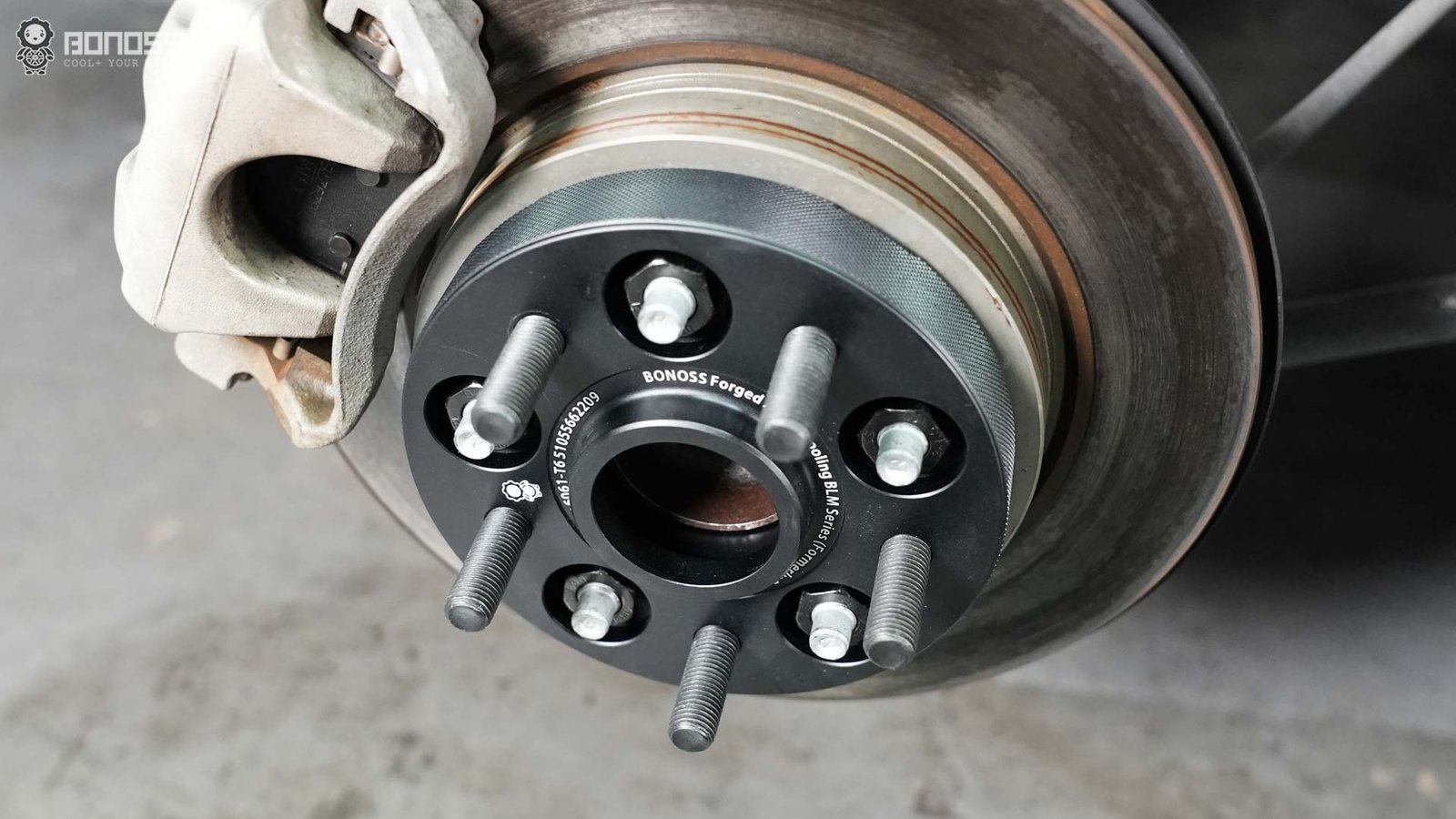
Rotate the wheel by hand. Make sure nothing rubs against the brake caliper or suspension. Double-check clearance if your adapter is thick.
9. Lower The Vehicle And Final Torque
Remove the jack stands and lower the car. Re-torque the wheel’s lug nuts once the car is back on the ground.
Common Mistakes To Avoid
Even experienced mechanics sometimes make errors with wheel adapters. Here are frequent mistakes to watch out for:
- Choosing poor-quality adapters — Cheap materials can crack or fail.
- Skipping hub cleaning — Dirt or rust can cause vibration.
- Incorrect torque — Under-tightening or over-tightening can damage threads.
- Ignoring thread locker — Lug nuts may loosen over time.
- Not checking clearance — Failure to inspect for rubbing can lead to unsafe driving.
How Safe Are Wheel Adapters?
When installed correctly, quality wheel adapters are safe. However, they add extra parts to your wheel assembly. This can change wheel offset, affect handling, or stress suspension components. Always check your local regulations — some areas restrict their use.
Data from the Specialty Equipment Market Association (SEMA) shows that properly installed adapters rarely fail, but most issues come from improper torque or cheap products.
Maintenance After Installation
After installing wheel adapters, check the torque after driving 50 100 miles. Inspect adapters at each oil change for cracks or looseness.
| Maintenance Step | Frequency |
|---|---|
| Torque check | After 50–100 miles |
| Visual inspection | Every oil change |
| Clean hub/adapter | Annually |
Frequently Asked Questions
What Is The Difference Between Hub-centric And Lug-centric Adapters?
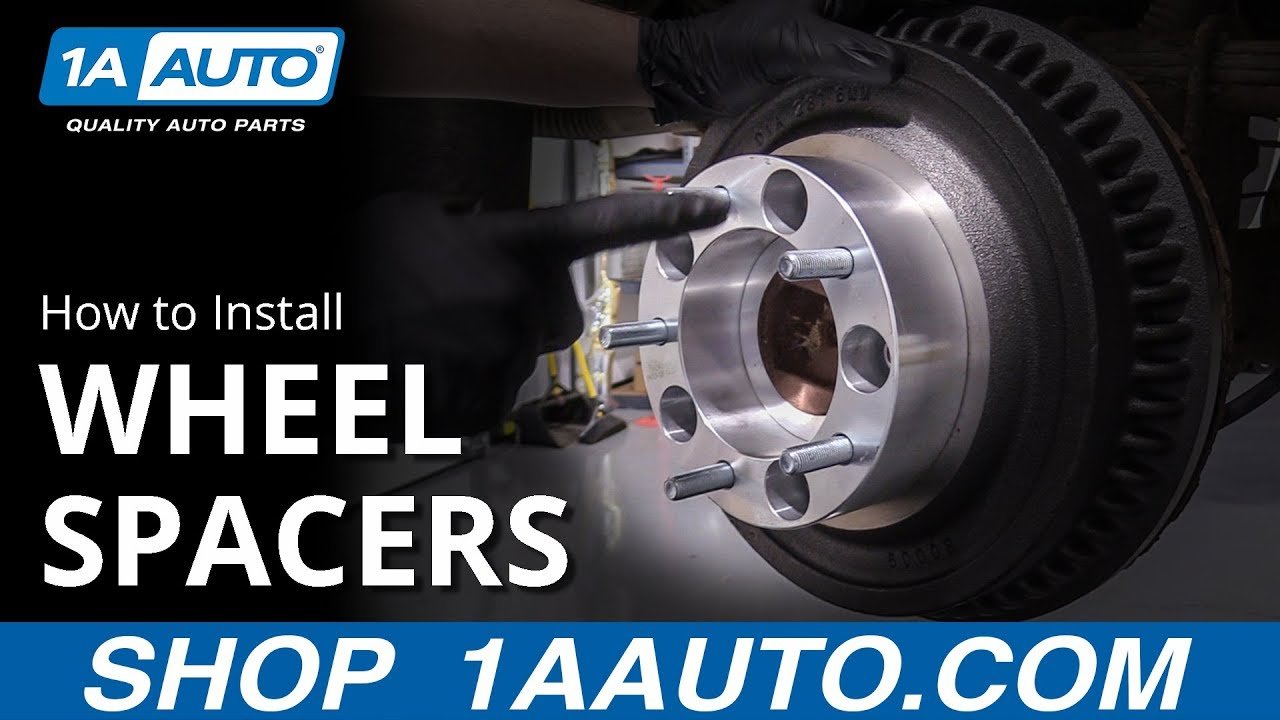
Hub-centric adapters fit snugly over the center hub, ensuring the wheel is perfectly centered. Lug-centric adapters rely on the lug nuts for alignment, which can cause vibrations. Hub-centric is best for most vehicles.
Can Wheel Adapters Affect Vehicle Safety?
Yes. Poor-quality adapters or incorrect installation can increase risk.
Use high-grade materials and follow torque specifications to keep your vehicle safe.
How Do I Find The Correct Bolt Pattern For My Vehicle?
Check your owner’s manual or measure the distance between the lug holes. Many websites offer bolt pattern guides. For example, Wikipedia gives a detailed explanation.
Are There Legal Restrictions On Wheel Adapters?
Some states and countries have rules about wheel adapters. Always check local laws before installing. For example, in California, adapters must meet certain standards.
Do Wheel Adapters Affect Handling Or Ride Quality?
Wheel adapters can change your car’s offset and track width. This may impact handling, especially in high-performance vehicles. For daily driving, the difference is minor if installed correctly.
Installing wheel adapters lets you customize your wheels and improve your vehicle’s look. With careful selection, proper installation, and regular maintenance, adapters can be safe and reliable.
Take your time, follow each step closely, and always prioritize quality over price.
Safe driving starts with a secure wheel setup.



















