Installing a tow hitch on a Jeep Wrangler is a practical upgrade for anyone who wants to pull trailers, carry bikes, or add extra gear for adventures. Many Jeep owners are surprised to learn how easy and affordable this project can be.
With the right tools and clear steps, even a beginner can safely install a tow hitch. This guide covers everything you need to know, from choosing the correct hitch to doing the installation and avoiding common mistakes.
Choosing The Right Tow Hitch
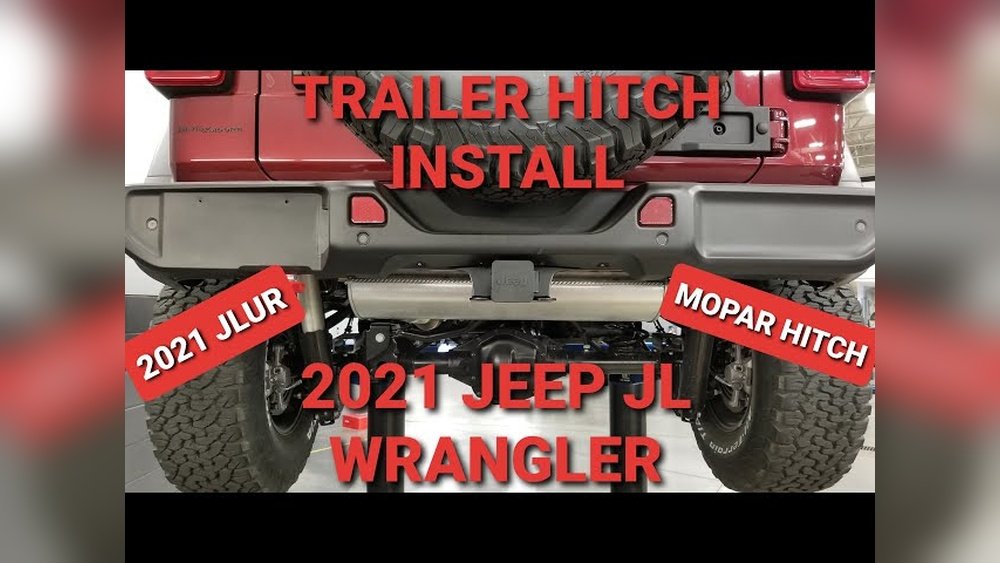
Not all tow hitches fit every Jeep Wrangler. First, check your Jeep’s model year and trim. Most Wranglers from 2007 onward use a Class III hitch, which supports up to 3,500 lbs. For older models, the capacity may be lower.
| Wrangler Model Year | Recommended Hitch Class | Towing Capacity |
|---|---|---|
| 1997-2006 (TJ) | Class II | 2,000 lbs |
| 2007-2018 (JK) | Class III | 3,500 lbs |
| 2018-Present (JL) | Class III | 3,500 lbs |
Make sure the hitch matches your Jeep’s bumper type. Some hitches are made for factory bumpers, others for aftermarket ones. Also, check if you need extra wiring for trailer lights.
What You Need Before You Start
Prepare these tools and materials:
- Tow hitch kit (includes bolts and hardware)
- Socket wrench set
- Torque wrench
- Safety glasses
- Jack stands (optional, for extra clearance)
- Spray lubricant
- Wire brush
Check the instructions in your hitch kit. Many brands, like CURT or Draw-Tite, have clear guides.
Use a torque wrench, not just a regular wrench, to tighten bolts to the correct strength.
Step-by-step Installation Guide
1. Prepare Your Jeep
Park your Jeep on a flat surface. Set the parking brake. If your Jeep sits low, use jack stands to raise the rear for more working space.
Remove any mud or rust around the frame’s mounting points using a wire brush and spray lubricant. This helps bolts fit smoothly.
2. Position The Hitch
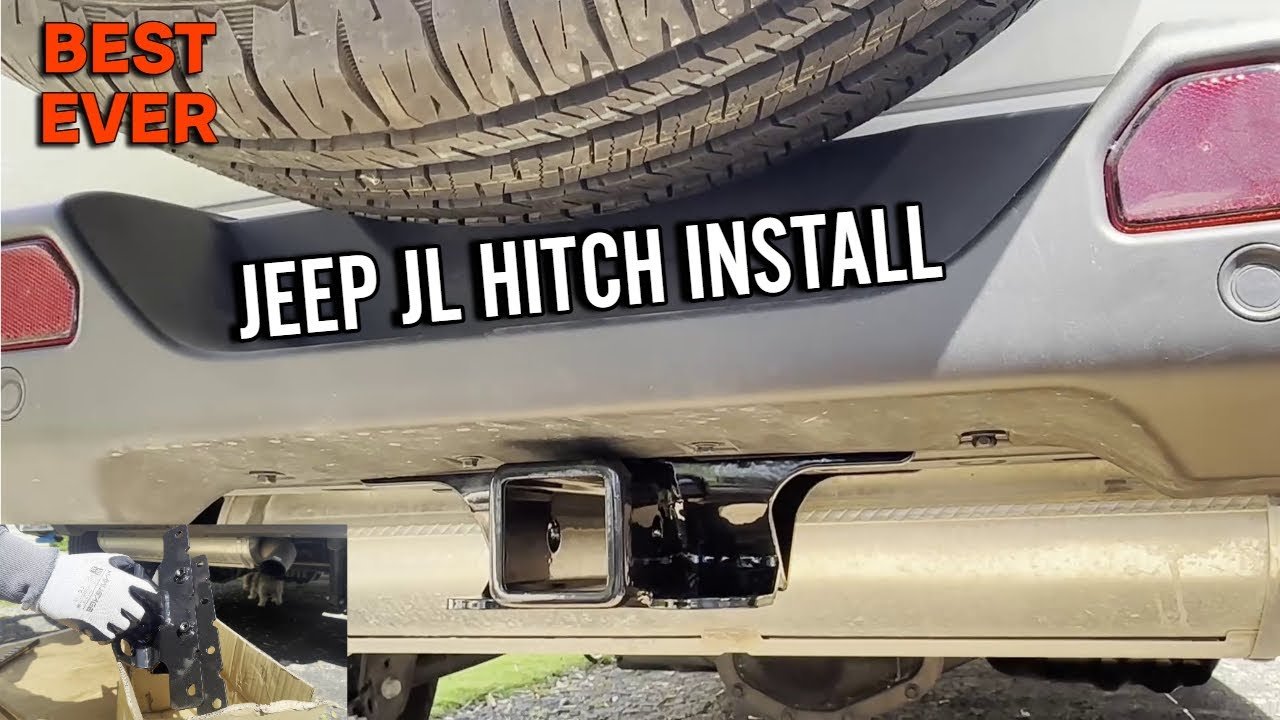
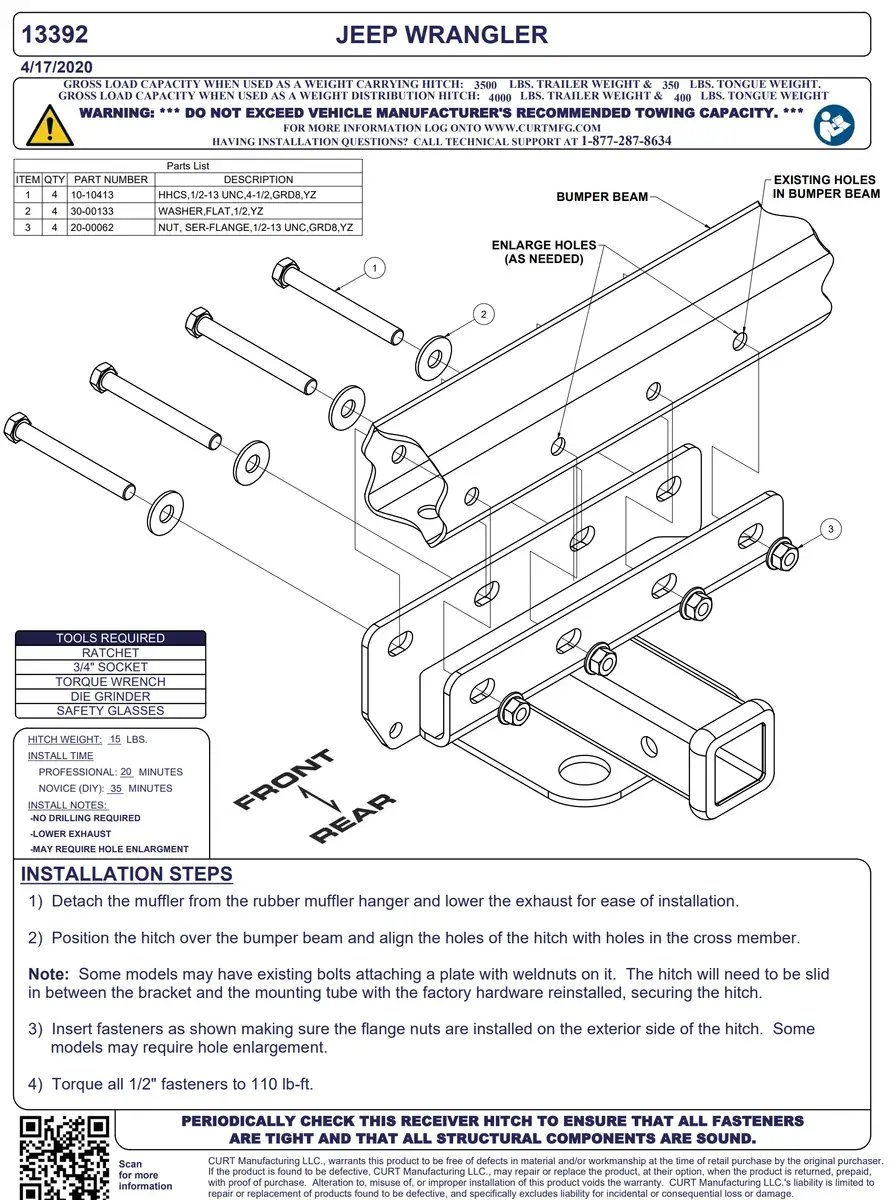
Hold the hitch against the frame. Align the holes in the hitch with the holes in your Jeep’s frame.
Some Wranglers have plastic plugs covering these holes pop them out with a screwdriver.
3. Insert And Tighten Bolts
Slide the bolts through the hitch and into the frame. Finger-tighten each bolt first.
Then use the socket wrench to snug them up.
Most hitch kits require bolts to be torqued to 75–110 ft-lbs, depending on the model. Using a torque wrench, tighten each bolt to the recommended specification. This prevents the hitch from loosening over time.
| Hitch Brand | Bolt Torque | Price Range |
|---|---|---|
| CURT | 90 ft-lbs | $120-$180 |
| Draw-Tite | 80 ft-lbs | $110-$170 |
| Reese | 100 ft-lbs | $130-$190 |
4. Install Trailer Wiring (optional)
If you plan to tow a trailer with lights, install a wiring harness. Most harnesses plug into the Jeep’s taillight connectors. Follow your kit’s instructions for routing wires and securing them away from moving parts.
5. Final Inspection
Check all bolts and nuts. Shake the hitch gently there should be no movement.
Reinstall any bumper covers or plastic panels you removed.
Practical Tips For A Smooth Installation
- Use penetrating oil on stubborn bolts to avoid snapping them.
- Don’t overtighten bolts; follow the recommended torque.
- Wear safety glasses to protect your eyes from rust or debris.
- If a bolt won’t go in, check for hidden debris in the frame holes.
- Ask a friend to help hold the hitch while you install bolts for easier alignment.
Many beginners forget to check the wiring harness after installation. Test your trailer lights before your first trip. Another common mistake is ignoring the torque specs—this can cause the hitch to fail under heavy loads.
Comparing Diy Vs. Professional Installation
Some Jeep owners prefer to let a shop handle the installation. Here’s a quick comparison:
| Installation Method | Cost | Time Required | Skill Level |
|---|---|---|---|
| DIY | $0 (plus hitch cost) | 45–90 minutes | Beginner–Intermediate |
| Professional | $70–$150 labor | 30–60 minutes | N/A |
DIY is cheaper and gives a sense of accomplishment. However, professional installation is faster and avoids any risks if you’re unsure about tools or wiring.
Safety And Legal Considerations
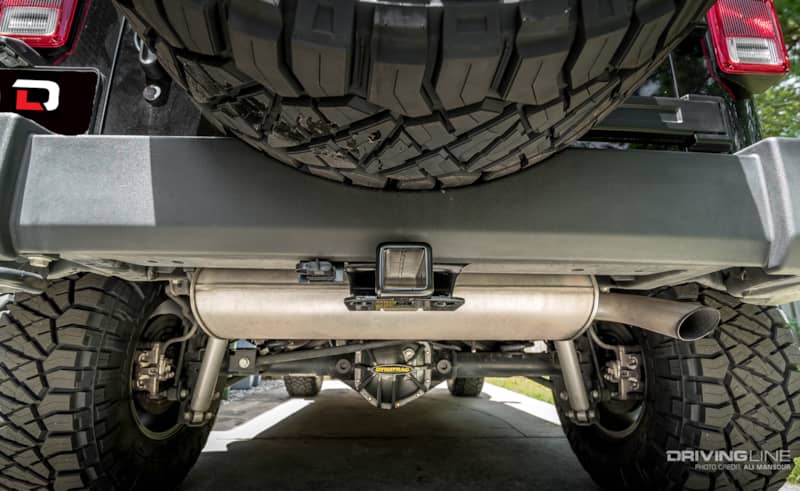
Check your state’s towing laws before hitting the road. Some states require safety chains, special wiring, or trailer brakes for loads above certain weights. Always use the correct ball mount and never exceed your Jeep’s towing capacity.
If your Jeep is still under warranty, installing a hitch may affect coverage. Confirm with your dealer before making changes.
For more details on safe towing practices, visit NHTSA Towing Safety.
Frequently Asked Questions
How Long Does It Take To Install A Tow Hitch On A Jeep Wrangler?
Most people finish in 45–90 minutes. If it’s your first time, plan for about two hours, especially if you need to install trailer wiring.
Can I Install A Tow Hitch Without Professional Help?
Yes, most Jeep owners can do it themselves with basic tools. The hardest part is aligning the hitch, but having a friend helps.
What Is The Towing Capacity For A Jeep Wrangler?
Most modern Wranglers can tow up to 3,500 lbs with a Class III hitch. Older models may have lower limits—always check your owner’s manual.
Do I Need To Upgrade Suspension Or Brakes To Tow Safely?
For small loads, you don’t need upgrades. For heavier trailers (above 2,000 lbs), consider brake controllers or beefier suspension for better stability.
Will Installing A Tow Hitch Void My Jeep’s Warranty?
Usually, no—if you use a dealer-approved hitch. But custom or aftermarket parts may affect warranty coverage. Always check with your dealer first.
Installing a tow hitch on your Jeep Wrangler is a great way to expand what your vehicle can do. With the right kit and careful installation, you’ll be ready for towing, carrying bikes, or hauling extra gear.
Take your time, follow the torque specs, and check local laws before you hit the road.
The process is simpler than most expect, and you’ll gain new skills along the way.