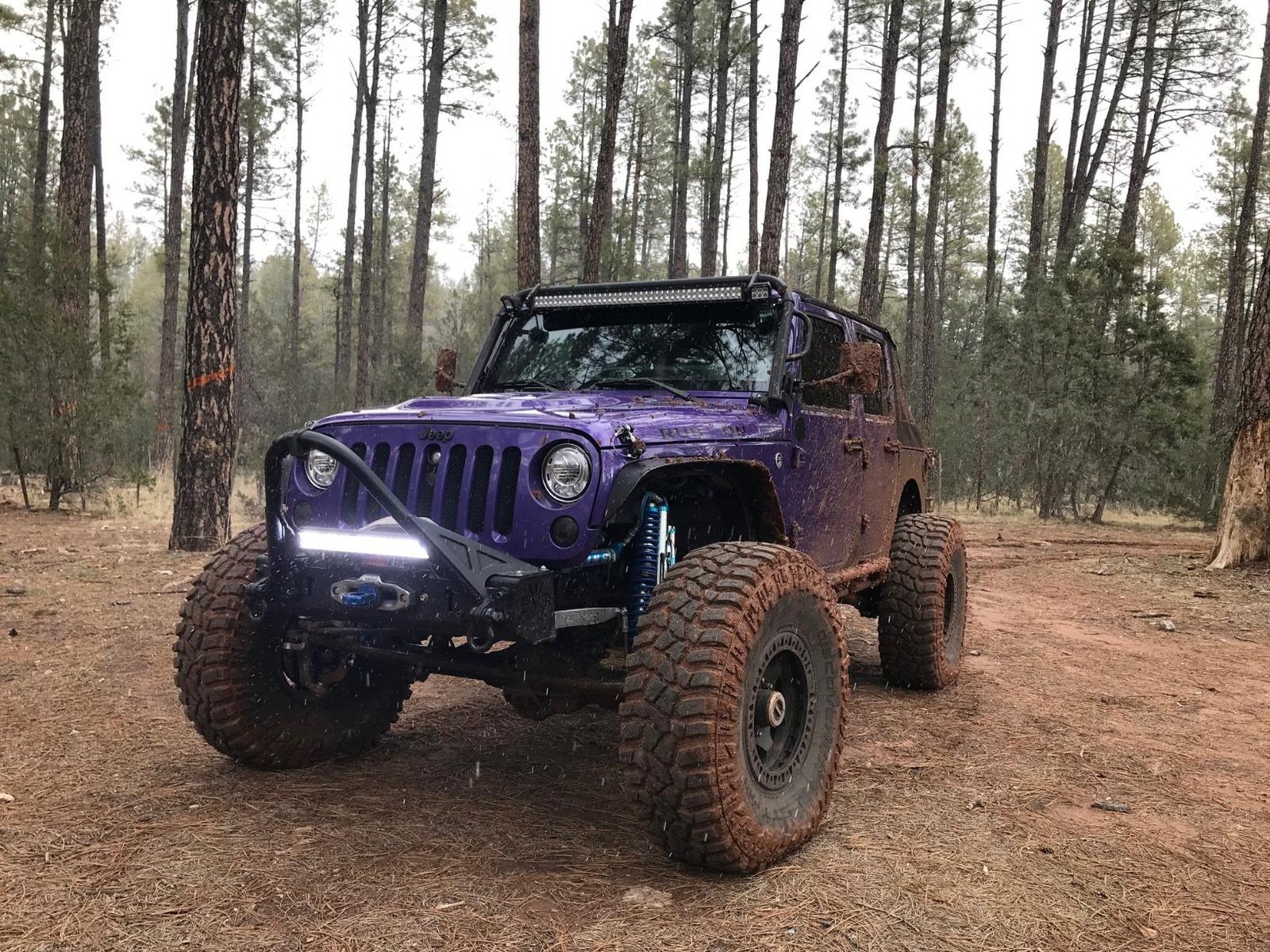
Upgrading your Jeep with fender flares isn’t just about looks—it’s about protection and function. Fender flares help shield your vehicle from mud, rocks, and debris, especially if you run larger tires or drive off-road.
Many Jeep owners install them for both legal and practical reasons, as some states require full tire coverage. This guide will walk you through everything you need to know about installing Jeep fender flares, step by step, and help you avoid the most common mistakes.
Choosing The Right Fender Flares
The first step is picking the correct fender flares for your Jeep model and your needs. Not all flares are the same—design, material, and coverage vary.
| Type | Main Benefit | Typical Use |
|---|---|---|
| Factory Style | OEM fit and look | Daily driving |
| Pocket/Rivet Style | Extra tire coverage | Off-roading |
| Flat Style | Maximum clearance | Rock crawling |
Material also matters:
- ABS plastic is lightweight and affordable.
- Metal offers high durability but costs more.
- Fiberglass is customizable but can crack on hard impact.
Check the width of the flares. Wider flares cover bigger tires and keep your Jeep street-legal in more states.
Tools And Preparation
Before you start, gather these essential tools:
- Socket set and ratchet
- Phillips and flathead screwdrivers
- Trim removal tool (for clips)
- Drill (if your flares require new holes)
- Measuring tape
- Marker
Read the instructions specific to your fender flares. Some require drilling, while others use the factory holes.
Park on level ground, and wash the fender area to prevent scratches.
Removing The Old Fender Flares
Start by removing your Jeep’s existing fender flares. On most models, this is simple but can take time.
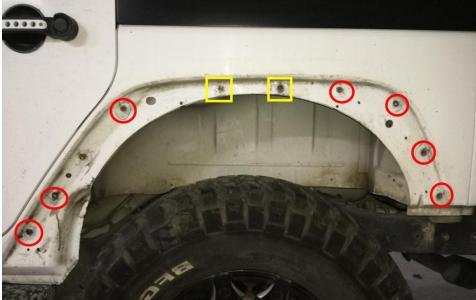
- Use the trim removal tool or a flathead screwdriver to pop out the plastic clips holding the flare.
- Remove any bolts with your socket set.
- Gently pull the fender flare away. If it sticks, double-check for hidden fasteners.
- Clean off any dirt or adhesive left behind.
Non-obvious tip: Save the original hardware in case you want to reinstall the stock flares later. Some aftermarket kits do not include replacement clips.
Test Fitting And Marking
Before final installation, test fit your new fender flares. This step is easy to skip but helps prevent mistakes.
- Hold the flare in place to check alignment.
- Mark any new hole locations with a marker.
- Check that the flare does not block your Jeep’s doors or lights.
Beginner’s mistake: Forgetting this step often leads to misaligned holes and uneven flares.
Installing The New Fender Flares
Now you’re ready to secure your new fender flares. Steps may vary by brand, but these are the general steps:
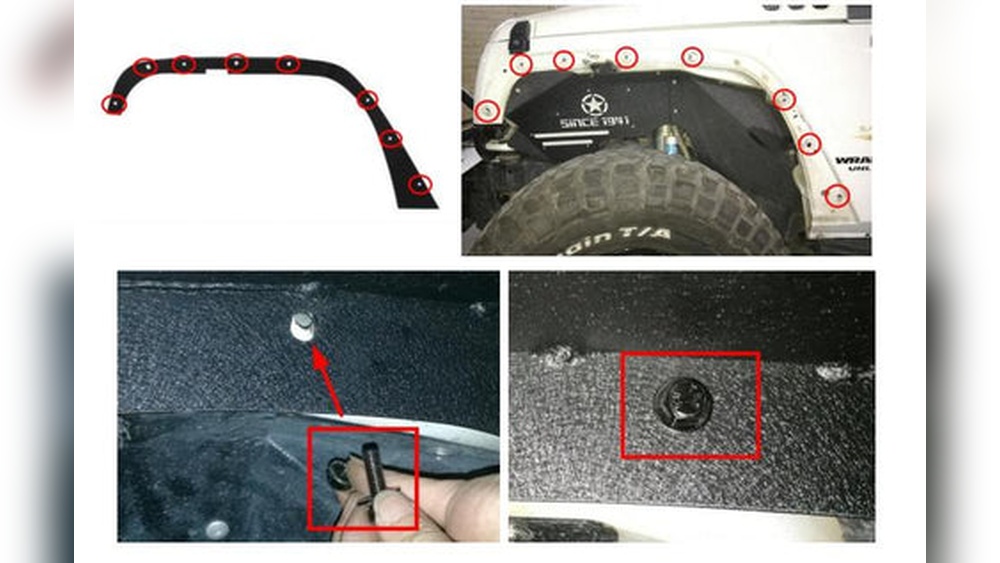
- Align the flare: Position it on the fender, lining up existing or marked holes.
- Insert clips or bolts: Start with the center fastener to hold the flare in place.
- Work outward: Add fasteners toward the ends, checking alignment as you go.
- Drill if needed: If your flares require new holes, drill carefully using a bit slightly smaller than the screws.
- Tighten fasteners: Do not overtighten—this can crack plastic flares.
- Repeat for all corners: Install each flare one at a time.
| Step | Estimated Time | Tools Needed |
|---|---|---|
| Remove old flare | 10-15 min | Trim tool, screwdriver |
| Test fit new flare | 5 min | Hands, marker |
| Install new flare | 15-30 min | Screwdriver, drill |
Finishing Touches And Inspection
Once all flares are mounted, double-check alignment and fitment. Open and close the doors to ensure nothing rubs. Check for gaps between the flare and the body—these can let in water or dirt.
Some fender flares come with weather stripping. Install it along the edge for a cleaner look and added protection.
A common oversight is skipping the torque check. Loose fasteners can lead to rattling or lost flares.
Aftercare And Maintenance
Your new fender flares need only simple care:
- Wash with mild soap and water—avoid harsh chemicals.
- Check fasteners every few months, especially after off-road trips.
- Wax plastic flares with a plastic-safe product to prevent fading.
If you live in a state with strict fender laws, measure tire coverage with a tape measure to ensure compliance.
| Material | Cleaning Frequency | Common Issue |
|---|---|---|
| Plastic | Monthly | UV fading |
| Metal | Monthly | Rust spots |
| Fiberglass | Monthly | Paint chips |
Avoiding Common Mistakes
Many beginners rush and make errors:
- Skipping the test fit: Leads to uneven flares.
- Overtightening screws: Can crack plastic.
- Not sealing gaps: Lets in water and dirt.
- Forgetting legal requirements: Some states have strict rules—check before you buy.
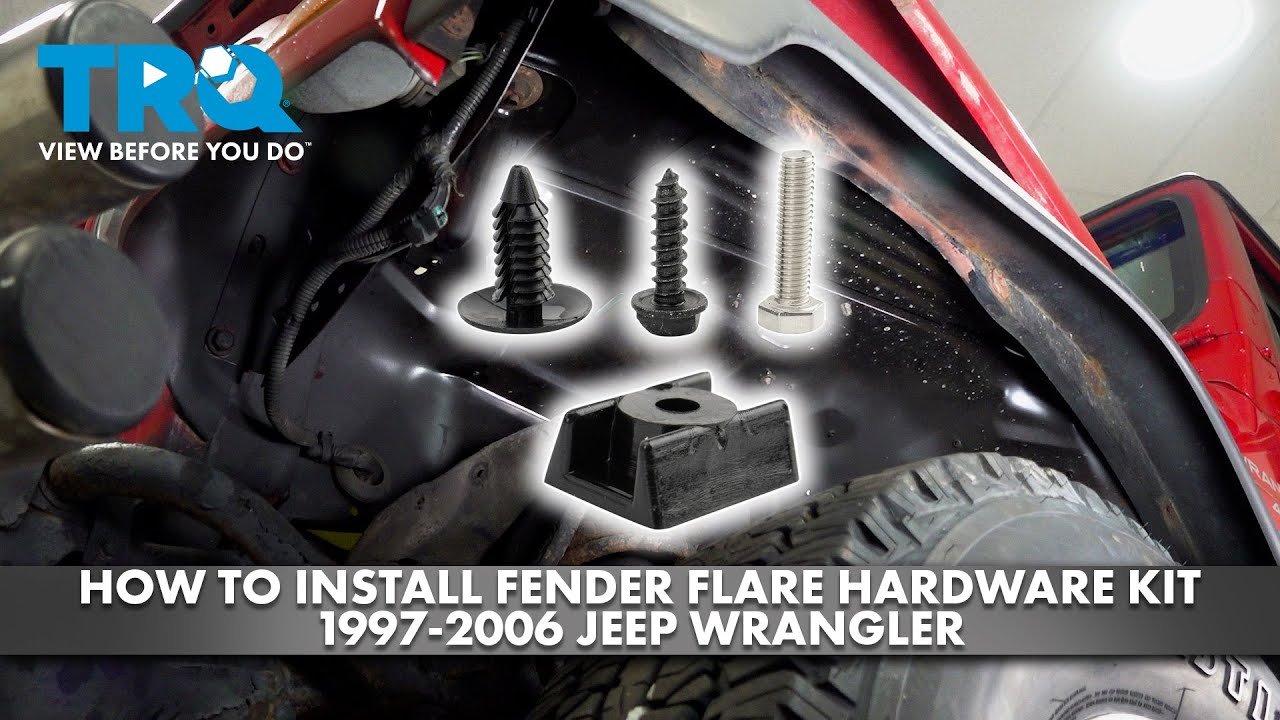
A less obvious mistake is using incompatible hardware. Always double-check that the bolts and clips fit your Jeep’s model.
Wrapping Up
Installing Jeep fender flares is a practical upgrade with real benefits. The process is simple if you follow each step and avoid rushing.
Take your time with test fitting, and always check local laws for tire coverage. With the right tools and some patience, you’ll boost your Jeep’s style and protection in a few hours.
If you want more details about Jeep fender flare laws, the SEMA Action Network offers updated information.
Frequently Asked Questions
How Long Does It Take To Install Jeep Fender Flares?
Most people can install a full set in 1 to 2 hours. If you need to drill new holes or remove rusted bolts, it may take longer.
Do I Need To Paint My New Fender Flares?
Some flares come painted to match your Jeep. Others come in a basic black finish and can be painted before installation. Always use paint suitable for automotive plastic or metal.
Can I Install Fender Flares By Myself?
Yes, most Jeep owners do the job without professional help. Having a friend can make the process quicker, especially when aligning the flares.
Are Aftermarket Fender Flares Legal In All States?
Not always. Some states require full tire coverage. Check your state’s laws before choosing extra-wide or custom flares.
Will Fender Flares Affect My Jeep’s Resale Value?
Quality fender flares often increase resale value, especially if they protect the paint and are professionally installed. Poorly installed or cheap flares can lower value, so take your time with the job.