Jeep Wranglers are famous for their rugged style and off-road abilities. But many owners want to add their own touch—like a grill insert.
This simple upgrade protects your radiator from rocks and bugs, and gives your Jeep a unique look. Installing a grill insert is easier than most people think.
With the right tools and a careful approach, you can do it yourself in under an hour, even if you’re new to car modifications.
Choosing The Right Grill Insert
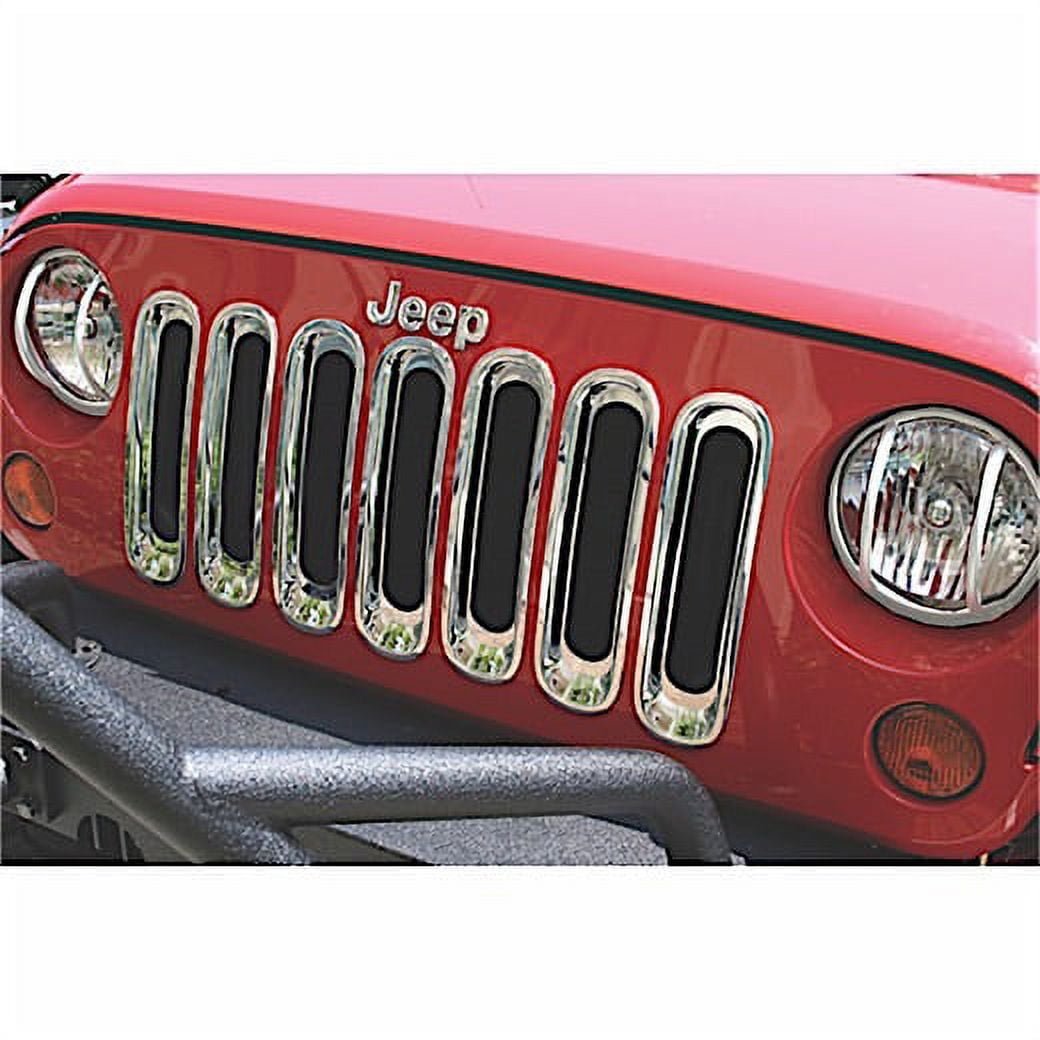
Before you start, you need to pick the best grill insert for your Jeep Wrangler. Not all inserts fit every model. Most are designed for specific years and trim levels, so check compatibility.
Here’s a quick comparison of popular types:
| Type | Material | Durability | Style Options |
|---|---|---|---|
| Mesh | Aluminum | High | Many colors |
| Solid | Plastic | Moderate | Standard only |
| Custom Cut | Stainless Steel | Very High | Custom graphics |
Mesh inserts are popular for their balance of protection and style. Solid inserts offer good coverage but fewer design choices. Custom cut inserts let you personalize your Jeep, but they cost more.
Look for products with good reviews and a strong warranty. Some premium brands offer lifetime warranties, so you never worry about replacements.
Tools And Preparation
You’ll need a few basic tools to install a grill insert:
- Flathead screwdriver
- Phillips screwdriver
- Plastic trim removal tool (optional, but safer for paint)
- Microfiber cloth for cleaning
- Protective gloves
Check your insert’s instructions, as some models require extra hardware. Make sure your Jeep is parked on a flat surface and turned off.
Before removing anything, take a photo of your grill. This helps you remember how everything fits.
Removing The Jeep Grill
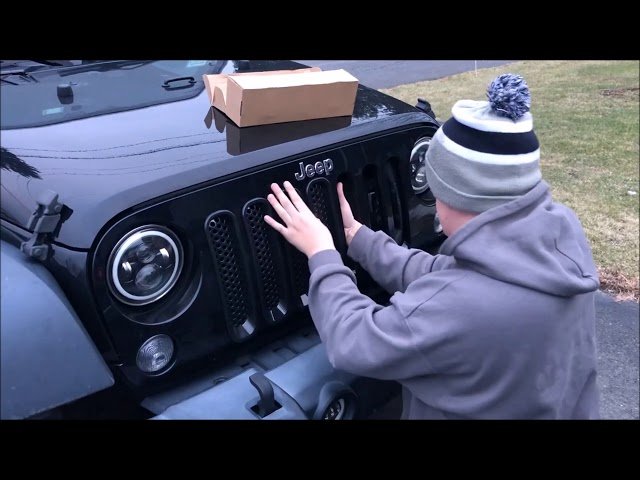
The first step is to remove the grill. Here’s a step-by-step guide:
- Open the Jeep’s hood and locate the six plastic clips along the top edge of the grill.
- Use a flathead screwdriver or trim removal tool to gently pry up each clip. Don’t rush—broken clips can cause rattling later.
- Once the clips are removed, pull the grill forward. You’ll feel resistance from the bottom tabs; wiggle the grill gently until it pops free.
| Step | Time Needed | Difficulty |
|---|---|---|
| Remove clips | 5 minutes | Easy |
| Pull grill | 2 minutes | Medium |
Some beginners forget to disconnect the turn signal wiring if their model has it. Always check under the grill for any wires before pulling it away completely.
Installing The Grill Insert
Now you’re ready to install the grill insert. The steps may vary by brand, but most follow a similar process:
- Clean the grill area with a microfiber cloth. Dust and dirt can scratch the paint or cause poor fit.
- Align the insert behind the grill’s front face. Some inserts sit directly against the grill; others need to be fastened with supplied clips or screws.
- If your insert uses clips, slide them onto the grill’s edges and press until they click.
- For screw-on models, use a Phillips screwdriver to secure the insert. Don’t overtighten—this can crack plastic parts.
- Check that the insert sits evenly and doesn’t block the radiator airflow.
| Insert Type | Installation Method | Time |
|---|---|---|
| Clip-on | Push into place | 10 minutes |
| Screw-on | Fasten screws | 15 minutes |
| Adhesive | Stick and hold | 8 minutes |
A common mistake is installing the insert upside down. Look for any logos or patterns they should be right side up when viewed from the front.
Reattaching The Grill
With the insert in place, it’s time to reattach the grill:
- Line up the bottom tabs with the slots on the Jeep.
- Push the grill back into position. You’ll hear a click as each tab locks in.
- Replace the six plastic clips along the top edge. Press firmly to secure them.
- Close the hood and check the fit. The grill should sit flush with the headlights and bumper.
If you disconnected any wiring earlier, reconnect it before securing the grill. A loose turn signal is easy to miss and can cause trouble later.
Practical Tips For A Smooth Installation
- Wear protective gloves to avoid scratches and cuts.
- If a clip breaks, replace it before finishing. Cheap clips can cause rattling and leaks.
- Take your time lining up the insert. Rushing can result in crooked or loose fit.
- After installation, drive for a few miles and check for noises or movement.
Most owners find the process simple, but patience is key. Even experienced DIY fans sometimes rush and end up with misaligned inserts.
Customization And Maintenance
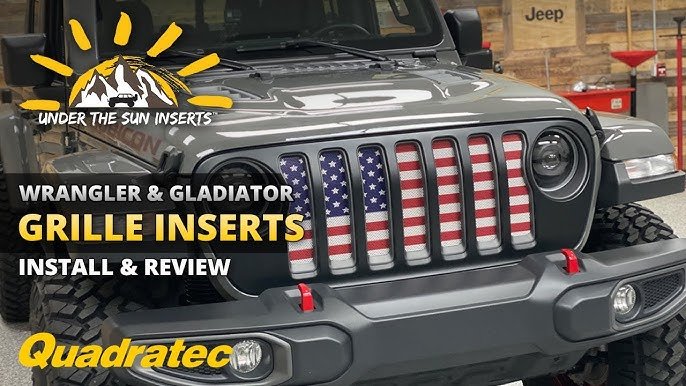
Installing a grill insert isn’t just about protection—it’s also about style. Many brands offer inserts with unique designs, colors, or even Jeep logos. If you want your Jeep to stand out, consider a custom cut insert.
Maintenance is easy. Clean your insert every few weeks with water and mild soap.
Avoid harsh chemicals they can damage paint and finish. If you drive off-road often, check the insert after every trip for damage or loose fittings.
For more ideas on Jeep modifications, visit Quadratec—a trusted resource for Jeep parts and advice.
Frequently Asked Questions
How Long Does It Take To Install A Grill Insert?
Most installations take 30–45 minutes. If you’re new to DIY projects, allow up to an hour.
Do I Need Special Tools?
You only need basic tools—a flathead screwdriver, Phillips screwdriver, and a microfiber cloth. A plastic trim tool helps prevent scratches.
Will The Grill Insert Affect Engine Cooling?
Quality inserts are designed not to block airflow. Make sure your insert leaves space for air to reach the radiator.
Can I Install A Grill Insert Without Removing The Grill?
Some inserts fit without grill removal, but most require taking off the grill for proper alignment and safety.
Are Grill Inserts Legal In All States?
Yes, grill inserts are legal as long as they don’t cover headlights or turn signals. Always check local regulations if you have a custom design.
Installing a grill insert on your Jeep Wrangler is a rewarding upgrade. It protects your vehicle and adds a personal touch without needing advanced skills or expensive tools.
With careful preparation and the right insert, you’ll enjoy a better-looking, more resilient Jeep for years to come.