Owning a Jeep Wrangler is all about adventure, but sometimes water finds its way inside. Whether you left the top off during a rainstorm or crossed a deep puddle, getting water out quickly is important.
Water trapped inside can lead to mold, bad smells, electrical issues, and even rust. If you want to keep your Wrangler ready for anything, it’s crucial to know how to remove water efficiently and prevent lasting damage.
Identifying Where Water Got In
Before you start drying, find out how the water entered. Common causes include:
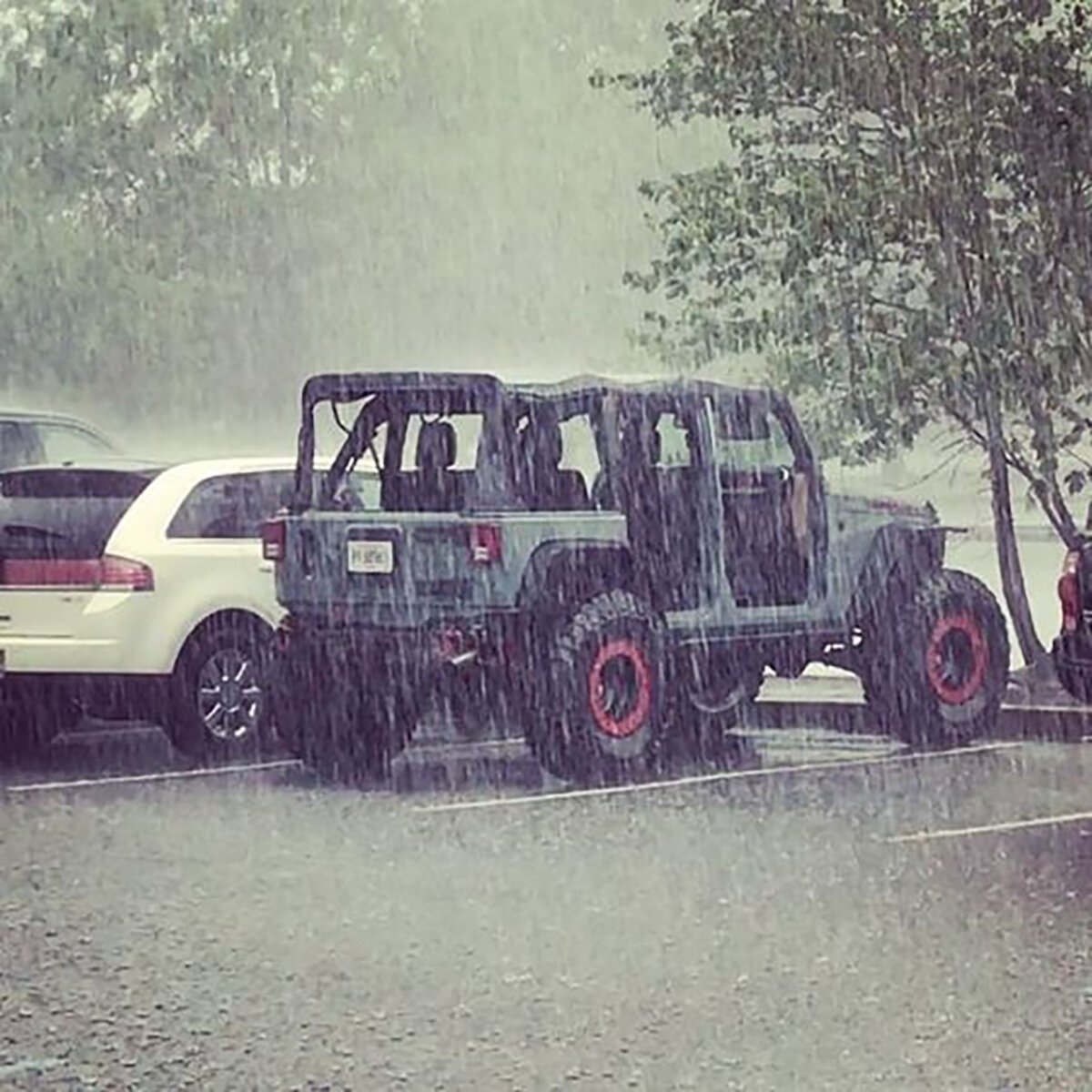
- Leaky soft tops or misaligned hard tops
- Blocked drain holes
- Faulty door seals
- Exposed vents or windows left open
Check for puddles on the floor, wet carpets, damp seats, or foggy windows. Inspect the drain plugs under the carpet—Wranglers have them for easy water removal. Don’t forget to look inside the trunk and glove box, as water sometimes travels to hidden spots.
Quick Steps To Remove Water
Act fast to limit damage. Here’s a simple guide:
1. Remove Floor Mats And Drain Plugs
Pull out the rubber mats. Locate the drain plugs under the carpet and twist or pull to remove. This lets water escape naturally.
2. Use Towels Or A Wet/dry Vacuum
For larger puddles, a wet/dry shop vac works best. Press towels firmly into seats and carpet to soak up as much water as possible.
3. Lift The Carpet And Padding
If carpet feels soaked, gently lift it. Water often hides under the padding.
Let the area air out, and vacuum underneath if you can.
4. Dry With Fans And Sunlight
Park your Wrangler in the sun, doors open. Use portable fans to improve airflow. Sunlight speeds up drying and kills mildew.
5. Check Seat Cushions
Water sometimes seeps into seat foam. If seats are wet, use a vacuum or press with towels. Let them dry fully before reinstalling.
Drying Methods Compared
Here’s a quick comparison of drying options:
| Method | Speed | Effectiveness | Cost |
|---|---|---|---|
| Wet/Dry Vacuum | Fast | High | $30-$100 |
| Absorbent Towels | Moderate | Medium | $10-$30 |
| Fans/Sunlight | Slow | Medium | Free-$30 |
| Professional Cleaning | Fast | Highest | $100-$200 |
For most situations, using a wet/dry vacuum plus fans is enough. Professional cleaning is best if water is dirty or smells bad.
Preventing Water Damage
Once your Jeep is dry, take steps to avoid water problems in the future. Here’s what works:
- Seal leaks: Replace worn door seals or patch gaps in your soft top.
- Clear drain holes: Use a thin wire or compressed air to unclog them.
- Store with top on: If bad weather is expected, keep your Jeep covered.
- Check after off-roading: Mud and debris can block drains, so inspect after every adventure.
Many owners miss checking the seat brackets and under-seat wiring. These areas are prone to rust if left wet. Also, make sure the trunk drain plug is clear, as water sometimes collects there unnoticed.
When To Call A Professional
Sometimes, DIY efforts aren’t enough. Call a pro if:
- Water reached electrical components (like under-seat wiring)
- There’s a musty smell after drying
- Mold appears on carpet or seats
- Water is dirty or from flooding
Professionals use tools like dehumidifiers and ozone machines for deep cleaning. This reduces health risks and preserves your Jeep’s value.
Jeep Wrangler Drain Plug Locations
Finding drain plugs is easier with a visual guide. Here’s where most are located:
| Area | Number of Plugs | Plug Location |
|---|---|---|
| Driver’s Footwell | 1-2 | Under carpet, near pedals |
| Passenger’s Footwell | 1-2 | Under carpet, near seat |
| Rear Seats | 2 | Under carpet, center |
| Cargo Area | 1 | Near tailgate |
Check your Wrangler’s manual for exact locations. Some models have more plugs for easier drainage.
Common Mistakes To Avoid
Owners often make these errors:
- Leaving carpet wet overnight: This encourages mold and rust.
- Ignoring seat foam: Water hides inside, causing smells.
- Forgetting about wiring: Wet wires can cause electrical faults.
- Not checking drain plugs: Blocked plugs trap water.
Always double-check these points to keep your Wrangler safe.
Real-world Example
A Jeep owner in Texas left their soft top off during a storm. They found 2 inches of water inside.
By removing the drain plugs, using a shop vacuum, and drying with fans, they avoided mold. However, they missed wet seat foam, which later smelled bad.
After professional cleaning, their Wrangler was back to normal. This shows why thorough drying matters.
Extra Tips For Fast Drying
- Place silica gel packs or moisture absorbers inside for quicker drying.
- Use a heater during winter for faster evaporation.
- Clean with a mild disinfectant to prevent odors.
- Inspect after each heavy rain, especially if you park outdoors.
A small investment in drying tools can save hundreds in repairs. For more details on preventing car water damage, visit Consumer Reports.
Frequently Asked Questions
How Long Does It Take To Dry Out A Jeep Wrangler?
Drying takes 1–3 days for light water. Heavy flooding may need up to a week with fans and sunlight.
Can Water Inside Cause Electrical Problems?
Yes, water can damage wiring under seats and cause dashboard errors. Dry these areas well to avoid issues.
Is It Safe To Drive With Wet Carpet?
No. Wet carpet can lead to slippery pedals, mold, and rust. Dry thoroughly before driving.
Are Drain Plugs Standard In All Jeep Wranglers?
Most Wranglers have factory drain plugs, but some older models may have fewer. Check your manual for details.
What’s The Best Way To Prevent Water Entry?
Keep your top and doors sealed, clear drain holes, and check after storms or off-roading. Preventive care saves time and money.
Removing water from your Jeep Wrangler isn’t difficult, but it does require careful steps and attention to detail. With quick action and proper drying, your Jeep will stay ready for every adventure.
Don’t let water damage slow you down protect your Wrangler, and enjoy the ride.