If you own a Jeep, you might have heard of the death wobble. It’s a scary shaking or vibration that happens when you drive over bumps or hit certain speeds.
Your steering wheel shakes so hard, it feels like you might lose control. Many Jeep owners worry about this problem, especially after lifting their vehicles or adding big tires.
The good news is, you can fix Jeep death wobble. But first, you need to understand why it happens and how to get rid of it safely.
What Causes Jeep Death Wobble?
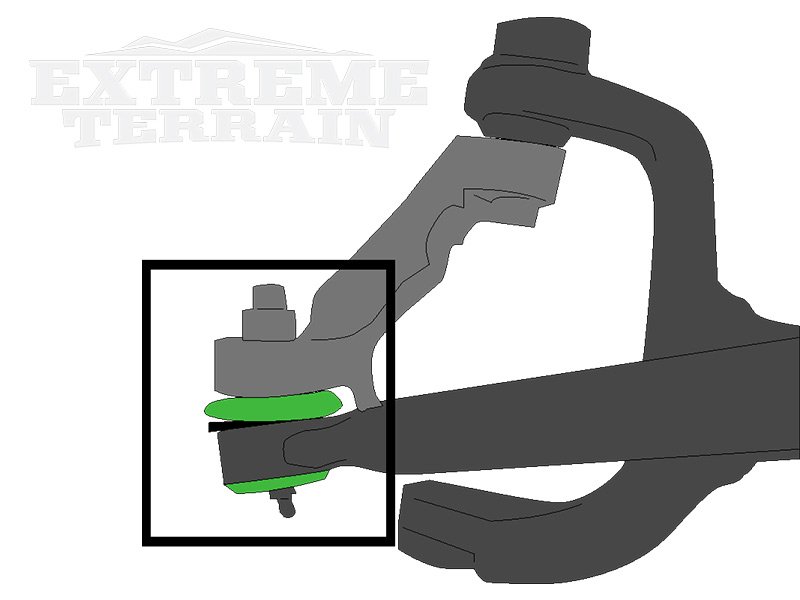
Death wobble is not just a random event. It’s usually triggered by loose parts in your Jeep’s front suspension or steering system. When one part moves too much, it sets off a chain reaction that shakes the whole vehicle.
Common causes include:
- Worn track bar bushings
- Loose tie rod ends
- Damaged ball joints
- Bent wheels or unbalanced tires
- Bad wheel bearings
- Improper alignment
Death wobble often happens after hitting a bump at speeds above 40 mph. Jeeps with bigger tires or lift kits are more likely to have this issue.
Even small changes in your suspension can increase the risk.
How To Diagnose Death Wobble
To fix death wobble, you need to find the root cause. Here are steps to diagnose the problem:
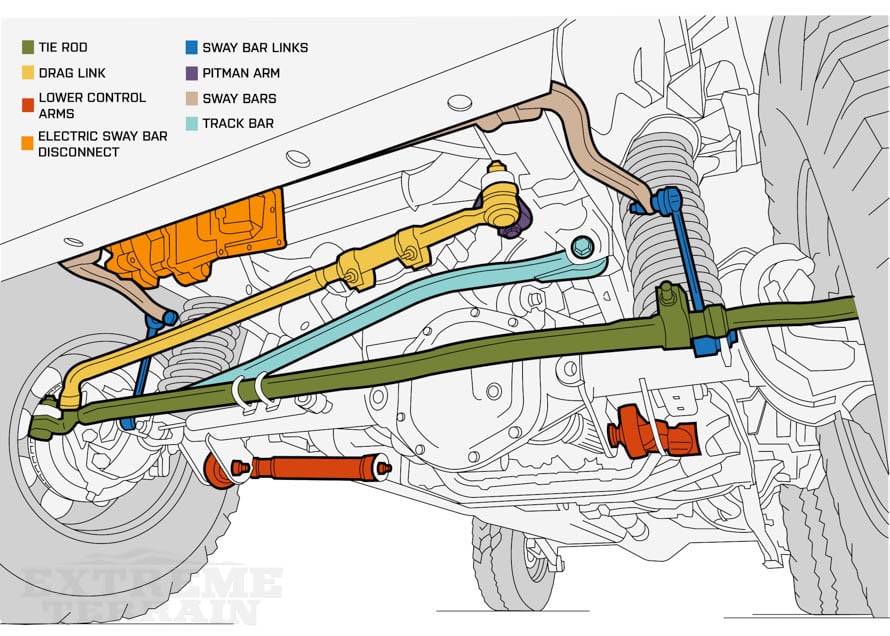
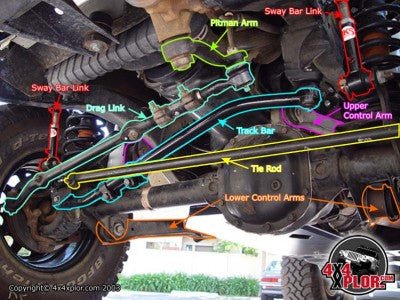
- Check for loose parts: Grab the front tires and shake them. If you feel movement, look at the track bar, tie rod ends, and ball joints.
- Inspect bushings: Worn or cracked bushings are a common source of wobble.
- Look for uneven tire wear: This can show alignment problems.
- Test wheel balance: If your tires are out of balance, they can cause vibrations.
- Measure steering play: Too much play in the steering wheel means parts are loose.
An experienced mechanic can help, but many Jeep owners do these checks themselves. Take your time missing one loose bolt can make all the difference.
How To Fix Jeep Death Wobble
Once you know what’s wrong, you can start fixing the death wobble. Here are the main steps:
1. Tighten All Suspension Bolts
Death wobble often starts with loose bolts. Use a torque wrench to tighten all track bar, control arm, and steering box bolts to factory specs.
2. Replace Worn Parts
If you find bad bushings, ball joints, or tie rod ends, replace them. Use quality parts cheap replacements may not last.
3. Balance And Align Tires
Unbalanced tires or poor alignment increase vibration. Get a professional wheel balance and a four-wheel alignment. Many tire shops offer this service.
4. Upgrade Track Bar And Steering Components
Some Jeeps have weak factory track bars. Upgrading to a heavy-duty track bar can help.
Also, consider stronger tie rods and steering stabilizers if you have big tires or a lift kit.
5. Inspect Wheel Bearings
Wheel bearings can wear out and cause wobble. If you hear noise from your wheels, have them checked and replaced if needed.
Here’s a quick comparison of common fixes:
| Fix | Cost Range | Difficulty | Effectiveness |
|---|---|---|---|
| Tighten Bolts | $0 (DIY) | Easy | High |
| Replace Track Bar | $100-$350 | Medium | Very High |
| Wheel Alignment | $80-$150 | Easy | High |
| Ball Joint Replacement | $200-$600 | Hard | High |
Common Mistakes When Fixing Death Wobble
Many Jeep owners make mistakes that waste time and money:
- Only replacing the steering stabilizer. This part hides the problem—it doesn’t fix it.
- Ignoring the track bar. The track bar is often the main cause, but people overlook it.
- Using cheap parts. Low-quality parts may not solve the wobble or could fail quickly.
- Not checking alignment. Even after repairs, a bad alignment can bring the wobble back.
Here’s another comparison to show what works and what doesn’t:
| Action | Result |
|---|---|
| Replace only steering stabilizer | Temporary fix |
| Upgrade track bar | Long-term solution |
| Skip wheel alignment | Wobble may return |
| Tighten all bolts | Immediate improvement |
Preventing Jeep Death Wobble
After fixing the death wobble, you want to keep your Jeep safe. Here’s how:
- Inspect your front suspension every 6 months, especially after off-roading.
- Use quality parts when replacing anything.
- Balance and rotate your tires every 5,000 miles.
- Avoid very large tires unless you upgrade your steering components.
A good tip most beginners miss: Check your Jeep’s alignment even after minor hits or curb bumps. Small impacts can shift parts and increase wobble risk.
Another overlooked insight: Don’t ignore odd noises or steering feel. Early signs can help you fix problems before death wobble starts.
For more technical details, you can read this Wikipedia article.
Frequently Asked Questions
What Is Jeep Death Wobble?
Jeep death wobble is a violent shaking of the front wheels and steering wheel. It happens when loose or worn suspension parts set off a chain reaction, usually at higher speeds.
Can I Drive With Death Wobble?
It’s not safe to drive with death wobble. You can lose control or damage your Jeep. Stop immediately and inspect your vehicle.
Does A Steering Stabilizer Fix Death Wobble?
A steering stabilizer might hide the symptoms, but it doesn’t fix the cause. You must repair the loose or worn parts to stop death wobble for good.
How Much Does It Cost To Fix Death Wobble?
Costs vary, but typical repairs range from $100 for tightening bolts to $600+ for replacing ball joints or track bars. Good diagnostics can save money by avoiding unnecessary repairs.
Will Lifting My Jeep Cause Death Wobble?
Lifting your Jeep increases the risk. Larger tires and changed angles can stress suspension parts. Always upgrade your track bar and steering components if you lift your Jeep.
Getting rid of Jeep death wobble takes careful inspection, quality repairs, and regular maintenance. If you fix the root causes and check your suspension often, you can enjoy safe and smooth rides.
Jeep death wobble is scary, but with the right steps, you can drive confidently again.