Getting your Jeep into 4 wheel drive can make a big difference, especially when driving off-road, in snow, or on muddy trails. Many new Jeep owners are unsure how to use this feature safely and correctly.
With several models and systems, the process can look different, but the basic idea is the same: 4WD gives your Jeep better traction and control.
This guide will help you understand the four main ways to shift your Jeep into 4WD, avoid common mistakes, and make the most of your vehicle’s abilities.
Understanding Jeep 4 Wheel Drive Modes
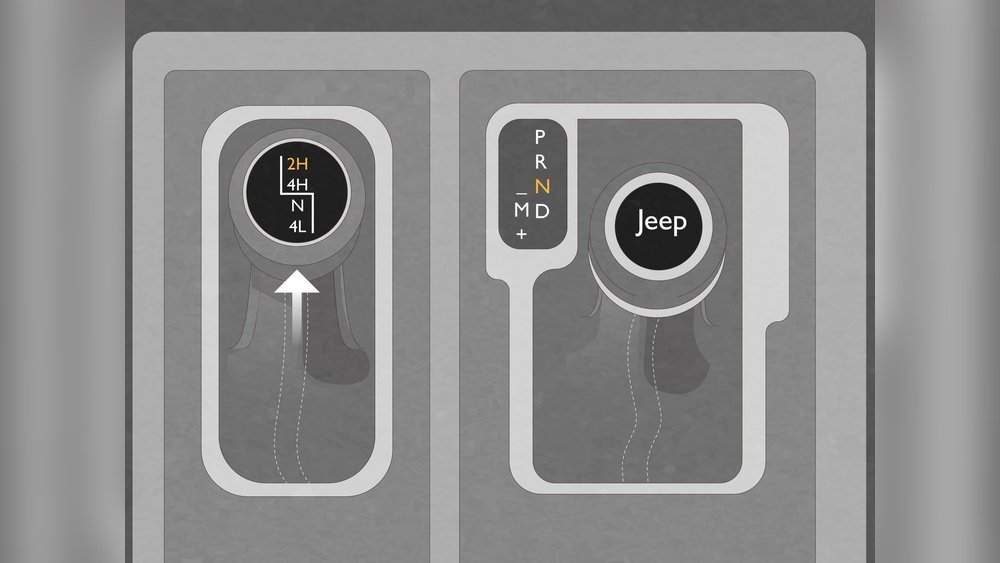
Jeep vehicles come with various 4WD systems. The two most common are part-time and full-time 4WD. Part-time means you switch between 2WD and 4WD manually, while full-time systems automatically adjust power between wheels. Knowing your Jeep’s system is important because it affects how you use 4WD. For example, using part-time 4WD on dry pavement can damage your Jeep’s drivetrain.
Most Jeep models offer these main modes:
- 2H (2-wheel drive high)
- 4H (4-wheel drive high)
- 4L (4-wheel drive low)
- Auto or Full-Time 4WD
Let’s look at the four main ways to engage 4WD in a Jeep.
1. Using A Manual Shift Lever
Older Jeeps and some newer models use a manual transfer case lever. This lever is usually found next to the gear shifter.
To shift into 4H:
- Slow down to under 55 mph.
- Firmly grasp the lever.
- Move it from 2H to 4H in one smooth motion.
- You can do this while driving, but avoid jerky movements.
To engage 4L:
- Stop the vehicle completely.
- Shift the transmission into neutral (N).
- Move the lever from 4H to 4L.
- Wait for the indicator light to confirm engagement.
Manual levers give you direct control, but require some force. Many beginners miss that you should never shift into 4L while moving—this can damage the gears.

2. Using An Electronic Switch
Modern Jeeps often use an electronic switch or knob to control 4WD. This system is easier and safer for most drivers.
To shift into 4H:
- Reduce speed below 55 mph.
- Turn the knob or press the button marked 4H.
- The system automatically shifts.
For 4L:
- Stop the Jeep.
- Put the transmission in neutral.
- Turn the knob or press the 4L button.
- Wait for the dashboard light.
Electronic switches are reliable and prevent mistakes. However, it’s easy to forget to return to 2H after rough terrain. This can cause extra wear and lower fuel efficiency.
3. Automatic Full-time 4wd
Some newer Jeep models have full-time 4WD. These systems, like Jeep Quadra-Trac, automatically manage power between wheels.
You don’t need to manually shift. Simply drive, and the system does the rest.
When sensors detect wheel slip, they send power to all wheels.
Benefits:
- No manual input needed.
- Great for changing conditions.
- Lower risk of user error.
Drawback: You can’t force 2WD for fuel savings. Also, some drivers think full-time 4WD means they can drive fast on any surface, but high speeds on slippery roads are still dangerous.
4. Using A Touchscreen Or Digital Selector
A few high-end Jeep models use a touchscreen or digital selector for 4WD modes. This is common in recent versions of the Jeep Grand Cherokee.
Steps:
- Slow down as recommended (usually below 55 mph).
- Tap the 4WD mode on the touchscreen.
- For 4L, stop the vehicle and shift to neutral before selecting.
Digital selectors often include extra options, like “Sand,” “Mud,” or “Snow. ” Each mode adjusts traction and transmission.
Beginners sometimes skip these settings, but choosing the right mode can make off-road driving much safer.
Comparing 4wd Engagement Methods
Here’s a quick look at the pros and cons of each system:
| Method | Ease of Use | Risk of Mistakes | Control |
|---|---|---|---|
| Manual Lever | Medium | High | Full |
| Electronic Switch | Easy | Low | Good |
| Full-Time 4WD | Very Easy | Very Low | Less |
| Touchscreen Selector | Easy | Low | High |

Common Mistakes When Using Jeep 4wd
Many Jeep owners make errors that can harm their vehicle or reduce safety. The most frequent mistakes include:
- Engaging 4L while moving: Always stop and shift to neutral first.
- Using 4WD on dry pavement: This stresses the drivetrain and tires.
- Ignoring mode-specific settings: Each mode is designed for certain conditions.
- Not checking indicator lights: Make sure the system has actually engaged.
Beginners often overlook tire pressure. Low or uneven tire pressure can reduce traction, even when 4WD is engaged.
Practical Tips For Safe 4wd Use
- Read your Jeep’s manual for specific instructions.
- Practice shifting between modes in a safe area before heading off-road.
- Switch back to 2H after leaving slippery or rough terrain.
- Check for warning lights or error messages on the dashboard.
- If you hear grinding noises, stop and review your shifting process.
The Jeep Wrangler is especially popular for off-road use, but all Jeep models benefit from proper 4WD use. According to a 2022 survey, over 70% of Jeep owners say 4WD is the main reason they chose their vehicle.
Jeep Models And Their 4wd Systems
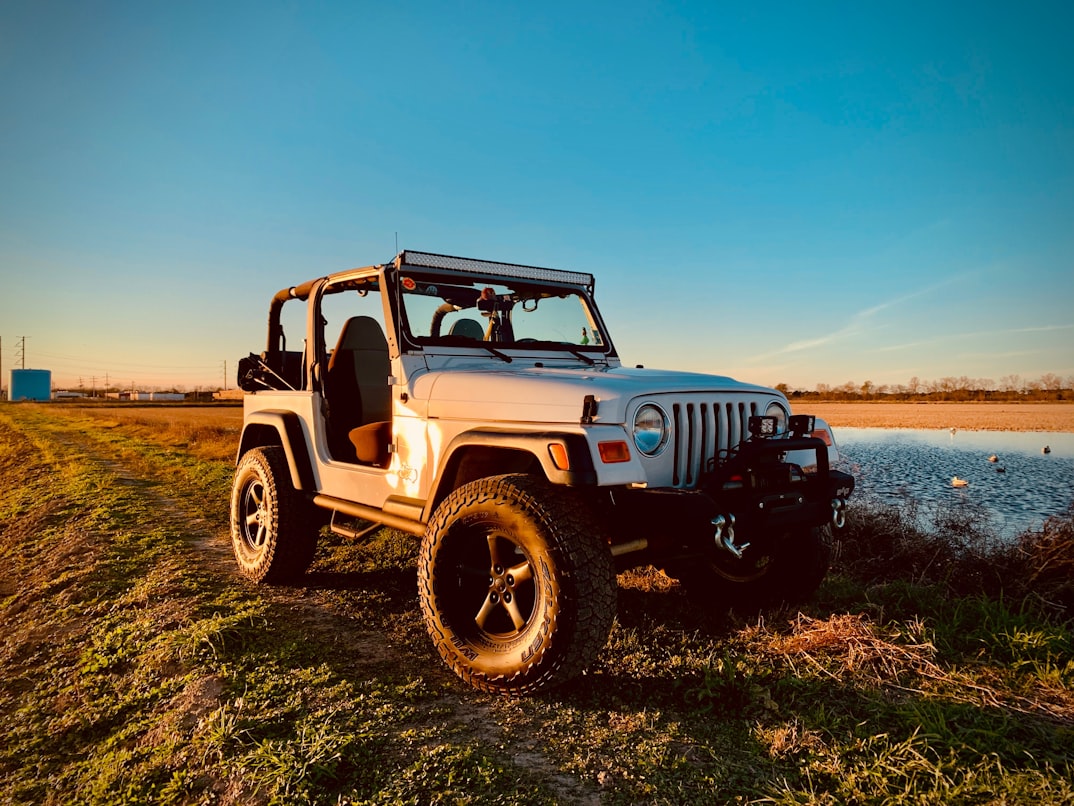
Different Jeep models use different systems. Here’s a comparison of some popular options:
| Model | 4WD System | Manual or Electronic |
|---|---|---|
| Wrangler | Command-Trac, Rock-Trac | Manual/Electronic |
| Grand Cherokee | Quadra-Trac, Quadra-Drive | Full-Time/Touchscreen |
| Gladiator | Command-Trac | Manual/Electronic |
| Compass | Active Drive | Automatic |
If you’re unsure about your system, check your owner’s manual or ask a Jeep dealer for help.
Frequently Asked Questions
What Is The Difference Between 4h And 4l?
4H (4-wheel drive high) is used for higher speeds and light off-road conditions like snow or mud. 4L (4-wheel drive low) is for slow speeds, steep hills, or deep mud.
Can I Shift Into 4wd While Driving?
Yes, you can shift into 4H while driving under 55 mph. For 4L, you must stop and shift to neutral before engaging.
How Do I Know If 4wd Is Engaged?
Watch for a dashboard indicator light. If the light doesn’t come on, the system may not be engaged. Listen for changes in the engine or feel for extra traction.
Is It Bad To Use 4wd On Dry Roads?
Yes, using 4WD on dry pavement can cause drivetrain damage and wear out tires faster. Only use 4WD for slippery or rough conditions.
Where Can I Learn More About Jeep 4wd Systems?
Visit the official Jeep site or trusted automotive sources like Edmunds for detailed guides and model-specific info.
Driving a Jeep in 4 wheel drive is easy once you know the right steps for your model. Always follow the correct process, avoid common mistakes, and practice in safe areas. With the right knowledge, you’ll enjoy better traction, safer travel, and the true adventure your Jeep was built for.