If your 2012 Jeep Liberty’s heater isn’t blowing warm air or your windshield fogs up more than usual, your heater core may be clogged. This small radiator, buried behind your dashboard, heats the air for your cabin.
Flushing the heater core can restore proper heat and sometimes prevent bigger engine cooling problems. While it sounds complicated, you can do this job at home with some patience, the right tools, and a little guidance.
Why Flushing The Heater Core Matters
The heater core helps both your comfort and engine health. Over time, rust, scale, and debris can block the tiny tubes inside, reducing heat and coolant flow. Left alone, a clogged heater core can even lead to engine overheating. Flushing clears the blockages and is often more cost-effective than replacing the part.
A flush is usually recommended if:
- Your Jeep’s heat is weak or cold
- The defroster isn’t working well
- You see coolant leaking inside the cabin
- The engine is running hotter than normal
Tools And Supplies You’ll Need
Before starting, gather these items:
- Pliers (for hose clamps)
- Flathead screwdriver
- Bucket (to catch old coolant)
- Garden hose (with spray nozzle)
- Heater core flush kit (optional, but useful)
- Protective gloves and eyewear
- Fresh coolant (consult your owner’s manual for type)
- Rags or towels
A heater core flush kit often includes adapters to fit your hoses and make the job neater.
Step-by-step Guide To Flushing The Heater Core
Perform the flush only when the engine is cool. Hot coolant can cause serious burns.
1. Locate The Heater Core Hoses
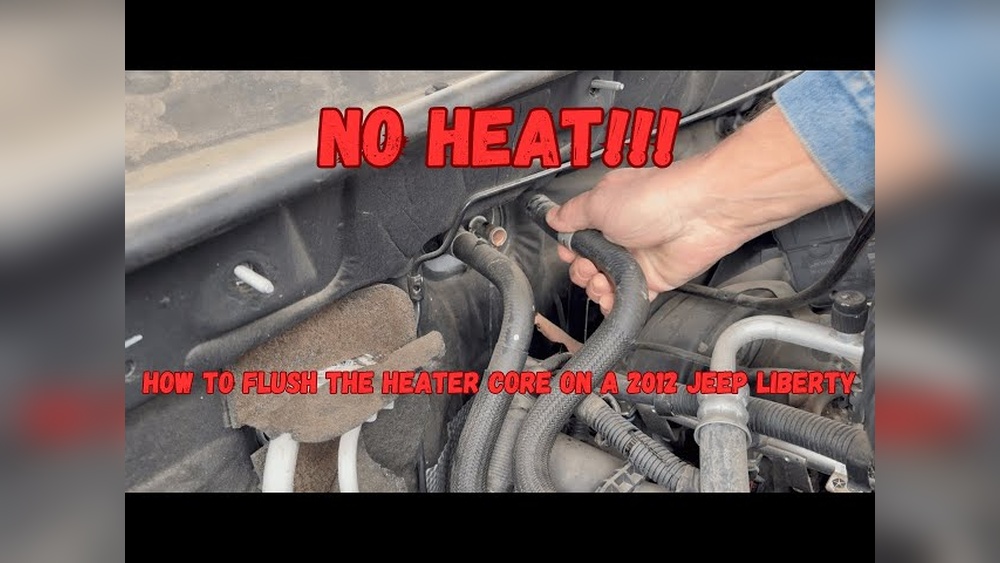
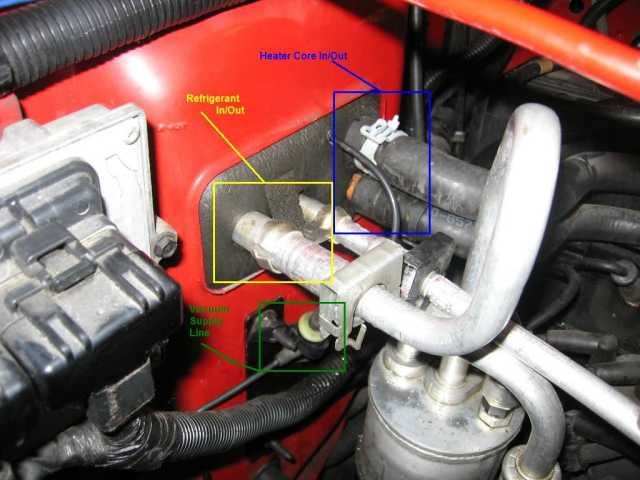
Open the hood and look for two small hoses entering the firewall on the passenger side. These are the inlet and outlet hoses for the heater core. On the 2012 Jeep Liberty, they’re usually about an inch thick and sit near each other.
2. Disconnect The Heater Hoses
Using pliers, gently squeeze the hose clamps and slide them away from the firewall. Twist and pull the hoses off the heater core pipes.
If they’re stuck, use a flathead screwdriver to help loosen them don’t force it, as the pipes are delicate.
3. Set Up For Flushing
Place a bucket under the heater core pipes to catch old coolant. Attach a garden hose or the flush kit adapter to one of the heater core pipes.
Make sure the other pipe is free to drain into your bucket.
4. Flush The Heater Core
Turn on the water gently. Water should flow through the core and out the other pipe. If the flow is weak, reverse the direction—move the hose to the other pipe and flush again. Alternate several times until clear water comes out. This back-and-forth helps remove stubborn blockages.
Signs Of A Good Flush:
- Strong flow of water from the outlet
- No visible rust or debris in the water
5. Reconnect Everything
Remove your hoses and adapters. Slide the heater hoses back onto the pipes and secure the clamps. Wipe up any spilled coolant.
6. Refill The Cooling System
Top up the radiator and reservoir with fresh coolant. Use the type recommended in your Jeep’s manual mixing types can cause problems.
Start the engine, let it reach operating temperature, and check for leaks. Add more coolant if needed.
7. Test The Heater
Turn on the heat to full blast. You should notice warmer air after a few minutes if the flush worked. Also, monitor the engine temperature and check for leaks around your hose connections.
Common Mistakes To Avoid
Many DIYers miss these important details:
- Flushing with a hot engine: This is dangerous and can cause burns.
- Forcing stuck hoses: Twisting or prying too hard can break the heater core pipes, leading to an expensive repair.
- Using the wrong coolant: Always use the correct type—mixing can cause sludge.
- Not bleeding air: After refilling coolant, air pockets can form and cause overheating. Squeeze upper radiator hose gently or use a cooling system bleeder if available.
How A Flush Compares To A Replacement
Sometimes, a flush won’t fix the problem if the heater core is leaking or completely blocked. Here’s a quick comparison.
| Heater Core Flush | Heater Core Replacement |
|---|---|
| Cost: $0-$40 (DIY) | Cost: $400-$900 (parts & labor) |
| Takes 1-2 hours | Takes 4-8 hours |
| Fixes clogs | Fixes leaks, bad clogs |
| No dashboard removal | Dashboard must be removed |
A flush is usually your first step before considering a full replacement.
Signs Your Flush Was Successful
After flushing and refilling, check these things over the next few days:
- Cabin heat is strong and consistent
- No coolant smell or leaks inside the cabin
- Engine runs at normal temperature
If you still have issues, your heater core may need professional attention.
Example: Real-world Results
A 2012 Jeep Liberty owner flushed their heater core after noticing weak heat and a mild coolant smell. After the flush, the heat returned to normal and the coolant smell disappeared.
This simple maintenance saved them from a $600 repair bill.
Tips For An Easier Job
- Use an old towel to protect paint and wires from coolant.
- If the hoses are brittle, consider replacing them.
- Always dispose of old coolant safely—never pour it down a drain.
Data: When Do Most Heater Cores Need Flushing?
Here is an estimate based on Jeep owner forums and repair shops:
| Mileage | % Needing Flush |
|---|---|
| Under 50,000 | 10% |
| 50,000-100,000 | 35% |
| Over 100,000 | 60% |
This shows that as your Jeep ages, flushing becomes more important.
Frequently Asked Questions
What Type Of Coolant Should I Use In My 2012 Jeep Liberty?
Use the Mopar HOAT (Hybrid Organic Acid Technology) coolant or a compatible product. Check your owner’s manual or ask a dealer if you’re unsure.
How Often Should I Flush The Heater Core?
There’s no set schedule, but every 50,000 miles or if you notice heating problems is a good rule.
Can I Drive With A Clogged Heater Core?
You can, but it’s risky. Poor heating is annoying, but a badly clogged core can cause engine overheating.
Is A Flush Always Enough To Fix Heater Problems?
Not always. If your heater core is leaking or completely blocked, replacement may be needed.
Where Can I Learn More About Heater Core Maintenance?
For more details on car cooling systems, visit Wikipedia’s Heater Core page.
A heater core flush is a simple, effective way to restore warmth to your Jeep Liberty and prevent bigger issues. Take your time, follow these steps, and enjoy a comfortable drive.