Owning a Jeep Wrangler is a dream for many adventure lovers. But rust can turn that dream into a headache.
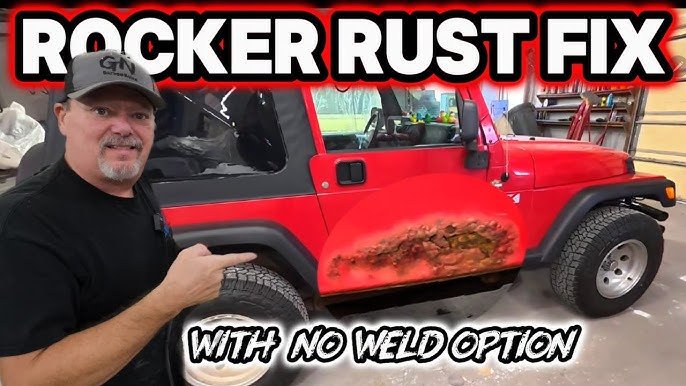
Whether you drive through salty roads in winter or splash in mud during summer, rust can attack your Jeep’s body, frame, or undercarriage. If left untreated, rust spreads and weakens the metal, making repairs costly.
The good news? You can fix most rust issues yourself and keep your Wrangler looking great.
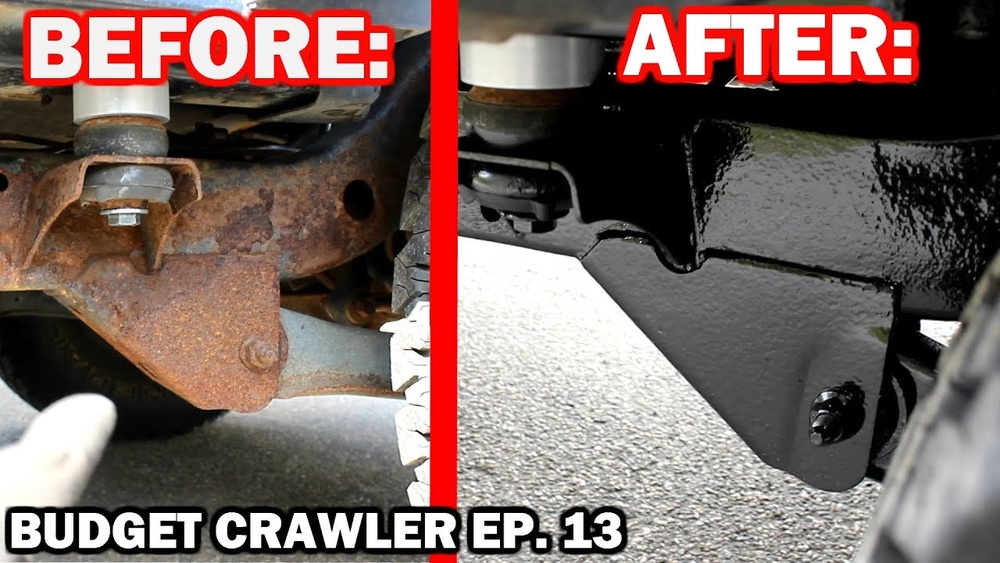
This guide will show you practical steps, common mistakes, and tips for lasting results.
Understanding Rust On A Jeep Wrangler
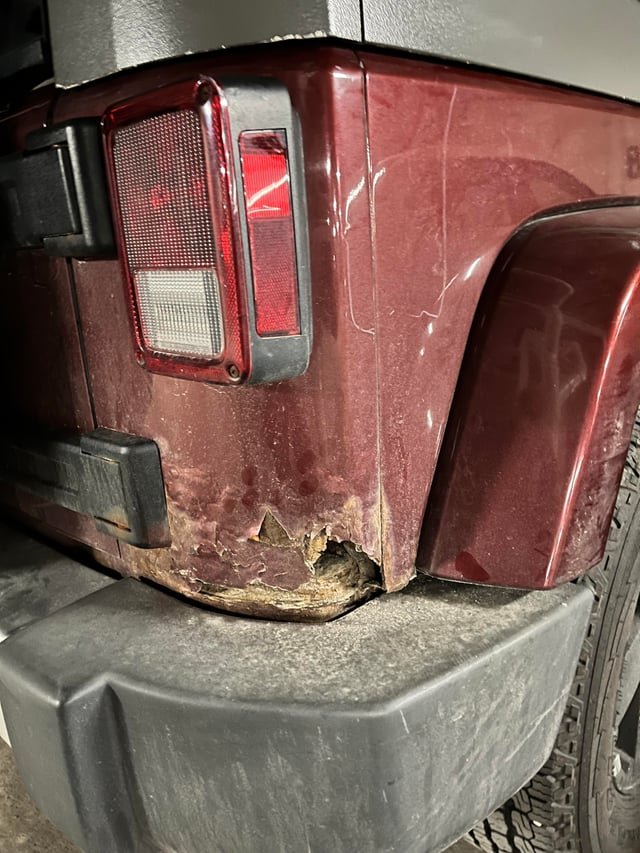
Rust happens when iron or steel reacts with water and oxygen. The result is reddish-brown flakes that eat away at metal. Wranglers, especially older models, are prone to rust on the frame, fenders, doors, and underbody. According to a 2023 survey by Car Complaints, over 22% of Jeep Wrangler owners reported rust within five years of ownership.
Here’s a quick look at the main rust-prone spots:
| Area | Rust Risk | Repair Difficulty |
|---|---|---|
| Frame | High | Hard |
| Fenders | Medium | Medium |
| Doors | Low | Easy |
| Undercarriage | High | Hard |
Wrangler rust starts small. If you spot bubbling paint or rough patches, act quickly.
Early repair saves money and prevents structural damage.
Tools And Materials Needed
Before you start, gather these items:
- Wire brush or drill with wire wheel
- Sandpaper (80–320 grit)
- Rust converter (chemical treatment)
- Primer for metal
- Automotive paint (color-matched)
- Clear coat spray
- Clean rags
- Gloves and mask
- Painter’s tape and plastic sheets
For advanced repairs (holes or heavy rust), you might need:
- Body filler
- Metal patch kit
- Welding equipment (optional)
Most basic rust fixes cost between $50 $150 in materials.
Step-by-step: Fixing Rust On Your Jeep Wrangler
1. Find And Assess Rust
Check your Jeep inside and out. Look for:
- Bubbling paint
- Orange or brown patches
- Soft metal spots
Use a screwdriver to gently poke rust spots. If the metal is thin or breaks, the rust is deep.
2. Prepare The Area
- Wash the surface to remove dirt.
- Dry thoroughly.
- Use painter’s tape and plastic to protect surrounding areas.
3. Remove Loose Rust
- Scrape loose rust using a wire brush or drill attachment.
- Sand the area until you see clean, shiny metal.
- For deep rust, sand wider than the damaged spot.
Here’s a comparison of removal methods:
| Method | Effectiveness | Best For |
|---|---|---|
| Wire Brush | Medium | Surface rust |
| Drill Wheel | High | Deep rust |
| Sandpaper | Medium | Small areas |
4. Apply Rust Converter
- Spray or brush a rust converter on the bare metal.
- Let it dry as directed (usually 30–60 minutes).
- This step neutralizes any remaining rust.
5. Prime And Paint
- Apply a metal primer. Wait for it to dry (20–30 minutes).
- Spray or brush on color-matched paint. Use thin coats.
- Allow paint to dry between coats.
- Finish with a clear coat for protection.
If you’re fixing a hole, fill it with body filler, sand smooth, then prime and paint.
6. Recheck And Protect
- Inspect the repaired area after 24 hours.
- Apply undercoating or rustproofing spray underneath.
- Clean your Jeep regularly and avoid leaving salt or mud on metal parts.
Extra Tips For A Long-lasting Repair
- Use color-matched paint for a seamless finish.
- Replace damaged bolts or clips with stainless steel options.
- Check wheel wells and drain holes—these often trap moisture.
- If you drive off-road, wash your Jeep after every trip.
Many people miss the importance of drying the repair area fully before painting. Moisture trapped under paint can cause new rust. Another common mistake: skipping the rust converter step. This leads to rust coming back fast.
When To Seek Professional Help
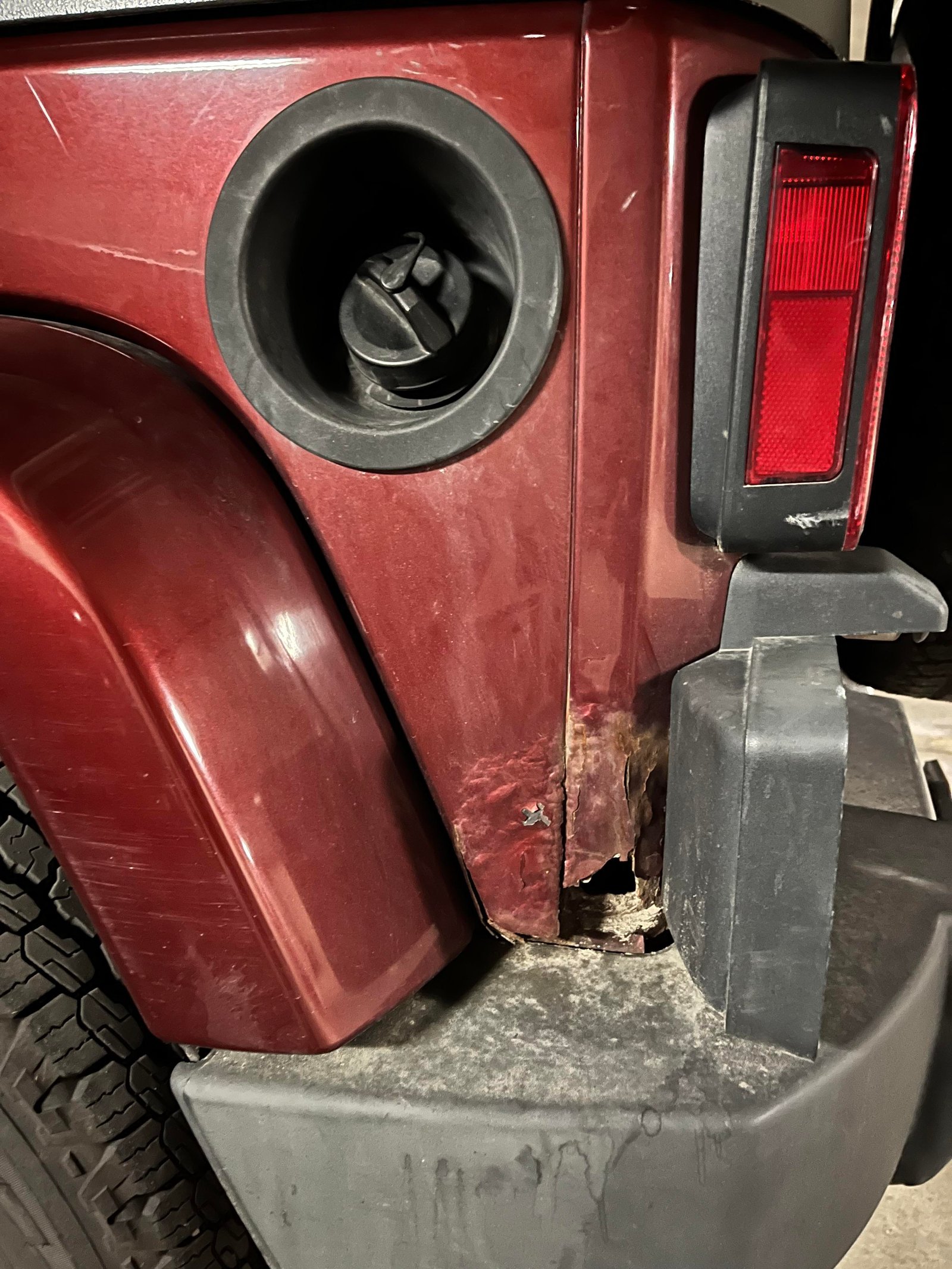
If rust has eaten through the frame or large sections of metal, DIY methods might not be enough. Professional repair can cost $500 $2,000 but ensures safety.
Welding and frame repair need expert skills. For minor surface rust, however, most owners can handle the fix themselves.
You can find more details on rust repair standards at the US Environmental Protection Agency.
Frequently Asked Questions
How Do I Know If Rust Is Too Deep To Fix Myself?
If a screwdriver pushes through the metal or the area feels soft, the rust is likely too deep. Large holes or frame damage should be fixed by a professional.
Can I Use Household Products To Remove Rust?
Some people use vinegar or baking soda, but these are not as effective as automotive rust converters. For lasting results, use products made for metal and cars.
How Can I Prevent Rust From Coming Back?
Wash your Jeep often, especially after driving through salt or mud. Use rustproofing sprays on the undercarriage, and keep drain holes clear.
Is Fixing Rust Worth It For Older Wranglers?
Yes. Even older Jeeps hold value if the body and frame are solid.
Fixing rust can add years to your Wrangler and prevent expensive repairs later.
Does Rust Affect Jeep Safety?
Yes. Rust weakens metal, especially on the frame or suspension parts.
It can cause parts to break during driving. Always fix rust quickly to stay safe.
Fixing rust on a Jeep Wrangler is a practical skill for owners. With the right tools, careful steps, and regular maintenance, you can protect your Jeep from rust and keep it ready for any adventure. Remember—quick action saves time, money, and keeps your Wrangler strong.