If you drive a Jeep Grand Cherokee and the heater stops working, it can quickly turn a comfortable ride into a cold, frustrating trip. A broken heater is more than just an inconvenience—it can also affect visibility by failing to clear foggy windows. The good news is, many heater problems can be fixed with the right approach and some basic tools. This guide shows you step-by-step how to identify and fix common heater issues in a Jeep Grand Cherokee, from simple checks to more advanced repairs.
Understanding How The Heater Works
The heater in your Grand Cherokee relies on hot coolant from the engine. This coolant passes through a heater core, which acts like a small radiator behind the dashboard. A fan blows air over the heater core, sending warm air into the cabin. If any part of this system fails, you may lose heat.
Common Reasons The Heater Fails
Several issues can cause the heater to stop working:
- Low coolant level – Not enough coolant means less heat for the heater core.
- Air in the cooling system – Air pockets can block the flow of hot coolant.
- Faulty thermostat – If the thermostat is stuck open, the engine (and heater) may never get warm.
- Clogged heater core – Debris or old coolant can block heat flow.
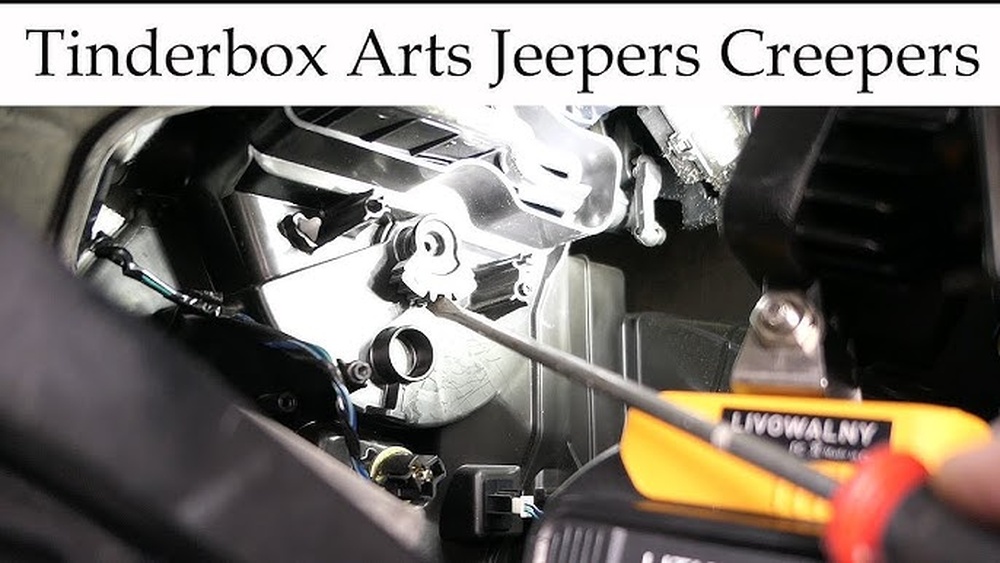
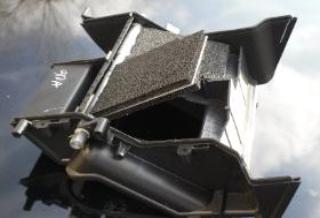
- Broken blend door or actuator – These direct air over the heater core; if stuck, you get no heat.
- Failed blower motor – If the fan doesn’t work, no warm air reaches you.
Quick Diagnostic Steps
Before you start repairs, try these checks:
- With the engine warm, touch both heater hoses under the hood. If one is hot and the other is cold, the heater core may be clogged.
- Check if the coolant reservoir is full. Low coolant often means a leak.
- Turn the fan and temperature controls. If you hear clicking or nothing happens, the blend door actuator may be bad.
How To Fix Common Heater Problems
1. Topping Up Coolant
A low coolant level is a common, easy-to-fix cause. Make sure the engine is cool before opening the radiator cap.
- Open the hood and locate the coolant reservoir.
- Add a 50/50 mix of antifreeze and water until full.
- Run the engine with the heater on high for a few minutes.
- Check for leaks under the car.
2. Bleeding Air From The Cooling System
Air pockets can block heat. Bleeding the system removes air:
- Start with a cool engine.
- Open the radiator cap.
- Start the engine and turn the heater to max.
- Let the engine run until it reaches normal temperature. Watch for air bubbles leaving the radiator.
- Add coolant as needed and close the cap.
3. Replacing The Thermostat
A bad thermostat can keep the engine from heating up. Here’s a basic process:
- Drain some coolant (about 1 quart).
- Find the thermostat housing (where the upper radiator hose meets the engine).
- Remove the housing and swap the old thermostat for a new one.
- Reinstall and fill with coolant.
- Run the engine and check for leaks.
4. Flushing A Clogged Heater Core
If the heater core is clogged, you can try flushing it:
- Disconnect both heater hoses at the firewall.
- Use a garden hose to gently flush water through the core, first one way, then the other.
- Reconnect the hoses and refill coolant.
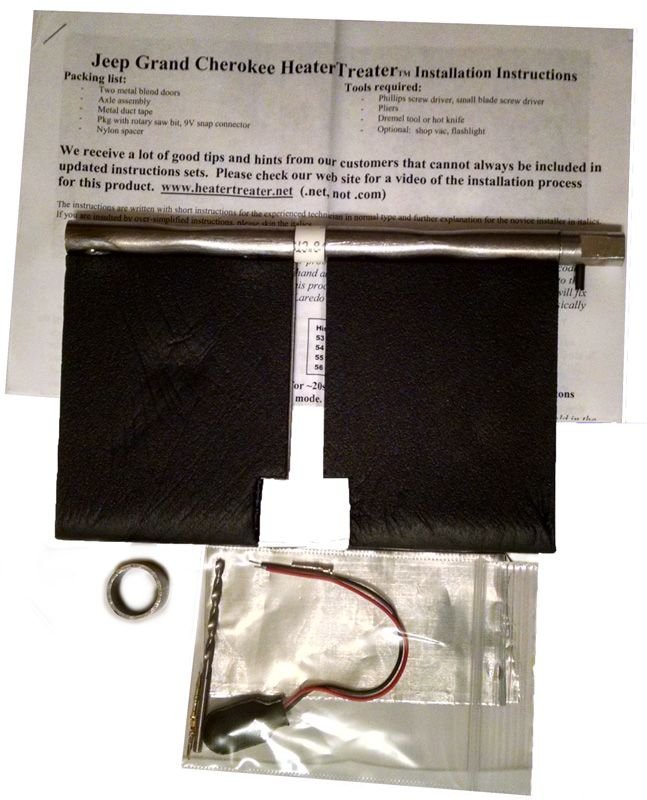
5. Replacing Blend Door Actuator
If air only blows cold or you hear clicking behind the dash, the blend door actuator may be bad.
- Find the actuator under the dash (usually on the passenger side).
- Disconnect the wiring and remove the screws.
- Install the new actuator.
- Test the controls before reassembling trim.
Pro tip: Some actuators are hard to reach. Check online forums for Grand Cherokee-specific tips before starting.

When To Call A Professional
Some heater repairs are best left to a mechanic. For example, replacing the heater core often requires removing the dashboard, which is complex and time-consuming.
If you smell coolant inside the vehicle or see wet carpets, the core may be leaking and needs expert help.
Cost Comparison: Diy Vs. Mechanic
Here’s what you might spend fixing a Grand Cherokee heater yourself versus taking it to a shop:
| Repair | DIY Cost | Mechanic Cost |
|---|---|---|
| Top off coolant | $15–$30 | $50–$100 |
| Replace thermostat | $25–$50 | $150–$300 |
| Heater core flush | $0–$40 | $80–$250 |
| Blend door actuator | $20–$80 | $200–$400 |
Signs Of A Failing Heater Core
Knowing when your heater core is going bad can save you time and money:
- Sweet smell inside the car (coolant leak)
- Windows fog up quickly
- Wet passenger-side floor
- Engine overheating
If you notice these, act fast to avoid expensive engine damage.
Choosing The Right Coolant
Always use the correct coolant for your Jeep. Using the wrong type can cause corrosion and blockages.
| Year | Coolant Type |
|---|---|
| 1993–2004 | Green, HOAT or traditional antifreeze |
| 2005–2010 | Orange, HOAT coolant |
| 2011–present | Purple, OAT coolant |
Tip: Always check your owner’s manual before adding coolant.
Essential Tools And Supplies
Gather these before starting any repair:
- Screwdrivers and pliers
- Socket set
- Catch pan for old coolant
- Shop rags
- New coolant (see table above)
- Replacement parts (thermostat, actuator, etc.)
Having the right tools on hand will make the repair go much smoother.
Preventing Future Heater Problems
To keep your heater running well:
- Check coolant level every month.
- Flush the cooling system every 2–3 years.
- Use the correct coolant type.
- Fix small leaks before they get worse.
Many owners forget that regular cooling system maintenance is essential for both engine and heater health.
Frequently Asked Questions
Why Does My Jeep Grand Cherokee Only Blow Cold Air?
This often means there is a blend door problem, low coolant, or a stuck-open thermostat. Start by checking coolant level and temperature controls.
How Do I Know If My Heater Core Is Clogged?
If one heater hose is cold and the other is hot, the heater core may be blocked. Also, poor heat and a sweet smell inside are warning signs.
Can I Drive With A Broken Heater?
Yes, but it’s not recommended. A failed heater can signal cooling system problems, which may lead to engine overheating and bigger repairs.
How Long Does It Take To Fix The Heater?
Simple repairs like topping coolant take 10–30 minutes. Replacing a thermostat or actuator may take 1–2 hours. Replacing the heater core can take several hours.
Where Can I Find More Information On My Jeep’s Heater System?
For more details, visit the official Jeep owner’s manual site for diagrams and service tips.
Fixing the heater in your Jeep Grand Cherokee can be straightforward if you start with the basics and use the right parts. Regular checks and early repairs keep your vehicle comfortable and safe, even in the coldest months.