Few things are scarier than feeling your Jeep shake and wobble violently on the road. The death wobble Jeep problem is real, and it affects many drivers, especially those with lifted or modified Jeeps.
If you have ever felt your steering wheel bounce out of your hands after hitting a bump, you know the worry. But there’s good news: you can fix death wobble, often without spending a fortune.
This guide gives clear steps, practical advice, and beginner-friendly explanations. Let’s get your Jeep stable and safe again.
What Is Death Wobble In A Jeep?
The death wobble is a sudden, strong shaking of your Jeep’s front wheels. It usually happens at speeds over 40 mph, after hitting a pothole or rough patch. The steering wheel shakes hard, making it hard to control the vehicle. Death wobble isn’t just annoying, it’s dangerous. Drivers often pull over quickly, worried the wheels will fall off. It’s most common in Jeep Wrangler, Jeep Cherokee, and other solid front axle models.
Key Symptoms
- Strong, rapid steering wheel shake
- Front tires and suspension shaking
- Loss of control, especially at high speeds
- Wobble triggered by bumps or uneven roads
Why Does Death Wobble Happen? Common Causes
Death wobble is not caused by just one thing. Usually, it’s a mix of worn parts and bad alignment. Here are the main causes:
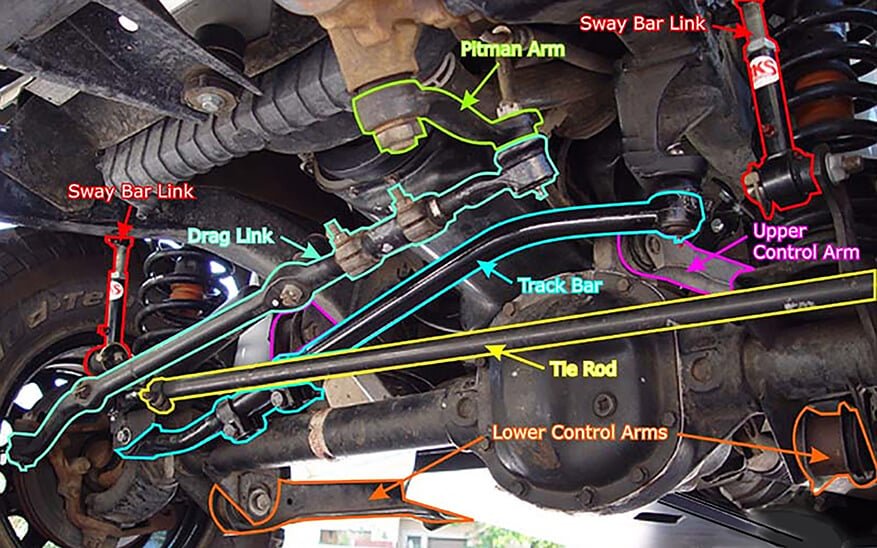
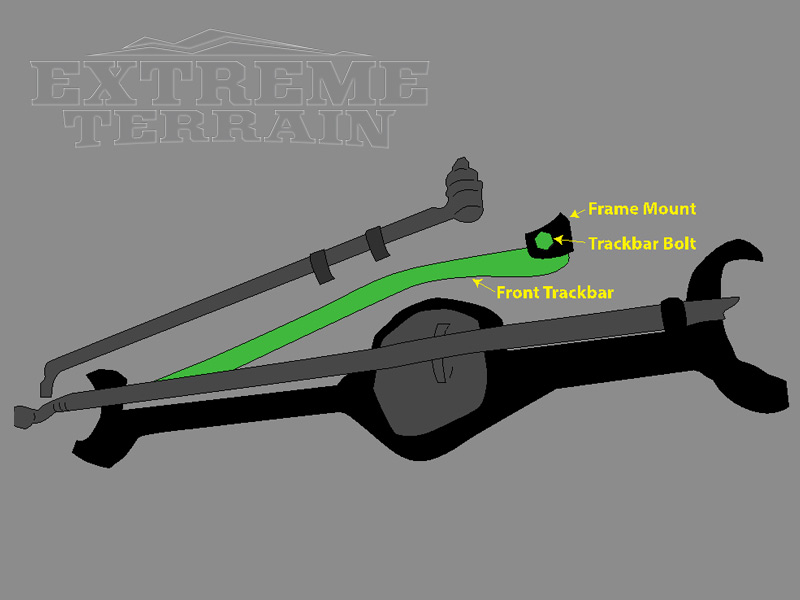
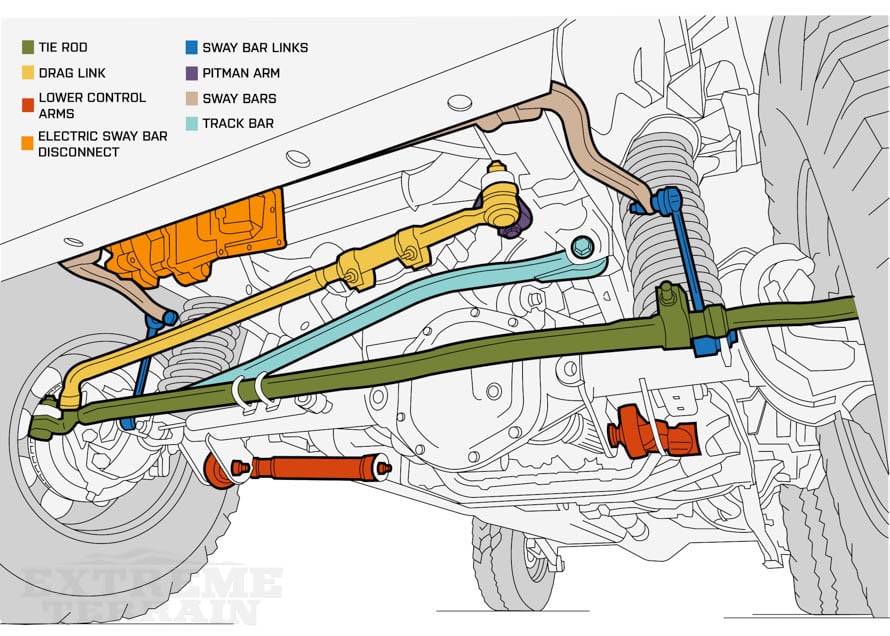
- Loose track bar: The track bar keeps the axle centered. If bolts are loose or bushings are worn, the axle moves side to side.
- Worn ball joints: These connect the wheels to the suspension. If they’re loose, the wheels shake.
- Bad tie rod ends: They link the steering to the wheels. Worn tie rod ends cause play in steering.
- Damaged wheel bearings: These allow wheels to spin smoothly. If bad, they add vibration.
- Improper alignment: Wrong angles make the tires fight each other.
- Unbalanced tires: Tires that aren’t balanced can shake at speed.
- Lift kits or modifications: Aftermarket parts can change suspension geometry, causing extra stress.
- Worn bushings: Rubber bushings absorb shock. If cracked, they let parts move too much.
Step-by-step Guide: How To Fix Death Wobble Jeep
Fixing death wobble takes patience and a bit of detective work. Follow these steps, starting with the most common problems.
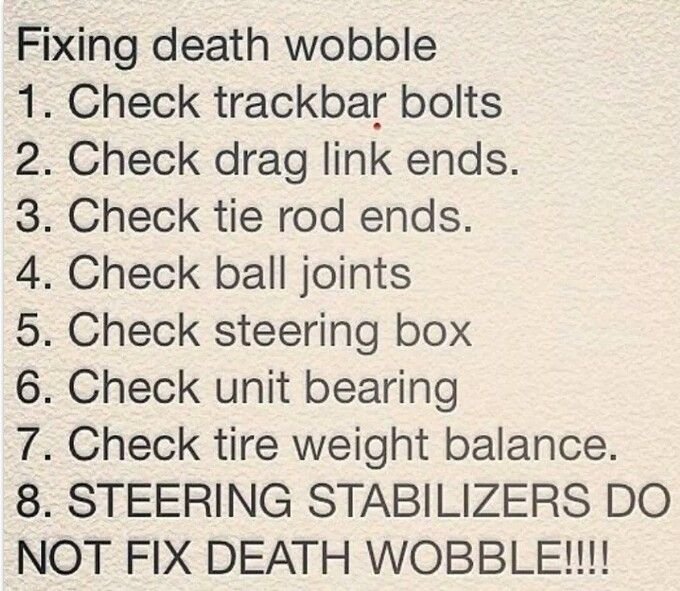
1. Inspect And Tighten Track Bar
The track bar is often the main cause. Look for loose bolts or damaged bushings.
- Use a wrench to check if bolts are tight.
- Look for cracks or damage in bushings.
- Replace bushings if worn out.
2. Check Ball Joints And Tie Rod Ends
Worn ball joints and tie rod ends cause play in the steering.
- Jack up the Jeep and grab the tire at 12 and 6 o’clock. Try to rock it. If it moves, ball joints may be bad.
- Grab the tire at 3 and 9 o’clock. Movement means tie rod ends are worn.
- Replace any parts with too much play.
3. Inspect Wheel Bearings
Bad wheel bearings create vibration.
- Spin the wheel by hand. Listen for grinding or roughness.
- Check for side-to-side movement.
- Replace bearings if needed.
4. Get A Professional Alignment
Proper alignment is critical for stability.
- Ask for a “caster adjustment.” Jeeps need higher caster angles (usually 4 to 6 degrees).
- Make sure toe-in is set correctly. Most Jeeps need slight toe-in.
5. Balance And Rotate Tires
Unbalanced tires can trigger wobble.
- Ask a tire shop to balance all four tires.
- Rotate tires if uneven wear is seen.
6. Replace Worn Suspension Bushings
Old bushings let suspension parts move too much.
- Look for cracks, dry rot, or missing pieces.
- Upgrade to polyurethane bushings for longer life.
7. Inspect Steering Damper
The steering damper (shock) helps absorb vibration.
- Check for leaks or weak damping.
- Replace with a heavy-duty damper if needed.
8. Examine Aftermarket Parts
Lift kits and bigger tires change suspension angles.
- Make sure all brackets are installed correctly.
- Use adjustable track bars if needed.
9. Check Frame And Axle Mounts
Sometimes, the mounts holding the suspension are damaged.
- Look for cracks or rust around mounting points.
- Weld or repair as needed.
Jeep Death Wobble: Cost Comparison
Repair costs can vary a lot. Here’s a quick look at average prices for common fixes:
| Part | DIY Cost | Shop Cost | Time Needed |
|---|---|---|---|
| Track Bar Replacement | $50, $150 | $200, $350 | 1 to 2 hours |
| Ball Joints | $40, $120 | $200, $400 | 2 to 4 hours |
| Tie Rod Ends | $30, $100 | $150, $250 | 1 to 2 hours |
| Wheel Bearings | $50, $100 | $200, $300 | 2 to 3 hours |
| Steering Damper | $40, $80 | $120, $200 | 1 hour |
| Alignment | N/A | $75, $150 | 1 to 2 hours |
| Bushing Replacement | $20, $80 | $150, $300 | 2 to 4 hours |
Pros And Cons Of Diy Vs Professional Repair
Choosing between fixing death wobble yourself or hiring a shop depends on your skills and budget.
| DIY Repair | Professional Repair |
|---|---|
| – Lower cost – Learn new skills – Flexible timing | – Faster – Expert diagnosis – Warranty on work |
| – Need tools – Can miss hidden issues – Takes time | – More expensive – Less hands-on – May upsell extra repairs |
Two Non-obvious Insights Beginners Miss
- Caster angle matters more than you think: Many people focus only on worn parts, but the caster angle (how much the steering pivots tilt backward) is critical. Too little caster causes wobble. Ask for a caster check during alignment.
- Track bar bolts often loosen after off-roading: Even after tightening, rough trails can shake bolts loose. Mark the bolts with paint and check them every few months.
Common Mistakes When Fixing Death Wobble
- Replacing the steering damper without checking the track bar. The damper hides symptoms but doesn’t fix root causes.
- Ignoring tire balance. Even new tires need balancing, especially after hitting potholes.
- Forgetting to check alignment after changing suspension parts.
- Using cheap replacement parts that wear out quickly.
Jeep Models Most Affected
Not all Jeeps have the same risk. The Wrangler (TJ, JK, JL) and Cherokee (XJ) are most prone to death wobble due to their solid front axle. Models with independent suspension (like Grand Cherokee) rarely have this problem.
Example: Wrangler Jk Owner’s Story
Sarah, a Jeep Wrangler JK owner, installed a lift kit and bigger tires. Two months later, she felt the steering wheel shake violently after hitting a bump.
She checked the track bar and found loose bolts. Tightening them fixed the wobble but only for a week.
After checking alignment and replacing worn bushings, the wobble stopped for good.
Tips To Prevent Death Wobble In The Future
- Inspect suspension after every off-road trip.
- Use quality parts, cheap bushings and joints wear faster.
- Balance and rotate tires every 6,000 miles.
- Mark track bar bolts with paint to spot loosening.
- Get an alignment after changing suspension height or tire size.
Death Wobble Vs. Normal Vibration: How To Tell
Normal vibrations are mild and steady. Death wobble is violent and sudden. Here’s how they compare:
| Death Wobble | Normal Vibration |
|---|---|
| – Sudden shake – Hard steering – Loss of control – Triggered by bumps | – Mild shaking – Easy to steer – No loss of control – Often steady at speed |
When To Seek Professional Help
If you’ve checked all the basics and the wobble remains, go to a specialist. Shops with 4×4 experience know how to spot hidden problems. If you’re unsure, it’s safer to ask an expert. For more background on suspension issues, see Wikipedia.
<!– wp:rank-math/faq-block {"questions":[{"id":"faq-question-a5b6a70e13d1","title":"What Is Death Wobble In A Jeep?","content":"Death wobble is a violent shaking of the front wheels, usually caused by loose or worn suspension parts. It’s most common in Jeeps with solid front axles and can be dangerous.
“,”visible”:true},{“id”:”faq-question-e0b06ffdec35″,”title”:”Can Death Wobble Be Fixed Permanently?”,”content”:”Yes, if you find and repair the root cause. This usually means tightening or replacing suspension parts, correcting alignment, and balancing tires.
“,”visible”:true},{“id”:”faq-question-92061475cf8d”,”title”:”Is It Safe To Drive With Death Wobble?”,”content”:”No. Death wobble makes your Jeep hard to control and can lead to accidents. Pull over and fix the problem before driving again.
“,”visible”:true},{“id”:”faq-question-da4e96f0e770″,”title”:”How Much Does It Cost To Fix Death Wobble?”,”content”:”Costs range from $75 for simple fixes to $400+ for major repairs. Most problems can be solved for $200 $300 if you do the work yourself.
“,”visible”:true},{“id”:”faq-question-1094e9c02756″,”title”:”Will Bigger Tires Cause Death Wobble?”,”content”:”Bigger tires alone don’t cause death wobble, but they can add stress to suspension parts and make existing problems worse. Always check alignment and suspension after installing new tires.
“,”visible”:true}]} –>What Is Death Wobble In A Jeep?
Death wobble is a violent shaking of the front wheels, usually caused by loose or worn suspension parts. It’s most common in Jeeps with solid front axles and can be dangerous.
Can Death Wobble Be Fixed Permanently?
Yes, if you find and repair the root cause. This usually means tightening or replacing suspension parts, correcting alignment, and balancing tires.
Is It Safe To Drive With Death Wobble?
No. Death wobble makes your Jeep hard to control and can lead to accidents. Pull over and fix the problem before driving again.
How Much Does It Cost To Fix Death Wobble?
Costs range from $75 for simple fixes to $400+ for major repairs. Most problems can be solved for $200 $300 if you do the work yourself.
Will Bigger Tires Cause Death Wobble?
Bigger tires alone don’t cause death wobble, but they can add stress to suspension parts and make existing problems worse. Always check alignment and suspension after installing new tires.
Final Thoughts
Fixing death wobble Jeep problems is possible, even for beginners. Start with the basics: check your track bar, ball joints, and alignment. Use quality parts and inspect often, especially after off-roading or adding new tires. Don’t let the wobble scare you, most fixes are simple, and your Jeep can drive safely again. If you ever feel unsure, ask a specialist. A smooth, steady drive is possible with the right care.
Meta Title: How to Fix Death Wobble Jeep: Step-by-Step Guide for Beginners
Meta Description: Learn how to fix death wobble Jeep problems with clear steps, expert tips, and cost comparisons. Stop dangerous shakes and drive safely again. Beginner-friendly guide with FAQs.