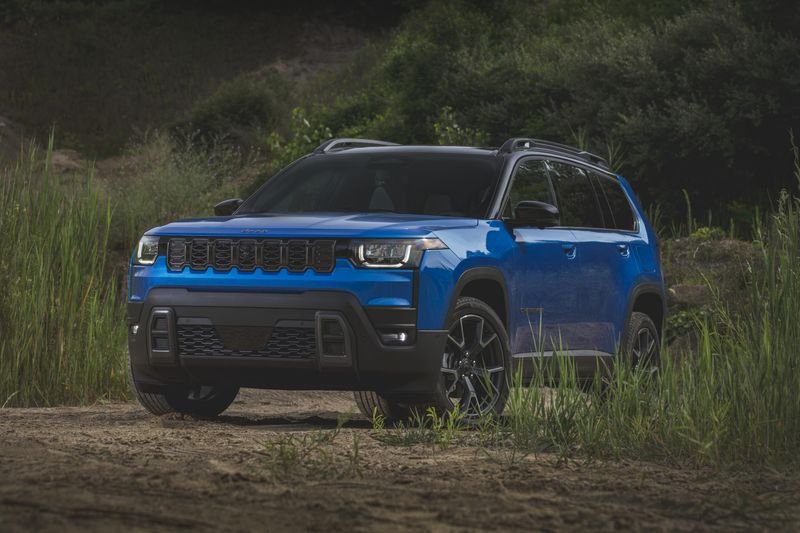
If you own a Jeep, you know it’s more than just a vehicle it’s an adventure partner. Jeeps are famous for their ruggedness and ability to handle tough roads, but like any machine, they can face problems.
Fixing a Jeep might seem hard at first, especially if you’re new to car repairs or maintenance.
But with some basic tools, the right approach, and a bit of confidence, you can solve many common Jeep issues yourself.
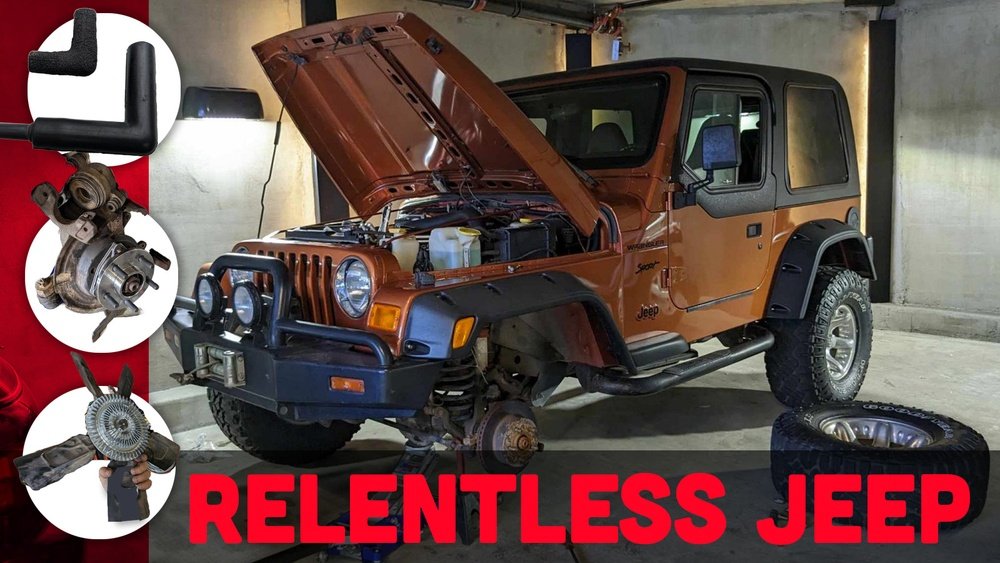
This guide will show you how to fix a Jeep, step by step, so you can keep your ride running strong, save money, and enjoy peace of mind on and off the road.
Diagnosing Common Jeep Problems
Before fixing anything, you need to know what’s wrong. Jeeps can have unique problems, especially if you drive them on rough terrain. Here’s how to start:
- Listen for strange noises like clunks, squeaks, or rattles. These can point to suspension or drivetrain issues.
- Watch for dashboard warning lights. The “check engine” light is common and can mean many things.
- Check for leaks under your Jeep. Fluids like oil, coolant, or transmission fluid leave clear marks.
- Test the electrical systems. If your headlights, radio, or power windows don’t work, there may be a wiring issue.
If you’re unsure, using an OBD-II scanner can help. Plug this tool into your Jeep (usually under the dashboard) to read error codes. This gives you a clue about what needs attention.
Table: Common Jeep Warning Lights And Their Meaning
| Warning Light | What It Means | Possible Fix |
|---|---|---|
| Check Engine | Engine issue, emissions problem | Scan codes, inspect sensors |
| Oil Pressure | Low oil or pressure problem | Check oil level, inspect for leaks |
| Battery/Charging | Battery or alternator issue | Test battery, check alternator |
| ABS | Brake system problem | Inspect brakes, ABS sensors |
Essential Tools And Supplies
You don’t need a full mechanic’s shop to work on a Jeep, but a few tools make repairs much easier:
- Socket and wrench set (metric and standard)
- Screwdrivers (flathead and Phillips)
- Jack and jack stands
- Tire iron
- OBD-II scanner
- Pliers and wire cutters
- Work gloves and safety glasses
- Funnel, rags, and drip pan
If you plan to do more advanced repairs, items like a torque wrench or impact driver can help. Always check your Jeep’s manual for tool sizes and specifications.
Fixing Common Jeep Issues
Engine Won’t Start
If your Jeep won’t start, check these basics first:
- Battery: Make sure the battery terminals are clean and tight. If your battery is old (over 4 years), it might need replacing.
- Starter motor: Listen for a “click” when you turn the key. If you hear nothing, the starter or ignition switch could be bad.
- Fuel: Make sure you have fuel and that the fuel pump is working. Turn the key to “on” and listen for a faint hum from the gas tank.
A practical tip: Many Jeep owners forget that a loose battery cable is a common cause of no-start problems.
Overheating Engine
Jeeps, especially older models, can overheat if the cooling system isn’t maintained. Here’s what to do:
- Check coolant level. Only open the radiator cap when the engine is cool.
- Inspect for leaks. Look at hoses and the radiator for cracks or drips.
- Test the thermostat. If your Jeep overheats quickly, the thermostat may be stuck.
- Clean the radiator fins. Dirt and mud can block airflow.
If you drive off-road a lot, clean your radiator regularly even small debris can cause overheating.
Suspension And Steering Problems
Jeep suspensions take a beating. If you notice your Jeep pulling to one side or hear knocking noises, check these parts:
- Ball joints and tie rods for wear or play
- Shock absorbers for leaks or damage
- Control arms and bushings for cracks
Replacing worn parts early can prevent bigger, more expensive repairs.
Brakes Feel Soft Or Noisy
Brakes are critical for safety. If your pedal feels soft or you hear grinding, take these steps:
- Check brake fluid. Low fluid can cause soft brakes.
- Inspect pads and rotors. Worn pads or scored rotors need replacing.
- Bleed the brakes if you’ve replaced parts or fluid to remove air.
A non-obvious insight: Many Jeep owners ignore the rear brakes, but they wear out too—inspect both front and back.
Basic Jeep Maintenance
Prevention is the best fix. Regular maintenance keeps your Jeep reliable:
- Oil changes every 3,000–5,000 miles
- Check and rotate tires every 5,000–7,000 miles
- Replace air and fuel filters regularly
- Inspect belts and hoses for cracks
- Grease suspension parts if your Jeep has grease fittings
Table: Jeep Maintenance Schedule Comparison
| Maintenance Task | Interval (Miles) | Notes |
|---|---|---|
| Oil Change | 3,000–5,000 | Use Jeep-approved oil |
| Tire Rotation | 5,000–7,000 | Helps even tire wear |
| Brake Inspection | 10,000–12,000 | Check pads, rotors, fluid |
| Coolant Check | Every oil change | Top up as needed |
Troubleshooting Electrical Issues
Electrical problems can be tricky. Here’s how to approach them:
- Check fuses. If something stops working, the fuse box is the first place to look.
- Inspect wiring. Off-road driving can damage wires.
- Test the battery and alternator. Use a multimeter; your battery should read around 12.6 volts.
A common mistake: Replacing parts without checking the ground connections. Bad grounds cause many Jeep electrical problems.
Dealing With Jeep-specific Problems
Jeeps, especially Wranglers, have some unique quirks.
The “death Wobble”
This is a violent shaking of the steering wheel, often after hitting a bump at highway speed. Causes include:
- Worn track bar bushings
- Loose tie rod ends
- Out-of-balance tires
Tighten all steering and suspension bolts to factory specs. Replace worn parts immediately.
The “death wobble” can be scary but is fixable.
Water Leaks
Jeeps with removable tops sometimes leak after heavy rain or car washes. To fix:
- Check weatherstripping around doors and windows
- Inspect drain holes for blockages
- Adjust the soft or hard top for a tighter seal
Using silicone spray on seals can help prevent leaks.
Table: Common Jeep Models And Their Typical Problems
| Jeep Model | Frequent Issue | Fix Level |
|---|---|---|
| Wrangler (TJ, JK) | Death wobble, oil leaks | Intermediate |
| Cherokee (XJ) | Electrical faults, overheating | Beginner–Intermediate |
| Grand Cherokee | Transmission issues | Advanced |
| Renegade | Sensor failures | Beginner |
When To Call A Professional
Not every Jeep problem is a DIY job. Call a mechanic if:
- You hear loud knocking from the engine
- The transmission slips or won’t shift
- Airbags or advanced electronics fail
- You’re not comfortable with the repair
Trying to fix complex problems without enough skill can make things worse and might void your warranty.
Tips For Successful Jeep Repairs
- Always use quality replacement parts. Cheap parts don’t last long.
- Keep a repair manual or guide for your specific Jeep model.
- Take photos before disassembling anything—you’ll remember how things fit together.
- Join online Jeep forums. They have advice from real owners who’ve fixed similar issues.
- Test drive after every repair to make sure the problem is solved.
Non-obvious Insights Jeep Owners Often Miss
- Rust prevention is crucial. Jeeps are prone to rust, especially in wet climates. Wash the underside often, especially after off-road trips.
- Suspension alignment matters. After replacing any steering or suspension part, always get an alignment. Bad alignment can cause premature tire wear and steering problems.
Frequently Asked Questions
What Is The “death Wobble” In A Jeep And How Do I Fix It?
The death wobble is a violent shaking in the steering wheel, usually after hitting a bump at higher speeds. It’s often caused by worn suspension or steering parts like the track bar or tie rods. To fix it, check and tighten all suspension bolts, replace any worn parts, and make sure your tires are properly balanced.
How Often Should I Change The Oil In My Jeep?
For most Jeeps, you should change the engine oil every 3,000 to 5,000 miles, but always check your owner’s manual. If you drive off-road or in extreme conditions, change it more often.
Why Is My Jeep Overheating?
An overheating engine can be caused by low coolant, a faulty thermostat, a blocked radiator, or a broken water pump. Check these parts first. If you drive through mud or sand, clean your radiator regularly to prevent blockages.
What Should I Do If My Jeep’s 4×4 System Isn’t Working?
If your 4×4 system won’t engage, check the transfer case fluid, inspect the linkage, and make sure the indicator light works. Sometimes, a sensor or actuator might fail, especially in newer models.
Where Can I Find Reliable Jeep Repair Information?
Your Jeep owner’s manual is a great starting point. For more details, use official Jeep repair guides or trusted forums. The Jeep Official Maintenance Page offers schedules and advice for most Jeep models.
Owning and fixing a Jeep is rewarding. With the right knowledge and tools, you can keep your Jeep running strong for years.
Always stay safe, learn from each repair, and never hesitate to ask for expert help when needed.