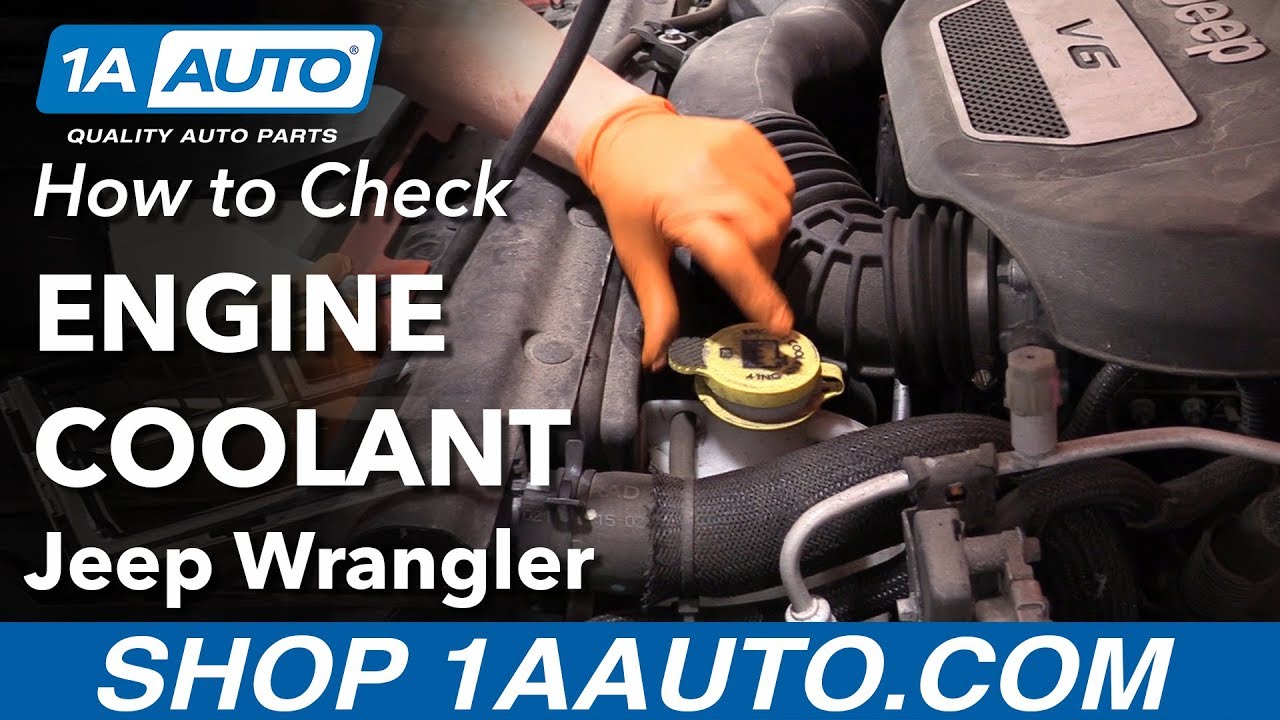
If you own a Jeep Wrangler, keeping your engine cool is essential for smooth driving and long engine life. The coolant system is what protects your engine from overheating or freezing. But many new Jeep owners feel nervous about touching the coolant system. The good news? Filling Jeep Wrangler coolant is a simple job if you follow the right steps. You don’t need special tools—just basic care and patience. In this guide, you’ll learn how to fill coolant safely, what mistakes to avoid, and why proper coolant matters for your Jeep.
Understanding Jeep Wrangler Coolant
Coolant, also called antifreeze, is a liquid that flows through your engine and radiator. It absorbs heat, then releases it through the radiator. For the Jeep Wrangler, most models use a 50/50 mix of antifreeze and water. This mix protects your engine from both extreme heat and cold.
Types Of Coolant
Not all coolants are the same. Jeep Wranglers usually require OAT (Organic Acid Technology) coolant, which is orange. Using the wrong type can cause engine damage or corrosion.
| Coolant Type | Color | Suitable For |
|---|---|---|
| OAT | Orange | Jeep Wrangler (2012+) |
| HOAT | Yellow | Older Jeep models |
| IAT | Green | Classic cars |
Always check your Jeep’s manual for the right coolant. Mixing coolants is a common beginner mistake and can reduce protection.
Preparing To Fill Coolant
Before you start, gather the right supplies:
- Coolant (OAT for most Wranglers)
- Distilled water (if not using pre-mixed coolant)
- Gloves and safety glasses
- Rag for spills
Let your engine cool completely. Opening the radiator or reservoir when hot can cause burns from steam or hot fluid. This step is non-negotiable.
Checking Coolant Level
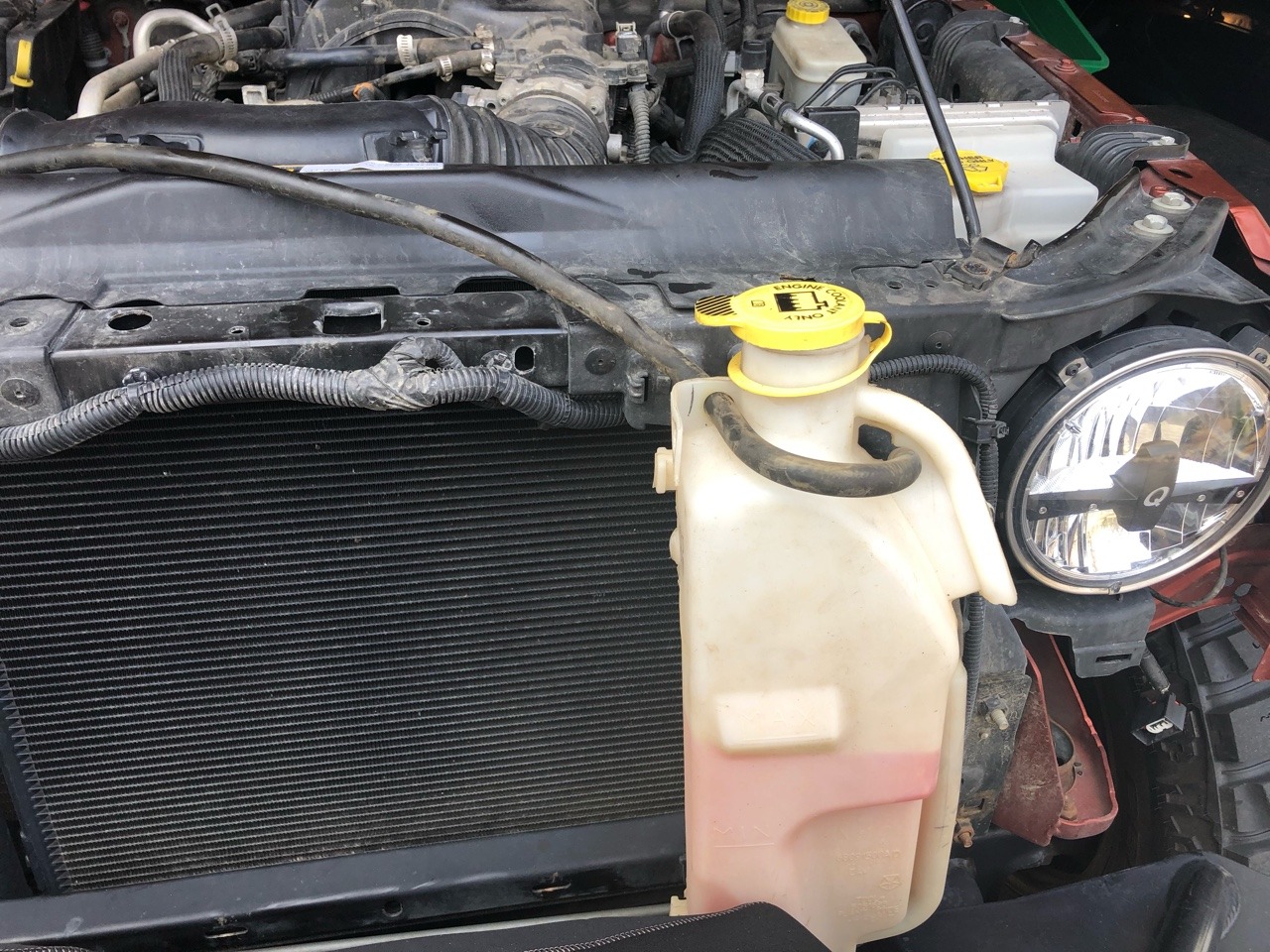
Look at the coolant reservoir (usually a white plastic tank beside the radiator). You’ll see “Full” and “Low” marks. If your coolant is below “Low,” it’s time to fill.
Step-by-step Guide: Filling Jeep Wrangler Coolant
1. Open The Hood
Find the hood release inside your Jeep. Open and secure the hood.
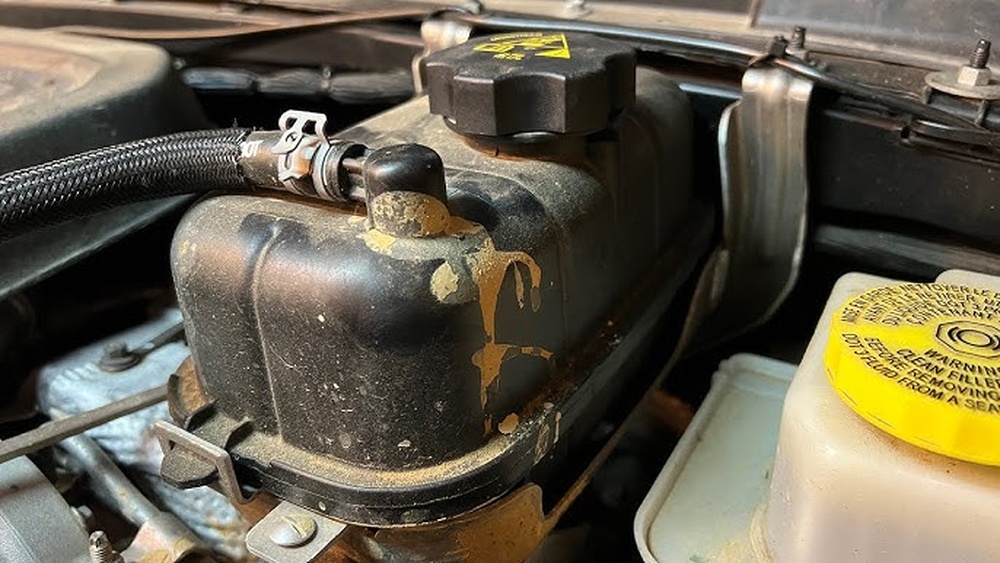
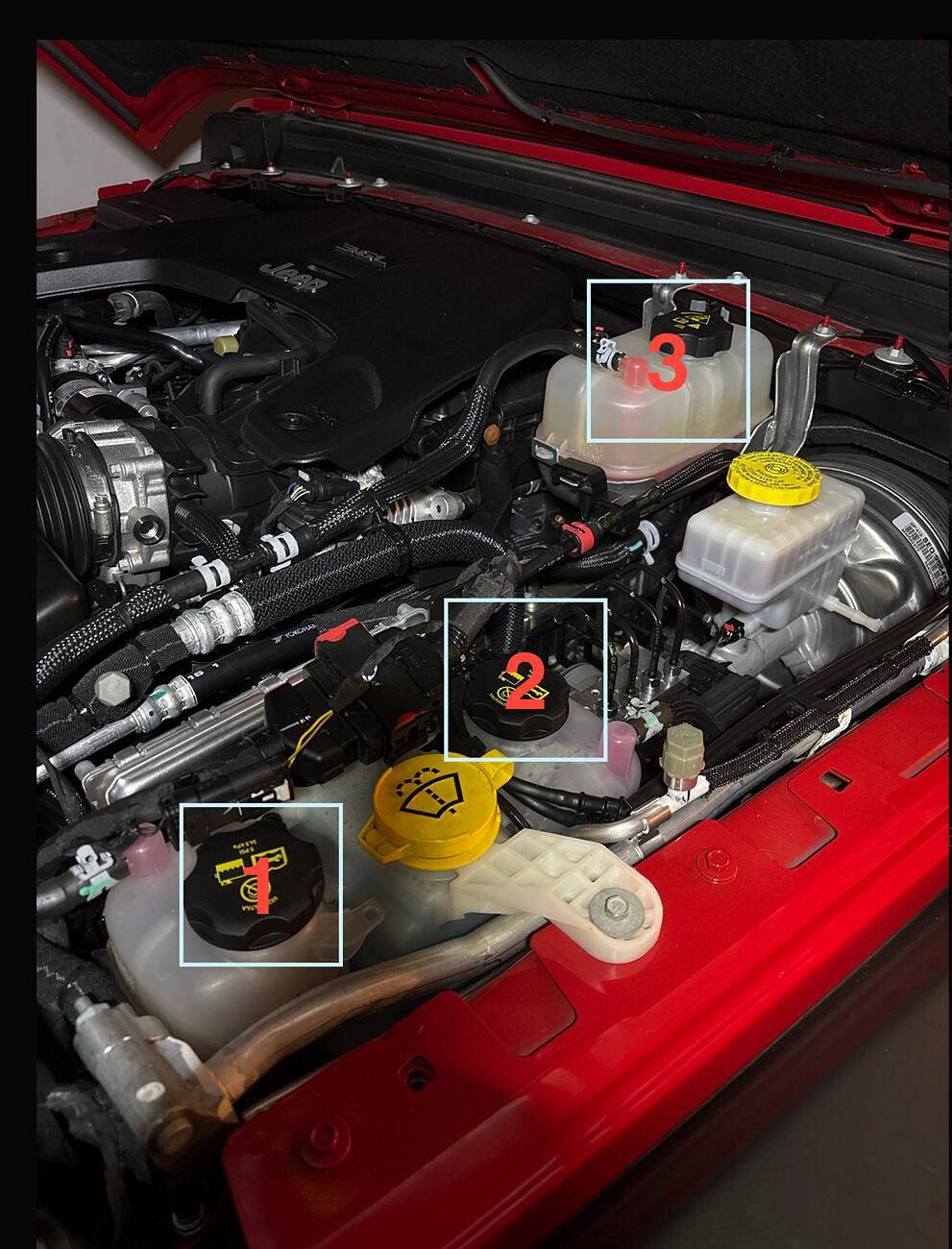
2. Find The Reservoir Cap
The coolant reservoir has a cap with a warning label. Do not open the radiator cap unless the engine is cool.
3. Remove The Cap Carefully
Twist slowly. If you feel pressure or see steam, stop and wait longer.
4. Pour Coolant Into Reservoir
Pour slowly to avoid spills. Fill until the liquid reaches the “Full” mark.
If you use concentrated coolant, mix with distilled water (50/50 ratio).
5. Check For Leaks
Look under your Jeep for drips. Leaks often mean a damaged hose or loose clamp.
6. Replace The Cap
Tighten securely. A loose cap can let air in, causing overheating.
7. Start The Engine
Let it run for a few minutes. Watch the temperature gauge.
If it rises above normal, stop the engine.
8. Recheck Coolant Level
After the engine cools again, check the level. Sometimes air bubbles cause the level to drop after the first fill.
Practical Example
Suppose your 2018 Jeep Wrangler shows coolant below “Low.” You buy OAT coolant, pour until “Full,” then notice the level drops after driving. This is normal—air escapes, so top off again after cooling.
Common Mistakes To Avoid
Many beginners miss these points:
- Never use tap water; minerals can damage the cooling system.
- Don’t overfill; too much coolant can cause pressure and leaks.
- Avoid mixing coolant types; stick to what your manual recommends.
- Don’t skip checking for leaks after filling.
| Mistake | Possible Damage |
|---|---|
| Using tap water | Corrosion, mineral buildup |
| Mixing coolants | Reduced protection, sludge |
| Overfilling | Leaks, pressure damage |
How Often Should You Fill Coolant?
Most Jeep Wranglers need coolant checked every 12,000 miles or at least twice a year. If you live in very hot or cold places, check more often. A low coolant level can mean a leak—don’t ignore it.
Extra Tips For Beginners
- Use a funnel to avoid spills.
- Buy pre-mixed coolant if unsure about ratios.
- If your coolant looks rusty or brown, flush and refill the system—don’t just top off.
Another insight: Some Wranglers have a bleeder valve. This helps remove air after filling. If your model has one, open it while filling, then close when coolant flows steadily.
When To Seek Help
If you notice:
- Coolant drops quickly after filling
- White smoke from the exhaust
- Overheating even after topping up
These signs can mean a serious problem like a head gasket leak. In these cases, visit a mechanic or check the Jeep forums for advice. For detailed info, see the Jeep Official Owner’s Manual.
Frequently Asked Questions
What Type Of Coolant Does A Jeep Wrangler Use?
Most modern Jeep Wranglers use OAT coolant (orange). Older models may use HOAT (yellow). Always check your manual before buying.
Can I Mix Different Coolant Brands?
No. Mixing brands or types (OAT, HOAT, IAT) can cause sludge or reduce protection. Use one type and brand as recommended.
How Do I Know If My Coolant Is Low?
Look at the reservoir tank. If the liquid is below the “Low” mark, or the engine temperature rises, it’s time to fill.
Is It Safe To Drive With Low Coolant?
No. Low coolant can cause overheating, engine damage, and expensive repairs. Fill coolant before driving.
How Much Coolant Does A Jeep Wrangler Need?
Most Wranglers hold about 14 quarts (3.5 gallons) in the full system. For topping off, fill to the “Full” mark on the reservoir.
Keeping your Jeep Wrangler’s coolant at the right level is one of the easiest ways to protect your engine. By following these steps, using the correct coolant, and checking for leaks, you’ll keep your Jeep running strong on every adventure.