Figuring out the right size for tire chains is essential for safety and performance during winter driving. If you use chains that are too small, they won’t fit.
Chains that are too big can slip off or damage your tires.
Many drivers struggle with this task, but it’s easier than you think when you know what to look for. This guide explains simple steps, practical tips, and common mistakes to help you find the correct tire chain size.
Why Tire Chain Size Matters
Using the correct tire chain size protects your tires, improves traction, and keeps you safe. Chains that fit well grip the road, prevent sliding, and avoid damage to your vehicle. In the US, states like Colorado and California require chains for certain roads during snowstorms. According to the National Highway Traffic Safety Administration, chain use can reduce accidents by up to 40% in icy conditions. An incorrectly sized chain can snap, causing costly repairs or even accidents.
Understanding Tire Size Numbers
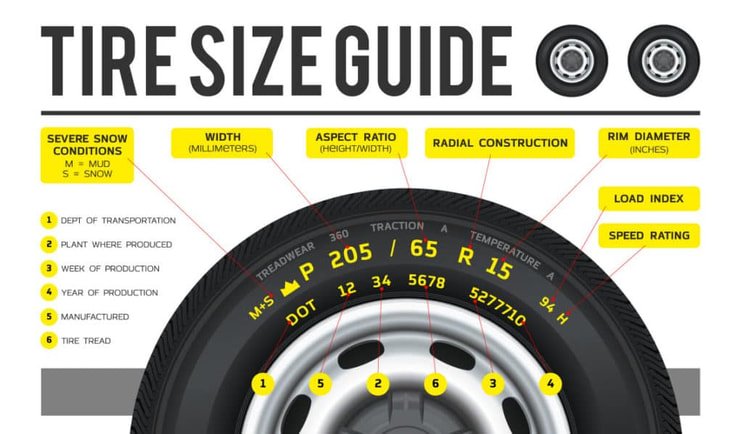
Before buying chains, check your tire size. All tires have size numbers printed on the sidewall. For example, you might see 225/65R17. Here’s what these numbers mean:
- 225: Tire width in millimeters
- 65: Aspect ratio (height as a percentage of width)
- R: Radial construction
- 17: Wheel diameter in inches
Always use these numbers to match tire chains. Here’s a comparison of two common tire sizes:
| Tire Size | Width (mm) | Aspect Ratio (%) | Diameter (inches) |
|---|---|---|---|
| 205/55R16 | 205 | 55 | 16 |
| 225/65R17 | 225 | 65 | 17 |
A chain must fit all three dimensions: width, height, and diameter. Using only one measurement is a common mistake.
How To Find The Right Chain Size
Follow these steps to select the correct tire chains:
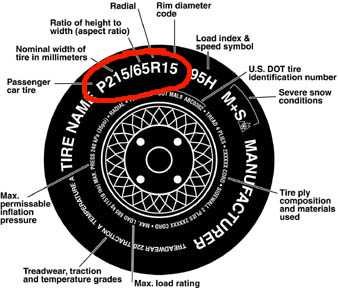
- Read the sidewall: Find the size numbers on your tire’s side. It’s usually a raised sequence.
- Check the chain package: Every chain box shows a list of compatible tire sizes.
- Compare numbers: Match your tire size exactly with the list on the chain box.
- Try fitting: If possible, test the chain before buying. Some stores allow this.
Many drivers only check the wheel diameter, but the width and aspect ratio are equally important. For example, a chain for 205/55R16 will not fit 225/65R17, even though both have “R” and numbers.
Types Of Tire Chains And Fit
There are several types of tire chains. Each works best for different vehicles and conditions:
- Cable chains: Light, flexible, best for cars and light trucks.
- Link chains: Strong, ideal for SUVs and heavy vehicles.
- Automatic tension chains: Adjust automatically, easier to install.
Here’s a quick comparison:
| Chain Type | Vehicle Suitability | Installation Ease | Durability |
|---|---|---|---|
| Cable | Cars, light trucks | Easy | Moderate |
| Link | SUVs, heavy trucks | Moderate | High |
| Automatic Tension | All types | Very Easy | High |
Choose the type based on your vehicle, but always check the sizing chart on the box.
What If You Can’t Find Your Tire Size?
Sometimes, your tire size is not listed on chain packages. In this case:
- Look for universal fit chains, adjustable for many sizes.
- Ask at the store; staff can recommend suitable chains.
- Check the manufacturer’s website for a fitment chart.
You can also use online calculators. Enter your tire numbers, and the website suggests compatible chains. For more details, visit Tire Rack.
Common Mistakes To Avoid
Many beginners make errors when choosing tire chains:
- Ignoring aspect ratio: It’s not enough to match width and diameter.
- Mixing metric and inch sizes: Tire sizes are metric, chain sizes often use inches.
- Assuming “one size fits all”: Universal chains still require adjustment.
- Forgetting vehicle clearance: Some chains are too thick for vehicles with low wheel wells.
If your car has limited space, use low-profile chains. These are thinner but still provide traction.
Practical Tips For Measuring And Fitting
- Measure your tire at home using a tape measure if numbers are worn off.
- Always check both front and rear tires; sizes may differ.
- After buying, do a test fit before the first snow. This helps you learn installation and check sizing.
- Store chains in your trunk, not your garage, for quick access.
Here’s a simple step-by-step for fitting:
- Lay chains flat beside the tire.
- Drape over the tire, centering evenly.
- Hook fasteners as shown in instructions.
- Drive forward a few feet, then re-tighten.
Frequently Asked Questions
What If My Tire Size Isn’t Listed On The Chain Package?
Look for adjustable chains or use online fitment tools. Staff at auto stores can help you find the right size for unusual tires.
Can I Use Chains For A Slightly Different Tire Size?
No. Using chains for the wrong size risks damage and poor performance. Always match the exact numbers.
How Often Should I Check My Chain Size?
Check every season. Tires wear or get replaced, and sizes may change. Review chain fit whenever you change tires.
Are Cable Chains As Effective As Link Chains?
Cable chains are lighter and easier to install, but link chains provide more grip and durability, especially for larger vehicles.
Do I Need Chains For All Four Tires?
For most cars, chains on the drive wheels are enough. For 4WD or AWD, use chains on all four if the manufacturer recommends.
Finding the right tire chain size is straightforward when you understand tire numbers and check compatibility. By paying attention to width, height, and diameter, and avoiding common mistakes, you can drive safely in winter conditions.
Always test your chains before snow arrives and consult experts if you’re unsure.
Proper sizing keeps you safe, saves money, and ensures your chains work when you need them most.