Learning to drive a manual Jeep is an adventure. Many people feel nervous about manual transmission, but once you understand the basics, it becomes easier and more fun than you expect.
Whether you're heading off-road or just want full control over your vehicle, driving a manual Jeep brings a unique experience. This guide covers every step, practical examples, and common beginner mistakes, so you can start confidently.
Understanding Manual Transmission In Jeeps
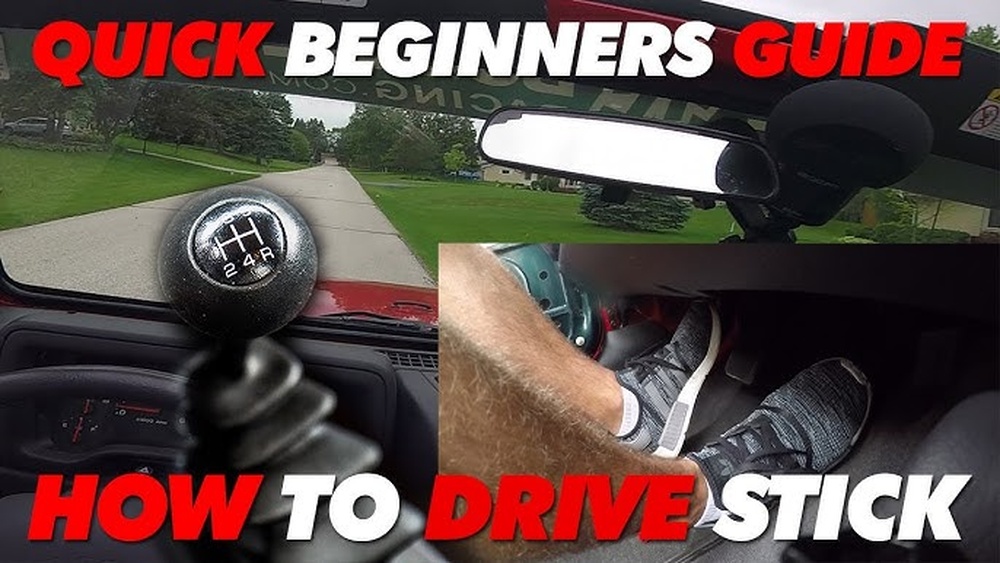
A manual Jeep uses a stick shift and clutch pedal. You must change gears yourself, unlike automatics, which do this for you. Manual Jeeps are popular for their durability and control, especially off-road.
Here’s a quick comparison between manual and automatic Jeeps:
| Feature | Manual Jeep | Automatic Jeep |
|---|---|---|
| Gear Control | Driver controls | Automatic |
| Fuel Efficiency | Often higher | Varies |
| Maintenance | Usually cheaper | Usually costlier |
| Off-road Performance | Better control | Less control |
A manual Jeep’s clutch pedal is to the left, the brake in the middle, and the gas pedal on the right. The gear shift usually has five or six forward gears plus reverse.
Steps To Drive A Manual Jeep
1. Getting Ready
- Sit comfortably and adjust your seat so you can press the clutch fully.
- Ensure the parking brake is on.
- Check the gear shift is in neutral (middle position, moves left and right freely).
2. Starting The Engine
- Press the clutch pedal all the way down.
- Turn the key to start the engine.
- Keep pressing the clutch until you’re ready to move.
3. Moving Forward
- Put the gear shift in first gear.
- Slowly release the clutch while gently pressing the gas.
- As you feel the Jeep start to move, release the clutch fully.
- If you release the clutch too fast, the Jeep may stall (engine stops suddenly).
4. Shifting Gears
Changing gears is key to manual driving. Here’s how:
- Accelerate until the engine reaches around 2,500–3,000 RPM (check the tachometer).
- Press the clutch fully.
- Move the gear shift to the next gear (second, third, etc. ).
- Release the clutch smoothly while pressing the gas.
A common mistake: shifting too early or too late. Early shifting slows you down; late shifting stresses the engine.
Here’s a simple gear speed guide:
| Gear | Speed Range (mph) |
|---|---|
| 1st | 0–10 |
| 2nd | 10–20 |
| 3rd | 20–35 |
| 4th | 35–50 |
| 5th | 50+ |
5. Stopping And Parking
- To stop, press the clutch and brake together.
- Move the gear shift to neutral.
- Use the parking brake.
- If parking on a hill, leave the Jeep in first gear or reverse for extra safety.

Off-road Tips For Manual Jeeps
Manual Jeeps are excellent off-road. You control power to the wheels and can avoid getting stuck. Here are two tips beginners often miss:
- Keep your foot ready on the clutch: If you hit a big bump or need instant power, you can quickly press the clutch to avoid stalling.
- Use low gears for steep hills: First or second gear gives more control and prevents rolling backward.
For deep mud or sand, use a lower gear and steady gas. Do not shift gears suddenly—this can cause loss of traction.
Common Beginner Mistakes And How To Avoid Them
Many first-time manual drivers make these mistakes:
- Riding the clutch: Keeping your foot on the clutch while driving wears it out quickly.
- Starting in the wrong gear: Always start in first gear unless reversing.
- Over-revving: Pressing too much gas before releasing the clutch makes the Jeep jump forward and can damage the engine.
Here’s a comparison of correct vs. incorrect clutch use:
| Action | Correct | Incorrect |
|---|---|---|
| Starting from stop | Release clutch slowly | Release quickly (stall) |
| Driving | Clutch fully released | Foot on clutch (wear) |
| Stopping | Clutch and brake together | Brake only (stall) |

Practical Advice For A Smooth Experience
- Practice in a quiet area before driving in traffic.
- Watch the tachometer for RPMs; shift when you reach the recommended RPM.
- Listen to the engine. If it sounds strained or loud, shift up. If it feels slow or jerky, shift down.
- Don’t panic if you stall. Just press the clutch, move to neutral, and restart.
A non-obvious insight: Manual Jeeps often require more foot coordination than other manual cars because their clutch is heavier. Start slow and build confidence.
Another tip: If your Jeep has hill start assist (a modern feature), use it. It holds the brake for a few seconds, so you can start on a hill without rolling backward.
Frequently Asked Questions
How Can I Tell If My Jeep Is In Neutral?
Move the gear shift left and right. If it moves freely, you’re in neutral. The Jeep won’t move if you release the clutch without pressing gas.
What Should I Do If I Stall In Traffic?
Stay calm. Press the clutch, turn the key to restart, shift to first gear, and try again. Don’t rush; traffic will wait.
How Do I Drive A Manual Jeep In The Rain?
Use smooth clutch and gas movements. Avoid sudden shifts. Extra grip is needed, so use lower gears for better control.
Is Manual Transmission Harder Off-road?
No, it’s easier for many drivers. You control power and speed exactly.
Practice shifting at low speeds before heading off-road.
Can I Switch From Automatic To Manual Easily?
You can, but it takes practice. Start in a safe area, learn clutch timing, and watch for common mistakes. Manuals need more focus at first.
Driving a manual Jeep is a skill worth learning. With practice, you’ll enjoy more control and a stronger connection with your vehicle. Remember, patience and steady movements are key. As you gain experience, manual driving will become second nature, opening up new adventures on and off the road. For deeper Jeep history and technical details, you can explore Jeep’s official Wikipedia page.