Getting your Jeep’s wheels aligned is not just about smooth driving it’s about safety, tire life, and handling. Many Jeep owners skip alignment, thinking it’s only for high-end cars.
But a Jeep, especially if you take it off-road, needs proper alignment to stay reliable.
If you notice your Jeep pulling to one side, uneven tire wear, or your steering wheel isn’t centered, it’s probably time for an alignment.

Understanding Jeep Alignment
Wheel alignment means adjusting the angles of the wheels so they point straight and sit flat on the road. For Jeeps, alignment is crucial because they often have larger tires, modified suspensions, or go off-road.
These changes can throw off the factory settings.
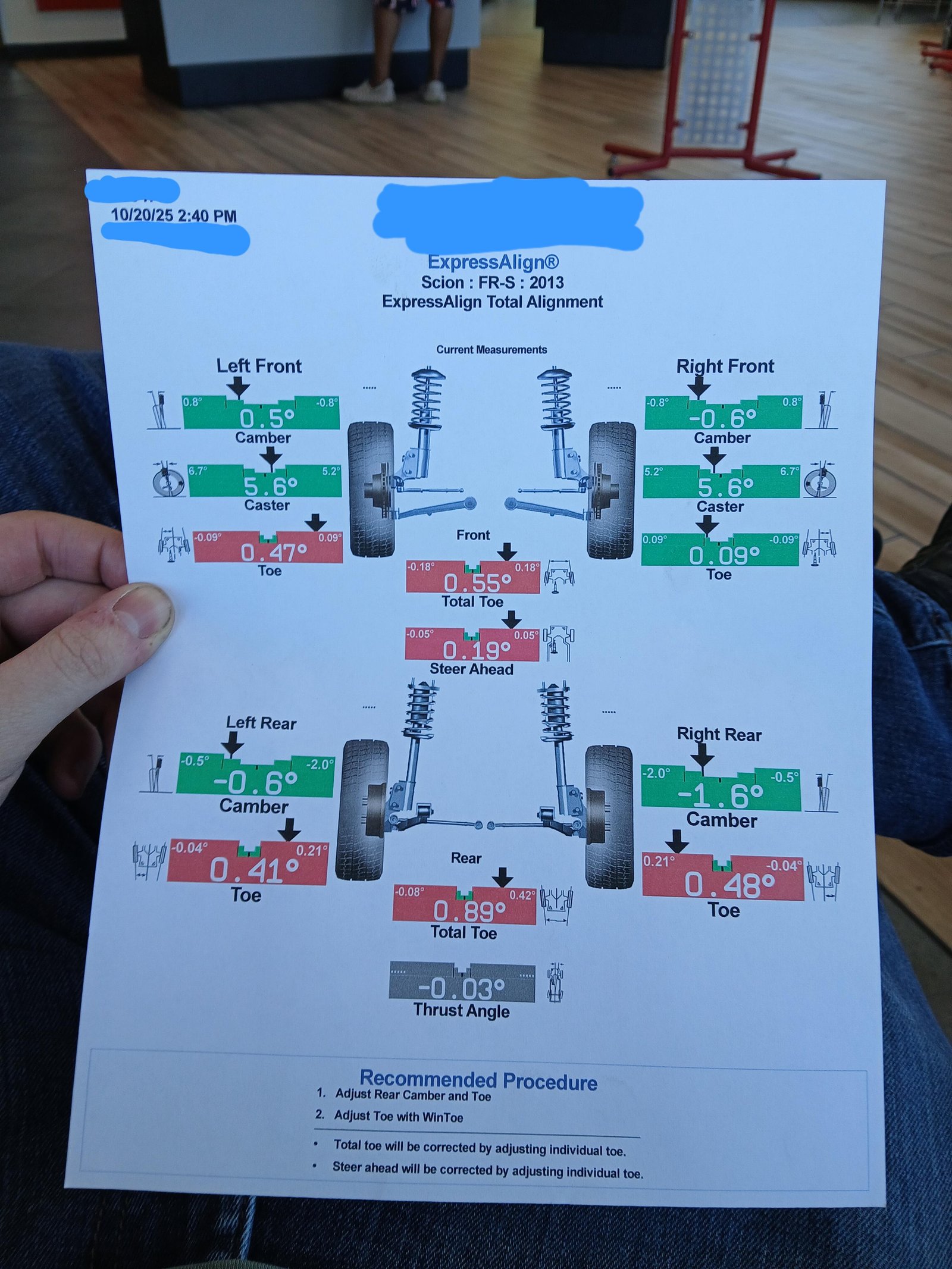
There are three main angles to check:
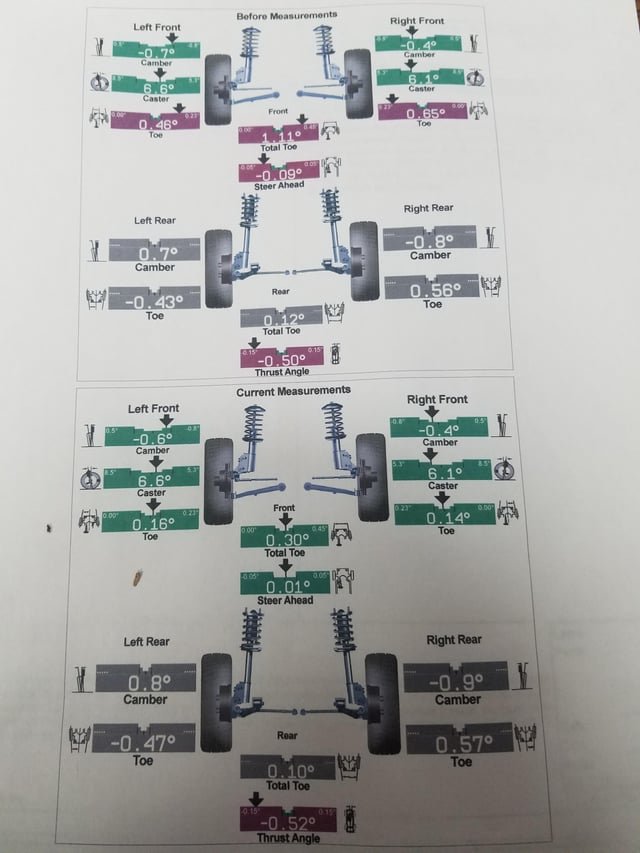
- Camber: Tilt of the wheel inward or outward.
- Caster: Angle of the steering axis.
- Toe: Direction the wheels point—toward each other or away.
A small misalignment can lead to poor handling and faster tire wear. For example, a toe angle off by just 0.
1 degree can shorten tire life by up to 10%.
Tools And Equipment Needed
Before starting, gather these tools:
- Tape measure
- Wrenches (usually 18mm, 21mm)
- Alignment gauge or angle finder
- Jack and jack stands
- Chalk or marker
- Owner’s manual for Jeep specs
Some shops use laser alignment machines, but you can achieve good results with basic tools if you follow the steps carefully.
Step-by-step Alignment Process
1. Prepare Your Jeep
- Park on a flat surface.
- Check tire pressure and inflate to recommended PSI.
- Inspect for worn suspension or steering parts. Replace if needed.
2. Measure Toe
Toe is the easiest adjustment for most Jeep models. Here’s how:
- Mark the front and back of each front tire with chalk.
- Using a tape measure, check the distance between the marks at the front and rear of tires.
- Compare the measurements. Most Jeeps need a slight toe-in (front measurement smaller than rear by about 1/16 inch).
3. Adjust Toe
- Loosen the tie rod clamps with a wrench.
- Turn the tie rod to adjust toe angle.
- Tighten clamps when correct.
4. Check Camber And Caster
These are harder to adjust without special tools, but you can check:
- Use an angle finder against the wheel hub.
- Compare to Jeep specs (usually 0 to -1 degree camber, 4-7 degree caster).
- If camber/caster is off, you may need adjustable ball joints or aftermarket control arms.
5. Final Inspection
- Re-check all bolts are tight.
- Test drive your Jeep. See if it tracks straight and the steering wheel is centered.
- Look for any signs of steering shake or pull.
Common Alignment Numbers
Here is a comparison of factory alignment specs for Jeep Wrangler JK and Jeep Cherokee XJ:
| Model | Camber (°) | Caster (°) | Toe (in) |
|---|---|---|---|
| Wrangler JK | 0 to -1 | 4 to 7 | 0.06 |
| Cherokee XJ | 0 | 6.5 | 0.06 |
Alignment For Modified Jeeps
Lifting your Jeep or adding bigger tires changes alignment. Higher suspension means more caster is needed for stability. After a lift, always re-check alignment.
Here’s how alignment changes with lift height:
| Lift Height | Recommended Caster (°) | Toe (in) |
|---|---|---|
| Stock | 4-7 | 0.06 |
| 2” Lift | 6-8 | 0.06 |
| 4” Lift | 7-9 | 0.06 |
Most beginners forget to increase caster after lifting. This often causes wandering steering and poor control.
Practical Tips And Insights
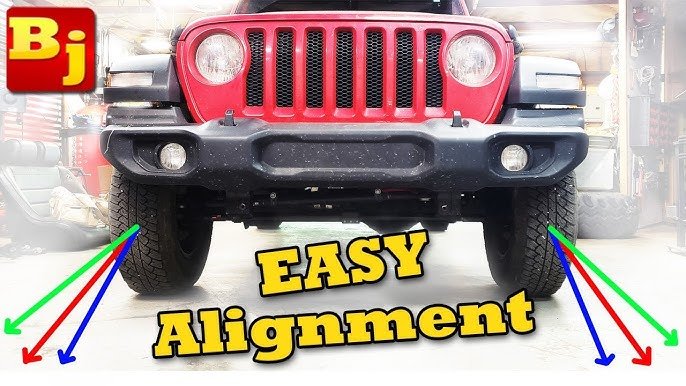
- Don’t rely only on visual checks. Use a tape measure for accuracy.
- After alignment, rotate your tires. This helps even out wear.
- If your Jeep has steering upgrades (like a new drag link), check alignment after installation.
- Off-road driving can knock your alignment out. Check it after every trip.
- Always write down your measurements. This helps track changes over time.
A common mistake is not locking the tie rod clamps after adjustment. This can lead to loss of alignment while driving.
When To Seek Professional Help
If camber or caster is way off, or you have heavy modifications, consider professional alignment. Advanced shops use laser equipment and can adjust settings more precisely.
For most DIYers, toe adjustment is the easiest and safest.
You can find more in-depth alignment guides at Jeep Official.
Frequently Asked Questions
What Are The Signs My Jeep Needs Alignment?
If your Jeep pulls to one side, the steering wheel is off-center, or you see uneven tire wear, you likely need alignment. Vibrations or shaking are also signs.
How Often Should I Align My Jeep?
Most experts recommend alignment every 12,000 miles or once per year. Off-roading or suspension changes may require more frequent checks.
Can I Do Jeep Alignment At Home?
You can adjust toe at home with simple tools. Camber and caster often need special equipment or professional help.
Do I Need Alignment After Lifting My Jeep?
Yes. Any change in suspension height or tire size affects alignment settings. Always realign after lifting.
Will Bad Alignment Damage My Jeep?
Poor alignment causes tire wear, unsafe handling, and can stress steering parts. It’s best to fix alignment quickly to avoid expensive repairs.
Doing your own Jeep alignment saves money and teaches you more about your vehicle. With careful steps and basic tools, you’ll enjoy better performance and longer tire life.
If you’re unsure or have a heavily modified Jeep, don’t hesitate to get professional help.
Proper alignment keeps your Jeep ready for both city streets and off-road adventures.