Many people replace spark plugs in their car or motorcycle but are unsure about the right way to dispose of them. Spark plugs seem small and harmless, but they contain materials that can harm the environment if thrown in the trash.
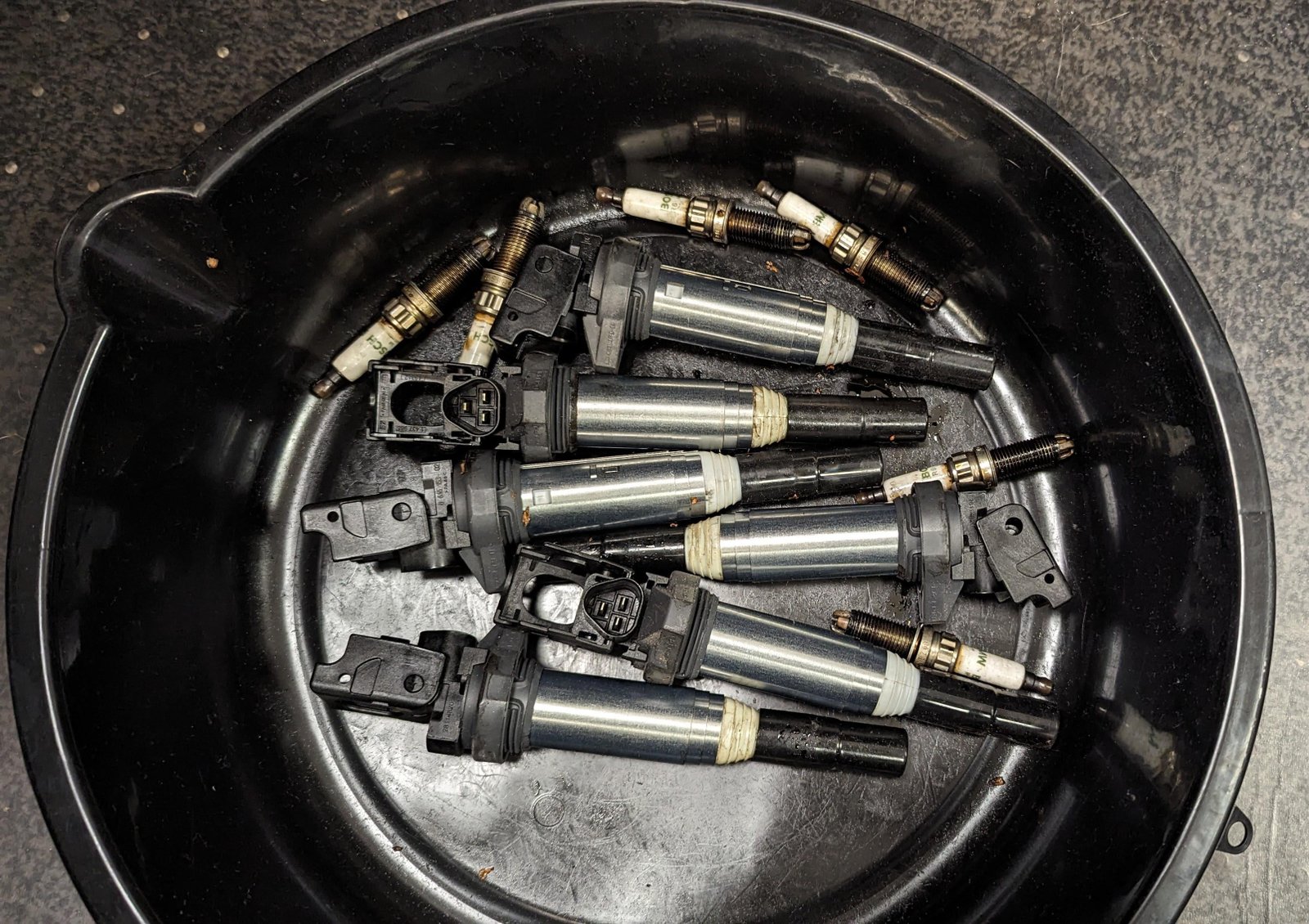
Old spark plugs are made of metal, ceramics, and sometimes other chemicals. If you’re changing spark plugs yourself, it’s important to know how to get rid of them safely and responsibly.
This guide will help you understand why proper disposal matters, how to recycle or dispose of spark plugs, and what mistakes to avoid.
Why Spark Plug Disposal Matters
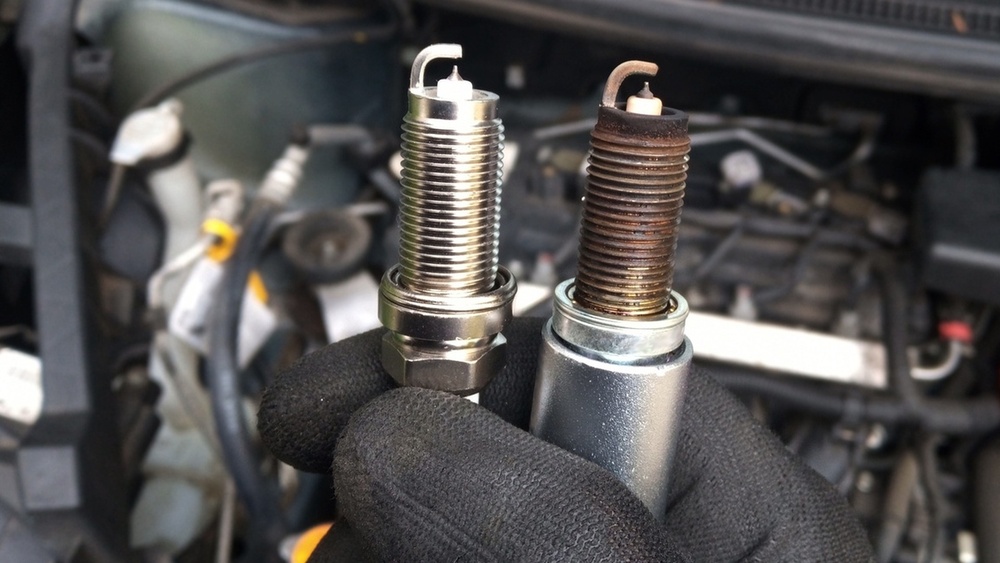
When you toss spark plugs in the trash, they end up in landfills. Over time, the metal and ceramic parts can leach chemicals into the soil. According to the US Environmental Protection Agency, improper disposal of automotive parts contributes to nearly 7 million tons of waste yearly. Spark plugs might seem insignificant, but millions are replaced annually.
Environmental impact is not the only concern. Some spark plugs contain traces of copper or nickel, which can contaminate water sources. Recycling helps recover valuable metals and reduces the need for mining.
Safe Spark Plug Disposal Methods
There are several ways to dispose of spark plugs without harming the environment. Here are the most effective options:
1. Recycling Centers
Most spark plugs can be recycled because they are made mainly of steel and ceramic. Look for your local recycling center or scrap metal facility. Many centers accept automotive parts, including spark plugs.
| Material | Recyclable? | Common Recycling Method |
|---|---|---|
| Steel | Yes | Scrap metal recycling |
| Ceramic | Sometimes | Specialized recycling |
| Copper/Nickel | Yes | Metal recovery |
Before dropping them off, check the center’s website or call ahead. Some places require parts to be separated by material.
2. Auto Parts Stores
Large auto parts stores like AutoZone or O’Reilly often have recycling programs. These stores collect used spark plugs and send them to specialized recyclers.
You can simply hand over your spark plugs when you buy new ones. Always ask staff if the store has a collection bin or program.
3. Hazardous Waste Collection Events
Some cities hold hazardous waste collection events several times a year. These events accept automotive parts, batteries, and other items that shouldn’t go in regular trash.
Check your city’s website for dates and details. If you have other car parts or chemicals, bring them all together.
4. Scrap Metal Dealers
Spark plugs contain valuable metals. Scrap metal dealers will often pay a small amount for a batch of spark plugs.
This option is best if you have many old spark plugs from a garage or repair shop.
| Dealer Type | Accepted Items | Average Price per Pound |
|---|---|---|
| General Scrap Yard | Mixed metals | $0.10 – $0.25 |
| Automotive Recycler | Auto parts only | $0.20 – $0.35 |
For individuals, the amount earned is small, but it’s better than landfill disposal.
Common Mistakes To Avoid
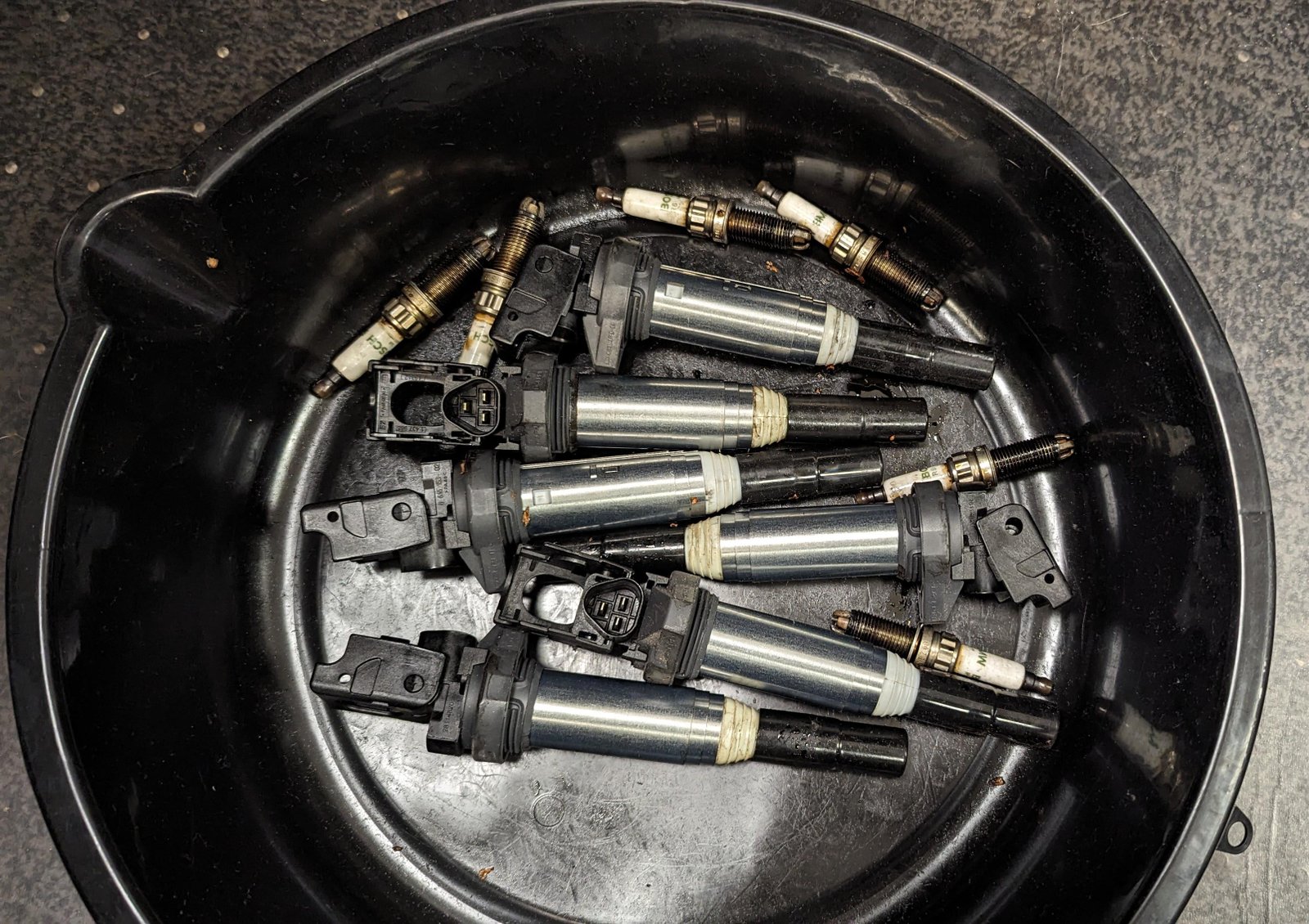
Many people make errors when disposing of spark plugs. Avoid these pitfalls:
- Throwing spark plugs in household trash – This is illegal in some states and harmful to the environment.
- Mixing spark plugs with regular recycling – Ceramics can contaminate metal recycling unless sorted properly.
- Burning spark plugs – Burning releases toxic fumes and is unsafe.
- Ignoring local rules – Always check local guidelines for disposal. Rules vary by city and state.
Practical Tips For Spark Plug Disposal
- Store old spark plugs in a sealed container until you can dispose of them properly.
- Clean off any oil or grease before recycling. This helps recyclers process the materials.
- If you’re unsure, ask your mechanic. Many repair shops collect used spark plugs for recycling.
- Keep a record of disposal. Some states require proof of proper disposal, especially for businesses.
Here’s a quick comparison of disposal options:
| Option | Ease of Use | Environmental Impact | Cost |
|---|---|---|---|
| Recycling Center | Moderate | Low impact | Free |
| Auto Parts Store | Easy | Low impact | Free |
| Hazardous Waste Event | Moderate | Low impact | Free |
| Scrap Metal Dealer | Moderate | Low impact | Pays small amount |
| Trash | Easy | High impact | Free |
What Beginners Often Miss
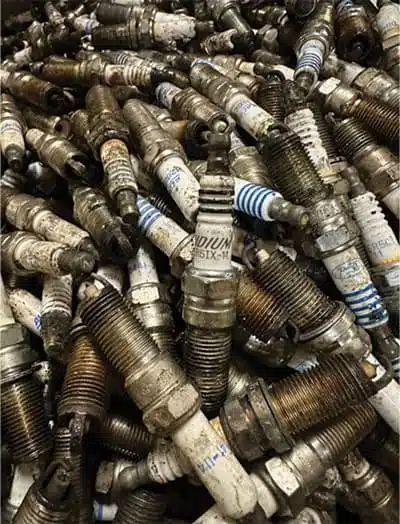
Many beginners don’t realize that spark plugs can be recycled. They might think the ceramic part makes them non-recyclable. In reality, most recyclers separate the metal and ceramic during processing.
Another common oversight is forgetting about local hazardous waste rules. Some cities have strict penalties for tossing automotive parts in the trash.
Always check local laws before disposing of spark plugs.
Non-obvious Insights
- Some spark plugs contain rare metals like platinum or iridium. These are valuable and should never be thrown away.
- Used spark plugs can be repurposed for craft projects or as teaching aids. However, make sure they are clean and free of oil before using them.
Frequently Asked Questions
Can I Throw Spark Plugs In The Regular Trash?
No. Spark plugs contain metals and ceramics that can harm the environment.
Proper disposal is required by law in many places.
Are Spark Plugs Considered Hazardous Waste?
Spark plugs are not highly hazardous, but they should be treated as special waste because of metal content and possible chemical residue.
Can Spark Plugs Be Recycled With Other Metals?
Yes, but they need to be separated from other recyclables. The metal part is valuable, but the ceramic must be sorted.
Where Can I Find A Recycling Center For Spark Plugs?
Use local government websites or search for scrap metal recycling in your area. Some centers list accepted items online. For more details, check EPA Automotive Recycling.
Is There Any Money In Recycling Spark Plugs?
Scrap dealers pay a small amount for bulk spark plugs because of the metal content. The price is low, but it is better than landfill disposal.
Proper disposal of spark plugs is simple once you know your options. By recycling or using collection programs, you protect the environment and recover valuable materials.
Next time you change spark plugs, take a few extra minutes to dispose of them responsibly.