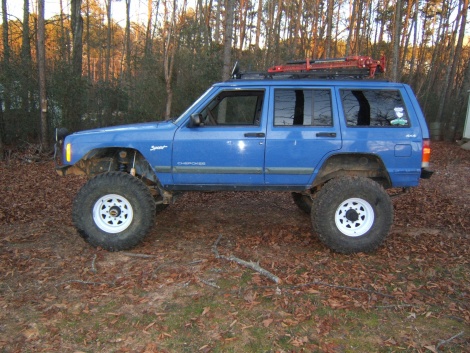
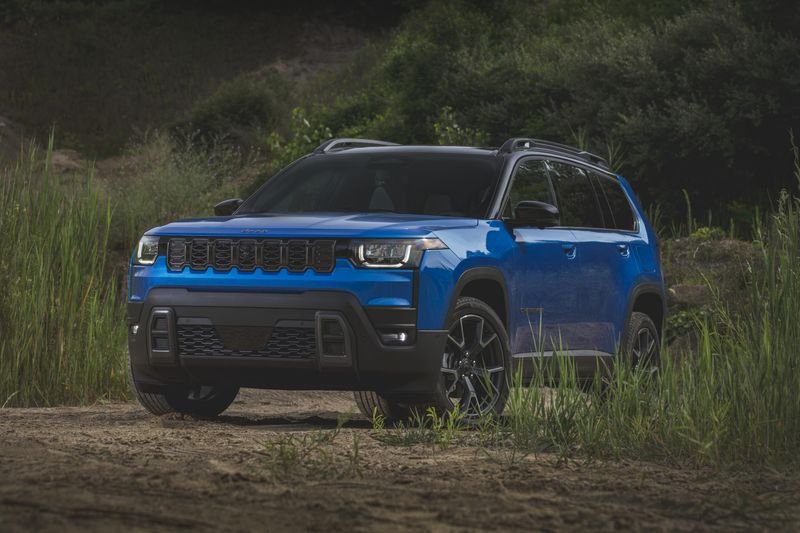
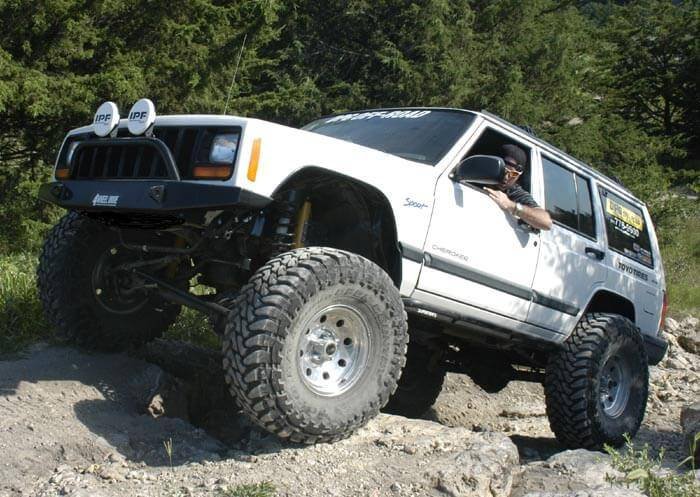
Cutting the fenders on your Jeep Cherokee is a popular modification for off-road enthusiasts. It gives your vehicle more clearance for larger tires and helps avoid rubbing when driving over rocks, mud, or uneven terrain. While the idea sounds simple, the process requires careful planning, the right tools, and attention to detail. This guide will walk you through each step, offering practical advice and real-world tips to ensure your Cherokee’s fender trim is safe, effective, and looks great.
Why Cut Jeep Cherokee Fenders?
Many Jeep Cherokee owners cut their fenders for improved off-road performance. Larger tires offer better grip and stability, but the stock fenders often limit the maximum tire size. By trimming the fenders, you gain:
- Increased tire clearance
- Reduced tire rubbing
- More aggressive appearance
- Improved suspension articulation
Cutting is also cheaper than buying aftermarket flares, and you can customize the look to your taste. However, it’s important to know that cutting too much can weaken the fender structure or expose the inner wheel wells.
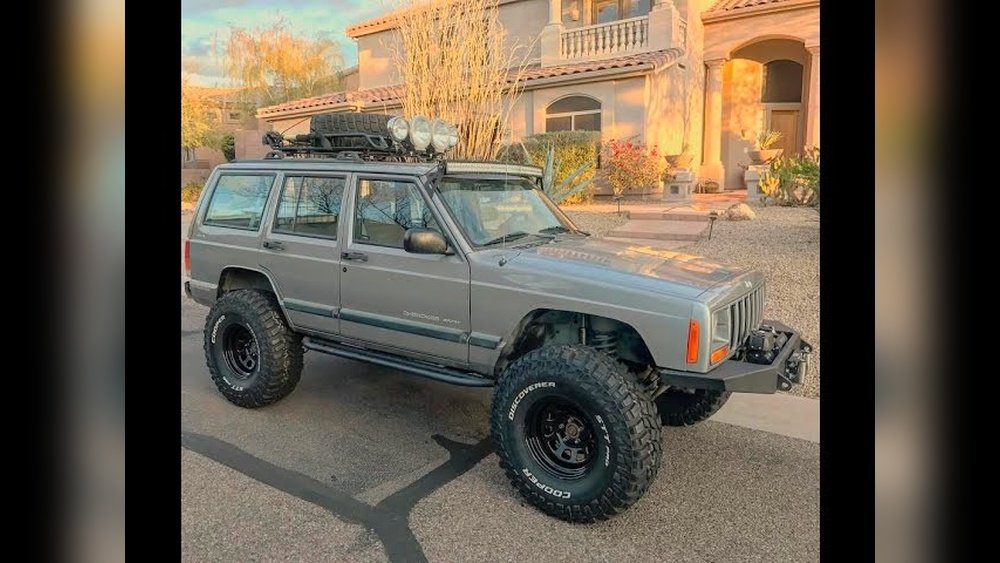
Tools And Materials Needed
Before you start, gather these tools and materials:
- Angle grinder or jigsaw (with metal cutting blade)
- Masking tape
- Marker or chalk
- Safety goggles and gloves
- Sandpaper or file
- Rust-resistant paint
- Edge trim (optional, for a clean finish)
- Measuring tape
These tools help ensure precise cuts and protect you from injury. Some owners use a Dremel for small areas, but an angle grinder works faster for large trims.
| Tool | Purpose |
|---|---|
| Angle Grinder | Cutting metal and plastic |
| Masking Tape | Marking the cut line |
| Edge Trim | Protecting cut edges |
Step-by-step Guide: Cutting Jeep Cherokee Fenders
Follow these steps to cut your fenders safely and accurately.
1. Plan Your Cut
Use a measuring tape to decide how much you want to cut. Most Cherokee owners remove 1–2 inches for 31–33 inch tires. Mark the cut line with masking tape and double-check for symmetry on both sides.
2. Remove The Fender Liner
If your Jeep has fender liners, remove them first. This exposes the inner metal and avoids cutting through plastic.
3. Make The Cut
Wear safety gear. Start cutting along your marked line using the angle grinder or jigsaw.
Go slow rushing can lead to jagged edges and mistakes. For tight curves, use a smaller cutting tool.
4. Smooth The Edges
After cutting, use sandpaper or a file to smooth sharp or uneven areas. This prevents injuries and gives a professional look.
5. Treat Cut Edges
Apply rust-resistant paint to the exposed metal. This prevents rust and corrosion, especially in wet climates.
6. Install Edge Trim
If you want a factory look, add edge trim to the new fender edge. This covers imperfections and protects the metal.
| Step | Time Estimate |
|---|---|
| Planning and marking | 20 minutes |
| Cutting | 30–40 minutes |
| Smoothing and painting | 25 minutes |
| Edge trim installation | 15 minutes |
Practical Tips And Common Mistakes
Many beginners make avoidable mistakes when cutting their Jeep Cherokee fenders. Here are some insights and tips:
- Always double-check your cut lines. Small errors can lead to uneven fenders.
- Use short, controlled cuts instead of trying to finish in one pass.
- If you cut too much, repairing is difficult. Start conservative and trim more if needed.
- Don’t forget to treat exposed metal. Rust is a common problem after cutting.
- Edge trim isn’t just for looks—it prevents water and mud from entering the wheel wells.
One non-obvious insight: the front fenders are easier to cut than the rear because of their shape and material. Rear fenders may require removing interior panels for full access.
Another tip: If you plan to install aftermarket flares later, leave enough material for mounting screws.
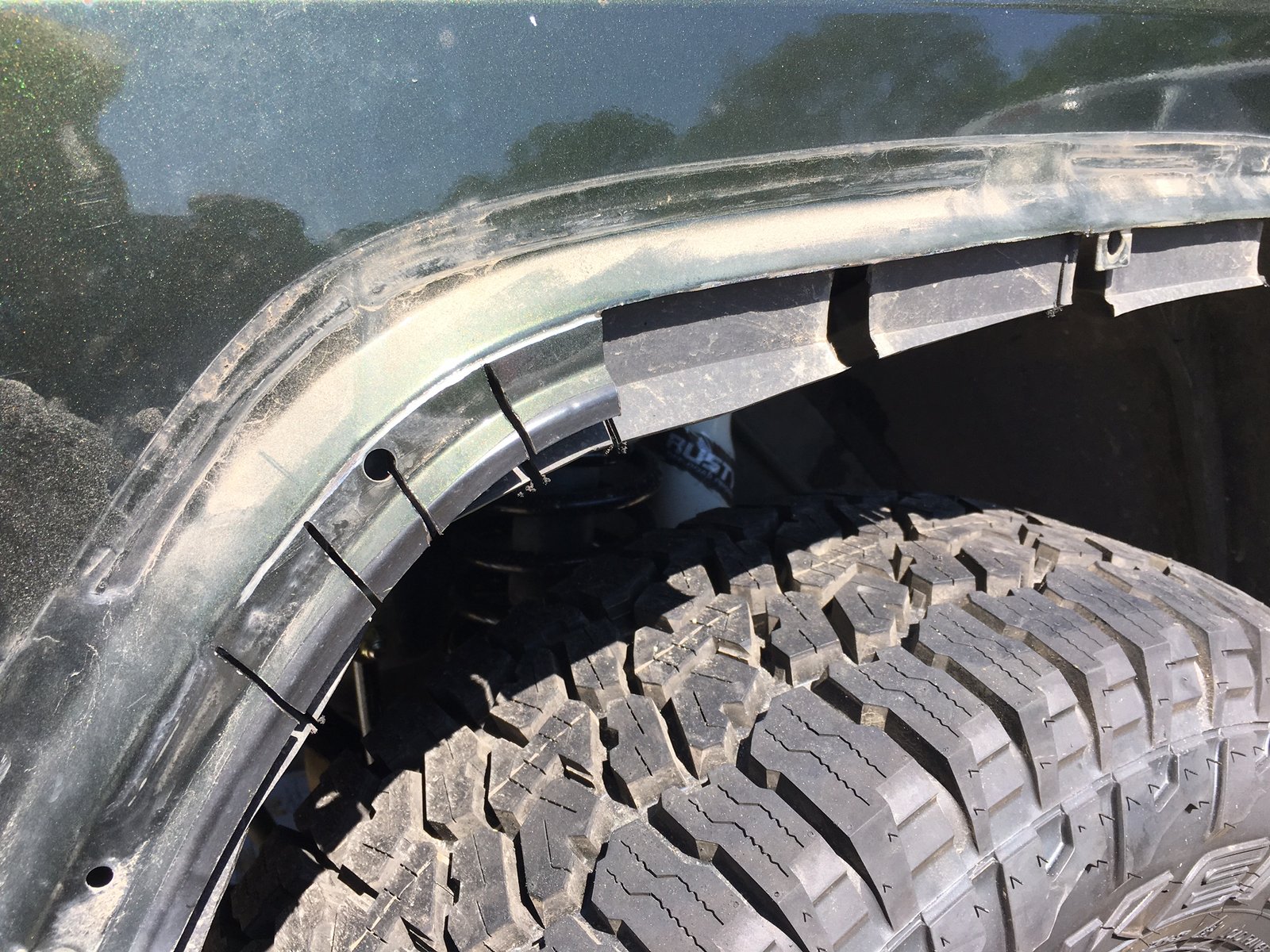
| Tire Size | Recommended Cut | Potential Issues |
|---|---|---|
| 31 inch | 1 inch | Minimal rubbing |
| 33 inch | 2 inches | Possible liner removal |
| 35 inch | 2.5–3 inches | May expose inner wheel well |
Legal And Safety Considerations
Before cutting, check your local vehicle laws. Some states require fender flares or limit how much you can trim. Driving with exposed tires may be illegal in some areas.
Safety is critical. Always wear goggles and gloves, and keep a fire extinguisher nearby.
Sparks from cutting tools can ignite flammable materials.
For more detailed technical guidance, visit Jeep Official Site.
Frequently Asked Questions
Can I Cut Fenders With Basic Tools?
Yes, but using an angle grinder or jigsaw makes the process safer and cleaner. Avoid hand saws for metal.
Will Cutting Fenders Affect Resale Value?
It can, especially if the cuts are rough or not treated. A clean job with edge trim may appeal to off-road buyers.
Is Rust A Problem After Cutting?
Exposed metal is prone to rust, especially in wet areas. Always use rust-resistant paint on cut edges.
How Much Should I Cut For 33 Inch Tires?
Most Cherokee owners cut 2 inches for 33 inch tires, but measure carefully. Too much can weaken the fender.
Do I Need To Remove The Fender Liner?
Yes, removing the fender liner gives you a clear workspace and avoids damaging plastic parts.
Cutting your Jeep Cherokee fenders is a practical way to boost off-road performance and customize your ride. With careful planning, the right tools, and attention to detail, you can achieve a professional result.
Remember to measure twice, cut once, and always protect exposed metal.
This project can transform your Cherokee both in looks and capability, making every trail adventure safer and more enjoyable.