If you drive a Jeep Grand Cherokee, keeping your transmission healthy is critical. The transmission fluid is what makes shifting gears smooth and prevents costly damage.
If you don’t check it regularly, you risk overheating, rough shifting, or even transmission failure. Thankfully, checking the transmission fluid is not hard, but you must do it the right way.
show you how to check transmission fluid on Jeep Grand Cherokee step-by-step, explain when and why to check, and share practical tips and common mistakes. Whether you’re a beginner or just want a refresher, you’ll find everything you need here.
Why Transmission Fluid Matters
The transmission fluid is the lifeblood of your Jeep’s automatic transmission. It lubricates moving parts, cools the transmission, and ensures gears shift smoothly. If the fluid level is too low or dirty, your vehicle might:
- Hesitate when shifting
- Make strange noises
- Overheat
- Slip out of gear
Ignoring these signs can lead to expensive repairs. Regularly checking transmission fluid helps you catch problems early, saving money and keeping your Jeep reliable.
When Should You Check Transmission Fluid?
Checking the transmission fluid doesn’t need to be a daily task, but it shouldn’t be ignored. Here are the key moments when you should check:
- Every 30,000 to 60,000 miles: Most Jeep Grand Cherokee models recommend checking at these intervals, but always check your owner’s manual for exact guidance.
- After noticing shifting issues: If you feel rough or delayed shifting, check immediately.
- After towing: Heavy loads increase stress on the transmission.
- Before long trips: Prevent breakdowns far from home.
- After fluid leaks: If you see red or brown fluid under your vehicle, check right away.
Some newer Grand Cherokees have sealed transmissions, which makes checking fluid harder. We’ll cover this in detail later.
What You’ll Need
Before you start, gather these items:
- Clean, lint-free rag or paper towel
- Flat parking area
- Owner’s manual
- Gloves (optional)
- Flashlight (for visibility)
- Transmission fluid (if topping off)
Most Grand Cherokees use ATF+4 fluid, but always check your manual for the exact type.
Step-by-step: How To Check Transmission Fluid On Jeep Grand Cherokee
The process is simple, but you must follow each step carefully. Here’s how:
1. Park Safely And Warm Up
Your Jeep should be parked on a level surface. Run the engine until it reaches normal operating temperature (usually 5 to 10 minutes). Warm fluid gives the most accurate reading.
2. Shift Through Gears
With your foot on the brake, shift the gear selector through each gear (P, R, N, D, etc.), pausing for a few seconds in each. This moves fluid through the transmission.
3. Leave Engine Running
Most Jeep Grand Cherokee models require checking the fluid with the engine running and in “Park.” Double-check your manual if unsure.
4. Find The Dipstick
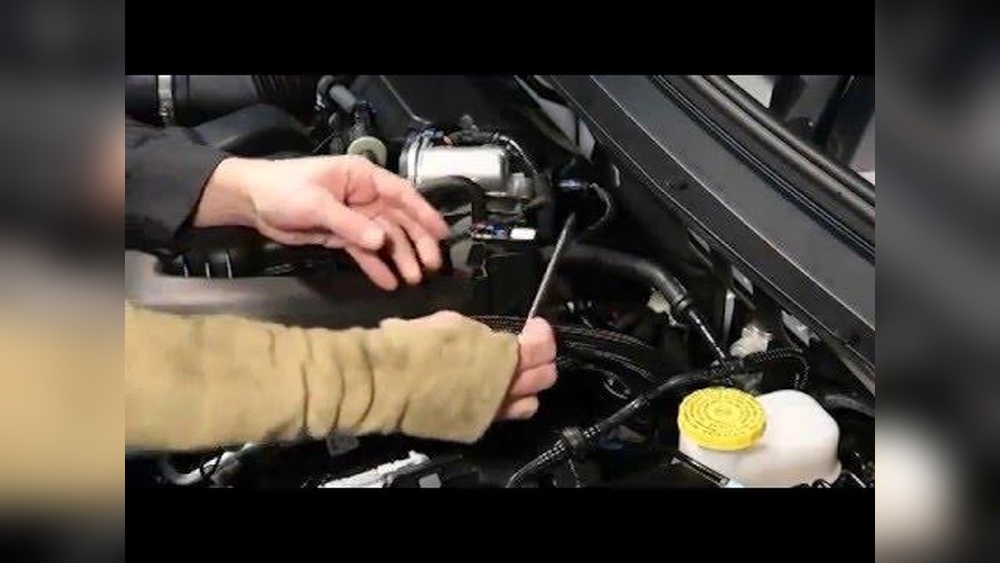
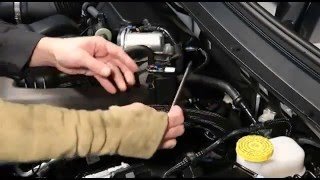
Locate the transmission dipstick. It’s usually near the back of the engine, labeled “Transmission.” Some newer models (2014 and newer) do not have a dipstick, these have sealed transmissions. For those, see the section below.
5. Remove And Clean The Dipstick
Pull out the dipstick. Wipe it clean with your rag or towel. This removes old fluid and debris.
6. Reinsert And Check Level
Put the dipstick back in fully, then pull it out again. Check the fluid level against the “Full” and “Add” marks. The fluid should be between these lines.
7. Inspect Fluid Condition
Look at the fluid’s color and smell:
- Healthy fluid: Bright red, clear, no burnt odor
- Dirty fluid: Brown, smells burnt, particles visible
If the fluid is dirty or low, it’s time to change or top off.
8. Top Off If Needed
If the fluid is low, add the recommended type (ATF+4) through the dipstick tube. Go slow too much can cause problems. Recheck the level after adding.
Step-by-step Summary
Here’s a quick reference for the steps:
- Park on level surface, warm up engine
- Shift through gears
- Leave engine running
- Find dipstick
- Remove, clean, reinsert dipstick
- Check level and condition
- Top off if needed
Special Note: Sealed Transmission Models
Many 2014+ Grand Cherokees use a sealed transmission without a dipstick. Checking fluid is more complex and usually requires a mechanic.
- No dipstick available
- Must use a scan tool to monitor fluid temperature
- Fluid checked at a specific temperature (85 to 120°F)
- Fill plug located on transmission, not engine bay
If you attempt this yourself, you risk incorrect readings. For most drivers, it’s best to let a professional handle sealed transmissions.
Comparison: Dipstick Vs Sealed Transmission
Below is a quick comparison of the two methods:
| Feature | Dipstick Transmission | Sealed Transmission |
|---|---|---|
| Ease of Checking | Easy (DIY) | Difficult (Professional) |
| Tools Needed | Rag, dipstick | Scan tool, fill plug |
| Fluid Type | ATF+4 | ATF+4 |
| Risk of Mistakes | Low | High |
What Does Healthy Transmission Fluid Look Like?
Good fluid is the key to a healthy transmission. Here’s what to look for:
- Color: Bright red
- Clarity: Transparent, not cloudy
- Odor: No burnt smell
If your fluid is brown, smells burnt, or has particles, it’s time for a change. Here’s a quick visual guide:
| Fluid Appearance | Condition | Action Needed |
|---|---|---|
| Bright red, clear | Healthy | None |
| Light brown, cloudy | Getting old | Monitor, change soon |
| Dark brown, burnt odor | Unhealthy | Change immediately |
| Particles in fluid | Possible damage | Service required |
Common Mistakes To Avoid
Even experienced drivers sometimes make mistakes. to avoid:
- Checking cold fluid: Always check when fluid is warm.
- Overfilling: Too much fluid can damage seals and cause leaks.
- Using wrong fluid type: Jeep Grand Cherokee needs ATF+4, not Dexron or Mercon.
- Ignoring dirty fluid: Old fluid can’t protect your transmission.
- Not checking regularly: Problems build up if you skip checks.
By avoiding these, you protect your Jeep and save money.
How Much Does Transmission Fluid Cost?
Keeping your Jeep running smoothly doesn’t have to be expensive. Here’s a breakdown:
- ATF+4 fluid: Around $8, $12 per quart
- Jeep Grand Cherokee: Needs 8 to 10 quarts for a full change
- Labor (if done professionally): $100, $250
Topping off is cheaper usually less than $20. But changing fluid regularly is a smart investment.

Pros And Cons Of Diy Checking
Many drivers check fluid themselves to save time and money. Here are the upsides and downsides:
Pros:
- Easy for older Grand Cherokees
- Saves on labor costs
- Quick and convenient
Cons:
- Not possible on sealed transmissions
- Risk of mistakes (wrong fluid, overfilling)
- Hard to diagnose problems without experience
If you’re unsure, it’s always best to ask a mechanic.
Practical Tips And Advanced Insights
Most guides skip these extra tips, but they make a big difference:
- Record fluid checks: Write down dates and levels to spot trends.
- Use a flashlight: Fluid color is easier to see with good light.
- Don’t rely on color alone: Some new fluids are not bright red, always check odor and clarity.
- Check after hard driving: Long trips or towing can change fluid condition quickly.
- Inspect for leaks: Fluid on your driveway means it’s time to check.
These steps prevent surprises and keep your Jeep Grand Cherokee transmission running longer.
Jeep Grand Cherokee Transmission Fluid Maintenance Schedule
Every Jeep model is a bit different. Here’s a general schedule:
| Model Year | Fluid Check Interval | Fluid Change Interval |
|---|---|---|
| 2010 to 2013 | Every 30,000 miles | Every 60,000 miles |
| 2014 to 2021 | Every 60,000 miles | Sealed (mechanic check) |
| 2022+ | Every 60,000 miles | Sealed (mechanic check) |
Always confirm your specific model’s schedule in the owner’s manual or from the dealer.
What To Do If Your Fluid Is Low Or Dirty
If you find low or dirty fluid, act fast:
- Top off: Add fluid to the correct level if it’s just low.
- Change fluid: If fluid is dirty, schedule a full change.
- Visit a mechanic: For sealed transmissions, leaks, or particles in fluid.
Don’t ignore warning signs. Transmission repairs can cost thousands, but fluid checks are cheap and easy.
<!– wp:rank-math/faq-block {"questions":[{"id":"faq-question-f25e3309652c","title":"How Often Should I Check Transmission Fluid In My Jeep Grand Cherokee?","content":"For most models, check every 30,000 to 60,000 miles or at least once a year. Check more often if you tow heavy loads or notice shifting issues.
“,”visible”:true},{“id”:”faq-question-2de6057eadd1″,”title”:”What Happens If I Use The Wrong Transmission Fluid?”,”content”:”Using the wrong fluid, such as Dexron or Mercon, can cause slipping, overheating, or damage. Always use Jeep’s recommended ATF+4 fluid.
“,”visible”:true},{“id”:”faq-question-ee0e06af6ec0″,”title”:”Is It Possible To Check Transmission Fluid On Sealed Transmissions?”,”content”:”Checking sealed transmissions (2014+ models) requires special tools and knowledge. Most drivers should let a professional mechanic handle it. Attempting it yourself can lead to incorrect readings or damage.
“,”visible”:true},{“id”:”faq-question-54ec2d427f63″,”title”:”What Are Signs Of Low Transmission Fluid?”,”content”:”Common signs include rough shifting, delayed gear changes, strange noises, and fluid leaks under the vehicle. If you see these, check your fluid as soon as possible.
“,”visible”:true},{“id”:”faq-question-a42d1bc601cf”,”title”:”Can I Drive With Dirty Transmission Fluid?”,”content”:”Driving with dirty or burnt transmission fluid increases risk of transmission failure. It’s best to change the fluid right away to avoid expensive repairs.
“,”visible”:true}]} –>How Often Should I Check Transmission Fluid In My Jeep Grand Cherokee?
For most models, check every 30,000 to 60,000 miles or at least once a year. Check more often if you tow heavy loads or notice shifting issues.
What Happens If I Use The Wrong Transmission Fluid?
Using the wrong fluid, such as Dexron or Mercon, can cause slipping, overheating, or damage. Always use Jeep’s recommended ATF+4 fluid.
Is It Possible To Check Transmission Fluid On Sealed Transmissions?
Checking sealed transmissions (2014+ models) requires special tools and knowledge. Most drivers should let a professional mechanic handle it. Attempting it yourself can lead to incorrect readings or damage.
What Are Signs Of Low Transmission Fluid?
Common signs include rough shifting, delayed gear changes, strange noises, and fluid leaks under the vehicle. If you see these, check your fluid as soon as possible.
Can I Drive With Dirty Transmission Fluid?
Driving with dirty or burnt transmission fluid increases risk of transmission failure. It’s best to change the fluid right away to avoid expensive repairs.
Closing Thoughts
Checking transmission fluid on a Jeep Grand Cherokee is simple for most models, but requires care and attention. Knowing how to check, when to check, and what healthy fluid looks like will keep your Jeep running smoothly and help you avoid costly repairs.
For newer sealed transmissions, professional help is the safest option. Always use the right fluid, follow your maintenance schedule, and don't ignore warning signs.
With these tips, your Jeep Grand Cherokee will stay reliable for years to come.
For more details on transmission maintenance, visit the official Jeep Maintenance Guide.
Meta Title: How To Check Transmission Fluid On Jeep Grand Cherokee: Step-by-Step Guide
Meta Description: Learn how to check transmission fluid on Jeep Grand Cherokee. Step-by-step instructions, tips, costs, common mistakes, and FAQ for beginners and owners.