If you own a 2014 Jeep Patriot, keeping the transmission fluid at the right level is key for a smooth drive and a healthy engine. Many drivers overlook this simple check, but it can save you from big repair bills and sudden breakdowns. The process is not as obvious as checking oil, especially on modern cars like the Patriot. This guide will help you check your transmission fluid with clear steps, practical tips, and extra insights most beginners miss.
Why Transmission Fluid Matters
The transmission fluid in your Jeep Patriot is more than just oil. It cools, cleans, and protects the transmission’s moving parts. Low or dirty fluid can lead to slipping gears, hard shifting, or even total transmission failure. For the 2014 model, this check is even more important because many units do not have a traditional dipstick.
What You Need Before Checking
Before you get started, gather these items:
- Rag or paper towels
- Socket set (for some models)
- Transmission fluid funnel
- Correct transmission fluid type (Check your owner’s manual. Most 2014 Jeep Patriots use ATF+4 fluid.)
- Car ramps or jack and jack stands (if you need better access)
- Latex gloves (recommended)
Never use the wrong fluid type. Using anything besides ATF+4 can cause serious damage.

Locating The Transmission Fluid Reservoir
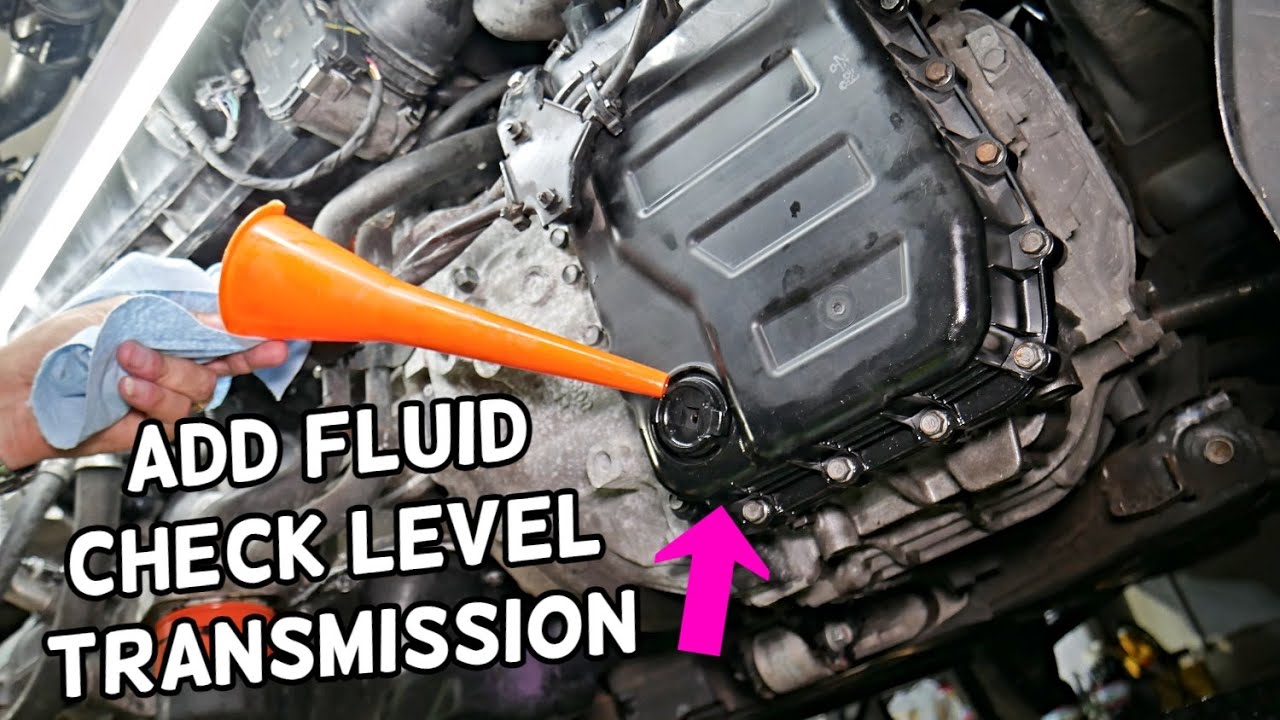
In the 2014 Jeep Patriot, the transmission is a sealed unit. This means you won’t find a traditional dipstick under the hood. Instead, there is a fill plug and a check plug under the vehicle.
- Let your car run until it reaches normal operating temperature. This ensures an accurate reading.
- Place your car on a flat, stable surface. Engage the parking brake.
- If needed, lift the vehicle using ramps or a jack and stands. Never rely on the car’s scissor jack.
Steps To Check Transmission Fluid
Checking the fluid on a 2014 Jeep Patriot is different from older vehicles. Here’s a step-by-step process:
- With the engine running and the transmission in park, let the car idle for a few minutes.
- Locate the transmission pan under the vehicle. It’s usually near the front of the car.
- Find the check plug (often an 8mm Allen bolt) on the side of the transmission pan.
- Place a drain pan underneath the plug.
- Carefully loosen and remove the plug. Some fluid may drip out. This is normal.
- If fluid dribbles out in a thin stream, the fluid level is correct.
- If no fluid comes out, the level is low. Add ATF+4 fluid through the fill plug (usually located on top of the transmission) until fluid starts to come out of the check plug hole.
- Reinstall the check plug and tighten it to the recommended torque (usually 8-10 ft-lbs, but check your manual).
Data Table: Transmission Fluid Specs
Here’s a quick reference for key specs:
| Specification | 2014 Jeep Patriot |
|---|---|
| Fluid Type | ATF+4 |
| Fluid Capacity | 6.0–6.3 quarts (CVT) |
| Check Interval | Every 60,000 miles |
| Transmission Type | CVT or 6-speed automatic |
Signs Of Transmission Fluid Problems
Watch for these warning signs:
- Shuddering or slipping gears
- Delayed shifting
- Burning smell
- Leaking fluid under the car
If you notice any of these, check the fluid immediately and consult a mechanic if the problem continues.
Common Mistakes To Avoid
Many drivers make simple errors when checking transmission fluid:
- Using the wrong fluid type. Only use ATF+4.
- Checking fluid when the engine is cold. Always check at operating temperature.
- Not securing the car safely. Use ramps or jack stands, not just a jack.
- Overfilling the transmission. Too much fluid can damage seals and cause leaks.
- Ignoring leaks. Even a small leak can lead to low fluid and damage over time.
Data Table: Symptoms And Solutions
Here’s a handy table to match common symptoms with potential causes:
| Symptom | Possible Cause | Action |
|---|---|---|
| Slipping gears | Low or dirty fluid | Check and refill/change fluid |
| Hard shifting | Incorrect fluid level | Check level, add fluid |
| Burning smell | Overheated fluid | Flush and replace fluid |
| Leaking fluid | Worn gasket or seal | Inspect and repair |
Pro Tips Most Drivers Miss
- Always check for recalls or service bulletins for your transmission model. Sometimes Jeep issues updates for known problems.
- Record the fluid level and condition each time you check. This helps spot slow leaks or worsening issues early.
- For the Patriot’s CVT, if the fluid looks milky or foamy, there may be a coolant leak into the transmission—get this fixed quickly to avoid total failure.
When To Replace Transmission Fluid
Most owners ignore fluid replacement, but for a 2014 Jeep Patriot, it’s wise to change the transmission fluid every 60,000 miles (or sooner with heavy use). Fresh fluid extends transmission life and improves performance.
Data Table: Fluid Color Guide
Use this table to judge your fluid’s condition:
| Color | Meaning | Action Needed |
|---|---|---|
| Bright red | Healthy fluid | None |
| Light brown | Worn but safe | Plan change soon |
| Dark brown/black | Old or burnt | Change now |
| Pink/milky | Water/coolant contamination | See mechanic |
Final Thoughts
Checking your transmission fluid on a 2014 Jeep Patriot is a key part of car care. While the sealed system makes it less straightforward, the extra effort is worth it for peace of mind and avoiding costly repairs. Take your time, use the right fluid, and pay attention to small changes in how your car shifts or sounds. If you’re ever unsure, it’s smart to ask a trusted mechanic or consult official resources like the NHTSA.
Frequently Asked Questions
How Often Should I Check The Transmission Fluid In My 2014 Jeep Patriot?
It’s best to check every 6 months or before long trips. If you drive in tough conditions, check more often.
Can I Use Any Transmission Fluid Besides Atf+4?
No. Only use ATF+4 for the 2014 Jeep Patriot. Other fluids can damage the transmission.
What If I Overfill The Transmission Fluid?
Overfilling can cause leaks or shifting problems. If you add too much, drain the excess from the check plug.
Why Doesn’t My 2014 Jeep Patriot Have A Dipstick?
Jeep uses a sealed transmission for this model. This design helps keep out dirt, but makes checking fluid a bit harder.
What Should I Do If My Transmission Fluid Is Dark Or Smells Burnt?
Change the fluid as soon as possible. Burnt or dirty fluid means it’s losing its protective qualities and could harm your transmission.