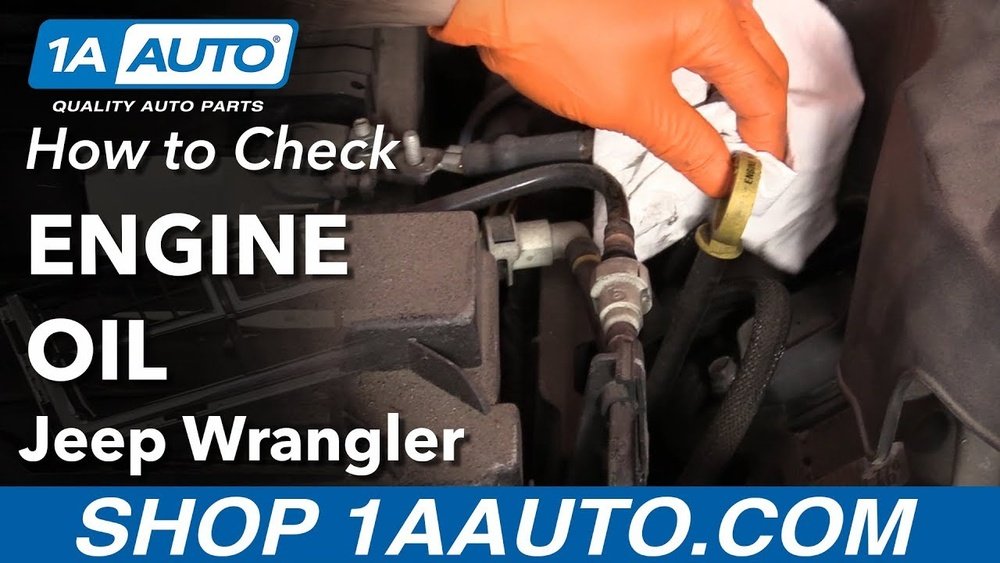
Checking the oil on your Jeep Wrangler is a simple but important task. Many Jeep owners, especially those new to cars, may feel unsure about how to do it right. A regular oil check can help you avoid engine problems, keep your vehicle running smoothly, and even save money on repairs. This guide will show you exactly how to check the oil on a Jeep Wrangler, explain why it matters, and share tips that even experienced drivers sometimes miss.
Why Checking Oil Is So Important
Engine oil does more than just lubricate moving parts. It reduces friction, keeps the engine cool, and helps remove dirt and tiny metal particles. When oil is low or dirty, the engine can overheat or wear out faster. For Jeep Wranglers, which are often used in tough conditions, oil checks are even more critical.
Surprisingly, studies show that up to 20% of engine failures are caused by lack of regular oil checks. Most car owners do not realize that off-road driving, frequent short trips, and even hot weather can make oil degrade faster.
What You Need Before Checking Oil
You do not need special tools for this job. Here’s what helps:
- Clean, lint-free rag or paper towel
- Gloves (optional, keeps hands clean)
- A safe, flat parking spot
It’s also best to check oil when the engine is cool or has been off for at least 10 minutes. This lets oil settle back into the pan, giving a more accurate reading.
Step-by-step: How To Check Oil On Jeep Wrangler
Follow these steps for all Jeep Wrangler models, from the classic TJ to the latest JL. The dipstick location may vary slightly, but the process is the same.
1. Park On Level Ground
Make sure your Wrangler is parked on a flat surface. This ensures the oil level is not tilted, which can give a false reading.
2. Let The Engine Cool
Wait 10 15 minutes after turning off the engine. Hot oil can burn your fingers, and it needs time to settle.
3. Open The Hood
Pull the hood release inside your Jeep. Find the lever under the hood and open it fully.
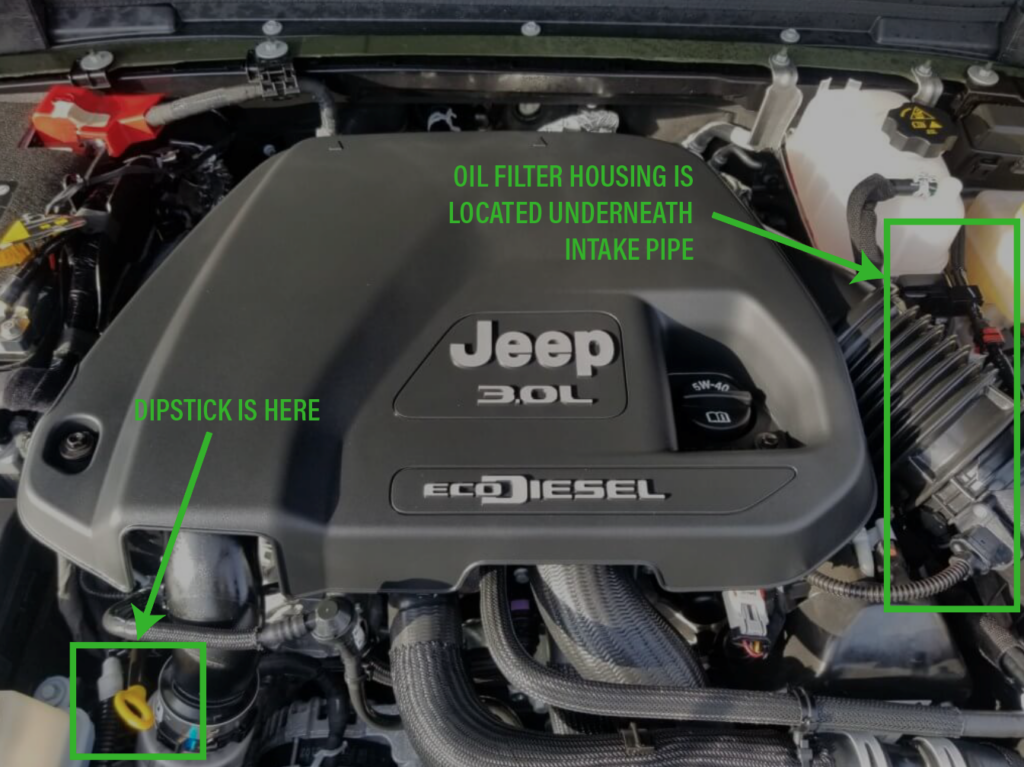
4. Locate The Dipstick
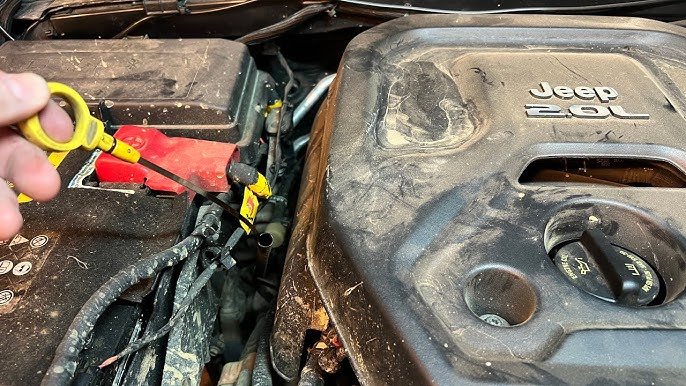
The engine oil dipstick usually has a yellow or orange handle. It’s near the engine’s front.
5. Pull Out The Dipstick
Grab the handle and pull the dipstick out slowly.
6. Wipe The Dipstick Clean
Use your rag or towel to wipe all the oil off the dipstick.
7. Reinsert The Dipstick
Put the dipstick back into the tube, push it all the way in, then pull it out again.
8. Check The Oil Level
Look at the tip of the dipstick. You’ll see two marks: MIN (minimum) and MAX (maximum). The oil should be between these lines.
9. Check Oil Color And Quality
Clean oil is usually amber or light brown. If it looks dark, gritty, or smells burnt, it may need changing.
10. Add Oil If Needed
If the level is below the MIN line, add the right type of oil for your Jeep. Only add a little at a time and recheck the level.
Understanding Jeep Wrangler Oil Specifications
Jeep recommends different oil types and capacities based on the Wrangler’s year and engine. Using the correct oil is key for engine health.
| Model Year | Engine Type | Recommended Oil | Capacity (qt) |
|---|---|---|---|
| 2012–2018 | 3.6L V6 | 5W-20 | 6.0 |
| 2018–2023 | 2.0L Turbo | 0W-20 | 5.0 |
| 2007–2011 | 3.8L V6 | 5W-20 | 6.0 |
Always check your owner’s manual for the exact oil type and amount. Using the wrong oil can lead to poor performance or even engine damage.
Signs Your Oil Needs Attention
Sometimes, oil problems show before you even check the dipstick. Watch for these signs:
- Engine warning light comes on
- Loud knocking sounds from the engine
- Oil spots under your Jeep
- Excess exhaust smoke
- Burning oil smell inside or outside
If you notice any of these, check your oil as soon as possible.
Common Mistakes Jeep Owners Make
Many drivers make simple mistakes when checking their oil. Avoid these to keep your Wrangler in top shape.
- Checking on a slope: Even a small angle can change the reading.
- Not waiting for the engine to cool: Hot oil gives false readings and is dangerous.
- Overfilling oil: Too much oil can damage seals or make the engine run poorly.
- Ignoring oil color: Dark or gritty oil means it’s time for a change, even if the level is fine.
- Using the wrong oil: Always use the oil grade recommended for your Jeep.
How Often Should You Check Jeep Wrangler Oil?
For most drivers, checking oil once a month is enough. But if you drive off-road, tow heavy loads, or take lots of short trips, check every two weeks. This quick habit can prevent expensive repairs.
Here’s a simple look at how driving style affects oil checks:
| Driving Condition | Check Frequency |
|---|---|
| Normal (highway/city) | Once a month |
| Off-road/Heavy towing | Every 2 weeks |
| Short trips (<5 miles) | Every 2 weeks |
Tips For First-time Jeep Owners
If you’re new to Jeep Wranglers, here are a few less obvious tips:
- Always keep a quart of oil in your trunk for emergencies.
- Take a photo of your dipstick after each oil check. This helps you track changes in oil color and level over time.
- Use your phone or a sticky note to set a regular reminder. Skipping oil checks is easy to do, but dangerous for your engine.

Frequently Asked Questions
How Do I Know If My Jeep Wrangler Is Low On Oil?
Check the oil dipstick. If the oil level is below the MIN line, add oil right away. Warning lights or engine noise can also signal low oil.
What Type Of Oil Does My Jeep Wrangler Need?
It depends on your model and engine. Most newer Wranglers use 5W-20 or 0W-20 synthetic oil, but always check your owner’s manual or visit Jeep’s official maintenance page for details.
Can I Check Oil Right After Driving?
It’s better to wait 10 15 minutes after turning off the engine. This lets oil settle for an accurate reading and prevents burns from hot parts.
What Happens If I Overfill My Oil?
Too much oil can cause leaks, damage seals, or make the engine run poorly. If you add too much, drain the extra oil as soon as possible.
How Often Should I Change My Jeep Wrangler’s Oil?
Most Wranglers need an oil change every 5,000 to 7,500 miles. Check your manual for the exact interval and change it sooner if you drive in tough conditions.
Keeping track of your oil level is one of the simplest ways to protect your Jeep Wrangler. It takes just a few minutes but can save you from big repair bills and keep your adventures worry-free.
With these steps, you’ll always know when your engine is ready for the road ahead.