Checking the transmission fluid in your Jeep Patriot is a simple but important task. Many drivers forget about this step, but it can make a big difference in how your vehicle performs.
If the fluid is low or dirty, your transmission may slip, shift poorly, or even fail over time. Getting it right means your Jeep will run smoother and last longer.
Why Transmission Fluid Matters
Transmission fluid is more than just lubrication. It helps cool the transmission, keeps parts moving smoothly, and protects against wear. Without enough fluid, or if the fluid is old, your Jeep Patriot can experience jerky shifting, strange noises, or even damage. According to the National Highway Traffic Safety Administration, transmission issues are a top cause of vehicle breakdowns in the US.
Tools And Preparation
Before starting, gather these items:
- Clean rag
- Funnel
- Gloves (optional)
- Proper transmission fluid (check your owner’s manual for the right type)
- Flashlight (for better visibility)
Make sure your Jeep is parked on a level surface. This is important because checking fluid on a slope gives inaccurate readings.
Step-by-step Guide To Checking Jeep Patriot Transmission Fluid
Follow these steps for accurate results:
- Warm up your Jeep: Start the engine and let it idle for about 5–10 minutes. Transmission fluid expands when warm, so cold readings may not be correct.
- Shift through all gears: With your foot on the brake, shift through each gear (Drive, Reverse, etc.) And return to Park. This circulates the fluid.
- Turn off the engine: Some models require checking with the engine running, others don’t. For most Jeep Patriots, check with the engine off, but confirm with your manual.
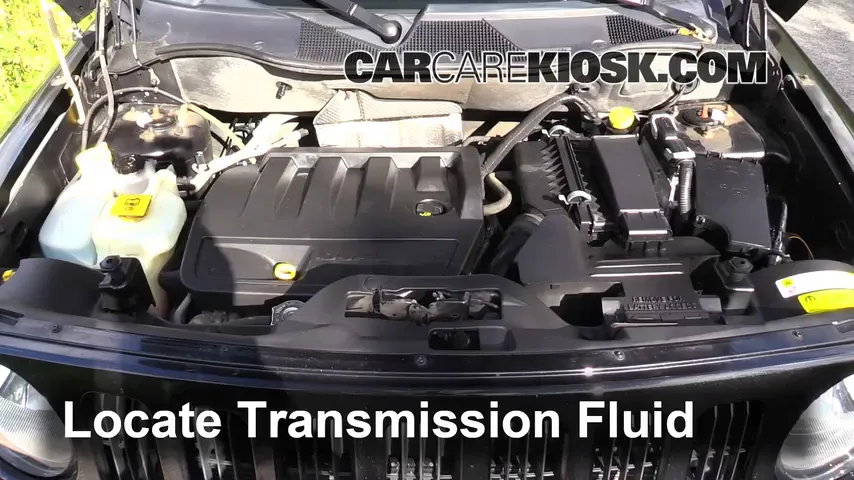
- Open the hood: Find the transmission dipstick. It’s usually labeled and located near the engine.
- Pull out the dipstick: Wipe it clean with your rag. This removes old fluid and gives a clear reading.
- Reinsert the dipstick: Push it all the way back in, then pull it out again.
- Check the fluid level: Look at the markings (“Full” and “Add” or similar). The fluid should reach the “Full” mark.
- Inspect the fluid condition: Healthy fluid is usually pinkish-red and clear. Brown or burnt-smelling fluid means it’s time to change it.
Example Dipstick Markings
Here’s a typical dipstick marking comparison:
| Marking | What It Means |
|---|---|
| FULL | Fluid is at correct level |
| ADD | Fluid is low, needs topping up |
| HOT/COLD | Different readings for fluid temperature |
When To Add Or Change Transmission Fluid
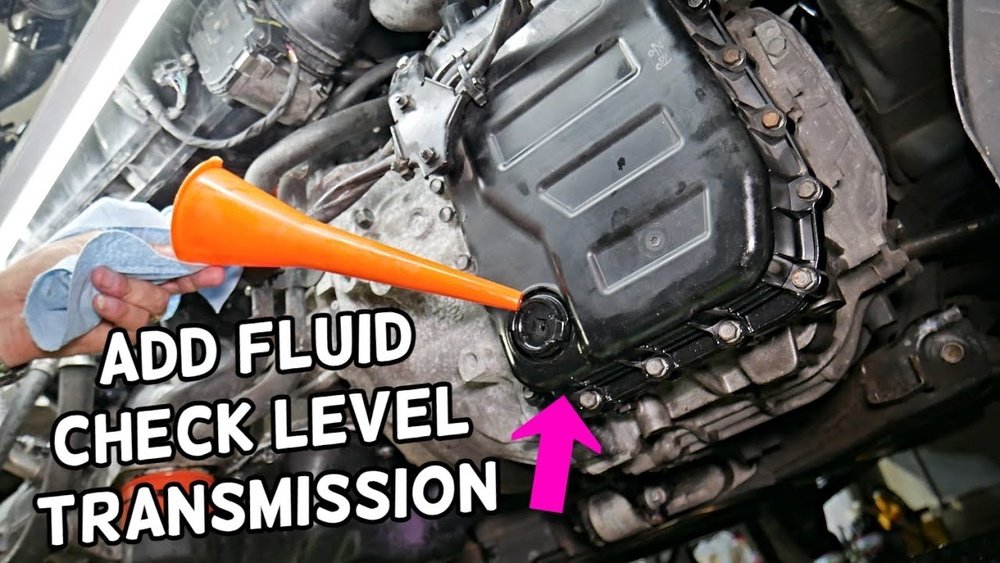
If your fluid is low, use a funnel to add the correct type. Never overfill; too much fluid can cause foaming and transmission damage.
For dirty or burnt fluid, a complete change is needed. Jeep recommends changing the transmission fluid every 60,000 miles or sooner if you notice problems. Always use the fluid type specified in your manual.
Signs You Need A Change
Look for these signs:
- Fluid is brown or has a burnt odor
- Transmission is slipping
- Hard or delayed shifting
- Unusual noises when shifting

Common Mistakes To Avoid
Many beginners make errors that can cause problems. Here are two mistakes to watch for:
- Using the wrong fluid type: Jeep Patriots often require ATF+4, but always check your manual.
- Checking fluid on a sloped surface: This gives a false reading and could lead to overfilling.
Another mistake is not checking the fluid at the recommended interval. Even if your Jeep seems fine, skipping checks can cause hidden issues.
Jeep Patriot Transmission Fluid Types
Choosing the right fluid is key. Here’s a quick comparison:
| Fluid Type | Compatibility | Color | Recommended For |
|---|---|---|---|
| ATF+4 | Most Jeep Patriots | Red | Factory standard |
| Dexron III | Older Jeeps | Red | Not for Patriot |
| Universal ATF | Some models | Varies | Check manual |
Practical Tips For Checking Fluid
Some extra advice can help you avoid problems:
- Check after long drives: Fluid expands, so readings are more accurate.
- Use a clean funnel: Dirt can damage your transmission.
- Don’t rely on color alone: Sometimes fluid looks okay but smells burnt.
If you’re unsure, ask a mechanic or check reliable sources like the Jeep official manual.
What If There’s No Dipstick?
Some Jeep Patriots (especially newer models) do not have a traditional dipstick. Instead, you may need a special tool or visit a mechanic.
This is because sealed transmissions are designed to last longer without regular checks.
Sealed Transmission Comparison
| Type | Access | DIY Friendly |
|---|---|---|
| Traditional Dipstick | Easy | Yes |
| Sealed Transmission | Needs tools | No |
If your Jeep has a sealed transmission, follow the instructions in your manual or visit a professional.
Frequently Asked Questions
How Often Should I Check Jeep Patriot Transmission Fluid?
Check every 6 months or every 5,000 miles, whichever comes first. If you drive in tough conditions (like towing or extreme heat), check more often.
What Happens If My Transmission Fluid Is Low?
Low fluid can cause slipping, poor shifting, and even transmission failure. Always top up as soon as you notice the level is low.
Can I Use Any Transmission Fluid For My Jeep Patriot?
No. Only use the recommended ATF+4 fluid. Using the wrong type can cause damage and void your warranty.
How Do I Know If My Fluid Needs Changing?
If the fluid is brown, smells burnt, or you notice shifting problems, it’s time to change it. Always check the fluid condition, not just the level.
Is It Safe To Drive With Dirty Transmission Fluid?
Driving with dirty fluid can cause serious damage over time. It’s best to change it as soon as possible to protect your transmission.
Taking care of your Jeep Patriot’s transmission fluid is simple but crucial. With the right steps and a bit of attention, you can prevent costly repairs and keep your Jeep running smoothly.
Don’t ignore fluid checks your transmission will thank you for it.