Changing the oil in your Jeep Wrangler is a basic skill that can save you money and help your engine last longer. Many Wrangler owners prefer to do this themselves because it’s simple and requires only basic tools. Whether you drive your Jeep off-road or just around town, keeping up with oil changes is one of the most important things you can do for your vehicle’s health. This guide will walk you through each step and help you avoid common mistakes.
Tools And Materials You’ll Need
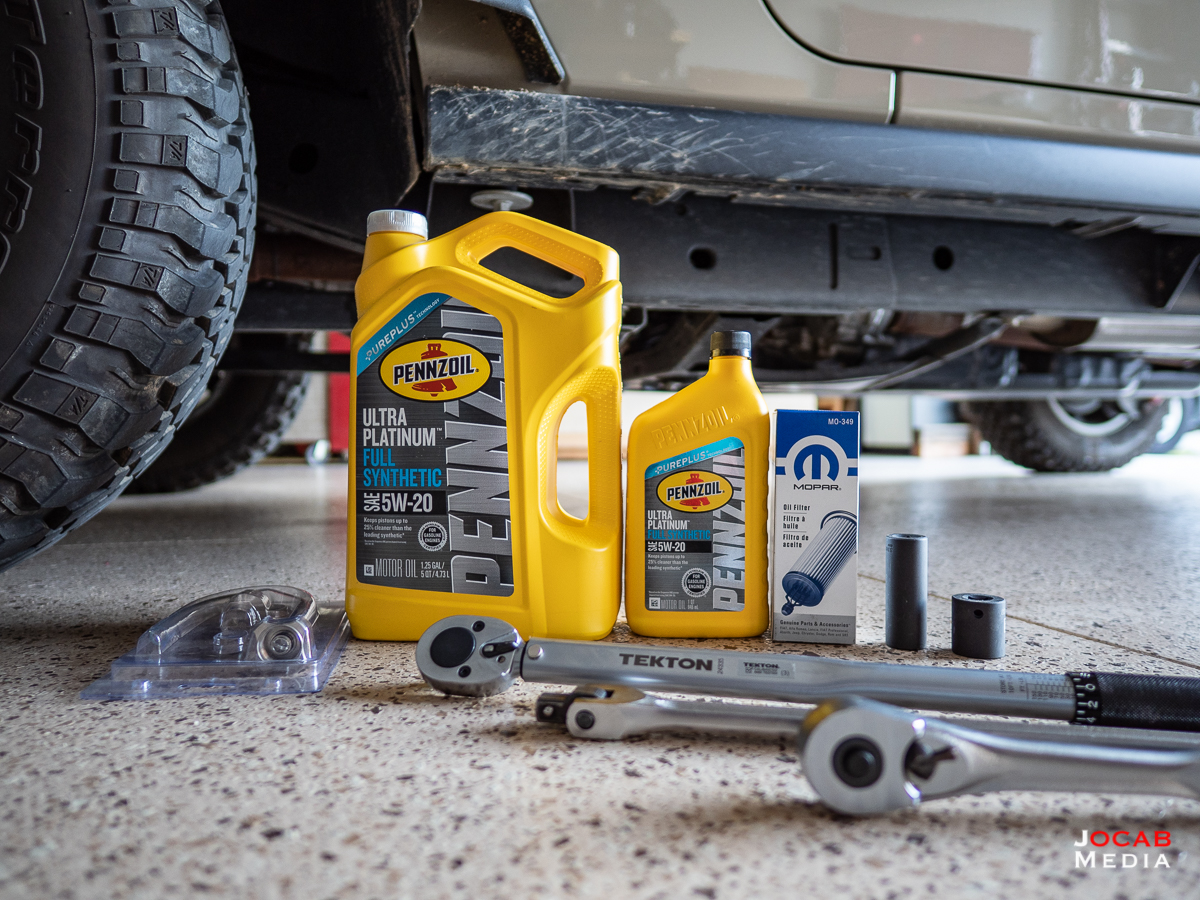
Before you start, gather everything you need. Having the right tools makes the job faster and cleaner.
- New engine oil (check your Wrangler’s manual for the correct type and amount, usually 5W-20 or 5W-30)
- New oil filter
- Wrench set (usually 13mm or 15mm for the drain plug)
- Oil catch pan
- Funnel
- Gloves and rags
- Jack and jack stands (if needed for clearance)
- Oil filter wrench (sometimes optional)
- New drain plug washer (some models need this)
Many beginners forget to check if they have the correct oil filter for their Wrangler’s year and engine size. This can cause frustration if you discover a mismatch mid-way.
Step-by-step Oil Change Process
Follow these steps for a smooth oil change:
- Warm up the engine for a few minutes. Warm oil flows out more easily.
- Park your Jeep on a flat surface. Turn off the engine, set the parking brake, and let the engine cool slightly.
- Raise the Jeep if you need more space under the vehicle. Always use jack stands for safety.
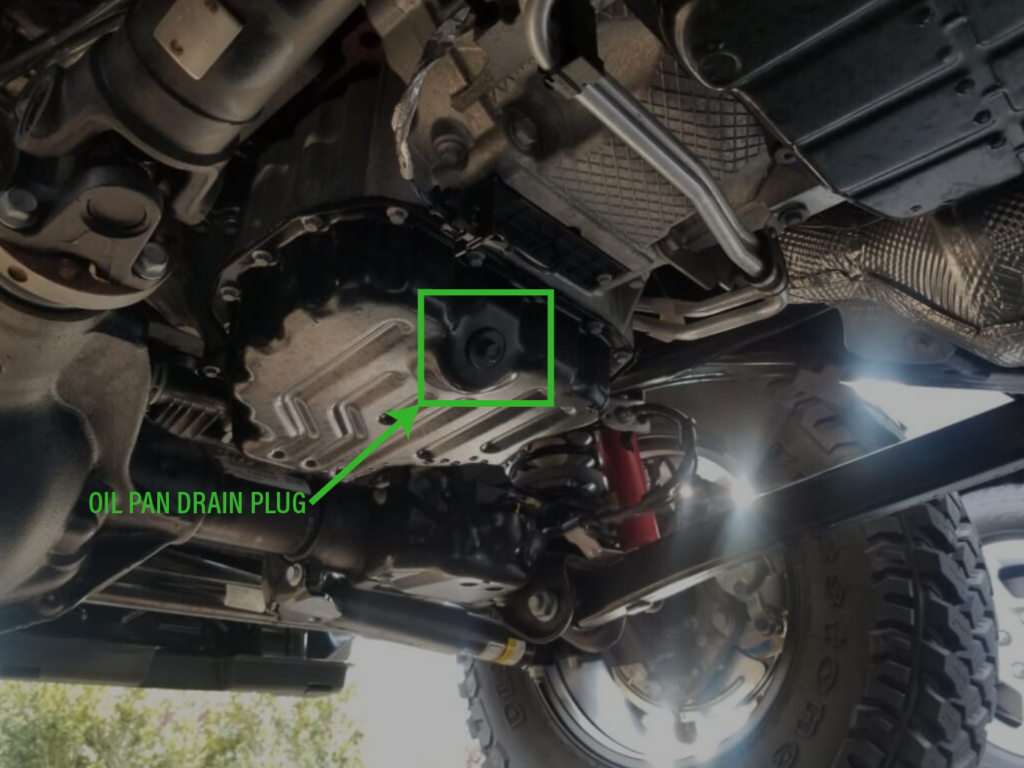
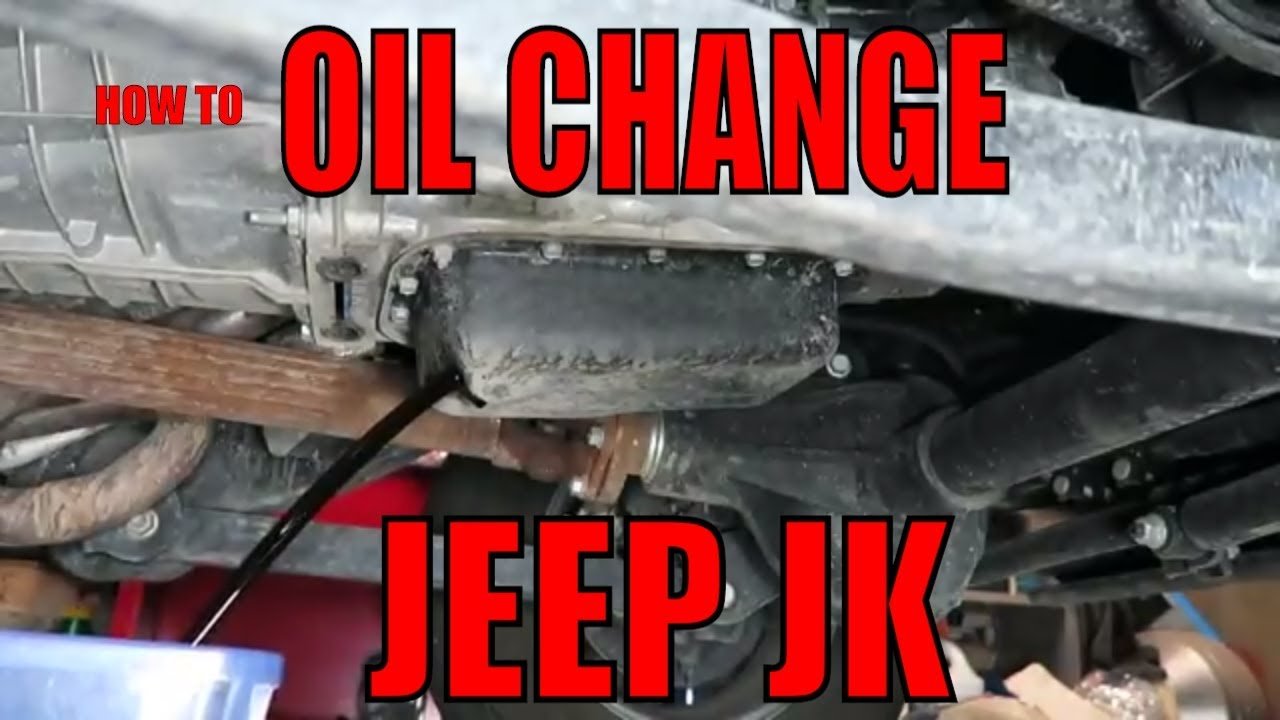
- Place the oil pan under the oil drain plug. The plug is usually at the bottom of the oil pan.
- Remove the drain plug with the correct wrench. Let the oil drain completely (usually 5–10 minutes).
- Remove the old oil filter. Use an oil filter wrench if it’s tight. Expect some oil to spill.
- Lubricate the rubber gasket on the new filter with a little fresh oil. This helps seal and makes removal easier next time.
- Install the new oil filter by hand. Do not overtighten—snug is enough.
- Replace the drain plug and use a new washer if required. Tighten securely but do not overtighten.
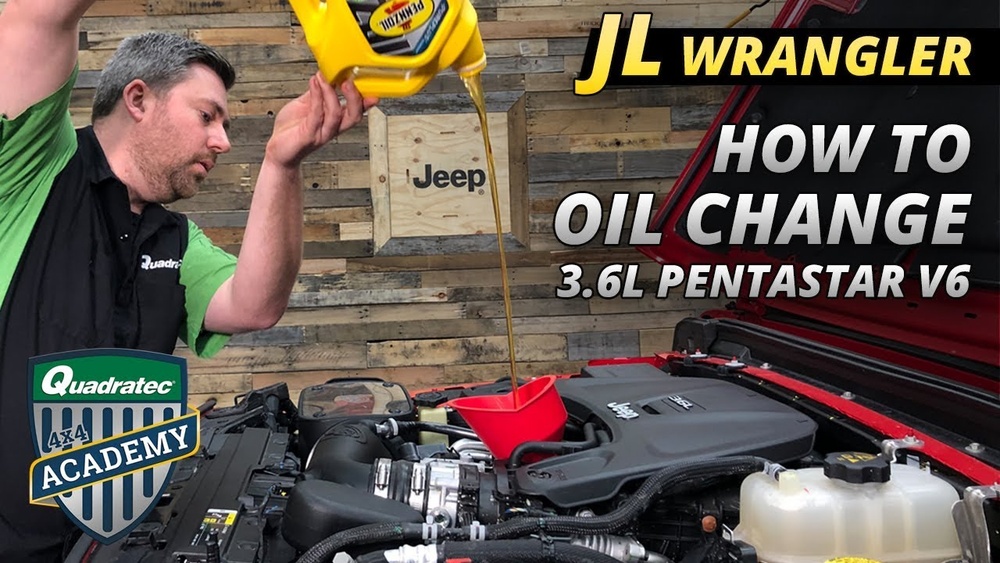
- Pour new oil into the engine using a funnel. Add oil slowly and check your owner’s manual for the exact amount.
- Start the engine and let it run for 30 seconds. Check for leaks under the Jeep.
- Check the oil level with the dipstick. Add more oil if needed.
Many first-timers forget to replace the drain plug washer, which can cause slow leaks. Also, always double-check the oil level after running the engine oil can settle, causing the reading to drop.
How Much Oil Does A Jeep Wrangler Need?
The exact amount depends on your engine size and model year. Here’s a quick reference for recent Wranglers:
| Engine | Oil Capacity (qt) | Oil Type |
|---|---|---|
| 3.6L V6 (Pentastar) | 5.0 | 5W-20 |
| 2.0L I4 Turbo | 5.0 | 5W-30 |
| 3.0L EcoDiesel | 9.0 | 5W-40 |
Always check your owner’s manual for the exact amount and oil spec for your Jeep.
Choosing The Right Oil And Filter
Not all oils and filters are the same. Here are the main factors:
| Factor | What Matters |
|---|---|
| Viscosity | Follow the manual’s rating (e.g., 5W-20) |
| Brand | Reputable brands (e.g., Mopar, Mobil 1) |
| Filter Fit | Exact match for engine/year |
| Filter Type | Standard or extended-life |
Using the wrong oil viscosity can affect engine protection and even void your warranty. The filter type also matters—extended-life filters are good for longer intervals but only if your oil can last that long.
When Should You Change Your Jeep Wrangler’s Oil?
Most Jeep Wranglers need an oil change every 5,000–7,500 miles if you use synthetic oil. For older models or severe driving (towing, off-roading, dusty roads), stick to every 3,000–5,000 miles. Your dashboard may show an oil change reminder, but always check the oil if you drive in tough conditions.
Common Mistakes And How To Avoid Them
Many DIYers make simple mistakes that can cause headaches:
- Not tightening the filter or plug enough — Causes leaks.
- Overfilling the oil — Can damage engine seals.
- Forgetting to remove the old filter’s gasket — The new filter won’t seal, causing leaks.
- Not checking for leaks after starting the engine.
Take your time, double-check your work, and always dispose of old oil properly at a recycling center.
Benefits Of Changing Your Own Oil
Doing your own oil change has several advantages:
- Saves money over time
- Lets you inspect for leaks or problems
- Gives you control over the oil and filter quality
It also builds confidence. Many Jeep owners start here and move on to bigger repairs.
Cost Comparison: Diy Vs. Shop
Curious how much you save? Here’s a quick breakdown:
| Service Type | Average Cost |
|---|---|
| DIY (parts only) | $35–$60 |
| Dealership/Shop | $80–$120 |
If you change your oil three times a year, that adds up to over $100 in savings.
Proper Oil Disposal
Used oil is hazardous to the environment. Pour the used oil into a sealed container and take it to an auto parts store or recycling center. Never dump oil on the ground or down a drain. Many shops take oil for free.
For more on safe oil disposal, see this EPA resource.
Changing the oil in your Jeep Wrangler is a smart way to learn about your vehicle and keep it running smoothly. With a little practice, you’ll finish the job in under an hour.
Remember, the key is using the right materials and double-checking each step.
If you’re ever unsure, ask a Jeep forum or watch a trusted video for your model year.
Frequently Asked Questions
How Often Should I Change Oil In My Jeep Wrangler?
Most newer Wranglers need oil changes every 5,000–7,500 miles with synthetic oil. If you do a lot of off-roading or towing, change it sooner.
What Type Of Oil Does A Jeep Wrangler Use?
Check your manual, but most use 5W-20 or 5W-30 for gasoline engines. Diesel engines often require 5W-40.
Can I Use Any Oil Filter For My Wrangler?
No. Always use a filter that’s made for your specific engine and year. The wrong filter may not fit or seal properly.
Do I Need To Change The Oil Filter Every Oil Change?
Yes, always replace the oil filter when you change your oil. The filter catches debris and keeps your oil clean.
What Happens If I Add Too Much Oil?
Too much oil can cause foaming, leaks, or engine damage. If you overfill, drain the excess to the correct level.