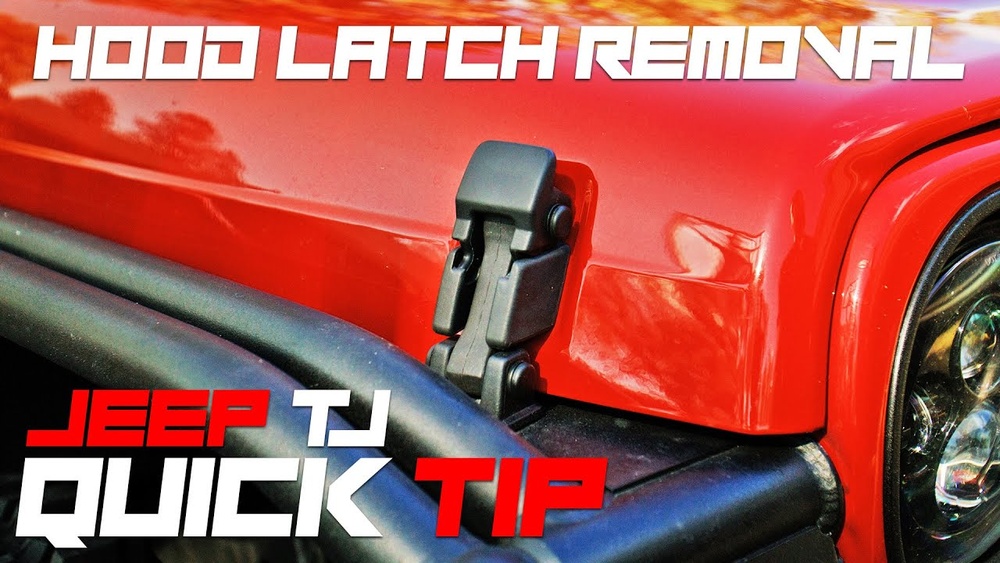
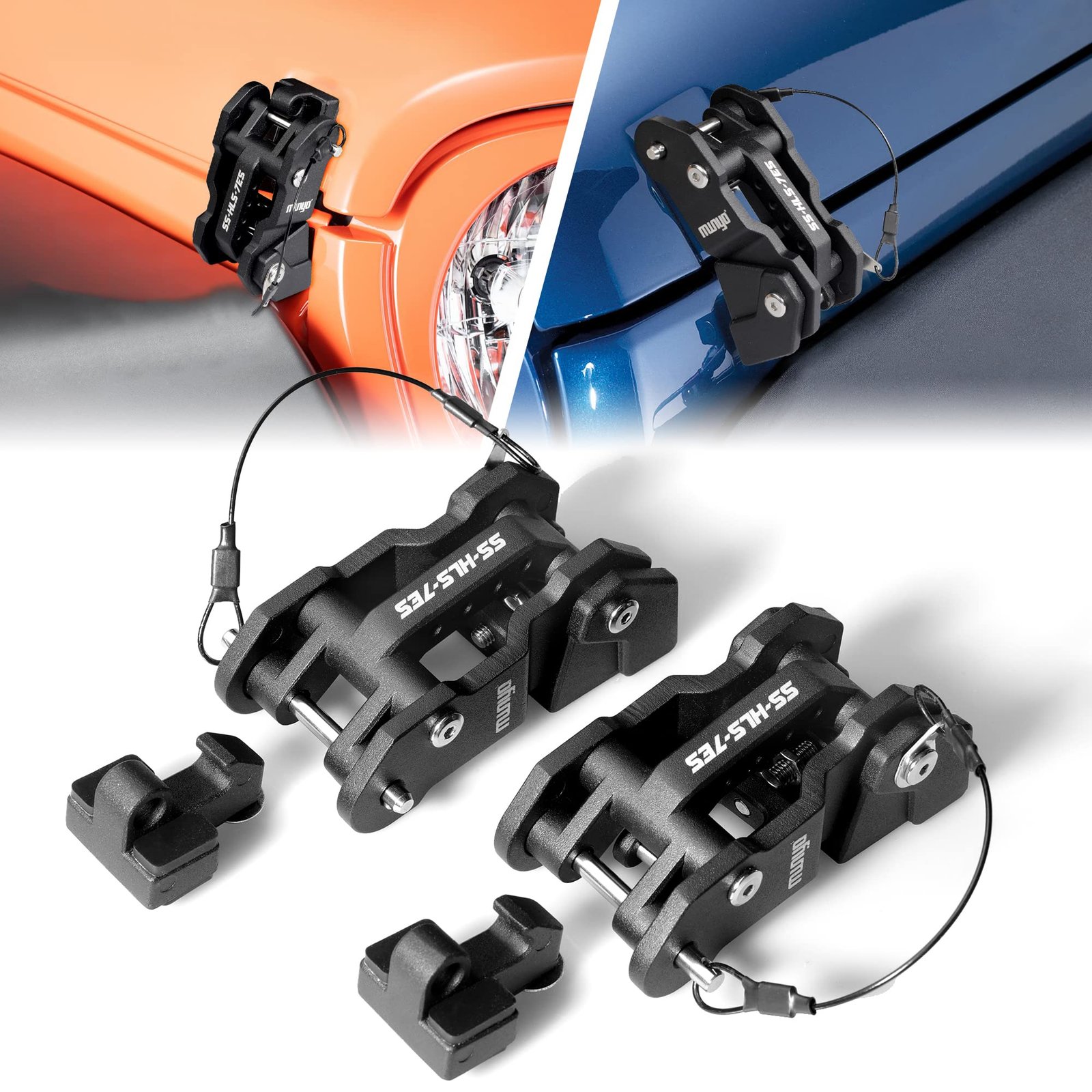
Swapping out the hood latches on your Jeep can bring real benefits—better security, a tougher look, and less hood flutter at high speeds. Whether you’re upgrading to aftermarket latches for style or replacing worn originals, the process is simple but needs careful attention.
Many Jeep owners handle this DIY project in their garage with basic tools. Here’s how to change Jeep hood latches confidently, avoid common mistakes, and pick the right parts for your vehicle.
Why Change Jeep Hood Latches?
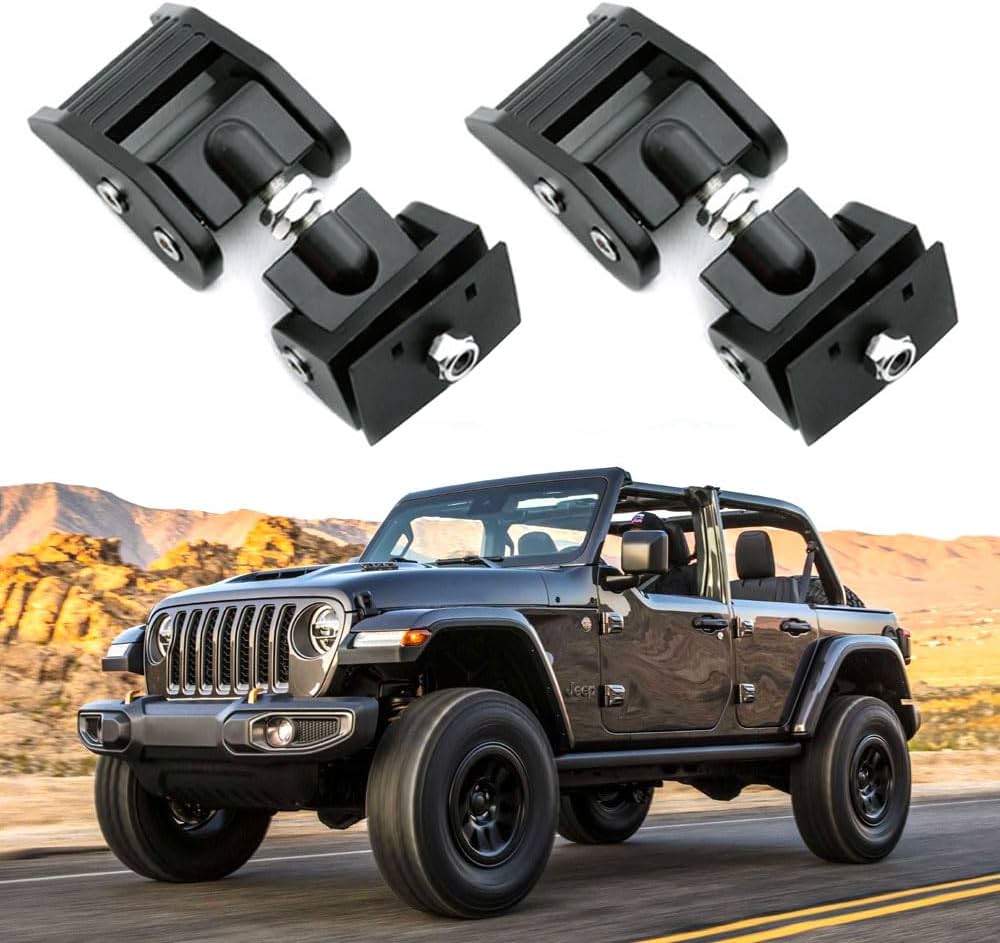
Over time, Jeep hood latches can wear out. Rubber can crack, metal parts may rust, and the latch can lose grip. This sometimes leads to hood flutter—a shaking hood—especially on highways. Newer latches often offer:
- Stronger hold to stop flutter
- Better security against theft
- Custom looks (colors, finishes, unique designs)
- More durable materials like aluminum or stainless steel
Most Jeep owners notice smoother rides and better peace of mind after upgrading.
Tools And Parts You’ll Need
Before you start, gather these basic items:
- Replacement hood latches (OEM or aftermarket)
- Socket wrench set
- Screwdriver (usually Phillips)
- Pliers
- Masking tape (optional, protects paint)
- Rust penetrant spray (for old bolts)
Some latches fit only certain Jeep models. Always check compatibility with your year and trim before buying.
Here’s a quick comparison of latch materials:
| Material | Durability | Corrosion Resistance | Appearance |
|---|---|---|---|
| Rubber | Medium | Low | Stock look |
| Stainless Steel | High | High | Shiny/Custom |
| Aluminum | High | Medium | Matte/Colored |
Step-by-step: How To Change Jeep Hood Latches
1. Prepare Your Jeep
Park on a flat surface. Engage the parking brake. Open the hood and support it securely. Use masking tape around latch areas to protect your paint from tools.
2. Remove The Old Latches
- Locate the top and bottom latch brackets—one on the hood, one on the fender.
- Spray rusty bolts with penetrant; let it sit a few minutes.
- Use a socket wrench to remove the nuts or bolts on both brackets.
- Keep all hardware in a safe spot; you may reuse some bolts.
3. Install The New Latches
- Match the new latch brackets to the old ones. Some aftermarket sets have slightly different shapes—check alignment before tightening.
- Install the bottom bracket first, then the top.
- Hand-thread bolts first to avoid cross-threading.
- Tighten bolts evenly, but don’t overtighten—most latches are designed for snug, not forceful, mounting.
4. Test The Latches
- Close the hood slowly. Make sure the latches align and snap into place.
- Open and close the hood a few times.
- Look for even gaps and make minor adjustments if needed.
5. Final Checks
- Remove any masking tape.
- Wipe away fingerprints or debris.
- Double-check bolt tightness after your first drive.
Here’s a comparison of installation times for different Jeep models:
| Jeep Model | Hood Latch Location | Average Time Needed |
|---|---|---|
| Wrangler JK (2007–2018) | On hood and fender | 20–30 minutes |
| Wrangler JL (2018+) | On hood and fender | 25–35 minutes |
| Gladiator JT | On hood and fender | 25–35 minutes |
Practical Tips For A Smooth Job
- Check fitment before removing old latches. Test the new latches on the Jeep without hardware to make sure they match.
- Don’t skip alignment. Many beginners rush, causing their hood to sit unevenly or not latch properly.
- Save your old hardware. Some aftermarket kits use factory bolts.
- Use anti-seize compound on bolts if you live in a wet or snowy area.
- Read instructions from the manufacturer. Some latches need extra steps or special washers.
Common Mistakes And How To Avoid Them
- Overtightening bolts: This can warp metal or crack plastic parts. Tighten until snug.
- Wrong latch position: Latches installed upside-down won’t close correctly.
- Ignoring test fit: Always close the hood slowly the first time. Forcing it can damage the new latch.
A non-obvious tip: Some aftermarket latches have adjustable tension. If your hood is hard to close or pops up, adjust the tensioner screw before driving.
Choosing The Right Hood Latch
When shopping for new latches, focus on:
- Material: Stainless steel for rust resistance, rubber for stock look, aluminum for custom colors.
- Locking feature: Some latches have built-in locks for theft protection.
- Brand reputation: Go for brands with positive reviews—cheap latches can fail quickly.
- Warranty: Quality latches often offer 1–3 year warranties.
Here’s a quick comparison of top brands:
| Brand | Main Material | Warranty |
|---|---|---|
| Rugged Ridge | Stainless Steel | 5 Years |
| Drake Off Road | Aluminum | 3 Years |
| Mopar (OEM) | Rubber/Plastic | 1 Year |
Wrapping Up
Changing your Jeep’s hood latches is a smart, practical upgrade. In less than an hour, you can boost safety, stop hood flutter, and even add a custom touch to your ride.
Take your time with alignment and always test before driving.
The right latches can last for years, making your Jeep ready for any adventure.
For more information about Jeep parts and upgrades, visit the official Jeep Accessories site.
Frequently Asked Questions
How Do I Know If My Jeep Hood Latches Need Replacing?
If your hood shakes at highway speeds, you see cracks in the rubber, or the latch feels loose, it’s time for a replacement. Visual checks during oil changes help spot problems early.
Are Aftermarket Hood Latches Better Than Oem?
Aftermarket latches often use stronger materials and offer added features like locking mechanisms. However, OEM latches fit perfectly and keep the Jeep’s factory look.
Can I Install Hood Latches Without Drilling?
Most replacement latches for Wranglers and Gladiators use factory mounting holes. Drilling is rarely required unless you choose a custom design.
Will Changing Hood Latches Affect My Jeep’s Warranty?
If you use OEM parts or high-quality aftermarket latches, your warranty is usually safe. Always keep your receipts and check with your dealer for peace of mind.
How Long Do Jeep Hood Latches Last?
OEM rubber latches last about 4 6 years, depending on weather and use. Stainless steel or aluminum aftermarket latches can last much longer, often over 10 years with proper care.