Changing the air filter in your Jeep Wrangler is a simple way to keep your engine healthy and your driving experience smooth. Many Jeep owners overlook this basic task, but it can make a surprising difference in both performance and fuel economy. If you’re new to car maintenance, don’t worry—replacing the air filter is easy, takes little time, and doesn’t require special tools. Here’s a clear, step-by-step guide to help you do it right.
Why The Air Filter Matters
The engine air filter stops dust, pollen, and debris from entering your engine. Over time, this filter gets dirty and clogged. A dirty air filter reduces airflow, forcing the engine to work harder. This leads to lower gas mileage, sluggish acceleration, and can even damage engine parts.
Most Jeep Wrangler manuals recommend changing the air filter every 15,000 to 30,000 miles. However, if you drive on dirt roads or in dusty areas, check it more often.
Tools And Parts Needed
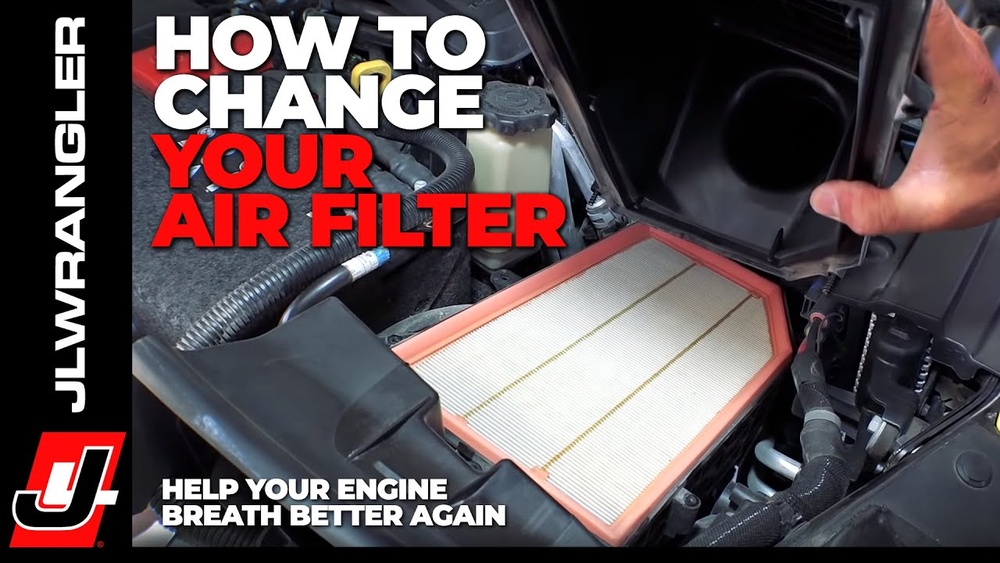
You don’t need many tools, but here’s what you should have ready:
- New air filter (check your owner’s manual for the right size)
- Screwdriver (usually Phillips or flathead)
- Clean cloth or shop towel
Some Jeep Wrangler models have clips instead of screws, so check your air box before starting.
Step-by-step: Changing The Air Filter
Follow these steps to replace your Jeep Wrangler’s air filter quickly and safely.
1. Let The Engine Cool
It’s best to work on a cold engine to avoid burns. Wait at least 30 minutes after driving.
2. Locate The Air Filter Box
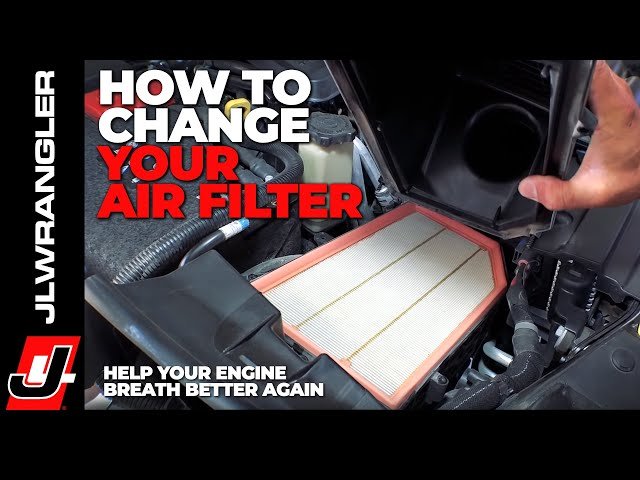
Open your hood and look for the air filter box. It’s a black plastic box near the front or side of the engine. You’ll see a large hose connected to it.
3. Open The Air Filter Box
Depending on your Wrangler’s model year:
- Clips: Unfasten the metal clips holding the lid.
- Screws: Use a screwdriver to remove the screws. Keep them in a safe place.
Gently lift the lid. If it doesn’t come off easily, check for any missed clips or screws.
4. Remove The Old Air Filter
Take out the old filter. Notice how it fits this helps you insert the new one correctly.
Check for dirt, leaves, or bugs inside the air box. Wipe it clean with a cloth.
5. Insert The New Air Filter
Place the new air filter into the box. Make sure the rubber gasket seals tightly all around. An uneven filter allows dust into the engine.
6. Close The Air Filter Box
Lower the lid and secure all clips or screws. Double-check that everything is tight to keep the filter in place.
7. Check Your Work
Look around the air box for loose tools or debris. Close the hood securely.
Comparing Air Filter Types
Not all air filters are the same. Here’s a quick comparison to help you choose:
| Type | Lifespan | Pros | Cons |
|---|---|---|---|
| Pleated Paper | 15,000–30,000 miles | Low cost, good filtration | Single-use, not reusable |
| Cotton Gauze (Oiled) | Up to 50,000 miles | Reusable, better airflow | Needs cleaning, higher price |
| Foam | 20,000–30,000 miles | Good for dusty roads | May need oiling, less common |
Tip: For most Jeep owners, a quality pleated paper filter is fine. If you drive off-road or want more power, consider a reusable cotton or foam filter.
Signs You Need A New Air Filter
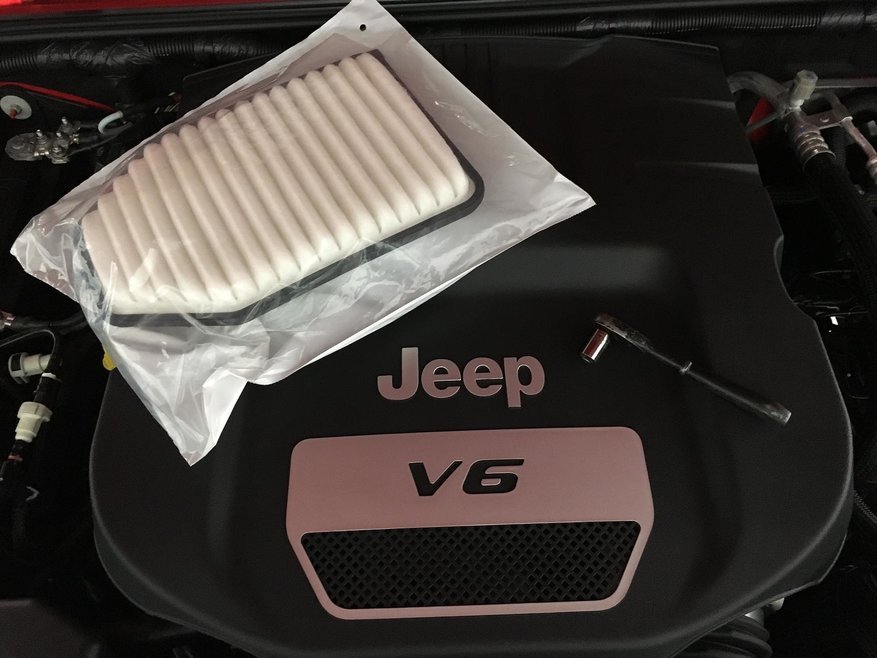
Sometimes, you’ll need to change the filter sooner than the manual suggests. Watch for these signs:
- Reduced acceleration
- Lower fuel economy
- Rough engine idle
- Check engine light comes on
- Dirty or clogged filter when you check visually
How Changing The Filter Helps Performance
A clean air filter lets your engine breathe better. This means:
- More power during acceleration
- Better gas mileage
- Lower risk of engine wear from dirt
For example, studies show that a dirty air filter can reduce fuel efficiency by up to 10%. Replacing it is one of the quickest ways to improve performance without spending much money.
Common Mistakes To Avoid
Beginners often make small mistakes that can cause problems later. Here are two to keep in mind:
- Forgetting to seal the air box: If the lid isn’t tight, dust can enter and harm your engine. Always double-check the seal.
- Buying the wrong filter size: Filters can look similar but fit differently. Double-check your Jeep’s model year before buying.
Another tip: Don’t clean a paper filter and reuse it—this can damage the filter and your engine.
Cost Of Air Filter Replacement
Changing the air filter yourself is much cheaper than going to a shop.
| Method | Estimated Cost | Time Needed |
|---|---|---|
| DIY (Paper Filter) | $15–$30 | 10–15 minutes |
| Mechanic Shop | $40–$60 | 30–45 minutes (with wait) |
| Cotton/Oiled Upgrade | $40–$80 | 10–15 minutes |
Doing it yourself saves time and money, plus you learn more about your vehicle.

When To Ask For Help
Most people can change their Jeep Wrangler’s air filter without problems. But if the air box is hard to open, screws are stuck, or you’re unsure about the filter type, it’s smart to ask a friend or a mechanic.
For newer models with sensors near the air box, extra care is needed.
Where To Learn More
If you want to see a video or need more details, check the owner’s manual for your Jeep Wrangler. You can also find trustworthy step-by-step guides on Wikipedia.
Frequently Asked Questions
How Often Should I Change My Jeep Wrangler’s Air Filter?
Most manuals suggest every 15,000 to 30,000 miles. If you drive in dusty or dirty conditions, check it more often.
Can I Clean And Reuse My Jeep Wrangler’s Air Filter?
Standard paper filters are not reusable. Only certain cotton or foam filters can be cleaned and reused. Always follow the manufacturer’s instructions.
What Happens If I Don’t Change The Air Filter?
A dirty filter can cause reduced power, poor fuel economy, and even engine damage over time. It also increases emissions.
Is It Safe To Use Aftermarket Performance Air Filters?
Many aftermarket filters are safe, but some let in more dirt. Always choose filters from trusted brands and check reviews before buying.
Do I Need Any Special Tools To Change The Air Filter?
Usually, you only need a screwdriver or your hands (for clips). No special tools are required for most Jeep Wrangler models.
Taking care of your Jeep Wrangler’s air filter is a small step that delivers big benefits. Regular changes keep your engine healthy, your drives enjoyable, and help you avoid expensive repairs down the road.
If you haven’t checked your filter lately, now is the perfect time to give your Jeep the attention it deserves.