If your Jeep Cherokee is running hotter than usual or the heater isn’t blowing warm air, the thermostat might be the culprit. Changing the thermostat yourself can save you time and money, and it’s easier than you might think.
You don’t need to be a mechanic to tackle this job you just need the right tools, some patience, and a clear step-by-step plan.
In this guide, you’ll learn exactly how to change a thermostat in your Jeep Cherokee, helping you get your ride back to perfect running temperature quickly and safely.
Keep reading, and you’ll be ready to handle this repair like a pro.
Preparation And Tools
Preparing to change the thermostat in your Jeep Cherokee sets the foundation for a smooth job. Gather the right tools and follow safety steps carefully. Proper preparation saves time and prevents damage.
Knowing what tools you need and how to keep the engine safe will make the process easier. Cooling the engine before starting is important to avoid burns.
Essential Tools
Have these tools ready before you begin. A socket set with ratchet helps remove bolts fast. Hose clamp pliers make removing hoses easier.
A flathead screwdriver is useful for prying off parts. A new thermostat and gasket are needed for replacement. A torque wrench ensures bolts are tightened to the right level.
Safety Precautions
Always work on a cold engine. Hot coolant can spray and cause serious burns. Wear gloves and safety glasses to protect your hands and eyes.
Keep a fire extinguisher nearby, just in case. Disconnect the battery to avoid electrical shocks. Keep the work area clean and well-lit.
Engine Cooling Tips
Let the Jeep sit for several hours after driving. Check the radiator cap only when the engine is cool. Use a rag to slowly open the cap and release pressure.
Drain some coolant into a container to prevent spills. Use coolant recommended for Jeep Cherokee models. Proper cooling prevents injuries and protects the engine.
Accessing The Thermostat
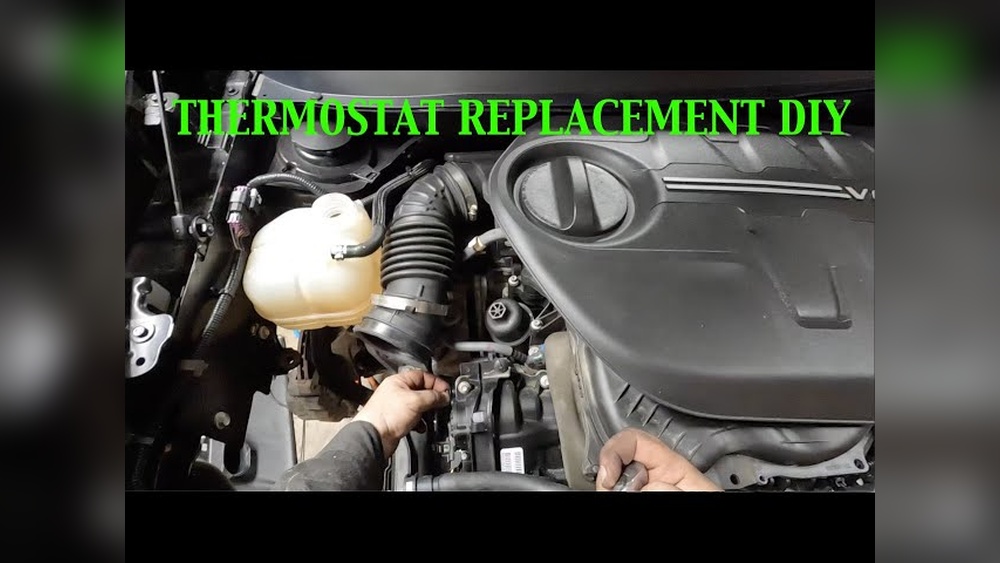
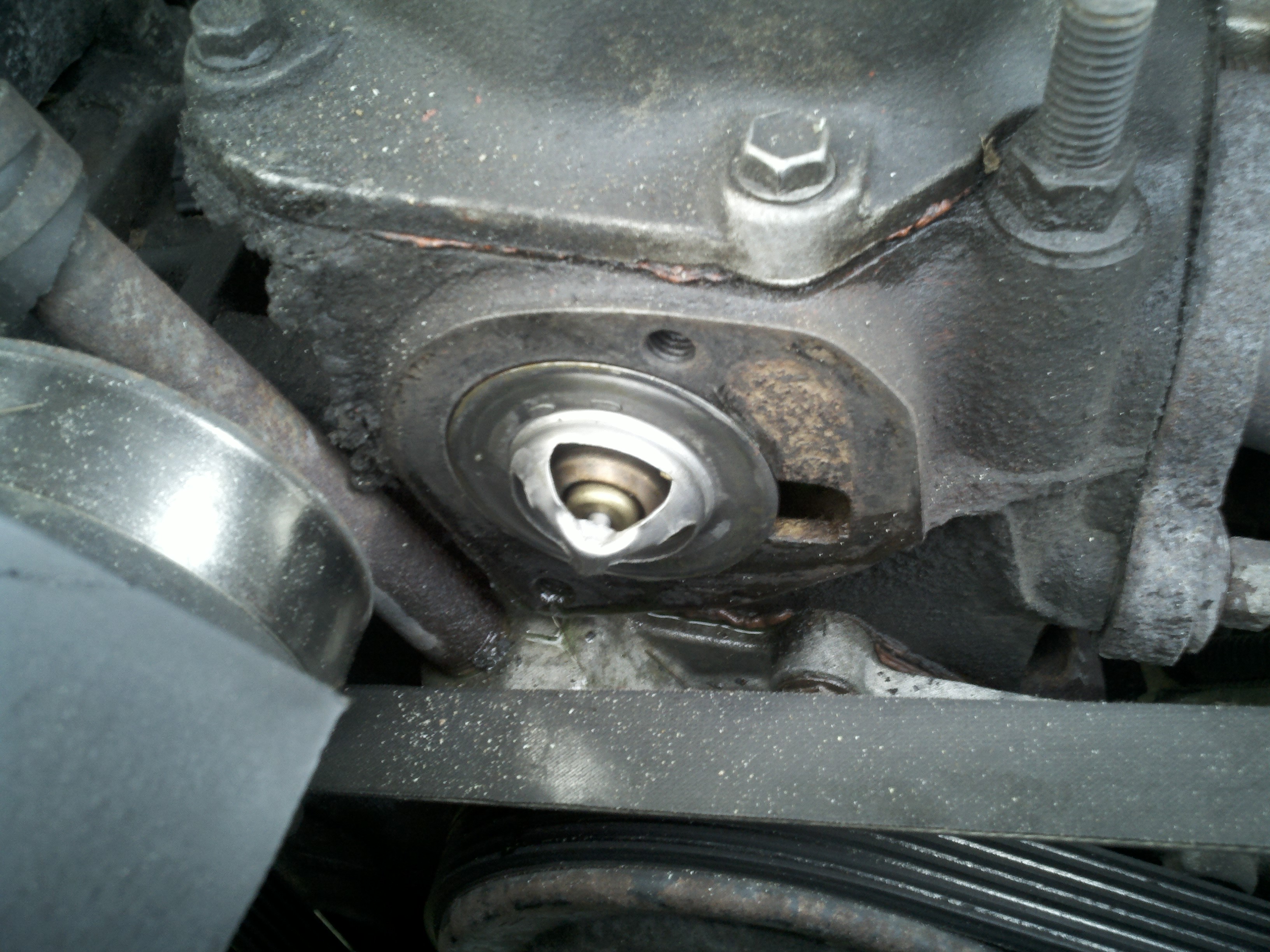
Accessing the thermostat in your Jeep Cherokee is the first step to a successful replacement. The thermostat sits inside the engine bay, but several components block easy access. Removing these parts carefully will give you clear visibility and room to work. This section covers the essential steps to reach the thermostat safely and efficiently.
Removing Engine Cover
Start by locating the engine cover on top of the engine block. It is usually secured with bolts or clips. Use a socket wrench or screwdriver to remove these fasteners. Lift the engine cover gently and set it aside. Removing this cover exposes the components underneath, including the thermostat housing.
Detaching Air Intake Components
Next, you need to detach the air intake components. The air intake hose and ductwork often run across the engine bay. Loosen the hose clamps with a screwdriver or pliers. Carefully pull the air intake hoses away from the throttle body and air filter box. Set these parts aside without damaging the clamps or hoses. Clearing the air intake parts gives you better access to the thermostat housing and related hoses.
Removing Old Thermostat
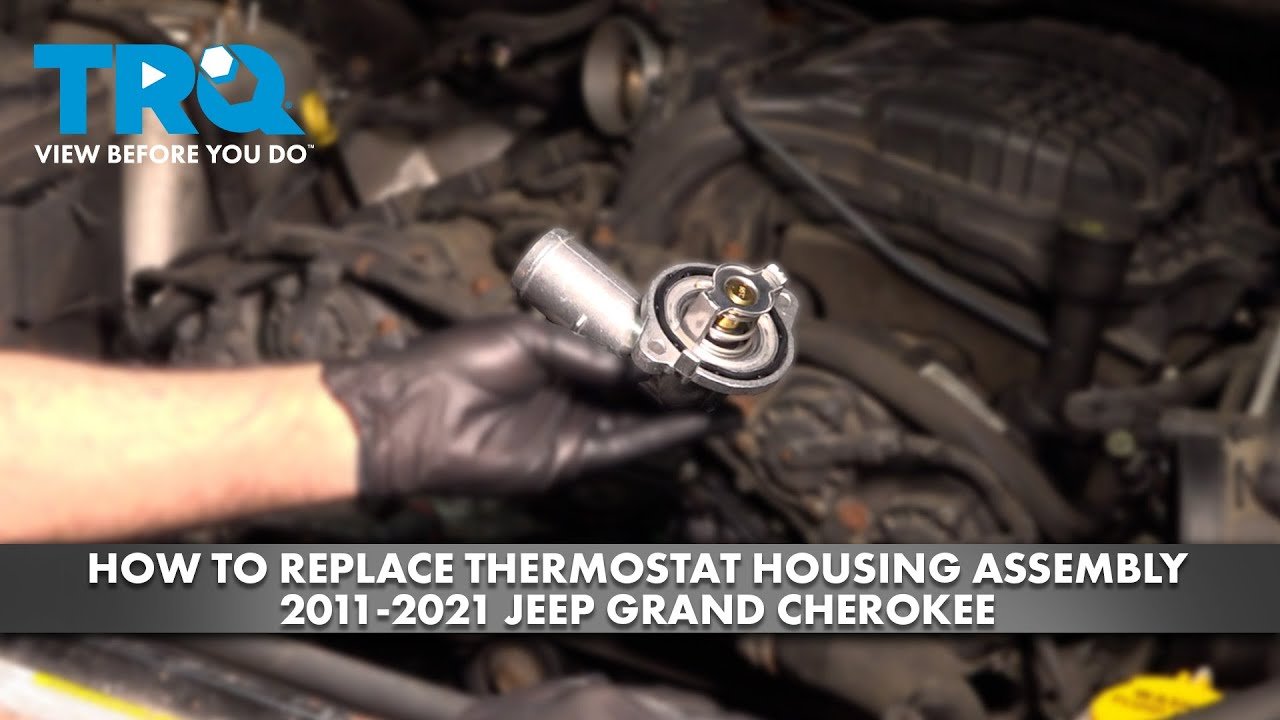
Removing the old thermostat from your Jeep Cherokee is the first major step in the replacement process. This task requires careful handling to avoid damage to the cooling system components. Follow these steps to safely remove the thermostat and prepare for the installation of the new one.
Disconnecting Radiator Hoses
Start by locating the radiator hoses connected to the thermostat housing. Use hose clamp pliers to slide the clamps away from the housing. Gently twist and pull the hoses free. Be ready for some coolant to leak out, so have a drain pan or rags nearby.
Unplugging Coolant Sensor
Next, find the coolant temperature sensor attached to the thermostat housing. Carefully unplug the electrical connector. Avoid pulling on the wires directly to prevent damage. This step ensures the sensor is free from the housing for easy removal.
Removing Thermostat Housing Bolts
Locate the bolts that secure the thermostat housing to the engine block. Use a suitable socket wrench to remove these bolts. Applying penetrating oil beforehand can help loosen tight bolts. Keep the bolts safe for reinstalling the housing later.
Cleaning And Preparing Surfaces
Cleaning and preparing surfaces is a important step before installing a new thermostat in your Jeep Cherokee. Proper surface preparation ensures the new gasket seals correctly and prevents leaks. Take your time to remove all old gasket material and clean the mating surfaces thoroughly. This process helps maintain the engine’s cooling system integrity.
Scraping Old Gasket Material
Use a razor blade or gasket scraper to remove old gasket material. Be careful not to damage the engine block or thermostat housing surface. Scrape gently but thoroughly until all residue is gone. Even small bits of old gasket can cause leaks or prevent a proper seal. Check the surface closely for any stubborn spots and remove them.
Cleaning Mating Surfaces
After scraping, clean the mating surfaces with a lint-free cloth. Use a small amount of brake cleaner or rubbing alcohol to remove oil and dirt. Avoid using harsh solvents that could damage the metal. Make sure the surface is dry and smooth before placing the new gasket. A clean surface helps the thermostat fit perfectly and prevents coolant leaks.
Installing New Thermostat
Installing a new thermostat in your Jeep Cherokee is a key step to keep your engine running at the right temperature. This process ensures the cooling system works efficiently. Careful handling during installation will prevent leaks and overheating. Follow these steps to properly install the thermostat and maintain your vehicle’s performance.
Positioning Thermostat
Place the new thermostat in the engine block carefully. The spring side should face inward, towards the engine. Make sure it sits flat in the groove. A correct position allows it to open and close properly. Avoid forcing it, as this can cause damage or leaks.
Placing New Gasket
Use a fresh gasket to create a tight seal. Align the gasket with the thermostat housing. Check that no part of it is folded or damaged. This prevents coolant from escaping. A proper seal keeps your engine coolant system airtight and efficient.
Reattaching Housing And Bolts
Put the thermostat housing back over the thermostat and gasket. Hand-tighten the bolts first to avoid cross-threading. Use a torque wrench to tighten bolts to factory specifications. This ensures a secure fit without cracking the housing. Reattach hoses and clamps firmly to prevent leaks.
Reconnecting Components
Reconnecting the components after installing a new thermostat is a vital step. It ensures the cooling system functions properly. Take your time and follow each step carefully. Incorrect connections can cause leaks or engine overheating.
Reattaching Hoses And Clamps
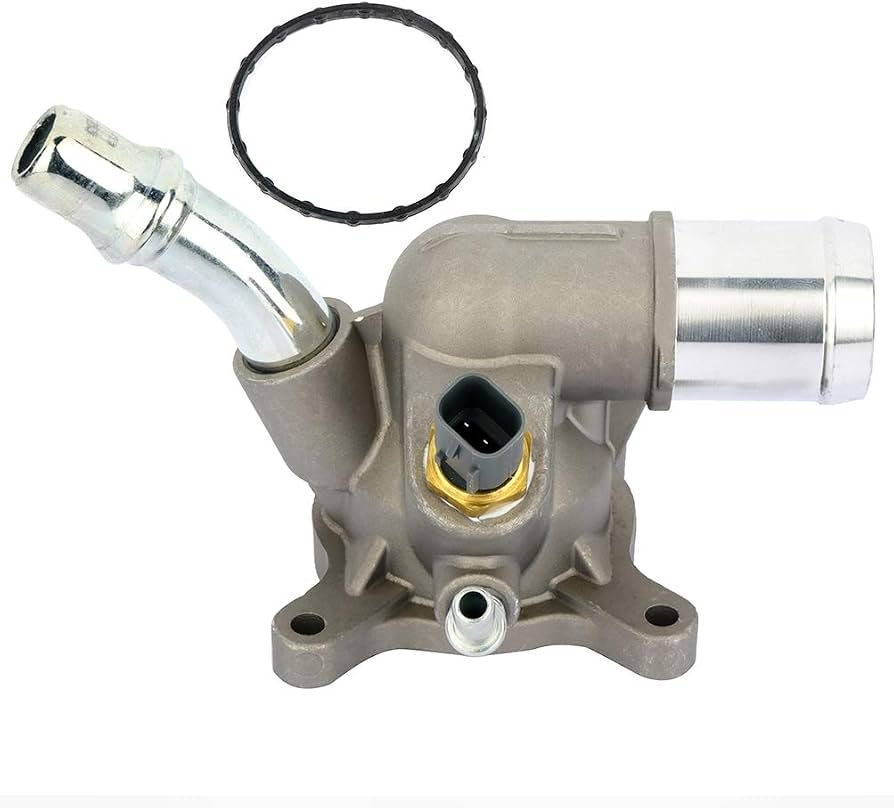
Start by sliding the radiator hoses back onto the thermostat housing. Push them firmly to create a tight seal. Next, reposition the hose clamps over the ends of the hoses. Use pliers or a screwdriver to tighten the clamps securely. Make sure the clamps hold the hoses in place without crushing them. Double-check for any gaps or loose spots. Proper hose attachment prevents coolant leaks and keeps the system sealed.
Plugging In Coolant Sensor
Locate the coolant temperature sensor near the thermostat housing. Align the sensor’s connector with the socket carefully. Press the connector until it clicks into place. This connection allows the engine control unit to monitor temperature. A secure sensor plug helps maintain accurate temperature readings. Loose or damaged connections may cause false readings or engine warning lights.
Refilling And Bleeding Cooling System
After replacing the thermostat in your Jeep Cherokee, refilling and bleeding the cooling system is important. This step ensures your engine stays at the right temperature and prevents overheating. Properly filling the coolant and removing trapped air helps maintain optimal cooling system performance.
Filling Coolant Reservoir
Start by opening the coolant reservoir cap. Use a 50/50 mix of antifreeze and distilled water for the best results. Slowly pour the coolant into the reservoir until it reaches the full mark. Avoid overfilling, as the coolant needs room to expand when hot. Replace the cap securely once filled.
Bleeding Air From System
Air pockets can cause overheating and poor cooling. Locate the bleeder valve near the thermostat housing if your model has one. Open the valve slightly to let trapped air escape as you add more coolant. Keep the reservoir topped up during this process. Close the valve tightly after no more air bubbles appear.
Running Engine And Monitoring
Start the engine and set the heater to maximum heat. This helps coolant circulate through the heater core. Watch the temperature gauge closely for any signs of overheating. Add coolant to the reservoir if the level drops. Let the engine run until it reaches normal operating temperature and the thermostat opens. Check for leaks and ensure the cooling system is functioning properly.
Troubleshooting Tips
Troubleshooting a thermostat issue in your Jeep Cherokee can save time and money. Recognizing the signs early helps prevent engine overheating or poor heating inside the cabin. This section covers simple tips to identify problems and common cooling system issues. Follow these guidelines to spot thermostat troubles and keep your Jeep running smoothly.
Identifying Thermostat Issues
Look for these signs to detect thermostat problems:
- Engine temperature stays low for a long time after starting.
- Overheating engine during normal driving conditions.
- Fluctuating temperature gauge readings on the dashboard.
- Heater inside the car not producing warm air.
- Coolant leaks near the thermostat housing.
- Visible corrosion or damage on the thermostat housing.
These clues often point to a thermostat stuck open or closed. A stuck closed thermostat stops coolant flow, causing overheating. A stuck open one keeps the engine too cool, lowering fuel efficiency and cabin heat.
Common Jeep Cherokee Cooling Problems
Besides the thermostat, other issues may affect the cooling system:
- Low coolant levels due to leaks or evaporation.
- Broken or loose radiator hoses causing poor coolant flow.
- Malfunctioning water pump that fails to circulate coolant.
- Clogged radiator reducing cooling efficiency.
- Faulty radiator fan not running when needed.
- Defective temperature sensors giving wrong readings.
Inspect all these parts carefully when troubleshooting. Fixing a thermostat alone might not solve the problem if other components fail. Proper diagnosis ensures your Jeep Cherokee stays cool and reliable.
Cost And Diy Considerations
Replacing the thermostat in your Jeep Cherokee can save money and extend engine life. Before starting, consider the costs and whether to do it yourself. Knowing the expenses and challenges helps you plan better. Here are key points about cost and DIY factors.
Thermostat Replacement Costs
The thermostat part itself usually costs between $15 and $40. Prices vary by brand and Jeep model year. You may also need a new gasket, which costs about $5 to $10. If you buy a thermostat kit, expect to pay around $30 to $50 total.
Labor charges at a mechanic shop often range from $100 to $200. This depends on the shop’s rates and how long the job takes. Total replacement costs can reach $150 to $250 if you use professional services.
DIY replacement cuts costs significantly. You only pay for parts and any special tools you lack. Thermostat replacement is a moderate task but needs care to avoid leaks or damage.
When To Seek Professional Help
Choose a professional if you lack tools or mechanical skills. Complex engine layouts may make access to the thermostat difficult. Also, if the cooling system has other issues, a mechanic can spot them.
Signs to visit a shop include coolant leaks, overheating, or engine warning lights. Professionals ensure correct installation and proper coolant bleeding. Improper work risks engine damage or poor performance.
If you feel unsure about removing hoses or bolts safely, ask for help. Proper torque on bolts and a clean gasket surface are important. Professionals have experience and equipment to do the job right.
<!– wp:rank-math/faq-block {"questions":[{"id":"faq-question-0e662c821bf9","title":"How Much Does It Cost To Replace A Thermostat In A Jeep Cherokee?","content":"Replacing a thermostat in a Jeep Cherokee typically costs between $150 and $300. Prices vary by model, parts, and labor fees.
“,”visible”:true},{“id”:”faq-question-213c234075c9″,”title”:”Can I Replace My Car Thermostat Myself?”,”content”:”Yes, you can replace your car thermostat yourself with basic tools. Ensure the engine is cool, follow safety steps, and carefully install the new thermostat.
“,”visible”:true},{“id”:”faq-question-4062e083e836″,”title”:”How Do I Know If My Jeep Thermostat Is Bad?”,”content”:”A bad Jeep thermostat causes engine overheating or running cold. Watch for fluctuating temperature, heater issues, or coolant leaks. Check if the engine temperature stays too high or low after warming up.
“,”visible”:true},{“id”:”faq-question-0880cc8250c1″,”title”:”What Is The Most Common Problem With A Jeep Cherokee?”,”content”:”The most common problem with a Jeep Cherokee is transmission failure. Many owners report rough shifting and slipping issues.
“,”visible”:true}]} –>How Much Does It Cost To Replace A Thermostat In A Jeep Cherokee?
Replacing a thermostat in a Jeep Cherokee typically costs between $150 and $300. Prices vary by model, parts, and labor fees.
Can I Replace My Car Thermostat Myself?
Yes, you can replace your car thermostat yourself with basic tools. Ensure the engine is cool, follow safety steps, and carefully install the new thermostat.
How Do I Know If My Jeep Thermostat Is Bad?
A bad Jeep thermostat causes engine overheating or running cold. Watch for fluctuating temperature, heater issues, or coolant leaks. Check if the engine temperature stays too high or low after warming up.
What Is The Most Common Problem With A Jeep Cherokee?
The most common problem with a Jeep Cherokee is transmission failure. Many owners report rough shifting and slipping issues.
Conclusion
Changing the thermostat in your Jeep Cherokee helps keep the engine running at the right temperature. Follow each step carefully for a safe and successful replacement.
Use the right tools and work on a cool engine to avoid injury. Double-check all connections and refill the coolant properly to prevent overheating.
Taking your time ensures the job is done well without extra costs. Now your Jeep can cool efficiently and perform better on every drive.
Simple maintenance like this saves money and keeps your vehicle reliable.