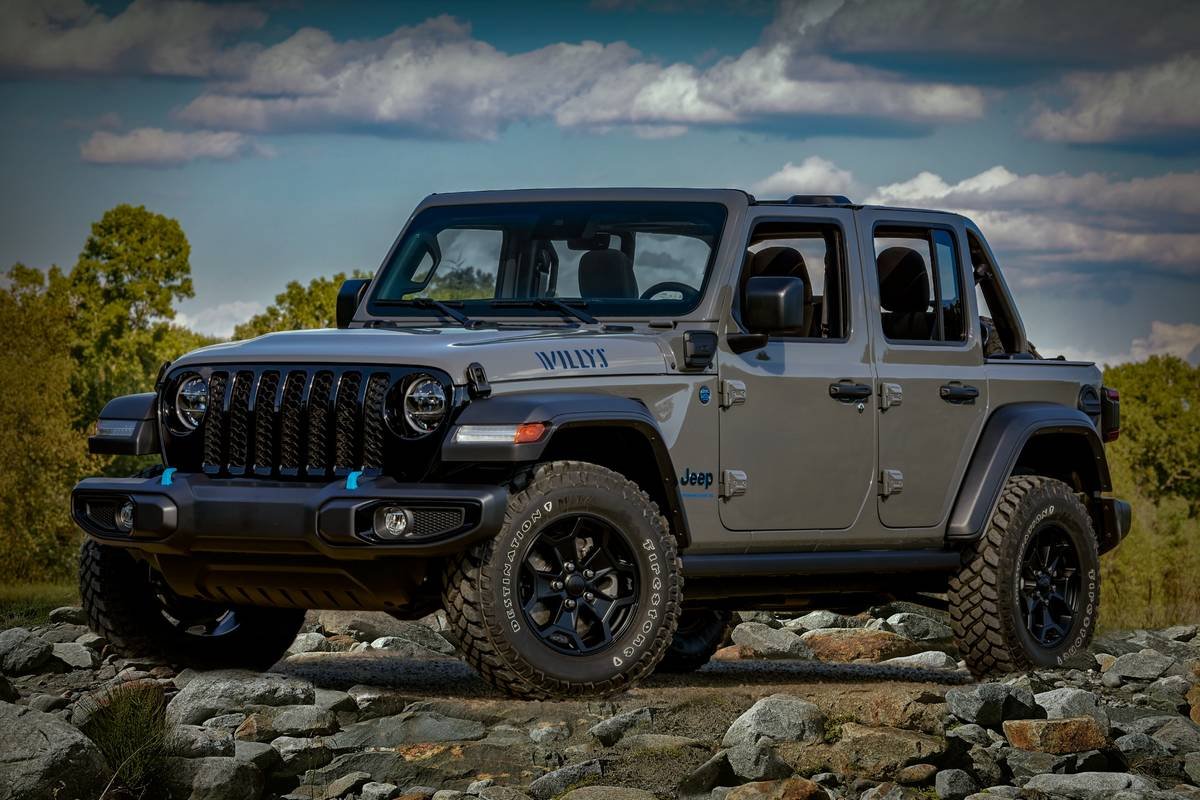
Buying a Jeep is more than just picking a car it's about choosing a vehicle for adventure, style, and reliability.
Whether you want a rugged off-roader like the Wrangler or a family-friendly Grand Cherokee, the process can feel confusing, especially for first-time buyers.
The good news is, with the right steps, you can find the perfect Jeep for your needs and budget.

Know Your Jeep Models
Jeep offers several models, each with its own strengths. Understanding the differences helps you avoid paying for features you don’t need or missing out on something important.
| Model | Main Use | Starting Price (2024) |
|---|---|---|
| Wrangler | Off-roading, adventure | $33,690 |
| Grand Cherokee | Family, comfort, towing | $39,535 |
| Compass | City, light trails | $28,400 |
| Gladiator | Pickup, utility | $39,790 |
| Renegade | Compact, urban | $24,195 |
Key insight: Not all Jeeps are built for serious off-roading. For example, the Compass and Renegade are better for city driving, while the Wrangler is famous for tough terrain.
Set Your Budget
Setting a budget is critical. New Jeeps range from $24,000 to over $70,000, depending on trim and features. Consider these costs:
- Down payment: Usually 10-20% of the price
- Monthly payments: Depending on loan terms and interest
- Insurance: Jeeps can cost more to insure because of their value and use
- Maintenance: Off-road use can mean higher repair costs
Pro tip: Don’t spend your entire savings. Leave room for taxes, registration, and unexpected expenses.
New Vs. Used Jeep: What’s Best?
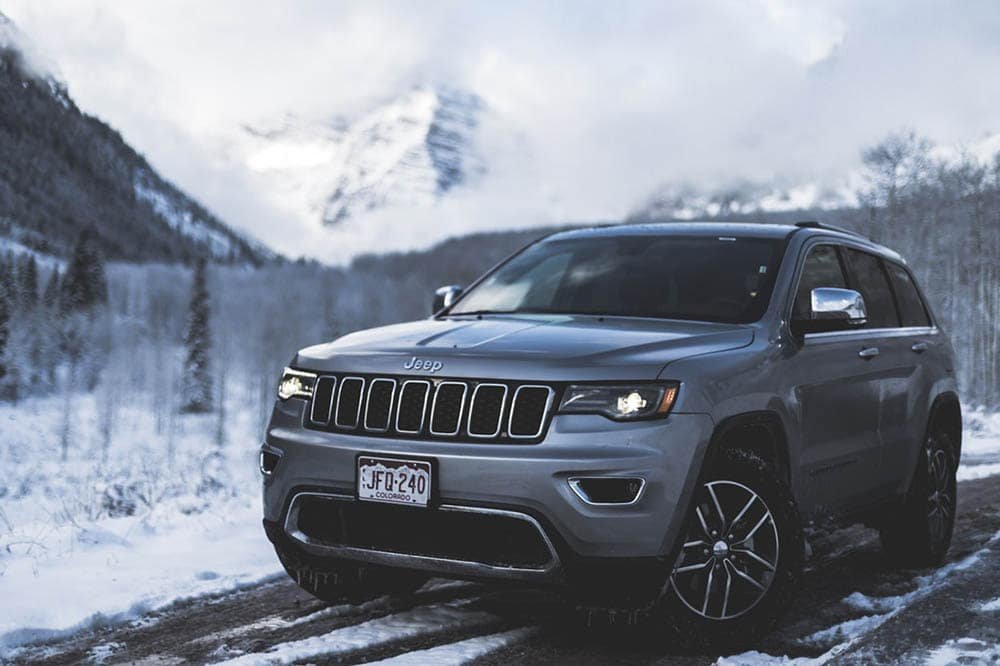
Both options have advantages. New Jeeps offer the latest features and full warranties, but they lose value quickly.
Used Jeeps can be more affordable, but may need more repairs.
| Factor | New Jeep | Used Jeep |
|---|---|---|
| Price | Higher | Lower |
| Warranty | Full | May be limited |
| Features | Latest tech | Varies |
| Depreciation | Faster | Slower |
Non-obvious tip: Some older Jeep models, like the 2012-2017 Wrangler, hold their value very well and have strong community support.
Research And Compare
Before you visit a dealer, research the model and trim you want. Use trusted sources like the official Jeep website, car review sites, and owner forums.
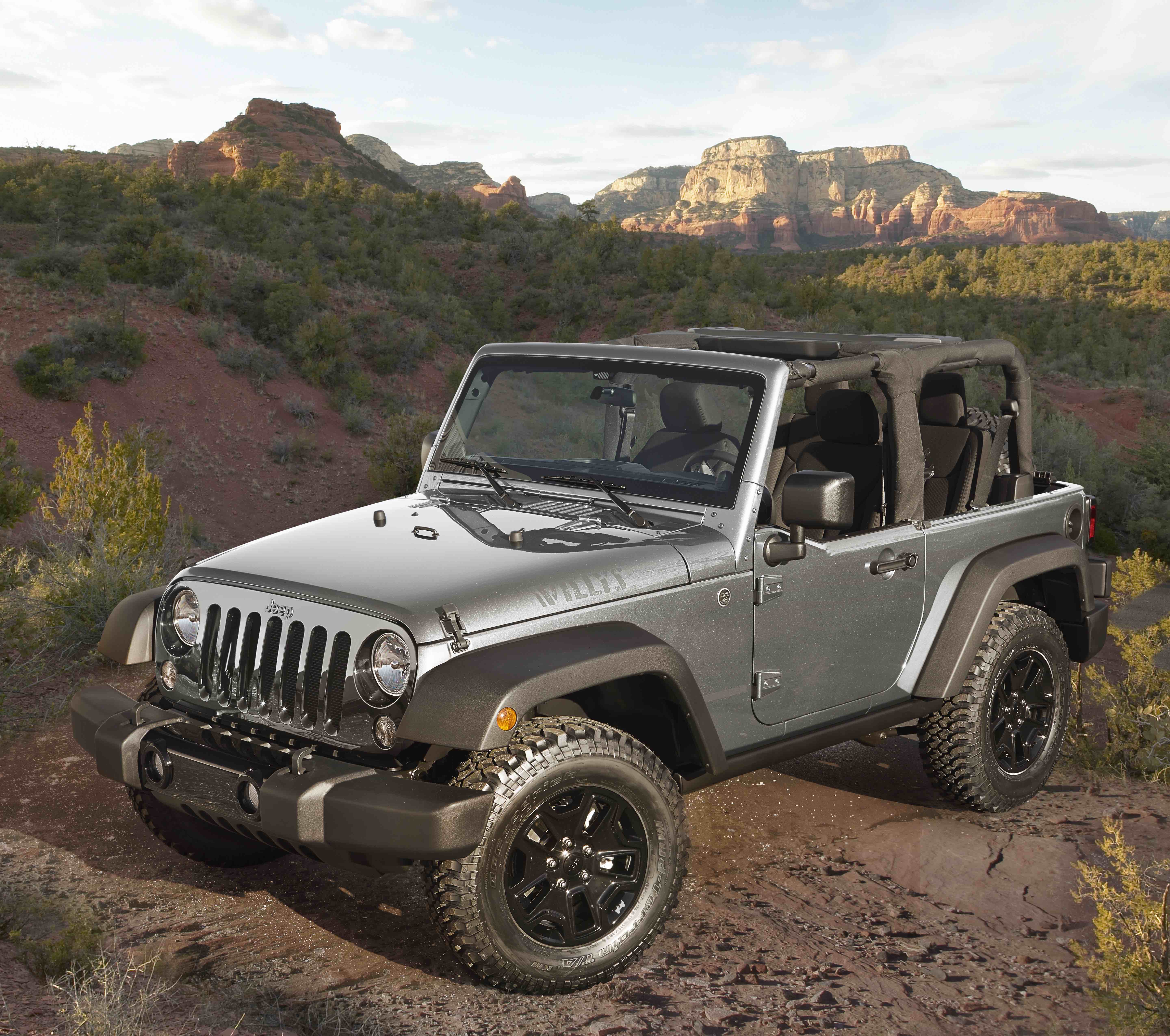
- Compare trims: Each model has several trims with different features. For example, the Wrangler comes in Sport, Sahara, and Rubicon.
- Check reliability: Some years have better records for reliability. Look for owner reviews or reports from sources like J.D. Power.
- Look for incentives: Jeep often offers cash rebates or low-interest financing, especially at year-end.
Smart move: Make a checklist of must-have features versus “nice-to-have” ones. This helps you avoid paying extra for things you don’t need.
Test Drive And Inspect
Never buy a Jeep without a test drive. Bring a friend or family member for a second opinion.
- Comfort: Make sure you fit comfortably, especially if you are tall or have children.
- Performance: Test how it drives on city streets and, if possible, rougher roads.
- Technology: Check that features like navigation, Bluetooth, and cameras work well.
- Noise: Jeeps, especially Wranglers, can be noisier than other SUVs. Make sure the sound level is acceptable for you.
If buying used, inspect for:
- Rust or frame damage: Especially under the vehicle
- Leaks: Oil or coolant leaks can mean expensive repairs
- Tire wear: Uneven wear might signal alignment issues
- Off-road use: Look for scratches or dents underneath
Negotiate The Best Deal
Dealers expect you to negotiate. Here’s how you can save money:
- Get pre-approved financing: This gives you more power in price talks.
- Know the invoice price: This is what the dealer paid for the car. Aim for a price close to this.
- Be ready to walk away: Don’t be pressured into a bad deal.
Extra tip: Ask about extras like free oil changes, floor mats, or extended warranties. Sometimes these can be added for free if you ask.
Finalize And Protect Your Purchase
Once you agree on a price, review every document before signing. Make sure:
- All promises are in writing
- No hidden fees appear in the contract
- You understand the warranty coverage
Consider adding gap insurance if you finance the Jeep. This covers the difference between your loan and the car’s value if it’s totaled soon after purchase.
Common mistake: Not checking the vehicle identification number (VIN) against the title. This simple check can help you avoid buying a stolen or rebuilt car.
Frequently Asked Questions
What Is The Most Reliable Jeep Model?
The Jeep Grand Cherokee is often rated as the most reliable, thanks to its strong engine options and comfortable ride. However, certain years are better than others—check recent owner reviews for details.
Are Jeeps Expensive To Maintain?
Jeeps can cost more to maintain than some other SUVs, especially if used off-road. Routine maintenance like oil changes and tire rotations are similar to other cars, but repairs can be pricier if you damage suspension or 4×4 parts.
Should I Buy A Jeep For City Driving?
Yes, some models like the Jeep Compass or Renegade are designed for city use. They are smaller and easier to park but still have Jeep’s signature style.
How Do I Check If A Used Jeep Was Used Off-road?
Look for underbody scratches, dents, and mud in hard-to-clean places. Ask for maintenance records—responsible off-road owners usually keep detailed service logs.
Where Can I Find More Information About Jeep Models?
For detailed specs and the latest models, visit the official Jeep website. It also lists current offers and dealer locations.
Choosing a Jeep is a big decision, but with some research and careful steps, you’ll find a model that fits your lifestyle. Remember to focus on your real needs, test drive before buying, and don’t rush the process. Happy Jeep hunting!