Building a mini jeep is a rewarding project for anyone who loves DIY, engineering, or just wants a unique ride for off-road fun.
Whether you’re looking for a cool weekend vehicle or a special gift for your kids, a mini jeep blends creativity with hands-on skills.
But where do you start? What parts and tools do you need?
And how can you make sure the project is safe and reliable? Here’s a practical guide to help you build your own mini jeep from scratch.
Planning Your Mini Jeep Project
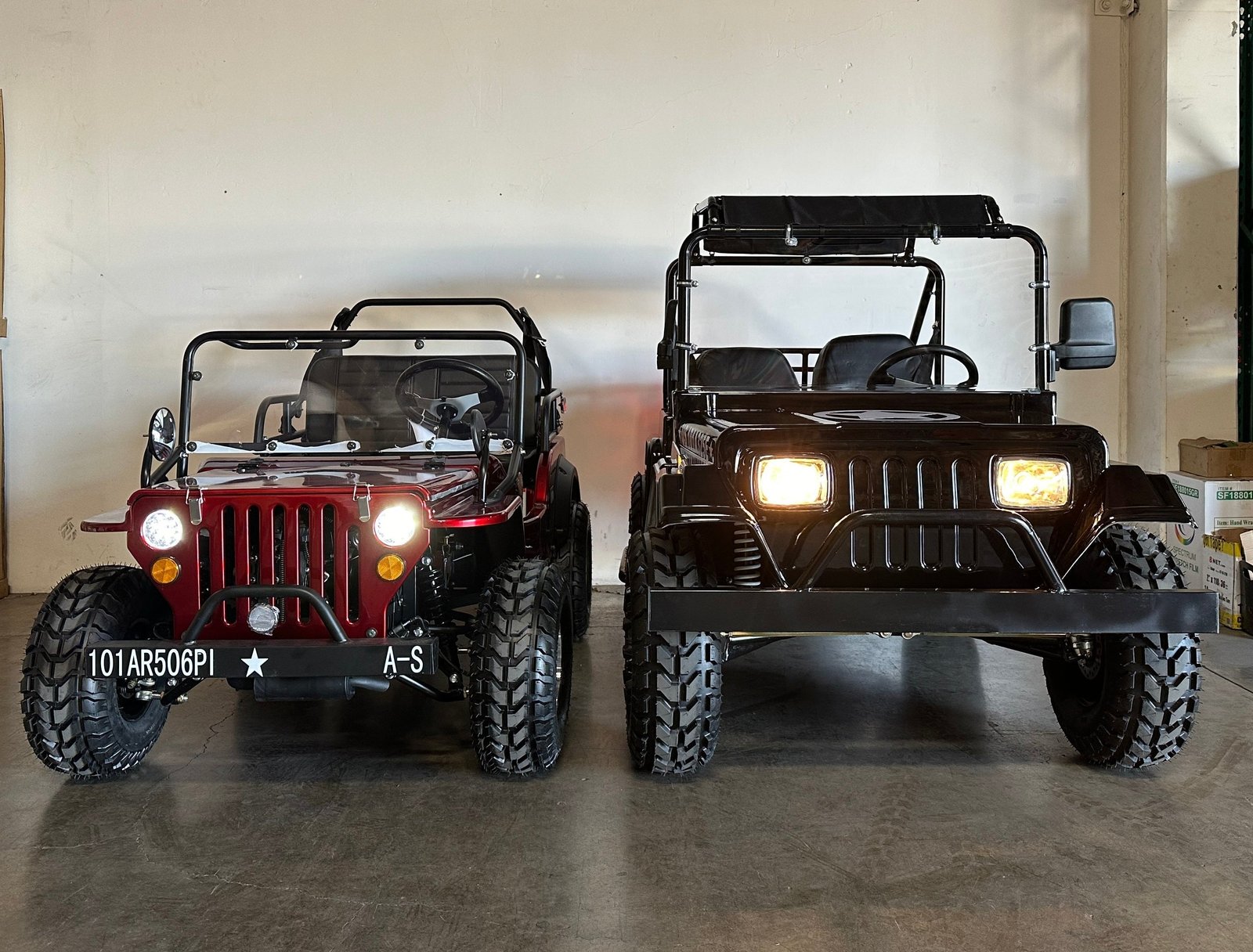
Before you buy parts, it’s smart to define your goal. Do you want a small, kid-friendly electric jeep or a gas-powered mini vehicle for adults? Size, engine type, and budget will shape your decisions. Most mini jeeps measure 4-6 feet long and 2-3 feet wide.
Budget is another key factor. A basic mini jeep can cost $600–$1,500 in parts if you buy everything new. Using recycled parts will lower costs, but may require more work. Allow extra for tools and unexpected expenses.
Essential Parts And Tools
Here’s a quick list of what you’ll need:
- Frame (steel tubing or pre-made chassis)
- Engine or motor (small gas engine or electric motor)
- Transmission (centrifugal clutch or gearbox)
- Axles and wheels (go-kart or ATV type)
- Suspension (springs, shocks)
- Steering system (rack-and-pinion or go-kart style)
- Brakes (disc or drum)
- Body panels (sheet metal, fiberglass, or plastic)
- Seats and seat belts
- Wiring and lights (if electric or street legal)
Tools: Welder, angle grinder, wrenches, screwdrivers, drill, safety gear.
Example: Gas Vs. Electric Power
| Feature | Gas Engine | Electric Motor |
|---|---|---|
| Power | 3–6 hp (typical) | 500–1500W |
| Noise | Loud | Quiet |
| Maintenance | High | Low |
| Fuel Cost | Higher | Lower |
Step-by-step Build Process
1. Build Or Buy The Frame
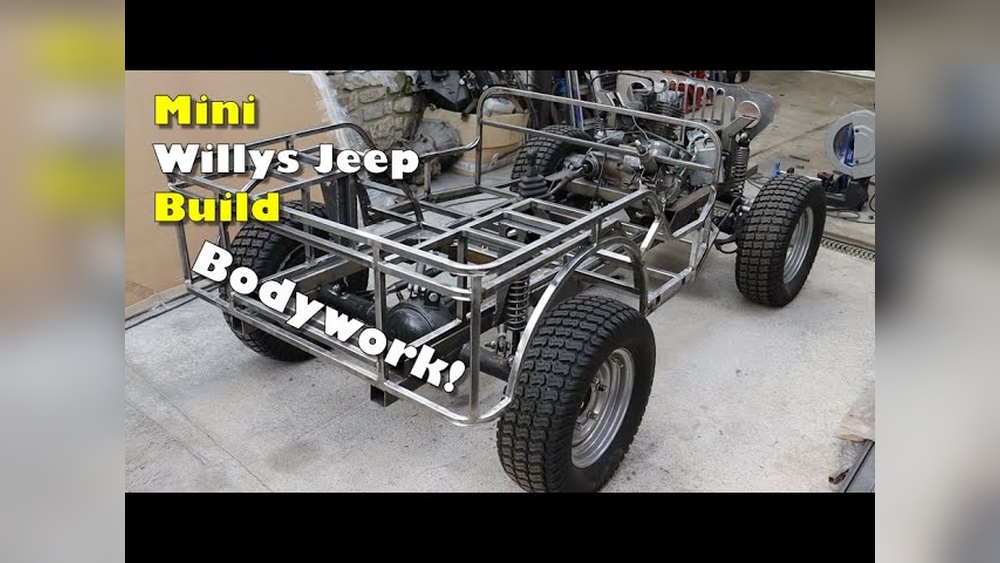
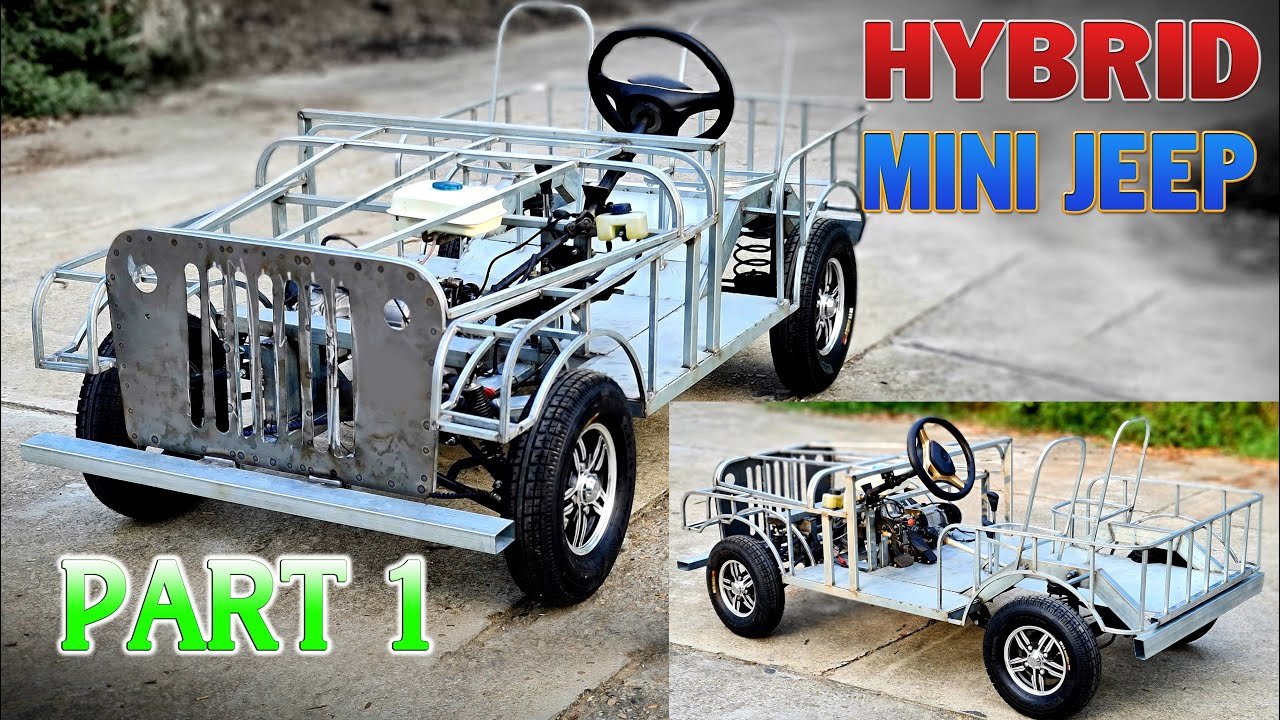
You can weld your own frame from steel tubing, or purchase a ready-made chassis online. DIY frames let you customize size and style but require skill and precise measurements.
2. Install The Powertrain
Mount the engine or motor securely to the frame. Gas engines from old go-karts or lawnmowers are popular. For electric builds, use a 36V or 48V motor with matching batteries.
Connect the transmission. Most mini jeeps use a simple centrifugal clutch or torque converter.
3. Add Suspension And Wheels
Fit the axles to the frame and attach wheels. Use ATV tires for off-road grip. Add simple coil springs or shocks for a smoother ride.
4. Assemble Steering And Brakes
Install a steering system—rack-and-pinion is best for control. Attach the brake system (usually disc brakes on the rear axle) and test for proper function.
5. Mount Body Panels And Seats
Shape body panels from lightweight materials. Fiberglass is light but needs skill; sheet metal is easier for most builders. Fit seats and install seat belts for safety.
6. Wiring And Finishing Touches
For electric jeeps, wire the motor, throttle, batteries, and safety switches. Add lights if you plan to drive at night or on public roads.
Paint your mini jeep, personalize with decals, and check all bolts and connections.
Safety Tips For Mini Jeep Builders
Safety is more important than speed or style. Keep these points in mind:
- Always wear safety gear when cutting, grinding, or welding.
- Test the brakes before your first drive.
- Use seat belts and never overload the vehicle.
- Keep sharp edges covered to prevent injuries.
- If kids will drive, limit speed with a governor or restrict throttle travel.
One thing many beginners forget is to check the center of gravity. If your mini jeep is too tall and narrow, it can tip over easily. Aim for a low, wide stance.
Common Mistakes To Avoid
- Using weak materials for the frame. Thin steel or aluminum can bend or break.
- Ignoring alignment of axles and steering. Poor alignment makes the jeep hard to control.
- Skipping safety features like brakes or seat belts.
- Overpowering the engine. Too much power makes the mini jeep unsafe for kids.
Many new builders also underestimate the time needed. Building a mini jeep often takes 30 60 hours, even with good plans.
Example Mini Jeep Specs
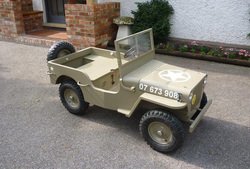
Here’s a typical mini jeep build for kids:
| Feature | Specification |
|---|---|
| Length | 56 inches |
| Width | 30 inches |
| Engine | 3.5 hp gas |
| Top Speed | 12 mph (with governor) |
| Weight | 120 lbs |
Customization Ideas
Once your mini jeep runs, you can upgrade or personalize it:
- Paint jobs with camo or classic jeep colors
- Working headlights and taillights
- Horn and mirrors for extra realism
- Bluetooth speakers for music
- Upgraded tires for mud or sand
The most successful builds reflect the personality of the builder and driver.
Where To Find Plans And Parts
There are many resources online for free and paid mini jeep plans. Websites like DIY Go Karts or Instructables have step-by-step guides and advice from other builders. For quality parts, check go-kart supply shops or local scrapyards.
For more detailed technical information, visit the official Jeep Wikipedia page.
Frequently Asked Questions
How Long Does It Take To Build A Mini Jeep?
Most first-time builders need 30–60 hours to finish a mini jeep, depending on their skill and the complexity of the design.
What’s The Best Engine Size For A Mini Jeep?
A 3–6 hp gas engine is common for kids’ mini jeeps. For adults, use a 6–10 hp engine or a 1000–1500W electric motor.
Can I Use Bicycle Or Car Parts?
Some bicycle parts (like chains or pedals) work for lightweight builds, but car parts are usually too heavy. ATV or go-kart parts fit best.
Is Welding Required?
Welding gives the strongest, safest frame, but some kits use bolted connections. If you buy a pre-made chassis, you may not need welding skills.
Are Mini Jeeps Street Legal?
Most mini jeeps are not street legal. They lack safety features like lights, signals, and proper VIN numbers. Check local laws before driving on public roads.
Building a mini jeep is both challenging and fun. With good planning, the right materials, and attention to safety, you’ll create a unique vehicle that brings joy for years to come.