Every Jeep Wrangler owner knows the thrill of off-road adventures and the importance of keeping their vehicle in top shape. One crucial task often overlooked is bleeding the cooling system. If you recently changed the coolant or replaced radiator parts, air pockets can get trapped inside. These air bubbles cause overheating, poor engine performance, and can even damage your Wrangler’s engine over time.
Learning how to bleed your Jeep Wrangler’s cooling system is not just a maintenance tip it’s essential for reliability. This guide will walk you through the steps, highlight common mistakes, and explain why the process matters.
With clear instructions, practical advice, and a focus on safety, you’ll be ready to keep your Jeep running smoothly.
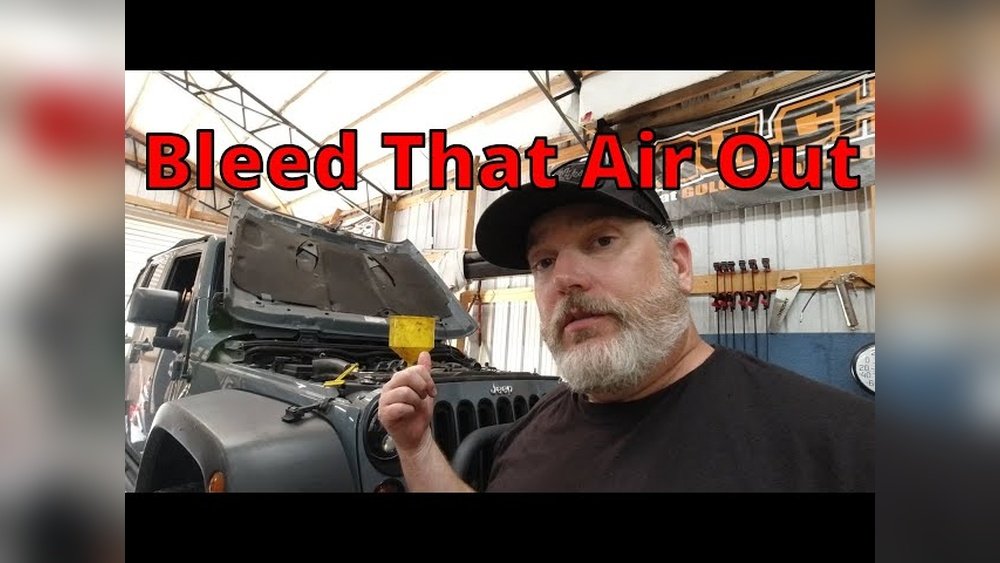
Why Bleeding The Cooling System Matters
Air trapped in the cooling system is a big problem. It prevents coolant from circulating properly, which causes hot spots in your engine. These hot spots can lead to:
- Overheating
- Reduced fuel efficiency
- Warped cylinder heads
- Heater not working
Many Jeep Wrangler models, especially the JK (2007–2018) and JL (2018–present), are prone to coolant air pockets due to their unique cooling layouts. Bleeding the system after any repair or coolant change is critical.
Tools And Supplies You Need
Before you start, gather these items:
- Coolant (check owner’s manual for type)
- Distilled water
- Funnel
- Drain pan
- Socket set
- Safety gloves
- Shop towels
- Jack and stands (if needed)
- Bleed kit (optional, but helpful)
Having everything ready saves time and reduces stress.

Step-by-step Guide: Bleeding The Jeep Wrangler Cooling System
Follow these steps for a safe and effective bleed. Always work with a cool engine to avoid burns.
1. Park And Prepare
- Park your Jeep on a level surface.
- Let the engine cool completely.
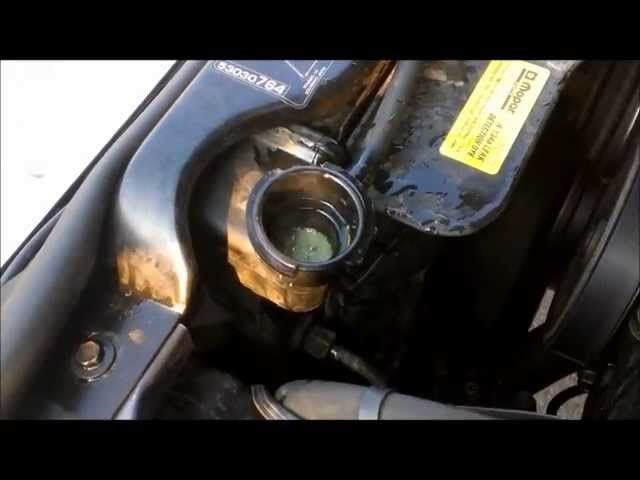
- Open the hood and locate the radiator cap and coolant reservoir.
2. Drain And Refill
- Place a drain pan under the radiator.
- Remove the radiator cap slowly (pressure may escape).
- Open the radiator drain plug and let old coolant flow out.
- Close the drain plug and start refilling with fresh coolant and distilled water (usually a 50/50 mix).
Pro Tip: Use a funnel to avoid spills.
3. Start The Engine
- With the radiator cap off, start the engine.
- Set the heater to maximum to help air escape.
- Let the engine run until it reaches normal operating temperature.
4. Watch For Air Bubbles
- As the engine warms, air bubbles may appear in the coolant neck.
- Squeeze the upper radiator hose gently—this can help push air out.
5. Top Off And Close
- Once bubbles stop, add more coolant if needed.
- Replace the radiator cap securely.
- Turn off the engine and check for leaks.
6. Test Drive And Recheck
- Take a short drive (10–15 minutes).
- After cooling, check coolant levels again.
- Repeat the process if needed. Some stubborn air pockets may require two cycles.
Comparison: Jeep Wrangler Vs. Other Models
Here’s a quick look at how the Jeep Wrangler cooling system compares to other SUVs:
| Vehicle | Bleed Difficulty | Common Air Pocket Issues |
|---|---|---|
| Jeep Wrangler | Medium | Yes |
| Toyota 4Runner | Easy | No |
| Ford Bronco | Medium | Yes |
Tips For A Successful Bleed
Even experienced owners can miss these details:
- Always use distilled water—tap water causes mineral buildup.
- Don’t rush. Letting the engine run longer helps all air pockets escape.
- If you see the temperature gauge spike, turn off the engine immediately.
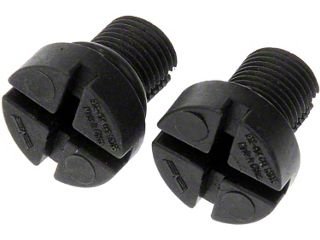
Some Wranglers have a bleed screw near the thermostat. If yours does, loosen it slightly during bleeding to speed up air removal. Check your manual to be sure.
Coolant Capacity Table
Understanding how much coolant your Wrangler needs prevents overfilling.
| Model Year | Engine | Capacity (quarts) |
|---|---|---|
| 2007–2011 | 3.8L V6 | 13 |
| 2012–2018 | 3.6L V6 | 14 |
| 2018–present | 2.0L Turbo | 10 |
Common Mistakes And How To Avoid Them
Bleeding the cooling system seems simple, but beginners often make mistakes:
- Not waiting for a cold engine—hot coolant can cause burns.
- Using the wrong coolant—mixing brands leads to sludge.
- Ignoring air bubbles—never assume all air is gone after one cycle.
- Skipping heater setting—the heater core traps air if not used.
- Not checking for leaks—even tiny leaks mean more air will enter.
Jeep Wrangler Cooling System: Key Stats
A healthy cooling system means:
- Engine runs at 195–220°F
- Heater works smoothly
- Coolant level stays steady
If you see coolant loss, overheating, or the heater blowing cold, repeat the bleeding process or inspect for leaks.
Frequently Asked Questions
How Often Should I Bleed My Jeep Wrangler Cooling System?
After any coolant change or repair, always bleed the system. For regular maintenance, once every 2 3 years is enough.
What Happens If I Don’t Bleed The System?
Air pockets can cause overheating and damage to your engine. You may also notice poor heater performance and coolant leaks.
Can I Use Tap Water Instead Of Distilled Water?
No. Tap water contains minerals that build up and block passages. Always use distilled water for mixing coolant.
Is It Safe To Bleed The Cooling System Myself?
Yes, if you follow safety steps and let the engine cool completely. Use gloves, eye protection, and never work near a hot radiator.
Where Can I Find Official Jeep Maintenance Guides?
For detailed factory instructions, visit Jeep Official Manuals.
Bleeding your Jeep Wrangler’s cooling system is a simple task that prevents big problems. With the right tools, patience, and careful steps, your engine stays healthy and ready for adventure.
If you’re unsure, ask a mechanic for help but most owners can handle this job themselves.