Bleeding the clutch master cylinder on your Jeep Wrangler is a task many drivers face, especially after changing clutch parts or experiencing spongy pedal feel. Air trapped in the hydraulic system can cause shifting problems and make the clutch pedal soft.
If you want a firm pedal and smooth gear changes, learning to bleed the system is essential. This guide shows you how to do it safely and effectively, even if you’re new to car repairs.
Why Bleeding The Clutch Master Cylinder Matters
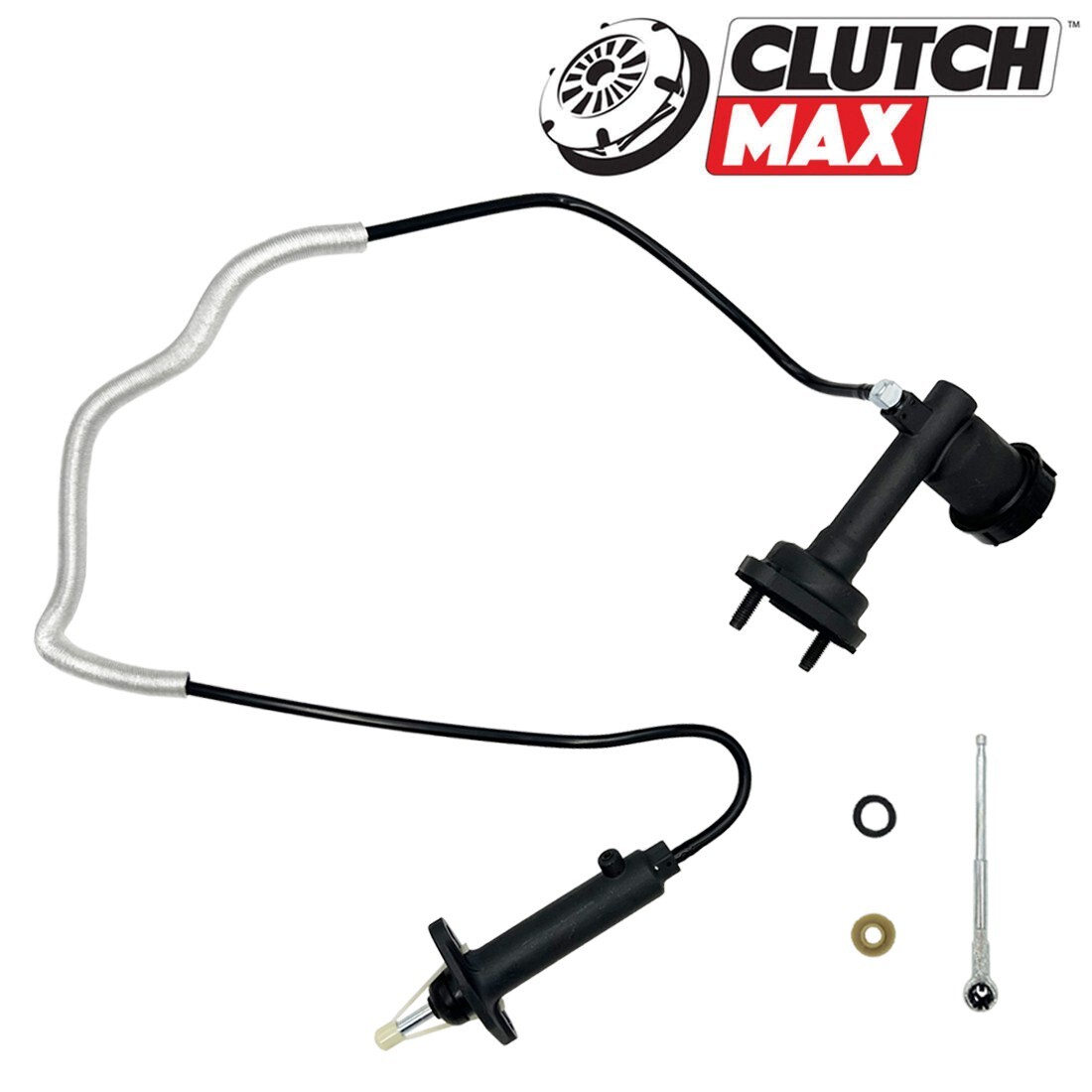
A clutch system uses hydraulic fluid to transfer force from the pedal to the clutch itself. Air bubbles in the fluid reduce pressure, making it harder to engage gears. Bleeding removes these bubbles, restoring proper clutch function. For Jeep Wrangler owners, this process improves driving comfort and prevents costly repairs. Many people overlook this simple job, but a well-bled clutch system can extend the life of your transmission.
Tools And Materials You’ll Need
Before you start, gather these items:
- Wrench set (usually 10mm or 11mm for bleeder screw)
- Clear plastic hose (about 2 feet long, fits snugly on bleeder nipple)
- Catch bottle (to collect old fluid)
- Brake fluid (DOT 3 or DOT 4, check your owner’s manual)
- Safety goggles and gloves
- Rags for spills
Having the right tools makes the job faster and safer. Don’t use any fluid except what’s recommended for your Jeep Wrangler, as the wrong type can damage seals.
Step-by-step Guide To Bleeding The Clutch Master Cylinder
1. Locate The Bleeder Valve
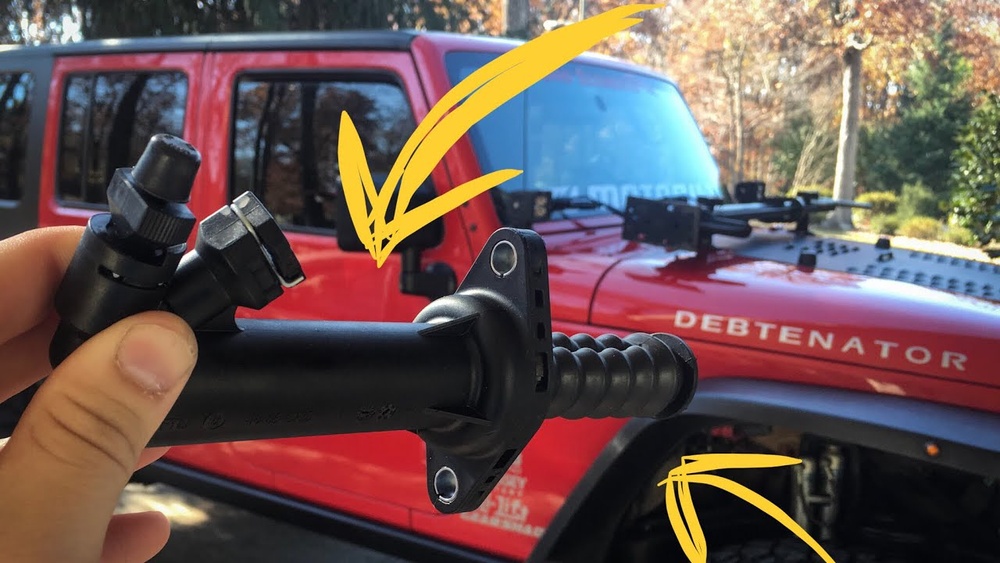
On most Jeep Wranglers, the bleeder valve is found on the slave cylinder attached to the transmission. It’s a small nipple, often near the bottom.
2. Prepare The Area
Park your Jeep on a flat surface. Open the hood and check the clutch master cylinder reservoir.
Top it off with brake fluid if needed. Place the catch bottle under the bleeder valve.
3. Attach The Hose
Push one end of the clear hose onto the bleeder valve. Place the other end into the catch bottle.
This setup prevents spills and lets you see air bubbles.
4. Pump The Clutch Pedal
Have a helper sit in the driver’s seat. Ask them to slowly press the clutch pedal and hold it down. You’ll be at the bleeder valve.
5. Open The Bleeder Valve
Using your wrench, gently loosen the bleeder valve. You’ll see fluid and air bubbles flow through the hose into the bottle.
Close the valve before your helper releases the pedal. Repeat this step until only clear fluid comes out no bubbles.
6. Check The Fluid Level
After each round, check the master cylinder reservoir. Never let it run dry, or you’ll suck in more air.
7. Finish Up
Once the fluid is bubble-free, tighten the bleeder valve. Remove the hose, clean any spills, and check pedal feel.
Your clutch should now be firm and responsive.
Common Mistakes And How To Avoid Them
Many beginners make these errors:
- Letting the reservoir run dry: Always keep fluid above the minimum mark.
- Releasing the pedal before closing the valve: This can suck air back into the system.
- Using the wrong fluid: DOT 3 or DOT 4 only, as specified by Jeep.
- Over-tightening the bleeder valve: This can damage the threads.
Double-check every step, and don’t rush. Taking your time prevents leaks and ensures a good result.

How Jeep Wrangler Clutch Bleeding Compares To Other Vehicles
Jeep Wranglers are known for their durable clutch systems, but the bleeding process is similar to most hydraulic clutches. However, some models have a remote reservoir or internal slave cylinder, which can make access harder.
Here’s a quick comparison:
| Vehicle | Bleeder Location | Ease of Access | Fluid Type |
|---|---|---|---|
| Jeep Wrangler | Slave cylinder, outside transmission | Easy | DOT 3/4 |
| Ford F-150 | Internal slave cylinder | Difficult | DOT 3 |
| Toyota Tacoma | Slave cylinder, engine bay | Moderate | DOT 3/4 |
Wrangler owners benefit from easy access, saving time and reducing frustration.
Signs You Need To Bleed Your Clutch System
If you notice these symptoms, bleeding may be needed:
- Spongy clutch pedal
- Difficulty shifting gears
- Pedal sticks to the floor
- Visible fluid leaks
Ignoring these signs can lead to bigger problems, like transmission damage or clutch failure.

Extra Tips For A Successful Clutch Bleed
- Use fresh brake fluid; old fluid absorbs moisture and reduces performance.
- If you work alone, use a one-man bleeder kit with a check valve.
- Always dispose of old fluid properly—never pour it down the drain.
- If you see black or dirty fluid, consider flushing the system.
Most Jeep Wrangler clutch systems hold about 0. 5 1 liter of fluid.
Keep an extra bottle handy in case you spill or need to top up.
Data: Clutch Fluid Types And Their Properties
Choosing the right fluid is critical. Here’s a comparison:
| Fluid Type | Boiling Point (°F) | Compatibility | Color |
|---|---|---|---|
| DOT 3 | 401 | Older vehicles | Clear/light amber |
| DOT 4 | 446 | Most Jeep Wranglers | Clear/light amber |
| DOT 5 | 500 | Not for Jeep Wrangler | Purple |
DOT 4 is usually best for newer Wranglers, while DOT 3 works for older models. Never mix DOT 5 with other types.
Frequently Asked Questions
How Often Should I Bleed The Clutch Master Cylinder?
Most Jeep Wranglers need a clutch bleed only after repairs or if you notice spongy pedal symptoms. Regular maintenance is not required unless you change parts.
Can I Bleed The Clutch System Alone?
Yes, but using a one-man bleeder kit makes it easier. These kits use a check valve to prevent air from re-entering the system.
What Happens If I Use The Wrong Brake Fluid?
Using the wrong fluid can damage seals and cause leaks. Always use DOT 3 or DOT 4 as recommended in your owner’s manual.
Do I Need To Replace The Clutch Master Cylinder If Bleeding Doesn’t Help?
If bleeding doesn’t fix pedal issues, the master cylinder or slave cylinder may be faulty. Inspect for leaks or worn seals before replacing parts.
Where Can I Find More Information On Jeep Wrangler Clutch Systems?
The official Jeep website offers detailed guides and specs. You can visit Jeep Wrangler Official Site for model-specific information.
Bleeding your Jeep Wrangler’s clutch master cylinder is a simple task that can make a big difference in driving quality. With the right tools, patience, and these steps, you’ll enjoy a responsive clutch and smoother gear shifts.
If you run into trouble, don’t hesitate to seek help from a mechanic proper maintenance keeps your Jeep running strong for years.