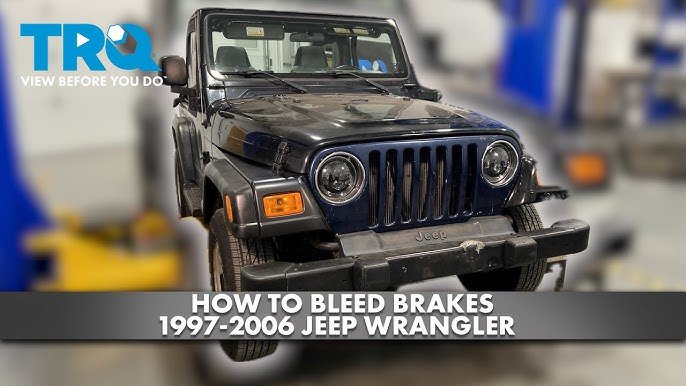
Bleeding the brakes on a Jeep Wrangler is an important maintenance task. It keeps your braking system safe and responsive.
If your Jeep’s brake pedal feels soft or spongy, air might be trapped in the lines. Removing this air restores proper brake pressure and performance.
You don’t need advanced skills to bleed brakes, but you do need careful steps, the right tools, and some patience. This guide shows you exactly how to do it, with clear instructions and expert advice.
What You Need Before Bleeding Brakes
Before you start, gather these tools and supplies:
- Brake fluid (check your owner’s manual for the correct type)
- Wrench for bleeder valves (usually 10mm or 11mm)
- Clear tubing (fits over the bleeder nipple)
- Catch bottle for old fluid
- Jack and jack stands (to lift the Jeep safely)
- Wheel chocks
- Gloves and safety glasses
- Assistant (optional, but makes the job easier)
Most Jeep Wrangler models use DOT 3 or DOT 4 brake fluid. Never mix types, as it can damage your system.
Step-by-step Guide: Bleeding Jeep Wrangler Brakes
Follow these steps to bleed your brakes safely and efficiently.
1. Prepare Your Jeep
- Park on a flat surface.
- Put on wheel chocks to prevent rolling.
- Loosen lug nuts slightly on all four wheels.
- Use the jack to lift the Jeep and place it on jack stands.
2. Locate Bleeder Valves
Each brake caliper has a bleeder valve. Jeep Wranglers usually have four—one at each wheel. Start with the wheel farthest from the master cylinder. For left-hand-drive Jeeps, the order is:
- Right rear
- Left rear
- Right front
- Left front
3. Check And Top Up Brake Fluid
Remove the master cylinder cap and check fluid level. Fill it to the MAX line. You must keep fluid topped up during the process to prevent air entering the system.
4. Attach Tubing And Catch Bottle
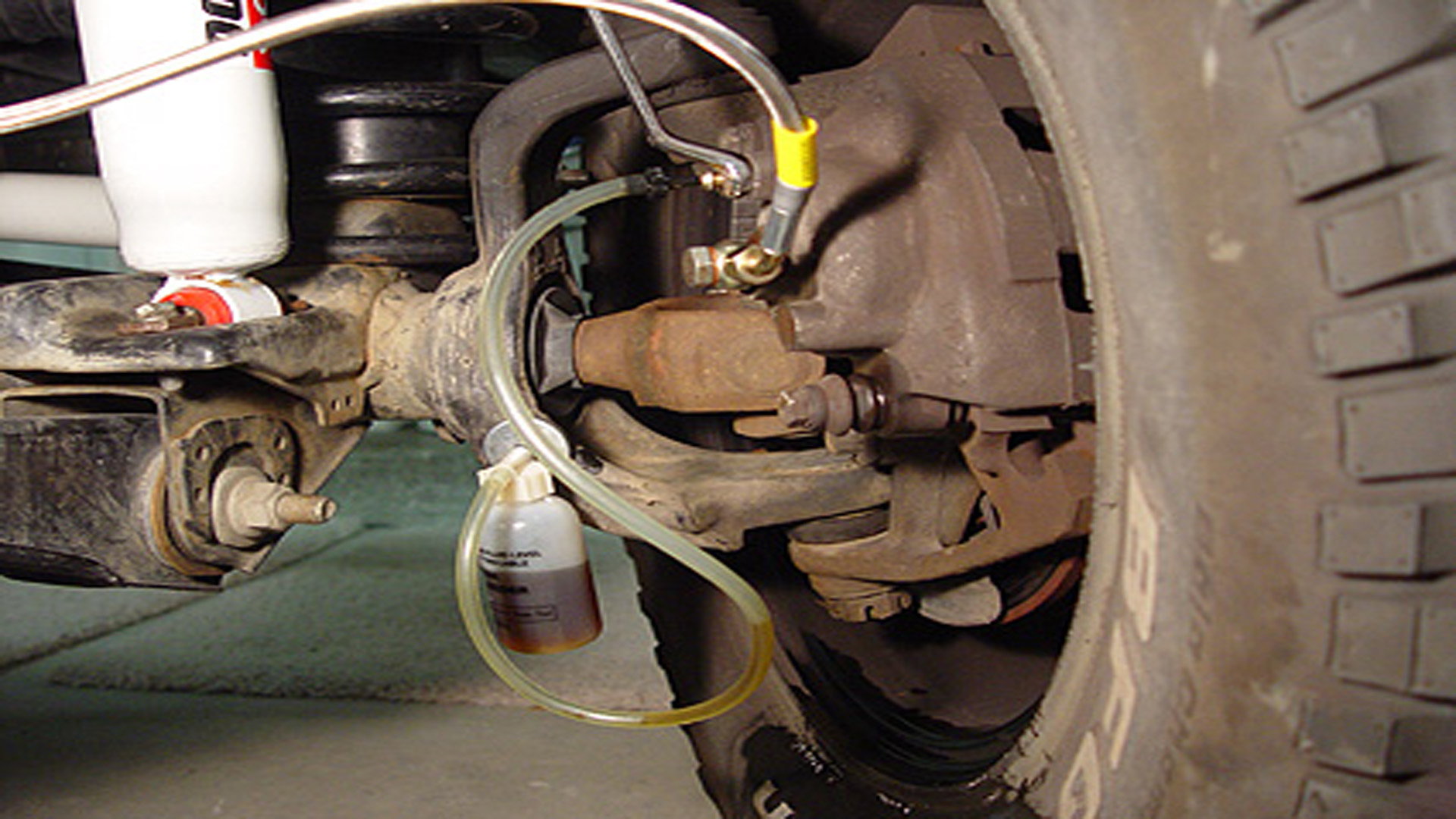
Put the clear tubing over the bleeder valve. The other end goes in your catch bottle. This setup lets you watch the fluid and air bubbles.
5. Bleed Each Brake
Ask your assistant to pump the brake pedal three times, then hold it down. You:
- Open the bleeder valve (¼ turn) with your wrench.
- Old fluid and air will flow into the tubing.
- When flow stops, close the valve.
- Tell your assistant to release the pedal.
Repeat until only clean fluid comes out and no air bubbles are seen. Usually, 4 6 cycles per wheel are enough.
6. Move To Next Wheel
Follow the same steps for each wheel, always checking and topping up the brake fluid after every wheel. Never let the reservoir get low.
7. Finish Up
Remove the tubing and catch bottle. Clean the area.
Reinstall wheels and tighten lug nuts. Lower your Jeep from the jack stands.
8. Test Your Brakes
Press the brake pedal. It should feel firm, not spongy.
If it’s still soft, repeat the bleeding process. Take a short test drive to confirm safe braking.

Common Mistakes And How To Avoid Them
Many beginners make small mistakes that can lead to problems. Here’s what to watch out for:
- Letting brake fluid run low: This pulls air into the system. Always check after each wheel.
- Over-tightening bleeder valves: This can damage threads. Tighten gently.
- Using wrong brake fluid: Mixing fluid types can cause brake failure. Check your Jeep’s manual.
Here’s a quick comparison of brake fluid types:
| Fluid Type | Boiling Point (Dry) | Compatible With Jeep Wrangler? |
|---|---|---|
| DOT 3 | 401°F | Yes |
| DOT 4 | 446°F | Yes |
| DOT 5 | 500°F | No (unless specified) |
Jeep Wrangler Brake Bleeding: Time And Difficulty
Bleeding brakes takes about 30–60 minutes for most Jeep Wranglers. It’s a beginner-to-intermediate job, depending on your comfort with tools.
Here’s a quick comparison of brake maintenance tasks:
| Task | Time Required | Difficulty |
|---|---|---|
| Brake Bleeding | 30–60 mins | Beginner |
| Brake Pad Change | 60–90 mins | Intermediate |
| Rotor Replacement | 90–120 mins | Intermediate |
Practical Tips For Better Results
- Use clear tubing so you can spot air bubbles easily.
- Always start with the wheel farthest from the master cylinder.
- If you work alone, buy a one-man brake bleeder kit—it’s cheap and saves time.
- Dispose of old brake fluid responsibly. It’s toxic and should never be poured down drains.
- If fluid is very dark or dirty, consider a full brake flush.
Many people overlook the importance of checking brake fluid quality. Old or dirty fluid can cause corrosion and reduce braking power.
Also, check for leaks around the bleeder valves when you’re done.
Signs You Need To Bleed Brakes
- Spongy brake pedal
- Longer stopping distance
- Brake warning light
- Recent brake work (pads, rotors, hoses)
If you notice any of these, bleeding your brakes is a smart first step.
Frequently Asked Questions
How Often Should I Bleed The Brakes On My Jeep Wrangler?
Most experts recommend bleeding brakes every 2 years or after any brake repair. If you drive off-road or in wet conditions, check more often.
Can I Bleed Brakes Alone?
Yes, you can. Use a one-man brake bleeder kit or gravity bleeding method. But having an assistant is faster and more reliable.
What Brake Fluid Does A Jeep Wrangler Use?
Most models use DOT 3 or DOT 4 brake fluid. Always check your owner’s manual before buying fluid.
What Happens If I Use The Wrong Brake Fluid?
Using the wrong fluid can cause brake failure or damage seals and hoses. Always use the correct type for your Jeep.
Is Bleeding Brakes Difficult For Beginners?
No, it’s a simple process if you follow the steps carefully. Take your time, stay organized, and ask for help if needed.
Bleeding the brakes on a Jeep Wrangler keeps your vehicle safe and ready for adventure. With the right tools, attention to detail, and these clear steps, you can do it yourself and feel confident in your work. If you want more background on brake fluid types and safe disposal, visit Wikipedia. Your Jeep deserves good care—start with strong brakes.