Aiming projector headlights correctly is a task many car owners overlook, yet it’s essential for both safety and visibility. Poorly aimed headlights can blind oncoming drivers or leave you with a weak field of vision at night.
Projector headlights, known for their sharp cutoff lines and focused beams, require precise adjustment to perform at their best. Whether you’ve just installed new lights or noticed your beams are off, learning to aim projector headlights is a smart step for any responsible driver.
Why Proper Aiming Matters
When projector headlights are not aligned, several issues can arise. First, misaligned lights can direct too much brightness into the eyes of other drivers, increasing the risk of accidents.

Second, incorrect aim can leave dark spots or insufficient illumination on the road, making it hard to spot hazards.
A study by the Insurance Institute for Highway Safety found that headlight performance varies greatly by alignment, with some vehicles improving their visibility scores simply by adjusting their beams. For projector headlights, the sharp horizontal cutoff means even a few degrees off can make a big difference.
Tools And Preparation
Before you start, gather a few tools:
- Tape measure (at least 25 feet)
- Masking tape or painter’s tape
- Screwdriver (usually Phillips or flathead, depending on your car)
- Level surface and a flat wall (garage doors work well)
Ensure your car has at least a half tank of fuel, and the tires are properly inflated. Remove excess cargo to simulate normal driving conditions.
Step-by-step Guide: Aiming Projector Headlights
1. Park And Prepare
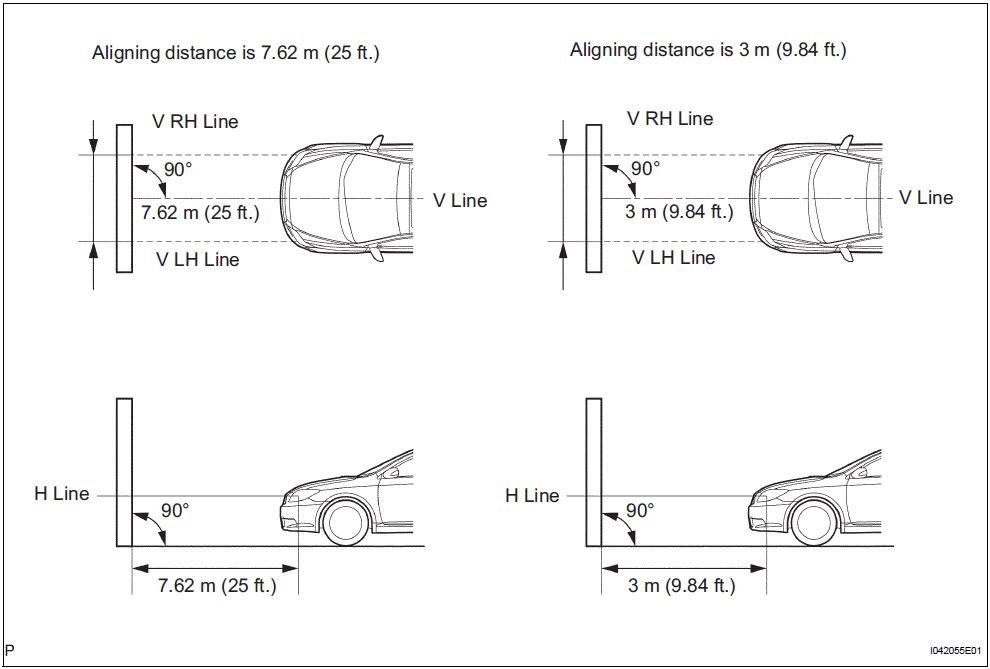
- Park your car on a level surface facing a flat wall, about 25 feet away.
- Make sure the suspension is settled by bouncing the car gently at each corner.
- Turn on the headlights and set them to low beam.
2. Mark The Headlight Center
- Measure the distance from the ground to the center of each headlight lens.
- On the wall, use masking tape to create two horizontal lines at this height, aligned with the center of each headlight.
- Create a vertical tape line for each headlight, marking the exact center.
3. Check The Headlight Cutoff
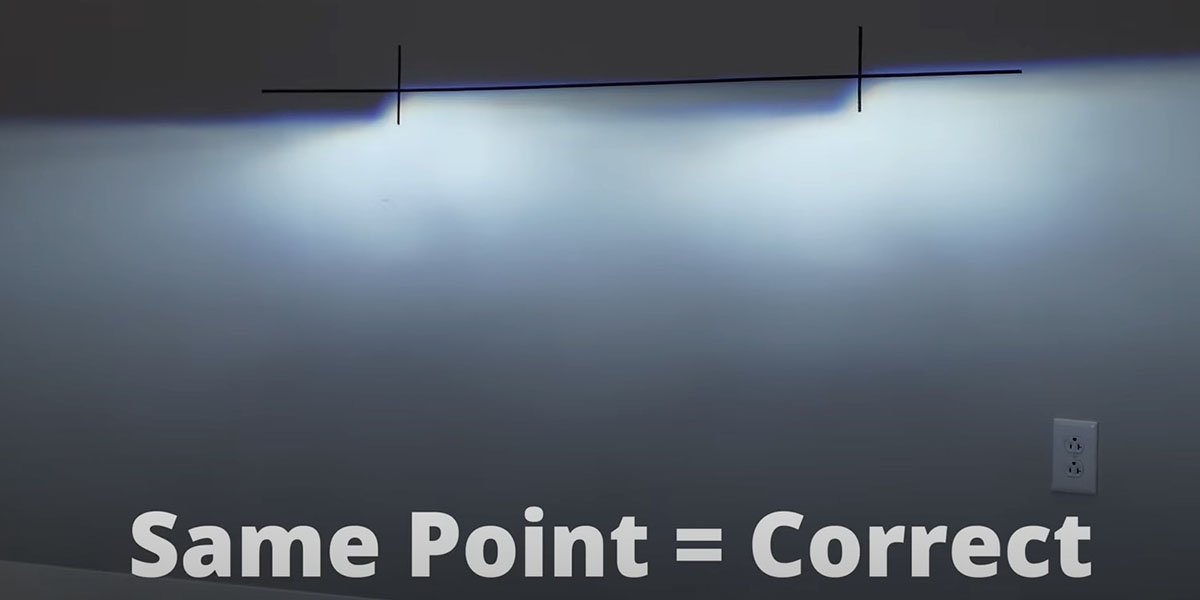
Projector headlights create a sharp cutoff line on the wall. This line should fall just below the horizontal tape line, usually about 2 inches lower than the headlight center at 25 feet.
4. Adjust The Vertical Aim
- Locate the vertical adjustment screw, usually found on the back or top of the headlight assembly.
- Turn the screw slowly to raise or lower the beam. The top of the cutoff line should sit about 2 inches below the headlight center mark on the wall.
5. Adjust The Horizontal Aim
- Some projectors allow horizontal adjustment. Find the correct screw or knob.
- Adjust so the cutoff’s highest point is slightly to the right (for US roads) of the vertical line, ensuring you don’t blind oncoming traffic.
6. Test And Fine-tune
- Take a short drive to check real-world performance.
- Make small corrections if you notice dark spots or glare.
Common Mistakes And How To Avoid Them
Many DIYers miss these points:
- Ignoring vehicle load: Heavy items in your trunk or extra passengers can change your aim.
- Using the wrong wall distance: 25 feet is ideal for most vehicles. Less or more can skew results.
- Over-adjusting: Small turns of adjustment screws make a big difference. Go slowly.
Some vehicles have auto-leveling systems. If so, check your owner’s manual for special instructions.
Projector Vs. Reflector Headlights: Adjustment Differences
Projector and reflector headlights require different techniques. Here’s a quick comparison:
| Feature | Projector Headlights | Reflector Headlights |
|---|---|---|
| Beam Pattern | Sharp cutoff, focused | Diffuse, less defined |
| Adjustment Sensitivity | Very sensitive | More forgiving |
| Glare Risk | High if misaligned | Moderate |
Projector headlights are more precise but can cause more glare if aimed incorrectly. Reflector headlights have a softer pattern but are less focused.
Headlight Aim Regulations: What You Need To Know
Regulations vary by state and country. In the US, the top of the low beam cutoff should typically be 2 to 4 inches below the headlight center at 25 feet.
European standards are stricter, sometimes requiring professional alignment.
| Region | Vertical Drop (at 25 ft) | Special Requirements |
|---|---|---|
| USA | 2–4 inches | Some states inspect at annual checks |
| Europe | Varies by country | Often requires certified technician |
Check your local laws, especially after major repairs or upgrades. For more about standards, see the NHTSA Headlights Information.
When To Seek Professional Help
While aiming headlights is possible for many DIYers, some situations require expert help:
- If your headlights use auto-leveling or adaptive systems.
- If you cannot achieve a straight cutoff or even brightness.
- After major accidents or body repairs.
A professional can use specialized tools to ensure perfect alignment.
Practical Tips For Best Results
- Replace bulbs in pairs to ensure even color and brightness.
- Clean your headlights before adjusting; dirt can distort the beam.
- Recheck your aim after tire changes, suspension work, or adding roof racks.
- Consider marking your garage wall so future checks are faster.
Frequently Asked Questions
How Often Should I Check My Projector Headlights?
You should check your headlights at least twice a year, and always after replacing bulbs, tires, or suspension parts.
Can I Aim My Projector Headlights Without A Wall?
A wall is ideal, but you can use a large garage door or fence. The key is a flat, vertical surface with enough space in front.
What If My Car Has No Adjustment Screws?
Some vehicles do not allow manual adjustment. Check your owner’s manual or consult a professional if you cannot find adjustment points.
Is There A Difference Between Led And Halogen Projector Aiming?
The method is the same, but LED projectors may have a sharper cutoff, making small misalignments more noticeable.
Can Bad Aiming Cause Me To Fail Inspection?
Yes. Many states include headlight aim in vehicle inspections.
Incorrect alignment can lead to a failed test and fines.
Aiming projector headlights is a manageable task for most drivers, but attention to detail is key. Safe driving starts with seeing clearly and making sure you’re not blinding others.
With the right steps and regular checks, your projector headlights will light the road ahead precisely as they should.