When you upgrade to bigger tires on your car or truck, you might notice something odd: your speedometer suddenly shows the wrong speed. This can be confusing and even risky.
A speedometer that reads incorrectly may lead to speeding tickets or trouble keeping pace with traffic. Many people don’t realize that changing tire size affects more than just the look or performance of a vehicle—it also changes how your speed is measured.
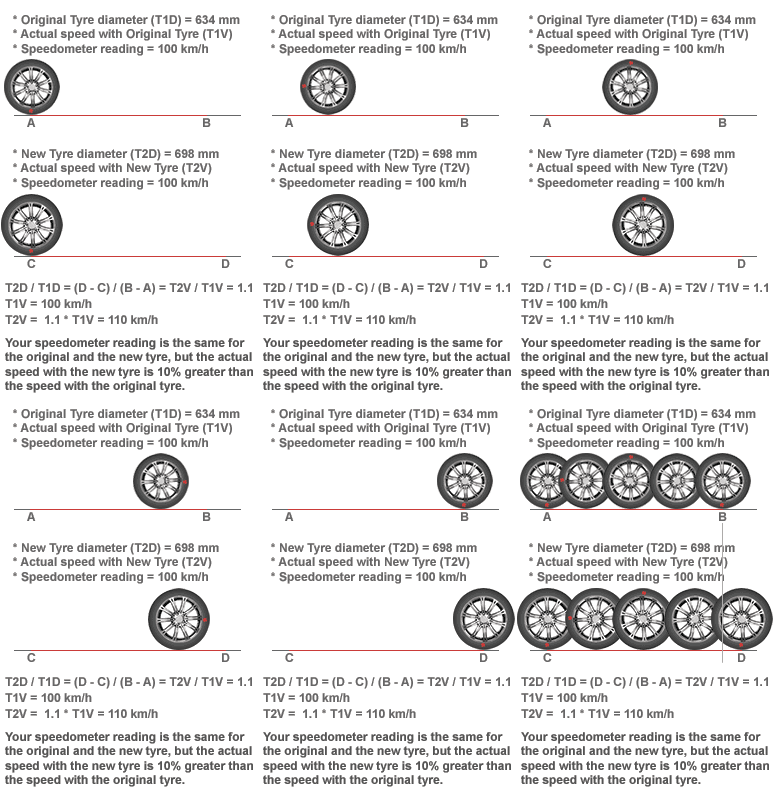
Why does this happen? The speedometer calculates speed based on how fast your wheels turn.
If you install larger tires, each rotation covers more ground, so your vehicle actually moves faster than what the speedometer shows. Adjusting your speedometer after a tire change is critical for safety, accuracy, and even legal compliance.
Let’s explore how you can fix this problem, and get your speed readings back on track.
How Bigger Tires Affect Your Speedometer
When you put bigger tires on your vehicle, the tire circumference increases. This means the tire travels farther with each rotation. Your speedometer, however, still assumes the original tire size, so it underestimates your actual speed.
Here’s a simple example:
- Original tire: 28-inch diameter
- New tire: 33-inch diameter
Let’s compare their circumferences:
| Tire Diameter (inches) | Circumference (inches) |
|---|---|
| 28 | 87.96 |
| 33 | 103.67 |
A larger tire covers more distance per rotation. If your speedometer was calibrated for 28-inch tires, but you now have 33-inch tires, your actual speed at 60 mph on the gauge could be much higher in reality.
Methods To Adjust Your Speedometer
There are several ways to correct your speedometer after upgrading tire size. The right choice depends on your vehicle, budget, and technical skill.
1. Electronic Recalibration
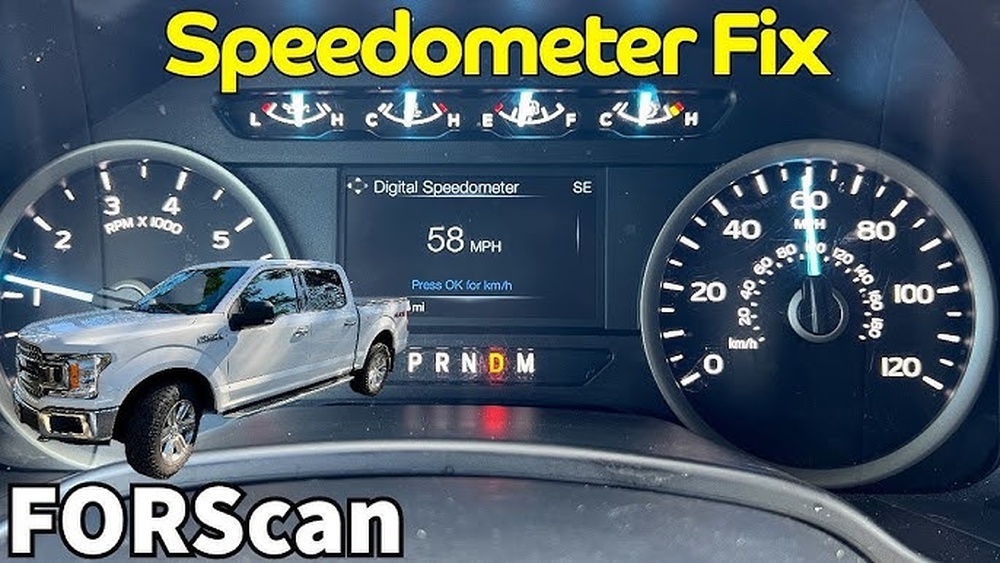
Most modern vehicles use electronic speedometers that can be recalibrated using a scan tool or programming device. Many auto shops offer this service. Some vehicles allow owners to adjust settings through the dashboard or infotainment system, though this is less common.
Steps:
- Find out if your vehicle supports electronic recalibration.
- Use a scan tool to enter the new tire size.
- Test drive to verify accuracy.
This method is precise and does not require hardware changes.
2. Speedometer Calibration Devices
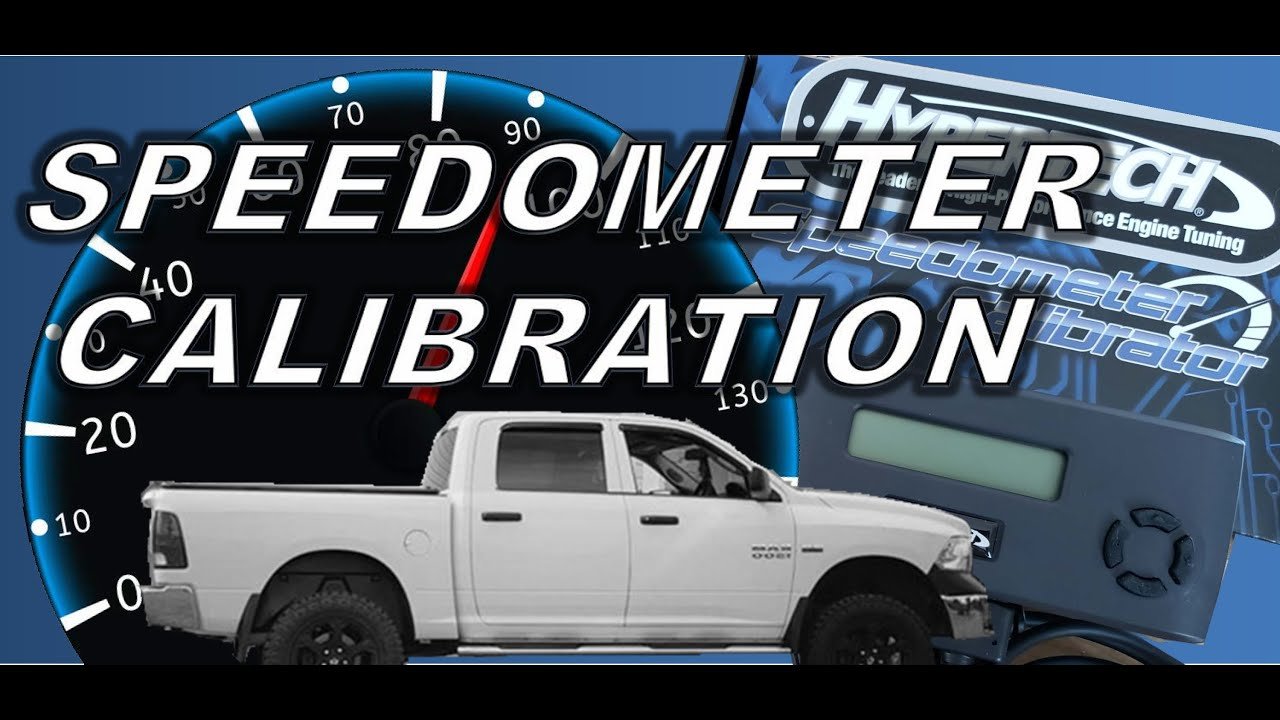
For vehicles without built-in recalibration options, there are aftermarket devices designed to correct the signal between the speed sensor and the speedometer.
Some popular devices:
- Speedometer calibrator modules
- Electronic signal adjusters
These plug into your vehicle’s wiring harness and let you set the correct tire size. They often include easy-to-follow instructions.
3. Mechanical Adjustments
Older vehicles with cable-driven speedometers may need a new speedometer gear in the transmission. The number of gear teeth matches the tire size and axle ratio.
Example:
| Original Tire Size | Gear Teeth | New Tire Size | Recommended Gear Teeth |
|---|---|---|---|
| 28″ | 21 | 33″ | 18 |
You’ll need to remove the old gear and install the correct one. While this requires some mechanical skill, it’s a reliable fix for older cars.
4. Gps Speedometer
If you want a quick and easy solution, consider a GPS speedometer. These devices show your actual speed using satellite data, unaffected by tire size.
Pros:
- No installation required
- Accurate readings
- Portable
Cons:
- Doesn’t fix the built-in speedometer
- Needs power (battery or 12V outlet)
Common Mistakes And How To Avoid Them
Many drivers make errors when adjusting their speedometer:
- Ignoring the tire’s actual measured diameter. Manufacturer specs can be off by 1-2%. Always measure the tire when mounted and inflated.
- Forgetting about the odometer. Fixing the speedometer also corrects your odometer, which is important for maintenance intervals and resale value.
- Not testing after adjustment. Use a GPS app or roadside speed check to confirm your fix.
- Overlooking transmission ratio changes. If you changed gears along with tires, factor both into your calibration.
Calculating The Correct Adjustment
To accurately adjust your speedometer, you need to know the difference in circumference between your original and new tires.
Use this simple formula:
Speed Correction Factor = New Tire Circumference / Original Tire Circumference
For example, if your original tire’s circumference was 88 inches and the new one is 104 inches:
104 / 88 = 1.18
So, your speedometer reads about 18% lower than your real speed. If your speedometer shows 50 mph, you’re actually going 59 mph.
Here’s a quick comparison for common tire upgrades:
| Original Tire (in) | New Tire (in) | Correction Factor |
|---|---|---|
| 29 | 32 | 1.10 |
| 30 | 35 | 1.17 |
| 31 | 33 | 1.06 |

Why Accurate Speed Matters
A miscalibrated speedometer can cause more than just confusion. In the US, speeding tickets often rely on radar or your own speedometer reading.
Insurance claims can become complicated if your odometer is off. Regular maintenance, like oil changes, depends on accurate mileage.
Safety is also a concern driving faster than you think puts you, and others, at risk.
Tips For Best Results
- Always verify your speed with a GPS device after making changes.
- Keep documentation of your new tire size for future reference.
- If you’re unsure, have a professional handle the adjustment.
- Remember that tire wear and air pressure can affect diameter—check regularly.
Many car forums and manufacturer websites offer additional guidance. For more technical details and formulas, you can visit the Wikipedia page on speedometers.
Getting your speedometer right after upgrading tires is not just about following rules it’s about safety, accuracy, and peace of mind. By taking the time to calibrate correctly, you ensure your vehicle performs as it should, on and off the road.
Frequently Asked Questions
How Do I Know If My Speedometer Is Inaccurate?
If you’ve installed bigger tires and notice your GPS speed is higher than your dash reading, your speedometer is likely off. You can use a GPS app or roadside speed signs to check.
Will Bigger Tires Affect My Odometer Too?
Yes. Your odometer will register fewer miles than you actually drive because it’s based on wheel rotations.
This can throw off maintenance schedules and resale value.
Can A Dealership Recalibrate My Speedometer?
Most dealerships have the tools to recalibrate speedometers, especially on newer vehicles. There may be a fee, but this ensures professional accuracy.
Are Speedometer Correction Devices Legal?
Yes, speedometer calibrators are legal in the US. However, tampering with odometers to show false mileage is illegal. Always use devices as intended.
Is It Necessary To Adjust The Speedometer For Small Tire Size Changes?
For small changes (less than 2% difference), the error may be minimal. For larger upgrades, adjustment is strongly recommended for safety and legal reasons.