Owning a Jeep TJ gives you the freedom to explore rough trails and wild landscapes. But to really unlock its performance, you need to understand how to adjust the control arms.
These parts connect your Jeep’s axles to the frame and play a huge role in ride height, suspension geometry, and handling. If you want better off-road capability, a smoother ride, or correct alignment after a lift, adjusting your control arms is essential.
This guide will help you get it right—even if you’re new to Jeep mods.
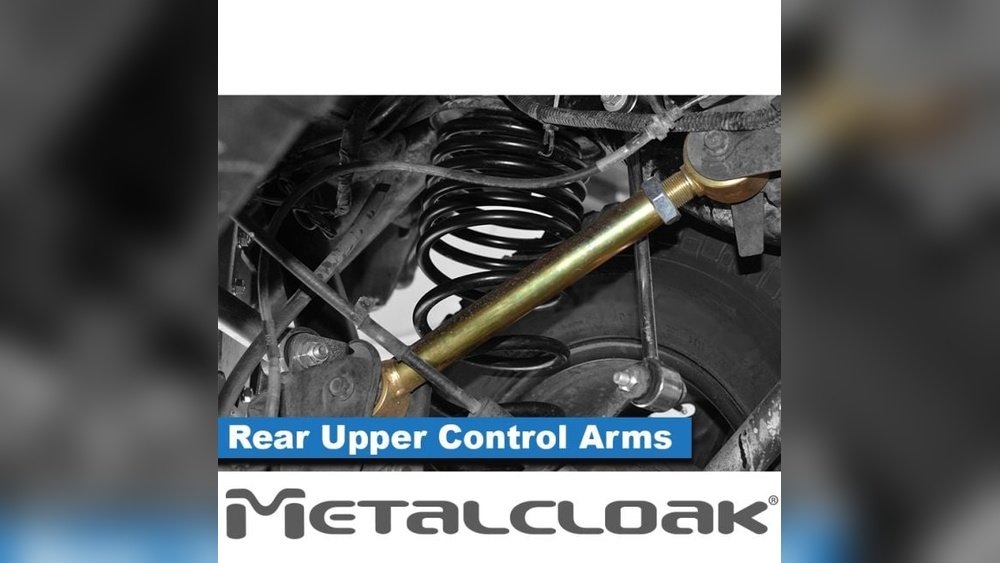
What Are Control Arms And Why Adjust Them?
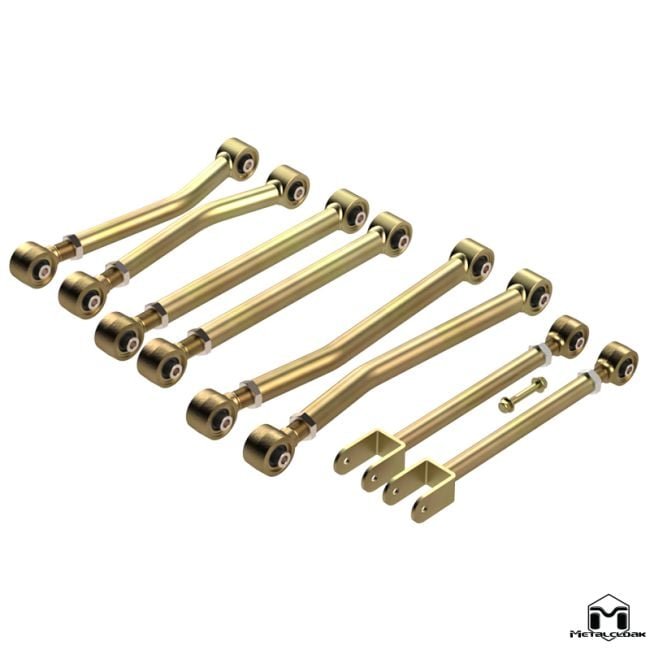
Control arms are metal bars that attach your Jeep’s axle to its chassis. They keep the wheels in position and control how the suspension moves.
Adjusting control arms is important for:
- Correcting caster and pinion angles after a lift
- Improving ride comfort and steering stability
- Preventing tire wear and suspension binding
For example, after lifting your Jeep, the axle often tilts, changing the caster angle. If this angle is off, steering can feel unstable, and your tires may wear unevenly. Adjusting the control arms brings everything back in line.
Tools And Preparation
Before you begin, gather these tools:
- Wrenches (usually 15mm, 18mm, and 21mm)
- Socket set
- Torque wrench
- Floor jack and jack stands
- Penetrating oil for rusty bolts
- Measuring tape
Safety tip: Always support your Jeep with jack stands before crawling underneath. Never rely only on a floor jack.
How To Adjust Control Arms Jeep Tj
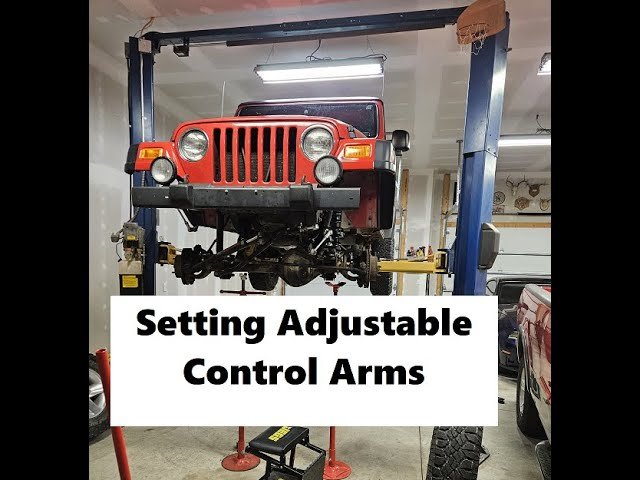
Adjusting the control arms on a Jeep TJ is a hands-on job. Follow these steps for best results:
- Lift the Jeep: Use a jack to raise the vehicle. Place jack stands under the frame for safety.
- Remove wheels: This gives you more access to the suspension.
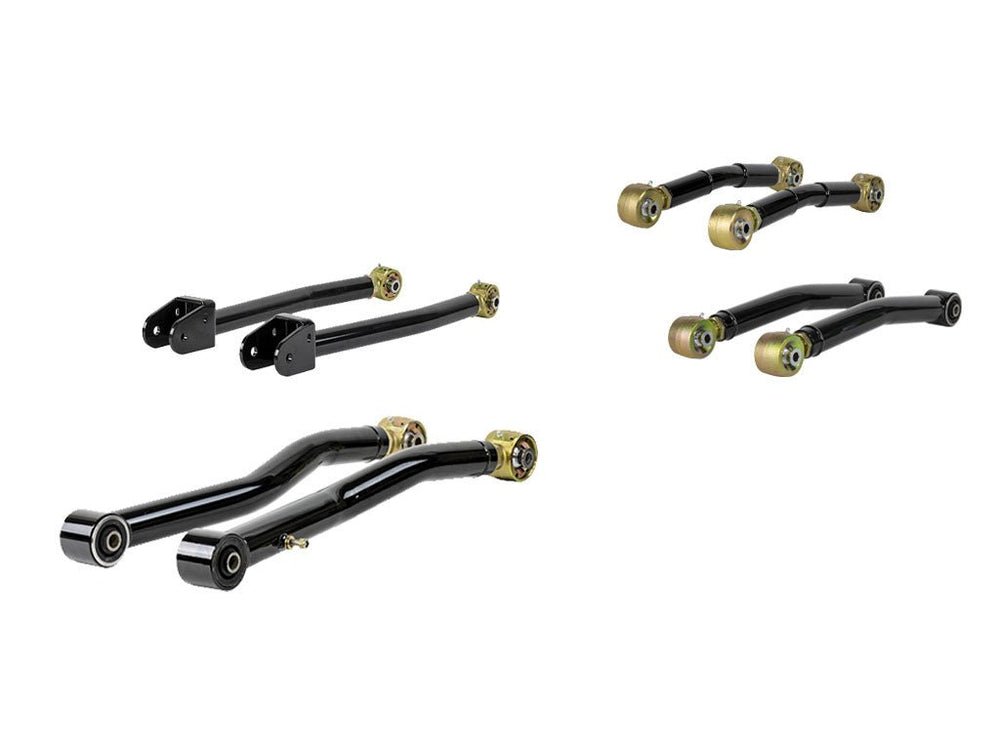
- Locate control arms: The TJ has both upper and lower control arms on the front and rear axles.
- Mark original position: Use chalk or a marker to note the current arm position. This helps you compare adjustments later.
- Loosen bolts: Spray with penetrating oil if needed. Loosen, but don’t remove, the bolts at both ends.
- Adjust the length: Most aftermarket control arms are threaded. Turn the ends to lengthen or shorten. A typical adjustment for caster is about ¼ inch longer than stock.
- Set caster angle: For the Jeep TJ, aim for a caster angle of 4–6 degrees. Use an angle finder or smartphone app on the axle’s knuckle.
- Check pinion angle: The pinion angle should match your driveshaft angle. Too steep and you risk vibrations.
- Tighten bolts: Once satisfied, torque bolts to factory specs (usually 55–65 ft-lbs).
- Reinstall wheels and lower Jeep: Double-check everything before driving.
A common mistake is adjusting only the lower arms. For best results, adjust both upper and lower arms to fine-tune angles and axle position.
Comparison: Stock Vs Adjustable Control Arms
Choosing the right control arm matters. Here’s a quick comparison:
| Type | Adjustment | Durability | Cost |
|---|---|---|---|
| Stock | None | Moderate | $100–$200 |
| Adjustable | Customizable | High | $300–$700 |
Adjustable arms are preferred for lifted Jeeps. They allow you to dial in the exact geometry needed for smooth handling and less wear.
Key Measurements For Control Arm Adjustment
Precise measurements are critical. Use this data as a reference for a Jeep TJ:
| Position | Stock Length | Suggested Lifted Length | Purpose |
|---|---|---|---|
| Front Lower | 16.25″ | 16.5–17.0″ | Improved caster |
| Front Upper | 15.75″ | 15.75–16.0″ | Pinion angle |
| Rear Lower | 16.25″ | 16.5–17.0″ | Axle centering |
| Rear Upper | 13.75″ | 13.75–14.0″ | Driveshaft angle |
Always measure your control arms after installation to ensure proper length.
Practical Tips For Best Results
- Align your Jeep after adjusting control arms. This prevents steering issues.
- Test drive on varied roads to check for vibrations or handling changes.
- Lubricate bushings for smooth movement and less noise.
- If you notice driveshaft vibrations, double-check your pinion angle.
- Use quality parts from trusted brands to avoid premature wear.
Many beginners miss the importance of adjusting both arms and checking pinion angle not just caster. Another common oversight is failing to re-torque bolts after a week of driving.
Suspension settles and bolts can loosen, so always check again.
Common Problems After Control Arm Adjustment
If you experience issues after adjustment, here are some possible causes:
- Steering feels loose: Likely caster angle too low.
- Vibrations: Pinion angle is off; check with an angle finder.
- Axle shifted: Track bar or control arm lengths need correction.
- Uneven tire wear: Misalignment—get a professional alignment.
Frequently Asked Questions
What Does Adjusting Control Arms Do For My Jeep Tj?
Adjusting control arms helps set the correct caster and pinion angles. This improves steering, ride comfort, and prevents drivetrain vibrations, especially after lifting your Jeep.
Do I Need Adjustable Control Arms For A Lifted Jeep Tj?
Yes, especially if the lift is over 2 inches. Adjustable arms let you fine-tune suspension geometry and keep your Jeep driving smoothly.
Can I Adjust Control Arms Without Professional Tools?
Basic tools like wrenches and a tape measure are enough. For precise angles, use an angle finder or smartphone app. Always use jack stands for safety.
How Often Should I Check Control Arm Bolts?
Check bolts after the first week of driving post-adjustment. Then inspect every few months, especially after off-road trips.
Where Can I Find More Technical Details About Jeep Tj Suspension?
For detailed specs and diagrams, visit the official Jeep Owner’s Manual.
Adjusting control arms on your Jeep TJ is a smart move for better off-road performance and everyday comfort. Take your time, measure carefully, and double-check your work. With the right steps, your Jeep will handle better, last longer, and be ready for any adventure.