Keeping your Jeep Wrangler JL running cool is essential for both performance and engine life. If you notice the temperature gauge rising or see a warning light, you might be low on coolant. Topping up coolant may seem intimidating, but it’s a straightforward job when you know the right steps. This guide will walk you through how to add coolant to your Jeep Wrangler JL safely and correctly, including tips that even experienced owners sometimes miss.
Why Coolant Matters For Your Jeep Wrangler Jl
The cooling system in your Jeep is designed to keep the engine at the optimal temperature. Coolant, also called antifreeze, absorbs engine heat and prevents freezing or boiling. Running without enough coolant can cause overheating, which may lead to expensive engine damage.
Here’s a quick look at why proper coolant levels are so important:

| Coolant Function | What It Prevents |
|---|---|
| Heat absorption | Overheating |
| Freeze protection | Engine block cracking |
| Corrosion resistance | Radiator and hose damage |
A small investment of time can save you thousands in repairs.
What You’ll Need Before You Start
Before you add coolant, make sure you have the following:
- Correct coolant type – The Jeep Wrangler JL usually uses Mopar 10 Year/150,000 Mile Coolant (OAT, purple color). Double-check your owner’s manual.
- Funnel – Makes pouring easier.
- Clean rag – For wiping spills.
- Gloves and eye protection – Coolant is toxic.
Pro tip: Never mix different types of coolant. This can reduce cooling performance and may even cause sludge to form.
Step-by-step: How To Add Coolant To Jeep Wrangler Jl
Adding coolant is simple if you follow these steps:
1. Park And Let The Engine Cool
Always let your Jeep cool down before opening the hood. Opening the coolant reservoir when the engine is hot can release hot steam or fluid, causing burns.
2. Locate The Coolant Reservoir
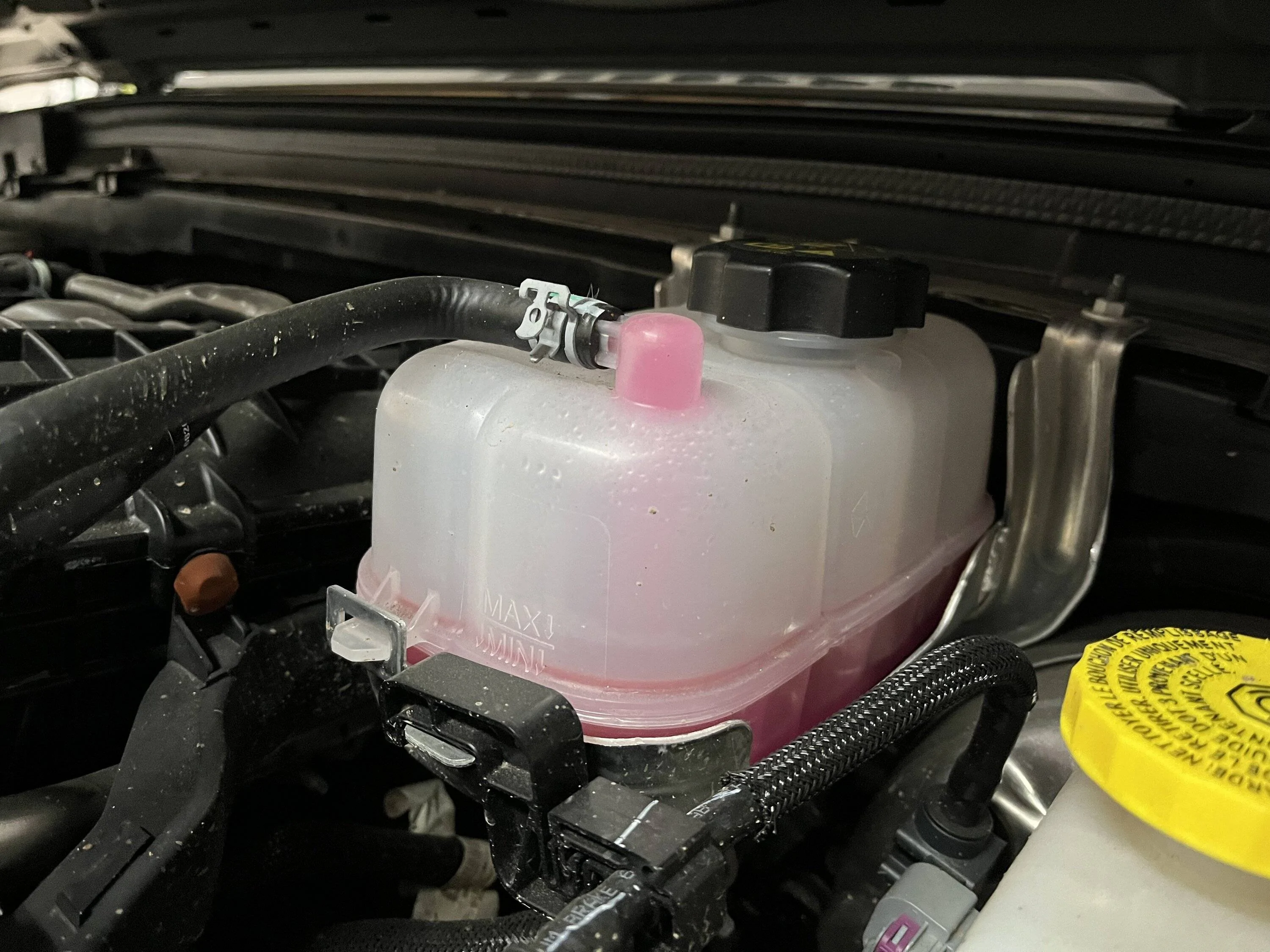
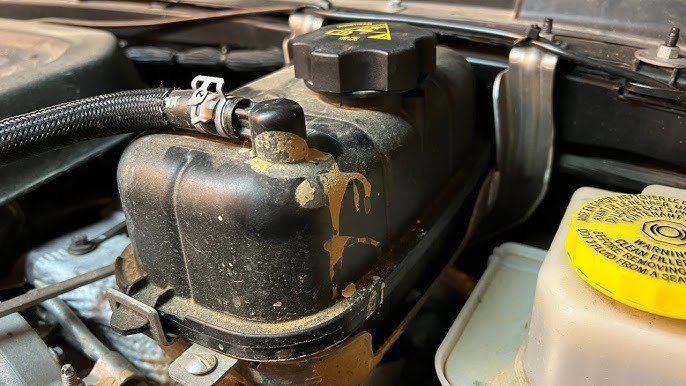
Open the hood and find the translucent plastic reservoir with a “Min” and “Max” line. On the JL, it’s usually on the passenger side near the radiator.
3. Check Current Coolant Level
Look at the side of the reservoir. If the coolant is below the “Min” line, you need to add more.
Make a note of the color; it should match what you plan to add.
4. Prepare The Coolant
If your coolant is concentrated, mix it with distilled water (usually 50/50). Many coolants come pre-mixed, which is easier for topping off.
5. Add Coolant
Remove the reservoir cap slowly. Insert the funnel and pour coolant until the level reaches just below the “Max” line.
Avoid overfilling, as this can cause leaks or pressure problems.
6. Secure The Cap And Clean Up
Replace the cap tightly. Wipe up any spills with your rag.
Dispose of used rags safely coolant is poisonous to pets and wildlife.
7. Run The Engine And Check Again
Start the Jeep and let it idle for a few minutes. This helps remove any air bubbles.
Turn the engine off, wait for it to cool, and check the level again. Add more if needed.
Insider tip: If you hear a gurgling sound or see the level drop after driving, it’s likely just air escaping. Top off again after your next short drive.
Common Mistakes To Avoid
Even experienced owners make these errors:
| Mistake | Why It’s a Problem |
|---|---|
| Adding coolant to a hot engine | Can cause burns or crack engine parts |
| Mixing coolant types | Leads to sludge, clogs, and poor cooling |
| Using tap water | Introduces minerals that damage the cooling system |
| Overfilling reservoir | Can cause overflow and leaks |
Take your time and always use the correct coolant type.
When To See A Mechanic
If you need to add coolant often, or if you see leaks under your Jeep, something is wrong. Possible causes include:
- Radiator leak
- Blown head gasket
- Cracked hoses or reservoir
Do not ignore repeated low coolant levels. A professional should check for bigger issues before they cause serious damage.
Practical Tips For Lasting Results
Two things many beginners miss:
- Check hoses and clamps: Each time you add coolant, quickly look for cracks or loose clamps. A small leak now can become a big problem later.
- Flush coolant regularly: Even with top-offs, old coolant breaks down. Change it every 5 years or 100,000 miles for the Jeep Wrangler JL, as recommended.
If you drive in extreme temperatures or do a lot of off-roading, check levels more often.
Frequently Asked Questions
How Often Should I Check My Coolant Level?
Check your coolant level at least once a month, or before long trips. If you drive in hot climates or tow heavy loads, check more often.
What Type Of Coolant Is Best For Jeep Wrangler Jl?
Use the Mopar 10 Year/150,000 Mile Coolant (OAT, purple). It’s designed for the JL’s aluminum engine parts. Never use older green coolants.
Can I Use Water In An Emergency?
Distilled water can be used in an emergency, but it’s not a long-term solution. Replace with the proper coolant mixture as soon as possible.
What If My Coolant Keeps Disappearing?
If you’re adding coolant often, you might have a leak or internal engine problem. Have your Jeep inspected by a mechanic soon.
Where Can I Learn More About Jeep Coolant Systems?
For more details, visit the official Jeep Maintenance page for the latest recommendations.
Taking care of your Jeep Wrangler JL’s coolant system is one of the best ways to avoid breakdowns and costly repairs. With the right tools and knowledge, you can keep your Jeep running strong for years to come.