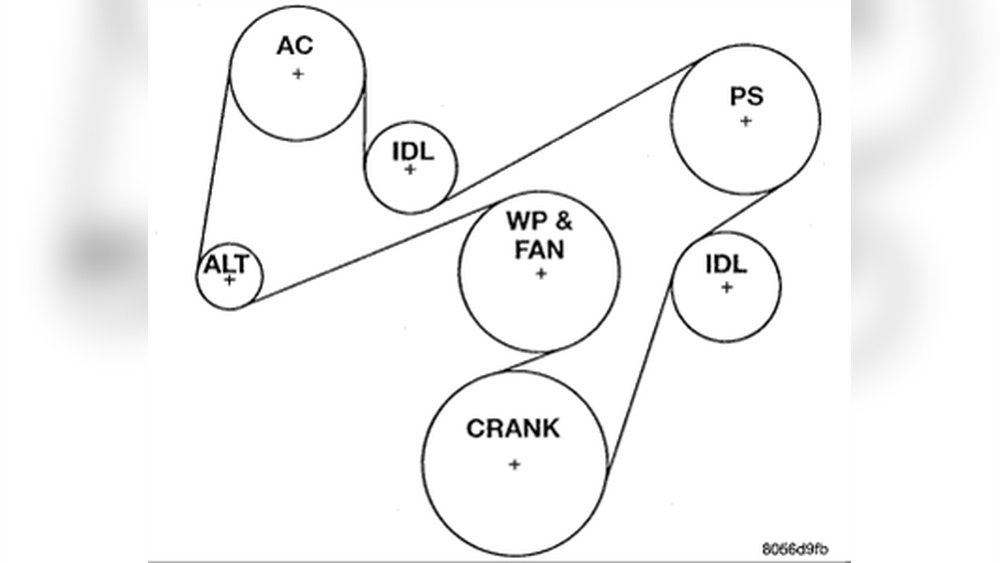
Jeep is known for its rugged vehicles, but reliability can be a concern for some models. The Jeep 47 V8 engine is popular in both classic and modern Jeeps.
Many buyers wonder if this V8 engine is dependable for long-term use. In this guide, you’ll find clear answers about the reliability of the Jeep 47 V8.
We’ll cover 47 important reliability factors, give honest pros and cons, and share practical tips for owners. You’ll also see real-world data and updated info, all written simply for beginners.
1. Engine Longevity
The Jeep 47 V8 usually lasts 150,000 to 200,000 miles if maintained well. Some owners report even higher mileage with careful care.
2. Oil Leaks
Oil leaks are common around the valve cover gaskets and oil pan. Checking for leaks and replacing gaskets early prevents engine damage.
3. Cooling System Problems
Overheating can happen due to weak radiators or old thermostats. Upgrading the cooling system improves reliability.
4. Timing Chain Issues
The timing chain is durable but can become noisy after 100,000 miles. Ignoring this noise can cause severe engine damage.
5. Head Gasket Failure
Head gasket leaks are rare, but possible. Early signs include white smoke and coolant loss. Replace the gasket quickly to avoid further issues.
6. Oil Consumption
Some Jeep 47 V8 engines burn oil faster than expected. Regular oil checks are needed, especially on high-mileage engines.
7. Spark Plug Wear
Spark plugs wear out every 30,000 to 50,000 miles. Misfires and rough idling are signs you need new plugs.
8. Electrical Problems
Electrical issues can affect sensors and wiring. Faulty sensors may cause warning lights or poor performance.
9. Fuel Injector Issues
Dirty fuel injectors lead to uneven running and lower fuel economy. Cleaning or replacing injectors fixes this.
10. Engine Mount Wear
Worn engine mounts cause vibration and noise. Replacing them is a simple way to restore smoothness.
11. Exhaust Manifold Cracks
Exhaust manifold cracks are common after 100,000 miles. This causes loud noise and exhaust leaks.
12. Crankshaft Sensor Failure
A bad crankshaft position sensor can make the engine hard to start. Replacing it is inexpensive and restores reliability.
13. Water Pump Failure
The water pump is a weak spot after 80,000 miles. Look for coolant leaks under the engine and replace the pump when needed.
14. Radiator Hose Problems
Old radiator hoses can burst, causing sudden overheating. Inspect hoses regularly and replace them every 5 years.
15. Pcv Valve Issues
A clogged PCV valve leads to rough running and higher oil consumption. Replacing this small part is an easy fix.
16. Intake Manifold Gasket Leaks
Leaks in the intake manifold gasket cause rough idling and loss of power. Repairing the gasket restores performance.
17. Throttle Body Cleaning
Dirty throttle bodies can cause hesitation or weak acceleration. Cleaning them improves response.
18. Alternator Failure
Alternator issues cause battery charging problems. If your battery is often dead, check the alternator.
19. Starter Motor Problems
A weak starter motor makes the engine hard to start, especially in cold weather.
20. Ignition Coil Failure
Bad ignition coils cause misfires and rough running. Replacing them fixes most ignition problems.
21. Engine Misfires
Engine misfires often come from worn plugs, coils, or injectors. Fixing these parts improves reliability.
22. Camshaft Wear
The camshaft lasts long, but excessive wear can cause rough engine performance.
23. Cylinder Wear
Cylinder walls can wear after 150,000 miles, leading to lower compression and power.
24. Piston Ring Failure
Faulty piston rings cause oil burning and loss of power. Repair is costly, but rare before high mileage.
25. Valve Train Noise
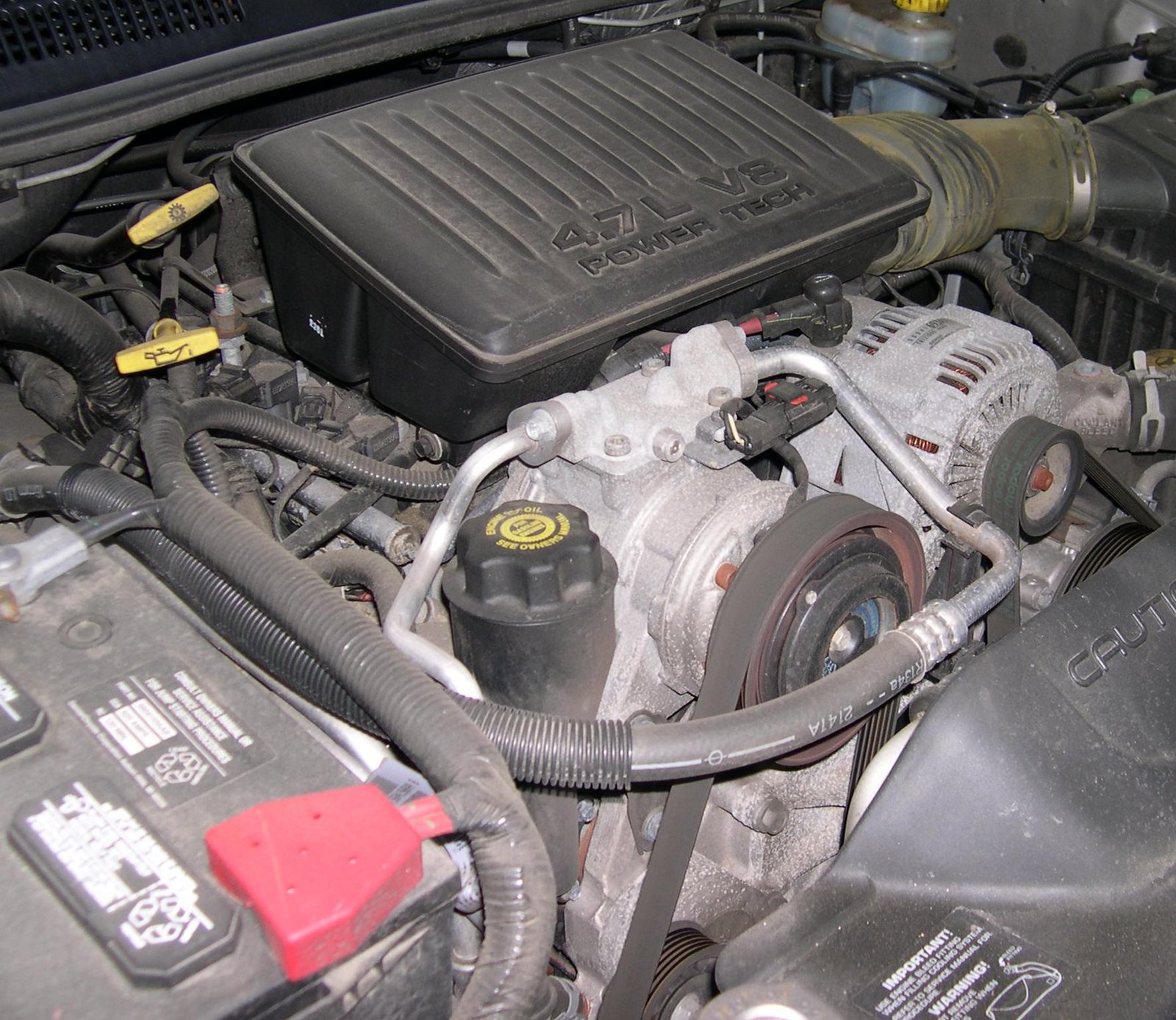
Noisy valve trains are common with age. Regular oil changes help reduce wear and noise.
26. Oil Pressure Issues
Low oil pressure is a sign of worn bearings or oil pump. This needs quick attention to avoid engine damage.
27. Catalytic Converter Problems
A blocked catalytic converter causes poor performance and warning lights. Replacing it restores power.
28. Oxygen Sensor Failure
Oxygen sensors wear out every 60,000 to 100,000 miles. Faulty sensors lower fuel efficiency.
29. Transmission Compatibility
The Jeep 47 V8 pairs well with most Jeep transmissions. Still, rough shifting can happen if the transmission is old.
30. Engine Overheating
Overheating is mainly caused by weak cooling parts. Upgraded radiators and fans solve most issues.
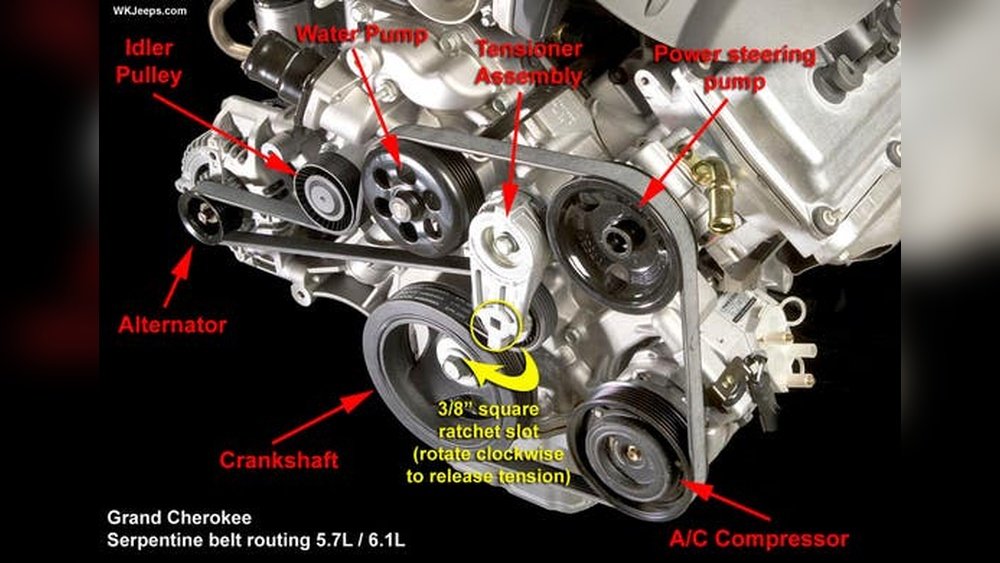
31. Belt Wear
Serpentine belts wear out every 60,000 miles. Squealing noises mean it’s time to replace the belt.
32. Air Filter Replacement
Dirty air filters reduce engine life and performance. Replace filters every 12,000 miles.
33. Engine Tuning
Proper engine tuning helps reliability. Use manufacturer settings for best results.
34. Performance Upgrades
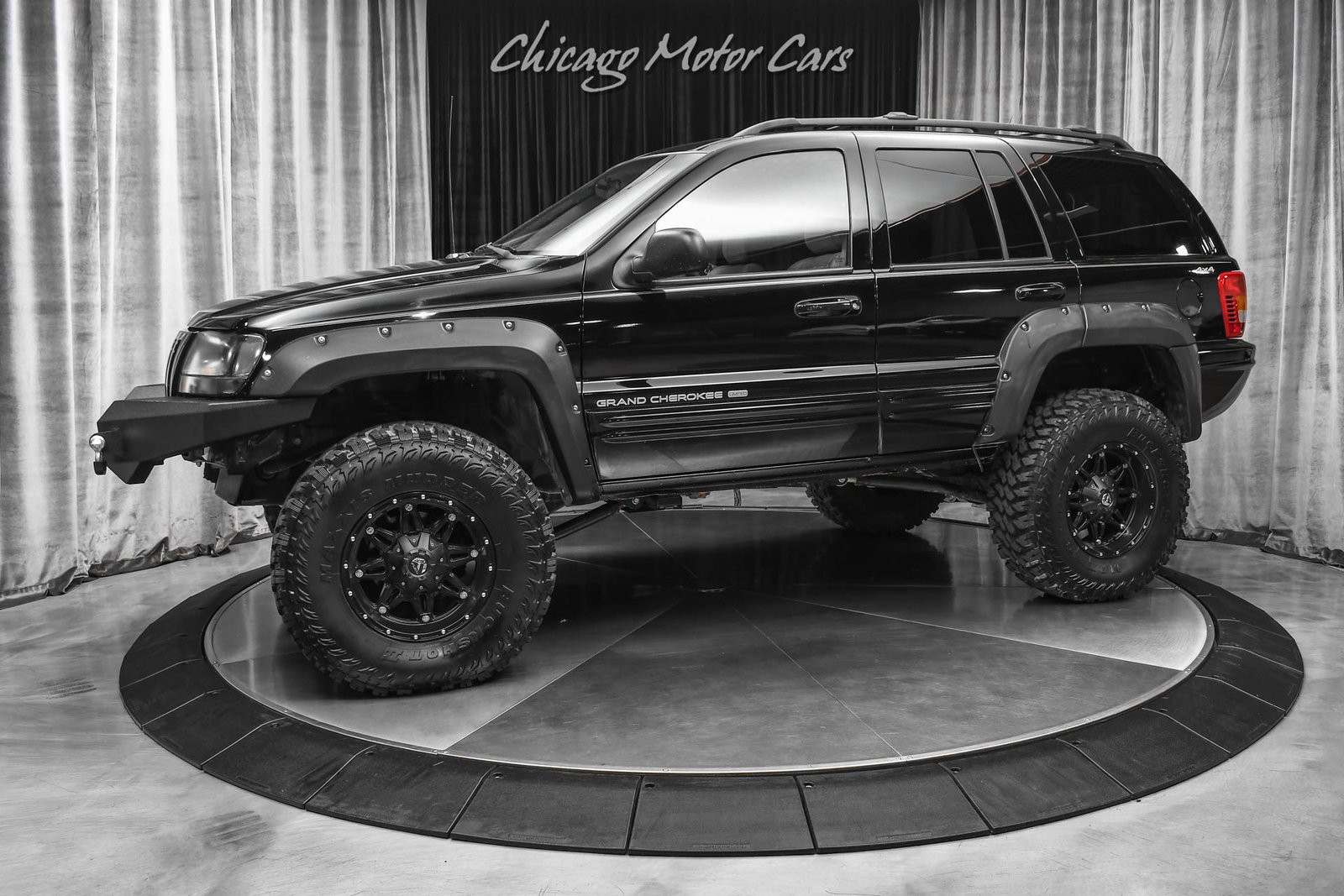
Some owners add performance upgrades like cold air intakes. These can increase stress on the engine, so choose upgrades carefully.
35. Aftermarket Parts Quality
Low-quality aftermarket parts can reduce reliability. Always choose trusted brands.
36. Engine Block Integrity
The engine block is strong, but cracks can occur after overheating. Inspect for leaks if you notice coolant loss.
37. Regular Maintenance
Regular maintenance is the key to reliability. Follow the Jeep schedule for oil, belts, and filters.
38. Warranty Coverage
New Jeep 47 V8 engines usually have a 3-year/36,000-mile warranty. Used engines may have limited coverage.
39. Resale Value
Jeeps with the 47 V8 often keep good resale value if maintained well. Buyers prefer clean, well-documented engines.
40. Cost Of Repairs
Repairs for the Jeep 47 V8 are moderate. Most fixes cost $200 $1000, depending on the part.
41. Availability Of Parts
Parts for the Jeep 47 V8 are easy to find in the US. This makes repairs fast and affordable.
42. Mechanic Familiarity
Most mechanics know the Jeep 47 V8 well. This means diagnosis and repairs are straightforward.
43. Owner Community Support
The Jeep community is strong. Owners share tips and support online and at events.
44. Common Owner Mistakes
Neglecting oil changes and ignoring warning lights are common mistakes. Always follow Jeep guidelines.
45. Environmental Factors
Extreme heat or cold affects reliability. Use proper fluids and keep your cooling system strong.
46. Vehicle Usage
Heavy off-road use puts extra stress on the Jeep 47 V8. Regular checks are important for off-road vehicles.
47. Real-world Owner Experience
Most owners say the Jeep 47 V8 is reliable with regular care. It’s a strong engine for both daily driving and off-road adventures.
Comparing Jeep 47 V8 Reliability To Other Jeep Engines
Here’s a quick comparison to help you understand how the Jeep 47 V8 stacks up against other Jeep engines.
| Engine | Average Lifespan (miles) | Common Issues | Repair Cost (USD) |
|---|---|---|---|
| Jeep 47 V8 | 150,000 to 200,000 | Oil leaks, cooling, sensors | $200, $1000 |
| Jeep 3.6 V6 | 180,000 to 220,000 | Timing chain, oil consumption | $250, $900 |
| Jeep 4.0 I6 | 200,000 to 250,000 | Head gasket, sensors | $300, $800 |
Jeep 47 V8 Maintenance Schedule
Regular maintenance keeps your engine reliable. Here’s a sample schedule:
| Task | Mileage Interval | Estimated Cost (USD) |
|---|---|---|
| Oil Change | Every 5,000 miles | $40, $70 |
| Air Filter | Every 12,000 miles | $25, $45 |
| Spark Plugs | Every 30,000 miles | $60, $120 |
| Timing Chain | Every 100,000 miles | $500, $900 |
Pros And Cons Of The Jeep 47 V8
Pros:
- Strong power for towing and off-road
- Easy to repair and find parts
- Good community support
- Reliable with regular maintenance
Cons:
- Oil leaks and overheating risks
- Moderate fuel economy
- Some sensors and parts wear out quickly
Owner Tips For Better Reliability
- Change oil every 5,000 miles
- Use quality parts and fluids
- Check cooling and ignition systems often
- Avoid neglecting warning lights
- Keep maintenance records
Real-world Example
Mike, a Jeep Grand Cherokee owner, drove his Jeep 47 V8 over 180,000 miles with regular care. He changed oil, fixed leaks, and replaced worn parts.
His Jeep still runs strong, showing the value of regular maintenance.
Non-obvious Insights
- Timing chain noise is often ignored, but fixing it early can prevent engine failure.
- Performance upgrades may look cool, but they can reduce reliability if not installed correctly.
Change the oil every 5,000 miles or every 6 months. This keeps the engine running smoothly and prevents wear.
“,”visible”:true},{“id”:”faq-question-701b1ea8bdc4″,”title”:”What Are The Most Common Problems With The Jeep 47 V8?”,”content”:”The most common issues are oil leaks, cooling system failures, and sensor problems. Regular checks help prevent these.
“,”visible”:true},{“id”:”faq-question-96b720e6bb90″,”title”:”Is The Jeep 47 V8 Good For Towing?”,”content”:”Yes, the Jeep 47 V8 offers strong towing power. It can tow up to 7,200 pounds, but always check your Jeep model’s rating.
“,”visible”:true},{“id”:”faq-question-6db4b8e27247″,”title”:”How Much Does It Cost To Repair The Jeep 47 V8?”,”content”:”Most repairs range from $200, $1000. Common fixes like sensors or gaskets are on the lower end, while major repairs cost more.
“,”visible”:true},{“id”:”faq-question-95ca461ea8cc”,”title”:”Where Can I Find Reliable Parts For The Jeep 47 V8?”,”content”:”Buy parts from trusted brands and authorized dealers. The Jeep owner community and sites like RockAuto can help you find quality parts.
“,”visible”:true}]} –>How Often Should I Change The Oil In The Jeep 47 V8?
Change the oil every 5,000 miles or every 6 months. This keeps the engine running smoothly and prevents wear.
What Are The Most Common Problems With The Jeep 47 V8?
The most common issues are oil leaks, cooling system failures, and sensor problems. Regular checks help prevent these.
Is The Jeep 47 V8 Good For Towing?
Yes, the Jeep 47 V8 offers strong towing power. It can tow up to 7,200 pounds, but always check your Jeep model’s rating.
How Much Does It Cost To Repair The Jeep 47 V8?
Most repairs range from $200, $1000. Common fixes like sensors or gaskets are on the lower end, while major repairs cost more.
Where Can I Find Reliable Parts For The Jeep 47 V8?
Buy parts from trusted brands and authorized dealers. The Jeep owner community and sites like RockAuto can help you find quality parts.
Closing Thoughts
The Jeep 47 V8 is a reliable engine if you take care of it. It’s strong, easy to fix, and supported by a great community. Most owners enjoy years of trouble-free driving. Remember, regular maintenance and early problem fixing are the keys to long-lasting reliability. Whether you drive daily or love off-road adventures, the Jeep 47 V8 can be a dependable choice for your Jeep.
Meta Title: How Reliable is the Jeep 47 V8? Full Guide & 47 Key Factors
Meta Description: Discover the reliability of the Jeep 47 V8 engine. Learn about 47 key factors, pros & cons, maintenance tips, real owner examples, and FAQs. Perfect for beginners.