How Reliable Are Jeeps?
If you’re thinking about buying a Jeep, you probably wonder: How reliable are Jeeps? This is a smart question.
You want a vehicle that fits your lifestyle but also one you can trust. Jeeps are famous for adventure and off-road fun, but some people worry about repairs, costs, and breakdowns.
This article gives you clear, honest answers based on real data, expert opinions, and Jeep owner experiences. You'll learn what to expect, what can go wrong, and how Jeeps compare to other SUVs.
What Does “reliability” Mean For A Jeep?
Reliability is how often a car breaks down and how expensive it is to fix. For a Jeep, reliability means:
- How often you need repairs
- How much you pay for maintenance
- How long the car lasts before big problems
Most people want a car that starts every morning, doesn’t leave them stranded, and doesn’t cost a fortune to keep running. Let’s see how Jeeps perform in these areas.
Jeep Reliability: The Data
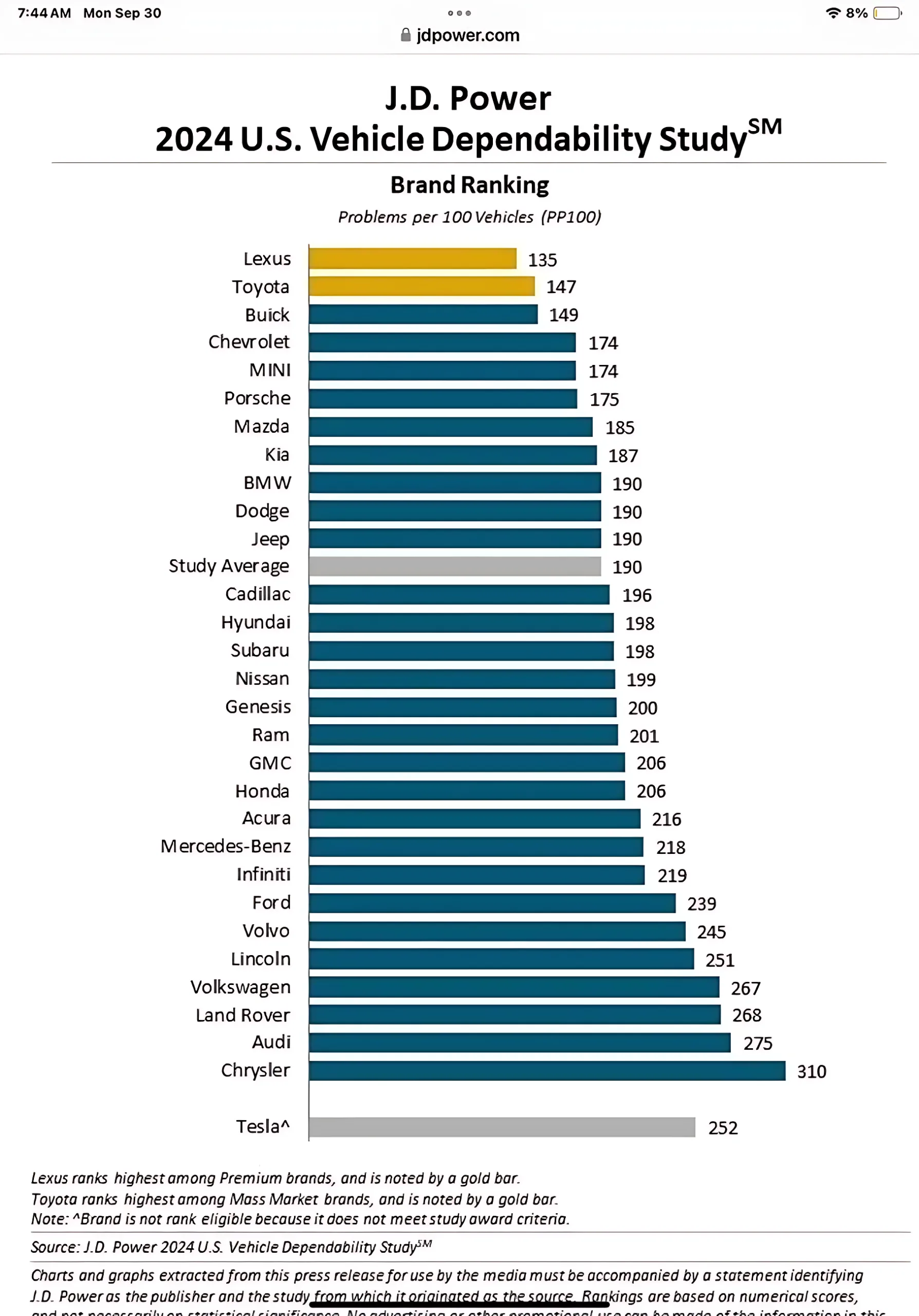
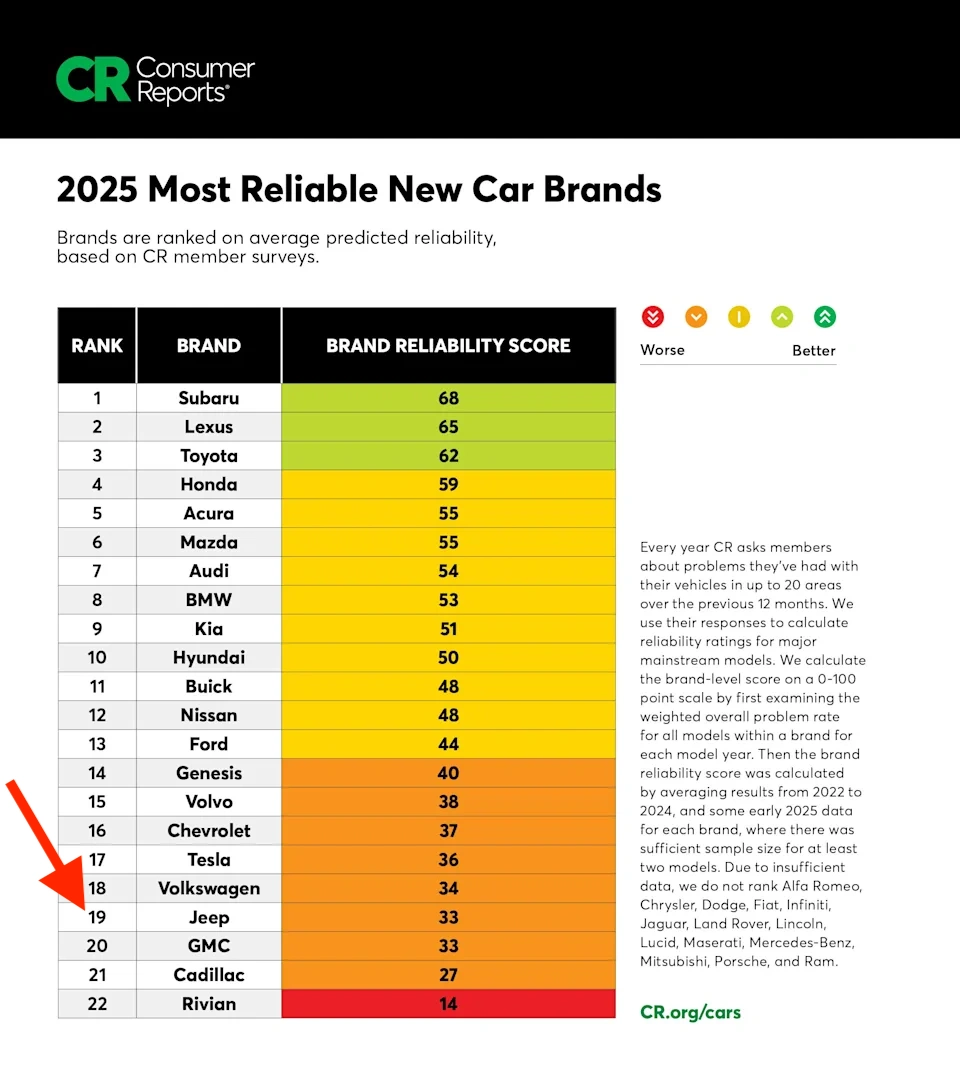
Many groups rate Jeep reliability. They look at repairs, owner complaints, and how long cars last. Here’s a quick look at some trusted sources:
| Source | Reliability Score (out of 5) | Notes |
|---|---|---|
| J.D. Power | 2.5 – 3.5 | Average for most models |
| Consumer Reports | 2 – 3 | Some Jeep models below average |
| RepairPal | 3.5 | Ranks 15th out of 32 brands |
Key insight: Jeeps are usually rated as average or below average for reliability compared to other brands.
Common Jeep Models And Their Reliability
Not all Jeeps are the same. Some models have better records than others. Here’s how popular Jeeps compare:
| Model | Reliability Rating | Known Issues |
|---|---|---|
| Wrangler | Average | Electrical, steering, leaks |
| Cherokee | Below Average | Transmission, electronics |
| Grand Cherokee | Average | Engine, electrical |
| Compass | Average | Suspension, transmission |
| Renegade | Below Average | Engine, electrical |
Some owners say their Jeeps last over 200,000 miles with care. Others report frequent repairs, especially after 100,000 miles.
Why Do People Say Jeeps Are Unreliable?
Jeeps, especially the Wrangler, are built for off-road driving. This means:
- More complex parts (like four-wheel drive systems)
- Extra wear and tear from rough roads
- More chances for things to break
Also, Jeeps are often used for towing, mudding, or mountain roads. This heavy use can cause premature wear compared to city driving.
But not all complaints come from hard use. Some Jeep models have recalls and design problems, especially with electronics or transmissions. These issues appear even with normal driving.
Pros And Cons Of Jeep Reliability
It’s important to know both sides before you buy.
Pros
- Strong engines: Many Jeeps have tough engines that last a long time with good care.
- Simple repairs: Older Jeeps, especially Wranglers, are easier to fix than many modern SUVs.
- Huge aftermarket support: You can find parts and mechanics who know Jeeps almost anywhere.
Cons
- Frequent small repairs: Owners report more visits to the shop than with Toyota or Honda SUVs.
- Electronics can be weak: Newer Jeeps have more screens and features, which sometimes fail.
- Expensive dealer repairs: Some fixes, especially transmission or computer problems, can cost thousands.
Real Owner Experiences
What do real Jeep owners say? examples:
- Positive: “My 2010 Wrangler has over 180,000 miles. I take care of it, and it’s still running strong. Most repairs are minor.”
- Mixed: “Love my Grand Cherokee, but I had to replace the water pump and have electrical work done by 80,000 miles.”
- Negative: “My 2017 Renegade had engine problems at 60,000 miles. Dealer repairs were costly.”
Non-obvious insight: Owners who stick to regular maintenance and avoid harsh off-roading see fewer problems. Also, some newer Jeep models have more electrical issues than older, simpler versions.
How Jeeps Compare To Other Suvs
Is a Jeep more or less reliable than a Ford, Toyota, or Honda SUV? Here’s a quick comparison:
| Brand | Average Reliability Score | Typical Repair Cost/year |
|---|---|---|
| Jeep | 3.0 | $634 |
| Toyota | 4.0 | $441 |
| Honda | 4.0 | $428 |
| Ford | 3.5 | $631 |
| Chevrolet | 3.5 | $649 |
Jeeps cost more to repair than Toyota or Honda, but are similar to Ford and Chevrolet. Toyotas and Hondas are known for lasting longer with fewer problems.
Another insight: Many people buy Jeeps for style and adventure, not just reliability. If you mostly want a “set it and forget it” vehicle, a Toyota or Honda might suit you better.
Common Jeep Problems To Watch For
If you are considering a Jeep, it helps to know the most reported problems:
- Transmission failures: Especially in the Jeep Cherokee and Grand Cherokee (2014-2016).
- Electrical issues: Power windows, screen glitches, and sensor failures.
- Water leaks: Some Wranglers and older Cherokees can leak during heavy rain.
- Suspension wear: Bushings and ball joints wear faster if you drive off-road often.
- Oil leaks: Some engines, especially the older 4.0L inline-six, are known for minor leaks.
Practical tip: If you’re buying used, ask for a maintenance record and check for recalls. A used Jeep with a good repair history is often a safer bet.
Maintenance Costs And Longevity
How much does it cost to keep a Jeep running? Here’s what you can expect:
- Average yearly repair cost: About $634, according to RepairPal.
- Major repair frequency: About 0.3 times per year (one major issue every three years).
With good care, many Jeeps last over 150,000 miles. Some well-maintained Wranglers reach 250,000 miles or more.
How To Make Your Jeep Last Longer
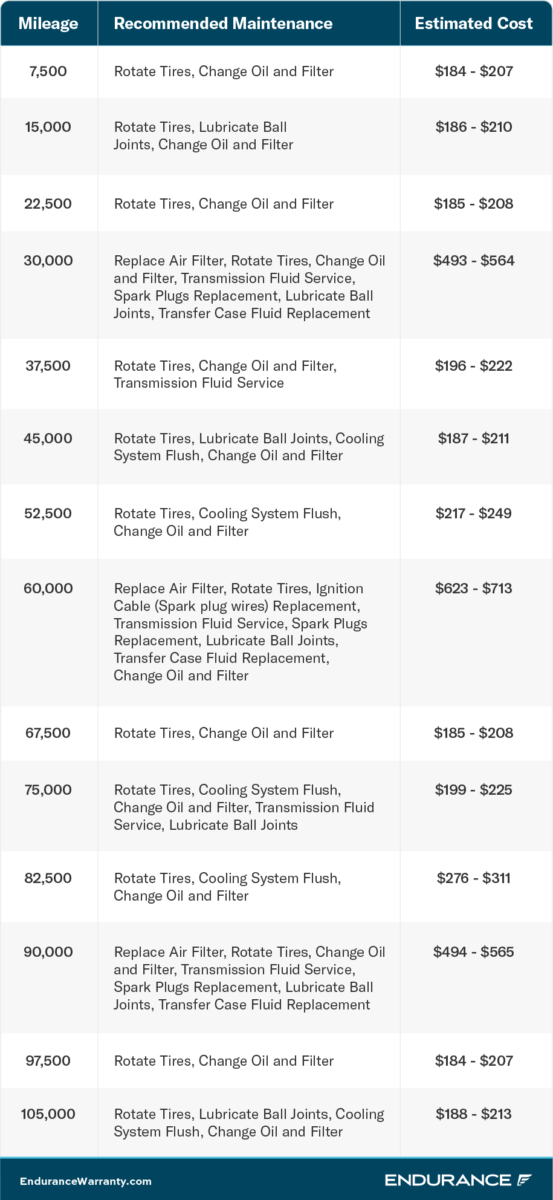
- Change oil on time (every 5,000 to 7,500 miles).
- Check and replace fluids (transmission, coolant, brake).
- Inspect suspension and steering after off-roading.
- Replace worn bushings and belts before they fail.
- Fix small leaks early to prevent bigger problems.
Should You Buy A Jeep? Who Are Jeeps Best For?
Jeeps are best for people who want:
- Adventure and off-roading
- A classic, rugged style
- Easy modifications and upgrades
They may not suit people who want:
- Very low repair costs
- Perfect reliability
- A quiet, smooth ride
If you love exploring trails or want a vehicle with character, a Jeep can be a great choice. If you want a worry-free daily driver, look at Toyota or Honda SUVs.
Jeep Reliability Myths Vs. Facts
Let’s clear up a few common myths:
- Myth: All Jeeps are unreliable.
Fact: Some models are better than others. Older Wranglers and Cherokees are known for toughness.
- Myth: Jeeps always break down after 100,000 miles.
Fact: With proper care, many Jeeps last far longer.
- Myth: Jeeps are expensive to fix because parts are rare.
Fact: Jeep parts are widely available and often cheaper than European brands.
What About Newer Jeeps?
Newer Jeeps (2017 and up) have more technology. This brings:
- Better comfort and safety
- More electronics that can fail
Some newer models have had recalls for electrical or transmission issues. Before buying, check the recall record for that year and model.
Tip: If you want fewer problems, look for a model year with high owner ratings and fewer complaints.
Jeep Warranty And Support
All new Jeeps come with a 3-year/36,000-mile basic warranty and a 5-year/60,000-mile powertrain warranty. This covers most major problems early on. Extended warranties are available, but read the fine print. Not all parts or types of damage are covered.
You can learn more about Jeep’s warranty at the official Jeep Warranty Site.
<!– wp:rank-math/faq-block {"questions":[{"id":"faq-question-597fe4353b20","title":"Are Jeeps Reliable For Daily Driving?","content":"Jeeps can be reliable for daily driving, especially if you choose a model with a good record and keep up with maintenance. However, they may need more repairs than a Toyota or Honda SUV.
nnnnIf comfort and low costs are your top priorities, another brand might suit you better.
“,”visible”:true},{“id”:”faq-question-2c591e6d36cb”,”title”:”How Many Miles Do Jeeps Usually Last?”,”content”:”With regular care, many Jeeps last 150,000 to 200,000 miles. Some owners get over 250,000 miles, especially with Wranglers and older Cherokees. Heavy off-road use can shorten a Jeep’s life.
“,”visible”:true},{“id”:”faq-question-3bf5441207a3″,”title”:”What Is The Most Reliable Jeep Model?”,”content”:”The Jeep Wrangler (especially older models) is often seen as the most reliable. Many owners report long life and simple repairs. The Grand Cherokee is reliable for some years, but check for known issues before buying.
“,”visible”:true},{“id”:”faq-question-1ba486151bd2″,”title”:”Do Jeeps Cost More To Repair Than Other Suvs?”,”content”:”Yes, Jeeps usually cost more to repair than Toyotas or Hondas, but costs are similar to Ford and Chevrolet SUVs. Repairs can be cheaper if you do some work yourself or use independent mechanics.
“,”visible”:true},{“id”:”faq-question-ba7d51d358df”,”title”:”Are New Jeeps More Reliable Than Old Ones?”,”content”:”New Jeeps have more features and safety, but also more electronics that can fail. Some newer models had recalls and problems, especially with transmissions. Older Jeeps are simpler and often easier to fix, but may lack comfort and safety features.
“,”visible”:true}]} –>Are Jeeps Reliable For Daily Driving?
Jeeps can be reliable for daily driving, especially if you choose a model with a good record and keep up with maintenance. However, they may need more repairs than a Toyota or Honda SUV.
If comfort and low costs are your top priorities, another brand might suit you better.
How Many Miles Do Jeeps Usually Last?
With regular care, many Jeeps last 150,000 to 200,000 miles. Some owners get over 250,000 miles, especially with Wranglers and older Cherokees. Heavy off-road use can shorten a Jeep’s life.
What Is The Most Reliable Jeep Model?
The Jeep Wrangler (especially older models) is often seen as the most reliable. Many owners report long life and simple repairs. The Grand Cherokee is reliable for some years, but check for known issues before buying.
Do Jeeps Cost More To Repair Than Other Suvs?
Yes, Jeeps usually cost more to repair than Toyotas or Hondas, but costs are similar to Ford and Chevrolet SUVs. Repairs can be cheaper if you do some work yourself or use independent mechanics.
Are New Jeeps More Reliable Than Old Ones?
New Jeeps have more features and safety, but also more electronics that can fail. Some newer models had recalls and problems, especially with transmissions. Older Jeeps are simpler and often easier to fix, but may lack comfort and safety features.
Final Thoughts
So, how reliable are Jeeps? They are average compared to other SUVs. Some models (like the Wrangler) are tough and last a long time with care. Others, especially newer models with many electronics, can have more problems. Repair costs are higher than Toyota or Honda, but not extreme. If you want adventure and a classic style, a Jeep is a good choice. If you want the fewest problems and lowest costs, look at other brands. Always check the record of the specific Jeep model and year you want to buy, and keep up with maintenance for the best results.