Getting new gears for your Jeep JK is a big decision, especially if you want better performance after adding bigger tires or going off-road. Many owners wonder, “How much does it cost to regear a Jeep JK?” The answer depends on several factors, from parts and labor to your driving habits. This guide breaks down the costs, explains what influences the price, and helps you plan for a smoother upgrade.
What Does Regearing Mean For A Jeep Jk?
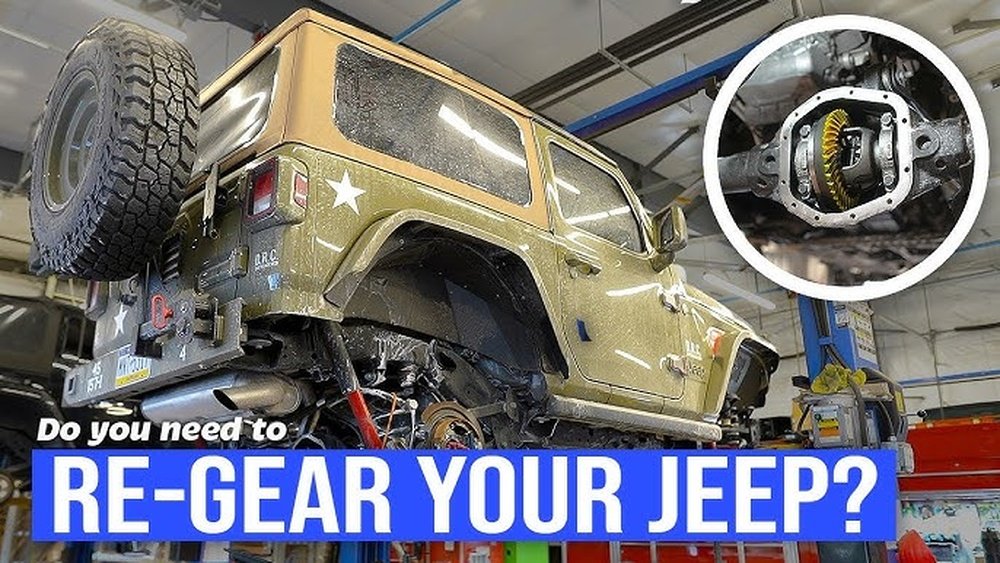
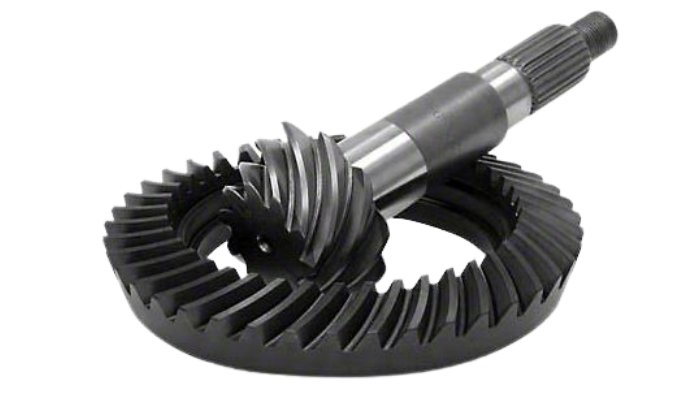
Regearing means changing the gear ratio inside your Jeep’s axles. This process helps your engine work better with larger tires, improves acceleration, and restores lost power. Most Jeep JKs come with gear ratios like 3.21, 3.73, or 4.10. If you install bigger tires (like 35″ or 37″), your stock gears may struggle. Regearing fixes this mismatch, but it’s not cheap or easy.
Typical Cost Breakdown
When budgeting for a regear, you need to consider several parts and services. Here’s what most Jeep JK owners pay:
| Item | Estimated Cost (USD) |
|---|---|
| Gear Set (Front & Rear) | $350 – $600 each |
| Install Kits (Bearings & Seals) | $100 – $200 per axle |
| Labor (Per Axle) | $400 – $800 each |
| Shop Fees & Fluids | $50 – $150 |
| Total (Both Axles) | $1,800 – $2,500 |
The final price can change based on location, shop reputation, and the gear ratio you choose. If you add upgrades like locking differentials, costs can rise further.
Key Factors Affecting The Price
Several elements can change the total cost to regear your Jeep JK:
- Type of Axle: Most JKs have Dana 30 (front) and Dana 44 (rear). Dana 44 gears and install kits usually cost a bit more.
- Gear Ratio: Higher ratios (like 4.56 or 5.13) can cost more than standard ones. Specialized gears are pricier.
- Labor Rates: Shops in big cities often charge more. Rural shops may be cheaper, but quality varies.
- Additional Upgrades: If you want new axles, lockers, or heavy-duty covers, the price increases.
- Brand Quality: Trusted brands like Yukon, Motive Gear, or G2 cost more but last longer.
Here’s a quick comparison of labor costs in different regions:
| Region | Labor Cost (Per Axle) |
|---|---|
| West Coast (CA, WA, OR) | $700 – $900 |
| Midwest | $400 – $700 |
| South | $500 – $800 |
| East Coast (NY, FL, PA) | $600 – $900 |
Tip: Always ask shops for a clear estimate before starting. Some offer “all-in” packages, while others charge for every part and hour.
Should You Regear Yourself Or Use A Shop?
Regearing is a complex job. It requires special tools, knowledge, and precision. Even a small mistake can damage your Jeep’s axles. Most owners choose professional shops, but some skilled enthusiasts do it themselves.
| Option | Cost | Skill Level Needed | Risks |
|---|---|---|---|
| Professional Shop | $1,800 – $2,500 | Low | Minimal |
| DIY | $800 – $1,200 | High | High (axle damage) |
If you do not have experience with differential setup, DIY is risky. Shops usually give a warranty, which adds peace of mind.
Real-life Examples
Many Jeep JK owners share their regearing experiences online. One owner in Texas paid $2,000 for 4.56 gears and install kits at a well-known shop. Another in California spent $2,600 after adding locking differentials. DIYers sometimes save money but often spend more on tools or fixing mistakes. It’s wise to ask local Jeep clubs for trusted shop recommendations.
Beginners often miss these important points:
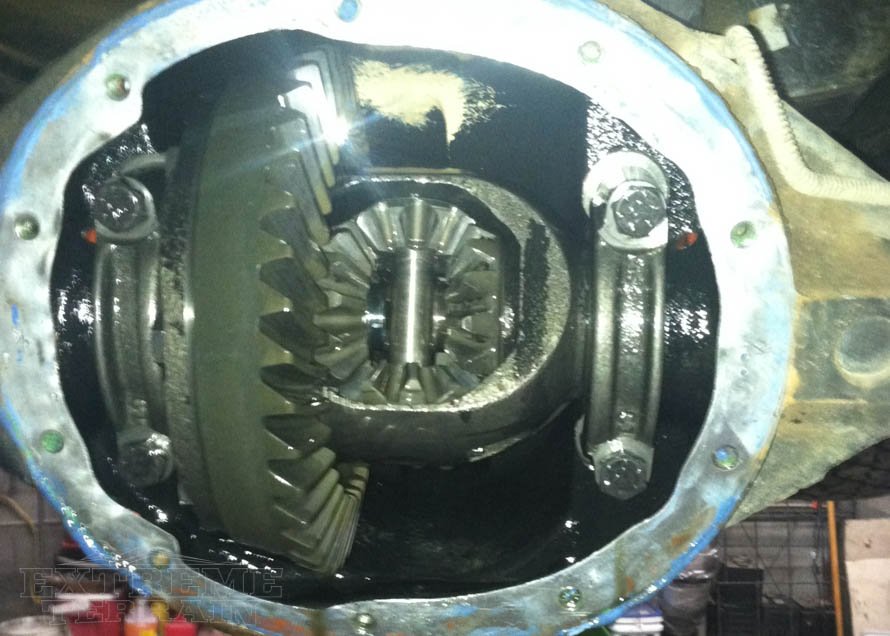
- Not replacing bearings: Old bearings can fail quickly after regear. Always use new ones.
- Ignoring speedometer recalibration: Changing gear ratios affects your speedometer. Get it recalibrated to avoid speeding tickets.
- Forgetting about warranty: Some shops only offer short warranties. Ask for details before paying.
- Skipping fluid changes: Fresh gear oil is critical after installation.
Hidden costs can include extra labor if your axles are rusty, or if seals and covers are damaged. Always budget a bit more than the quote.
How To Save Money
You can reduce costs by:
- Buying parts in bundles: Some sellers offer discounts if you buy gears and install kits together.
- Getting multiple quotes: Prices vary between shops. Compare at least three.
- Using local Jeep clubs: Members often know reputable shops and may help with DIY.
- Avoiding unnecessary upgrades: Stick to gears and install kits unless you need lockers or new axles.
Non-obvious tip: Some shops let you supply your own parts, but check if this affects the warranty.
Is Regearing Worth It?
If you use larger tires or tow heavy loads, regearing is almost always worth the cost. You’ll notice better acceleration, improved fuel economy, and less strain on your engine. For daily drivers with stock tires, the benefit is smaller.
Non-obvious insight: Regearing improves crawl speed for off-roading, making steep climbs easier and safer.
Frequently Asked Questions
How Long Does It Take To Regear A Jeep Jk?
Most shops need 1–2 days for both axles. DIY projects may take longer, especially if you lack experience.
Can I Drive My Jeep Jk With Mismatched Gear Ratios?
No. Using different ratios in front and rear axles can damage your drivetrain. Always regear both axles together.
Will Regearing Affect My Fuel Economy?
Yes. With the right gear ratio for your tire size, fuel economy usually improves compared to stock gears and big tires. If you pick very high ratios, your engine may run at higher RPMs, reducing efficiency.
Do I Need To Recalibrate My Speedometer After Regearing?
Absolutely. Changing gear ratios alters your speed reading. Shops often recalibrate for a small fee. Some owners use programmers or apps.
Are There Any Reliable Sources For Jeep Jk Regearing Info?
Yes. The Quadratec site offers detailed guides and parts for Jeep JK regearing.
Regearing your Jeep JK is a solid investment if you want improved performance with bigger tires. While costs are significant, planning ahead and choosing the right shop can make the process smoother. Always ask questions, compare options, and focus on quality parts for lasting results.