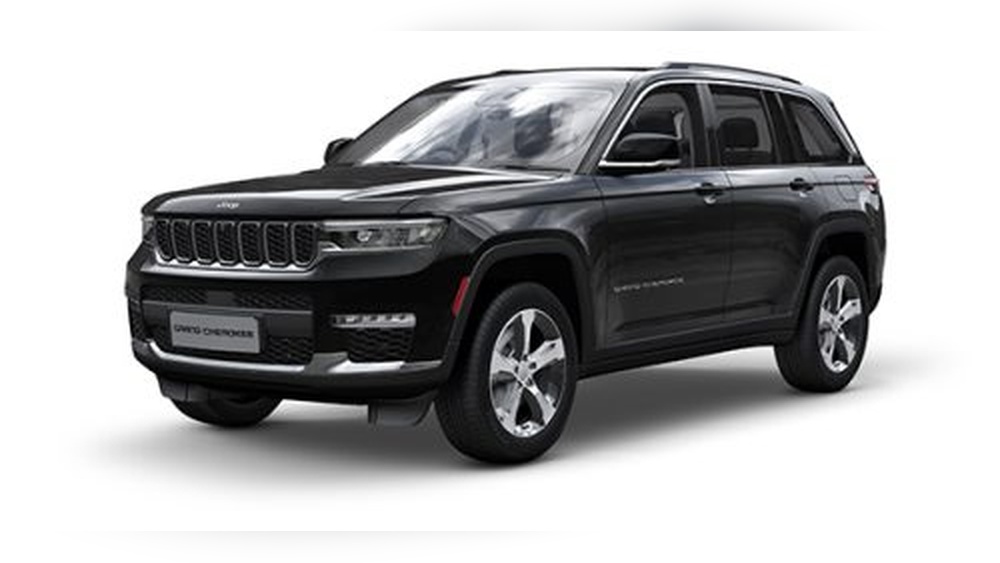
Driving a Jeep Grand Cherokee can be a joy, but the small details often make the biggest difference. One of the most important, yet overlooked, details is tire pressure.
The right tire pressure not only keeps you safe but also helps your Jeep run better and last longer. Many drivers guess or ignore this number, but a few PSI off can affect your ride, fuel cost, and tire life.
Let’s break down exactly how much tire pressure your Jeep Grand Cherokee needs and what you should know to keep your SUV rolling smoothly.
Recommended Tire Pressure For Jeep Grand Cherokee
Most Jeep Grand Cherokees have a recommended tire pressure of 33 to 36 PSI (pounds per square inch) for standard driving conditions. This range is set by Jeep engineers for a balance of comfort, safety, and efficiency.
However, the exact number can depend on several factors:
- Model year: Newer and older Grand Cherokees can have different needs.
- Tire size: Upgrades or aftermarket tires may require a different PSI.
- Load: Carrying heavy cargo or extra passengers changes the optimal pressure.
You’ll find the exact recommended PSI for your Jeep on a sticker inside the driver’s door jamb. Always use this number as your base, not what’s printed on the tire itself.
Example Tire Pressure Recommendations
Here’s a quick comparison of recommended tire pressures for popular Grand Cherokee years and trims:
| Model Year | Trim/Engine | Recommended PSI |
|---|---|---|
| 2015 | Laredo 3.6L | 36 PSI |
| 2020 | Limited 3.6L | 36 PSI |
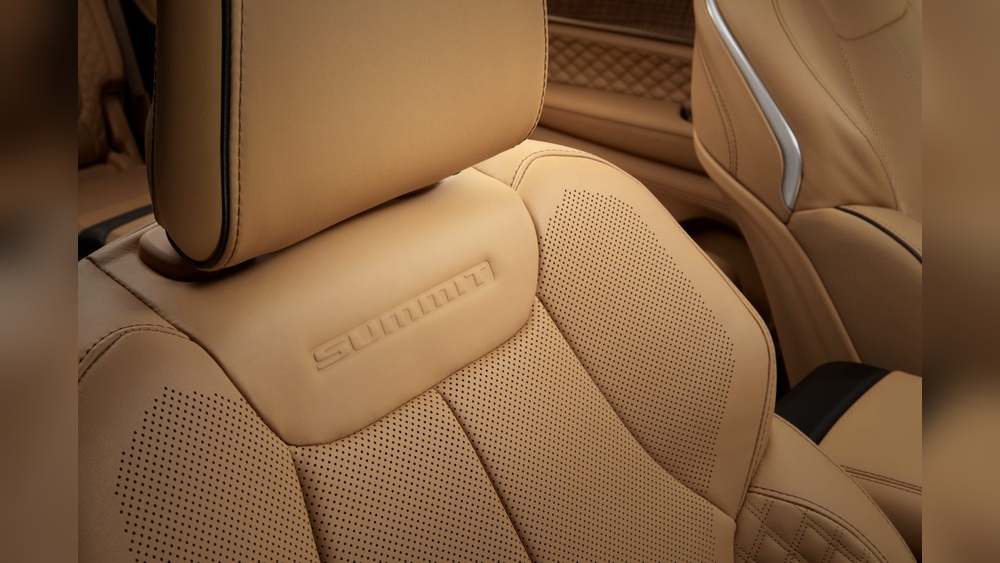
| 2022 | Summit 5.7L | 33 PSI |
| 2023 | Overland 4xe | 36 PSI |
If your Jeep Grand Cherokee has 20-inch wheels or a special off-road package, check your manual for specific guidance.
Why Correct Tire Pressure Matters
The difference between good and bad tire pressure is more than just comfort. Here’s what’s at stake:
- Safety: Too little pressure makes tires flex more, increasing the risk of a blowout. Overinflated tires have less grip and can make stopping harder.
- Fuel Efficiency: Underinflated tires use more energy, causing you to burn more gas. The U.S. Department of Energy reports you can lose up to 3% of fuel efficiency per 1 PSI drop in all tires.
- Tire Life: The right PSI helps tires wear evenly. Too low or too high, and you’ll be buying new tires much sooner.
- Handling: Correctly inflated tires make your Jeep handle better, especially in rain or on rough roads.
A common mistake is to set pressure based on what “feels right” or what’s printed on the tire. Always use the number from your Jeep’s sticker. The tire’s sidewall shows the maximum, not the recommended, PSI.
How To Check And Adjust Tire Pressure
Checking tire pressure is easy, but many skip it or do it wrong. Here’s the right way:
- Wait for cold tires: Check pressure before driving or after your Jeep has been parked for at least 3 hours. Heat from driving can increase pressure and give a false reading.
- Use a good gauge: Digital or dial gauges are more accurate than the ones at gas stations.
- Check all four tires: Don’t forget the spare! It should match the others or follow what’s in your manual.
- Adjust as needed: Add air if below the recommended PSI. Release air if above.
Check tire pressure at least once a month and before long trips or carrying heavy loads.
Tire Pressure For Different Situations
Some situations need a different approach:
| Situation | Recommended Adjustment | Why It Matters |
|---|---|---|
| Heavy cargo/towing | Increase by 2-4 PSI | Supports extra weight, prevents overheating |
| Off-road driving | Reduce by 5-10 PSI (temporary) | Improves traction on sand or mud |
| Extreme cold | Check weekly | Cold air lowers PSI naturally |
After off-road trips, always refill tires to normal levels before driving on pavement. Running too low for long will damage the tire.
Common Tire Pressure Mistakes To Avoid
- Ignoring seasonal changes: Tire pressure drops in cold weather. Each 10°F drop means about 1 PSI less.
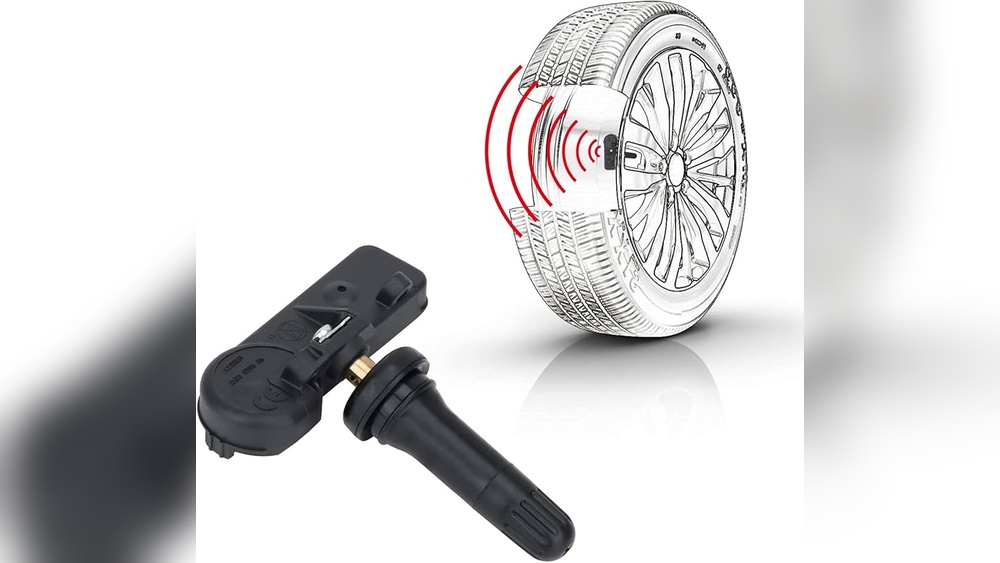
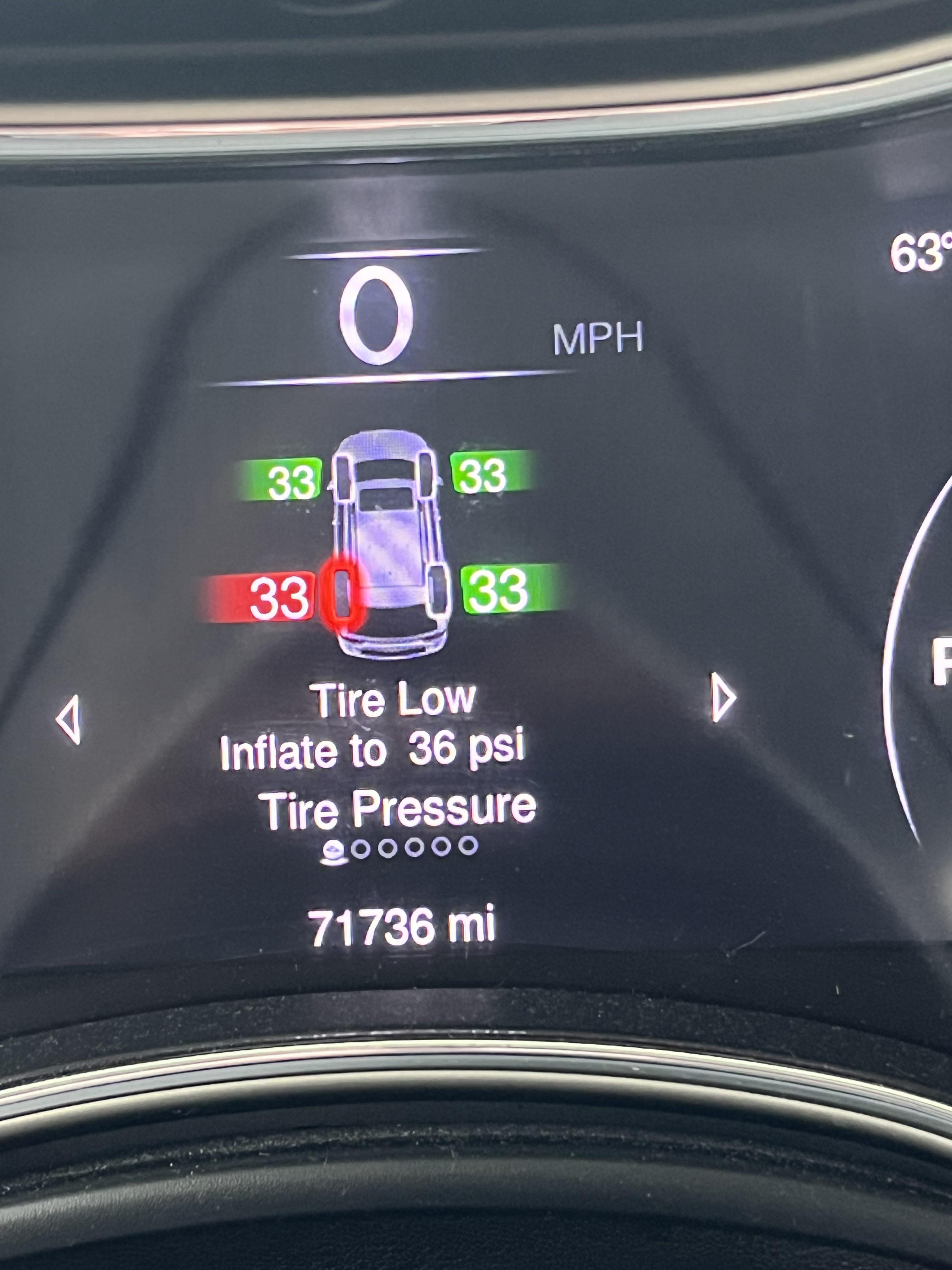
- Relying on tire monitors only: The TPMS warning light is helpful, but may not alert you until PSI is already very low.
- Setting pressure based on tire max: This can make your ride rough and unsafe.
- Skipping the spare: A flat spare is useless in an emergency.
One non-obvious tip: If your Jeep pulls to one side or your steering feels heavy, check your tire pressure first before looking for bigger problems.
How Temperature Affects Tire Pressure
Temperature changes can make a big difference in tire pressure. For every 10°F change in temperature, tire pressure can go up or down by 1 PSI. So if you set your pressure in summer, it might be underinflated by winter.
Here’s an example:
- Set at 36 PSI in July (90°F)
- In January (20°F), the same tire may now be 29 PSI
That’s a big drop—enough to affect safety and fuel use. It’s smart to check and adjust tire pressure as the seasons change.
Upgrading Tires Or Wheels? What To Know
If you swap your tires for a different size or choose aftermarket wheels, your PSI needs may change. Larger tires sometimes need less pressure, and smaller ones may need more. Always check with the tire shop or use a tire load calculator.
A common mistake is to use the same PSI for every tire size. This can lead to uneven wear or a bumpy ride. If unsure, ask a professional or check the official guidelines at NHTSA.
Frequently Asked Questions
What Is The Recommended Tire Pressure For A Jeep Grand Cherokee?
For most models, 33 to 36 PSI is recommended. Always check the sticker inside the driver’s door for your exact number.
Does Tire Pressure Affect Fuel Economy?
Yes, underinflated tires can lower fuel economy by up to 3% for each PSI below the recommended level.
Can I Use The Maximum Psi Shown On The Tire?
No, the number on the tire sidewall is the maximum safe pressure, not the recommended amount for daily driving.
How Often Should I Check My Tire Pressure?
Check at least once a month and before long trips. More often in extreme cold or if you notice handling changes.
What Happens If I Drive With The Wrong Tire Pressure?
Driving with the wrong tire pressure can cause uneven tire wear, poor handling, lower fuel efficiency, and even tire failure.
Keeping your Jeep Grand Cherokee’s tires at the right pressure is simple but powerful. It keeps you safe, saves you money, and makes every drive smoother. If you’re ever unsure, a quick check with a quality gauge is always worth your time.