Buying a Jeep Grand Cherokee is exciting. It’s a powerful SUV, known for its comfort and performance.
But to keep it running smoothly, you need to know some basics especially how much engine oil it needs. The right oil amount keeps your engine healthy, prevents damage, and saves you money in the long run.
Many owners, especially first-timers, aren’t sure about the oil capacity. This guide will help you understand oil requirements for different Grand Cherokee models, how to check and add oil, and what happens if you use the wrong amount.
Oil Capacity By Jeep Grand Cherokee Model
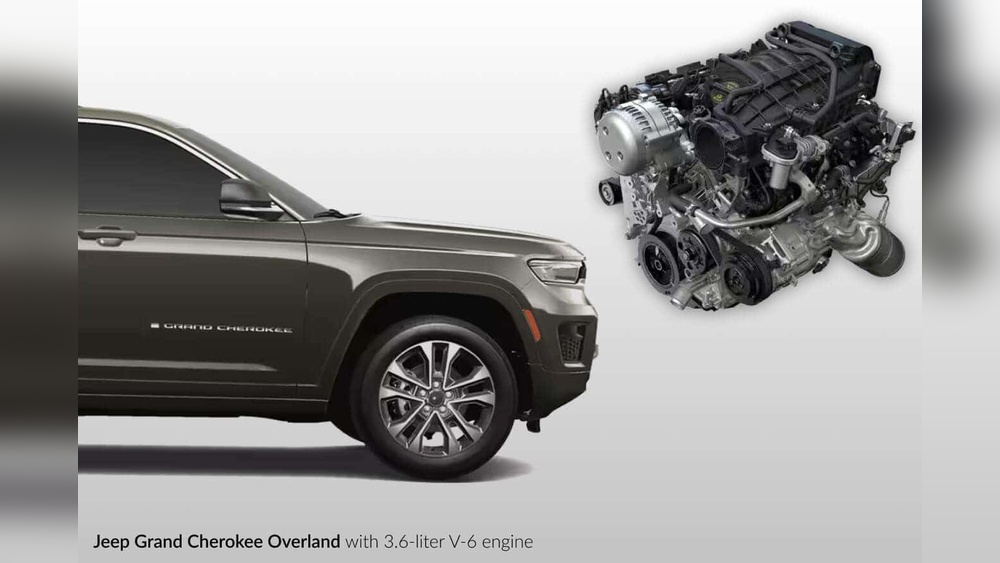
Jeep Grand Cherokee has different engine types across generations. Oil capacity changes based on engine size and year. Let’s look at the most common models.
| Model Year | Engine Type | Oil Capacity (Quarts) |
|---|---|---|
| 2011–2023 | 3.6L V6 | 6.0 |
| 2011–2023 | 5.7L V8 | 7.0 |
| 2017–2021 | 6.4L V8 (SRT) | 7.0 |
| 2018–2023 | 6.2L Supercharged (Trackhawk) | 8.0 |
| 2011–2015 | 3.0L Diesel | 8.4 |
Most drivers own either the 3.6L V6 or 5.7L V8 models, so you’ll likely need between 6.0 and 7.0 quarts of oil. Diesel and performance engines require more. This difference is important because using the wrong oil capacity can affect how your engine works. For example, if you have a Trackhawk or SRT model, these engines run hotter and faster, so they need more oil for proper cooling and protection. If your Grand Cherokee is an older model, oil capacity may be slightly less, so always check your manual before adding oil.
Some owners think all SUVs use the same amount of oil, but that’s not true. Even a small mistake in oil capacity can lead to engine problems.
So, knowing your exact engine type and year helps avoid guessing and keeps your Jeep in top shape.
Choosing The Right Oil Type
Not just the quantity, but the oil type matters. Modern Grand Cherokees usually need synthetic oil for better performance and engine protection. Using the wrong oil can cause engine wear, poor fuel economy, and even void your warranty.
| Engine | Recommended Oil | Viscosity |
|---|---|---|
| 3.6L V6 | Full Synthetic | 5W-20 |
| 5.7L V8 | Full Synthetic | 5W-20 |
| 6.4L V8 (SRT) | Full Synthetic | 0W-40 |
| 3.0L Diesel | Synthetic Diesel Oil | 5W-40 |
Always check your owner’s manual for the exact oil type. Never guess—using conventional oil instead of synthetic can shorten engine life. If you live in a cold climate, pay attention to the viscosity number. Lower numbers like 0W-40 help oil flow better in winter, while higher numbers are good for hot climates. Also, for diesel engines, regular oil won’t work well. Diesel oils have special additives that protect these engines from wear and deposits.
A common mistake is buying oil just because it’s cheaper. But cheaper, non-synthetic oil often breaks down faster, especially in high-performance engines. Spending a little more on the right oil pays off by keeping your engine safe and running longer.
How To Check Your Jeep Grand Cherokee’s Oil Level
Checking your oil level is easy and helps prevent engine trouble. Here’s a quick guide:
- Park on a level surface and turn off the engine.
- Wait 10 minutes for the oil to settle.
- Open the hood and find the dipstick (usually yellow or orange).
- Pull out the dipstick, wipe it clean, then reinsert fully.
- Pull out again and check the oil level. It should be between the “Min” and “Max” marks.
If the oil is below “Min,” add oil in small amounts. Never overfill too much oil can cause leaks and engine damage.
Many beginners forget to wait after turning off the engine. If you check too soon, oil is still moving through the system and the reading will be wrong. Also, make sure your car is parked flat, not on a hill.
A tilted car can show a false oil level, leading you to add too much or too little.
If you notice the oil looks dirty or gritty on the dipstick, it’s time for a change even if you’re not at the mileage limit yet.
What Happens If You Use Too Much Or Too Little Oil?
Many new owners don’t realize how dangerous incorrect oil levels can be. Here’s what can happen:
- Too little oil: Engine parts don’t get enough lubrication. This leads to overheating, wear, and even engine failure.
- Too much oil: The oil can foam, reducing lubrication. It may also cause leaks, burning smells, and damage to sensors.
Most mechanics see overfilling more often than underfilling. If you accidentally overfill, drain the excess oil immediately. It’s not enough to just ignore it.
If your oil is too low, warning lights may come on, or you might notice strange noises from the engine. If you keep driving with low oil, you risk damaging parts like the crankshaft and pistons.
On the other hand, too much oil puts extra pressure on seals and gaskets, which can lead to leaks.
Some owners wrongly believe a little extra oil is good “just in case,” but this can actually cause expensive problems. Always aim for the correct level.

Oil Change Frequency And Cost
Changing oil regularly is key to keeping your Grand Cherokee healthy. Here are some guidelines:
- Synthetic oil: Every 7,500–10,000 miles
- Conventional oil: Every 3,500–5,000 miles
Most Jeep Grand Cherokees use synthetic oil, so plan for fewer changes. Oil changes cost between $70 and $140 at US dealerships, depending on oil type and engine size. Doing it yourself can save money, but always use the correct amount and type.
If you drive short distances often or in stop-and-go traffic, your oil gets dirty faster. City driving is harder on oil than highway driving.
Some newer models have an oil life monitor, which tells you when to change oil based on your driving habits.
Don’t ignore it these monitors are quite accurate.
A helpful tip: record your oil changes in a notebook or phone app. This way, you never forget when it’s time for the next change, and you have proof for warranty claims if needed.
Practical Tips For Owners
Many beginners miss these details:
- Always check oil after an oil change. Sometimes garages make mistakes.
- If you drive in hot or dusty areas, change oil more often.
- Keep a quart of oil in your trunk for emergencies.
- Never mix different oil types. It can reduce performance.
If you’re unsure about the right oil or capacity, ask your dealer or check official sources like Jeep Owner’s Manuals.
Another useful tip: When adding oil, pour slowly and check the dipstick between pours. It’s easy to add too much if you rush. Also, keep your oil cap clean—dirt can fall into the engine if the cap is dirty when you open it. If you often make short trips, check your oil level more often. Short drives don’t let the oil heat up enough to burn off moisture, which can lead to buildup.

Frequently Asked Questions
How Much Oil Does A Jeep Grand Cherokee 3.6l V6 Need?
The 3.6L V6 engine takes 6.0 quarts of oil. Always use 5W-20 full synthetic oil for best results.
Can I Use Conventional Oil Instead Of Synthetic In My Grand Cherokee?
No. Most modern Grand Cherokees require synthetic oil. Conventional oil can cause engine wear and may void your warranty.
What Happens If I Overfill My Jeep Grand Cherokee’s Oil?
Overfilling can cause oil foaming, leaks, and damage to engine sensors. Drain the excess oil right away.
How Often Should I Change My Jeep Grand Cherokee’s Oil?
With synthetic oil, change it every 7,500–10,000 miles. If you drive in tough conditions, change it sooner.
Is It Safe To Drive With Low Oil In A Jeep Grand Cherokee?
No. Driving with low oil can damage the engine and lead to expensive repairs. Always keep oil at the recommended level.
Understanding your Jeep Grand Cherokee’s oil needs is simple but important. The right oil amount and type keep your SUV reliable and strong. Take a few minutes to check your oil, follow the recommended schedule, and use the correct oil for your engine.
This small effort saves you time and money and gives you peace of mind on every drive. Even if you’re new to car maintenance, following these steps will help your Grand Cherokee stay in great condition for years.