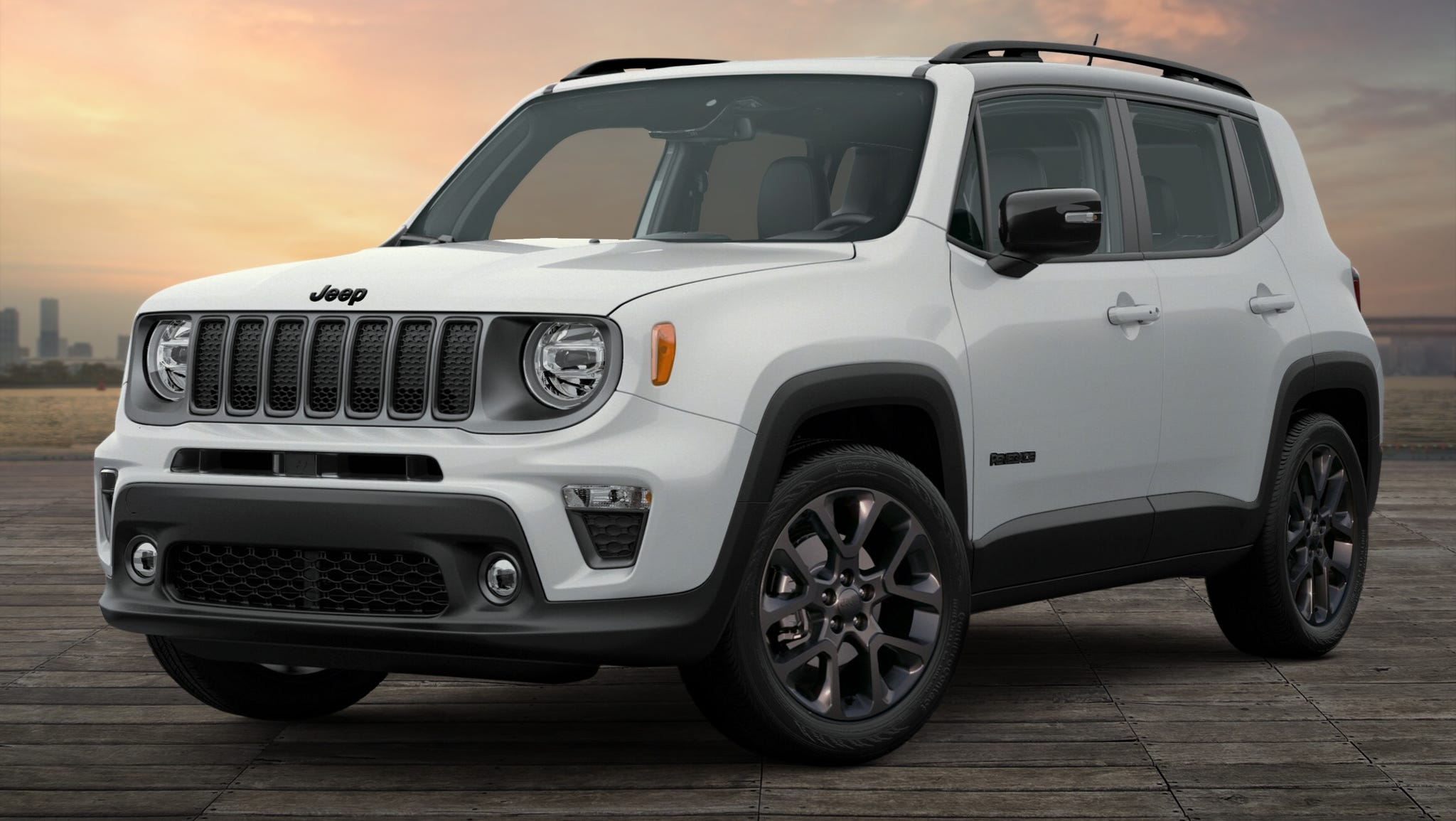
The Jeep Renegade is a popular small SUV that attracts many drivers with its rugged style and practical features. But one question often comes up: how much horsepower does a Jeep Renegade have?
If you’re considering buying this model or just want to know more about its engine performance, you’re in the right place. In this article, you’ll discover the different Renegade engines, their horsepower ratings, how they compare to other SUVs, and what these numbers mean for real-world driving.
Jeep Renegade Engine Options
The Jeep Renegade offers a mix of engines across its trim levels. Not every Renegade has the same power, so knowing which engine is under the hood is important.
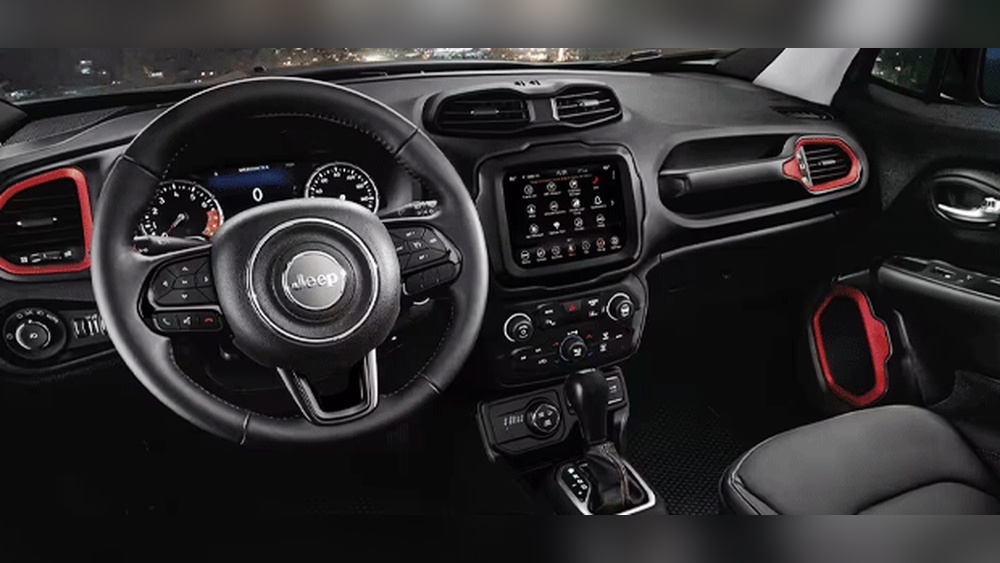
1.3l Turbocharged Inline-4
This engine is found in most newer Renegade models. It’s designed for a balance of power and fuel efficiency.
- Horsepower: 177 hp
- Torque: 210 lb-ft
The 1.3L turbo helps the Renegade feel lively in city driving and provides extra strength for highway merging.
2.4l Tigershark Inline-4
Older Renegades and some base trims still use this engine.
- Horsepower: 180 hp
- Torque: 175 lb-ft
The 2.4L Tigershark delivers slightly higher horsepower but less torque. It’s known for reliability, though it’s less responsive than the turbo.
Hybrid And European Engines
In other markets, the Renegade can come as a plug-in hybrid or with diesel engines, but in the US, the main choices are the 1. 3L turbo and 2. 4L Tigershark.
Horsepower Comparison Across Renegade Trims
Not every Renegade trim uses the same engine. Here’s how horsepower varies across the main US trims:
| Trim | Engine | Horsepower |
|---|---|---|
| Sport | 2.4L Tigershark | 180 hp |
| Latitude | 1.3L Turbo | 177 hp |
| Limited | 1.3L Turbo | 177 hp |
| Trailhawk | 1.3L Turbo | 177 hp |
Most trims now use the 1.3L turbo, except for some older base models.
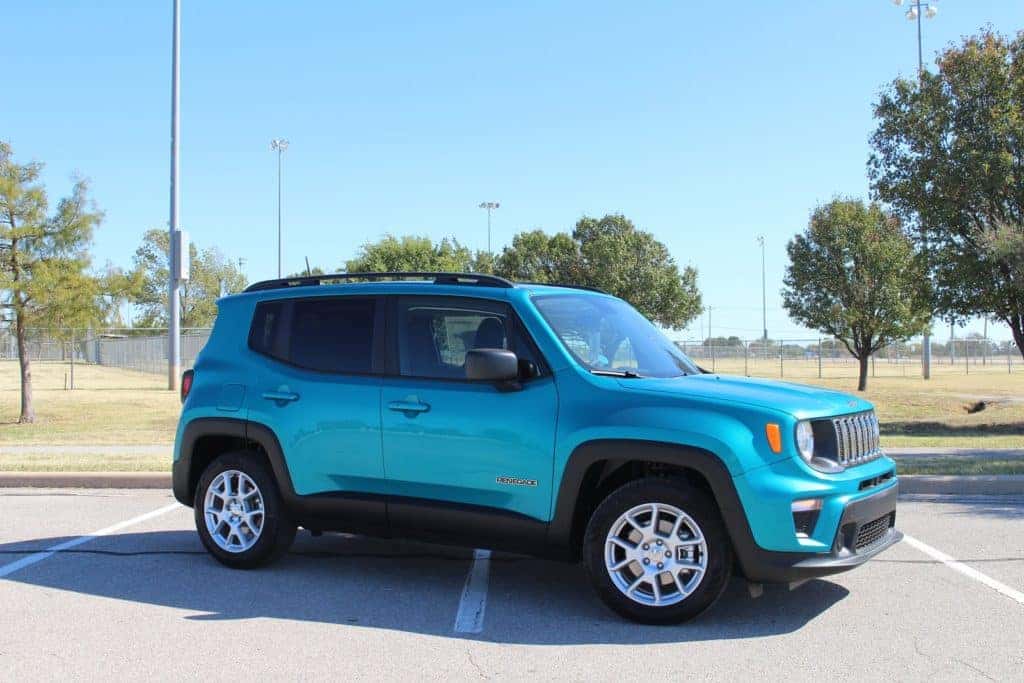
How Renegade Horsepower Compares To Other Small Suvs
To see how the Renegade stacks up, here’s a look at horsepower ratings for similar small SUVs:
| Model | Engine | Horsepower |
|---|---|---|
| Jeep Renegade | 1.3L Turbo | 177 hp |
| Honda HR-V | 2.0L Inline-4 | 158 hp |
| Chevrolet Trailblazer | 1.3L Turbo | 155 hp |
| Subaru Crosstrek | 2.5L Boxer-4 | 182 hp |
| Ford EcoSport | 2.0L Inline-4 | 166 hp |
The Renegade offers competitive horsepower, especially compared to other turbocharged models.
Real-world Performance: What Does Horsepower Mean?
Horsepower is a measure of how much power the engine can produce. In the Renegade, this affects:
- Acceleration: With 177–180 hp, the Renegade is quick enough for everyday driving.
- Highway Merging: The turbo engine helps with faster merging.
- Towing: While not built for heavy towing, the Renegade can pull small trailers (up to 2,000 lbs).
One insight most beginners miss: torque is just as important as horsepower, especially for off-road and low-speed driving. The Renegade’s turbo engine has strong torque, making it feel powerful when starting from a stop.
Also, the Renegade’s horsepower is tuned for fuel efficiency. You won’t get sports car speed, but you will get decent gas mileage. This balance is why many drivers choose the Renegade for city and light adventure.
Common Questions About Renegade Engines
Many buyers focus only on horsepower, but there are other key points:
- Transmission: All Renegade engines are paired with a 9-speed automatic transmission, which makes shifting smooth.
- Drivetrain: Most trims offer all-wheel drive (AWD), improving traction and performance.
- Fuel Type: Both main engines use regular gasoline, keeping running costs lower.
A mistake some buyers make is expecting the Renegade to drive like a sports car. It’s designed for practical power, not speed.
Tips For Choosing The Right Renegade Engine
If you’re shopping for a Renegade, consider these points:
- If you want better fuel economy and responsive driving, go for the 1.3L turbo.
- If you prefer simplicity and proven reliability, the 2.4L Tigershark is a solid choice (mainly found in older models).
- For off-road use, the Trailhawk trim with the turbo engine and AWD is best.
Another tip: test drive both engines if possible. The feel of each engine can be different, especially in city traffic.
How Horsepower Affects Everyday Use
Some people think more horsepower always means a better car. But in the Renegade, the horsepower is balanced for:
- Comfortable city driving
- Safe highway cruising
- Light off-road trails
If you drive mostly in the city, the turbo engine’s torque will be more noticeable than the small difference in horsepower.
Jeep Renegade Horsepower Over The Years
The Renegade was first released in 2015. Here’s how horsepower has changed:
| Year | Engine | Horsepower |
|---|---|---|
| 2015–2018 | 2.4L Tigershark | 180 hp |
| 2019–Present | 1.3L Turbo | 177 hp |
Horsepower has stayed close to 180 hp, but newer engines offer better torque and efficiency.
Frequently Asked Questions
How Much Horsepower Does The Jeep Renegade Trailhawk Have?
The Renegade Trailhawk uses the 1.3L turbo engine with 177 horsepower. It also has extra off-road features.
Is The Jeep Renegade Fast?
The Renegade is not a sports car, but with 177–180 hp, it’s quick enough for city and highway driving. It’s designed for comfort and utility, not speed.
Does The Renegade Have A V6 Engine?
No, all US Renegades use four-cylinder engines (either 1.3L turbo or 2.4L Tigershark). There is no V6 option.
What Is The Towing Capacity Of The Jeep Renegade?
The Renegade can tow up to 2,000 lbs when properly equipped. This is good for small trailers or boats.
Where Can I Find Official Renegade Specs?
For detailed specs, visit the Jeep official website.
The Jeep Renegade offers solid horsepower for its size, making it a smart choice for drivers who want a mix of power, efficiency, and versatility. Whether you’re driving in the city or heading for a weekend adventure, its engines are tuned to meet most everyday needs.
If you know which trim and engine fit your lifestyle, you’ll get the most from your Renegade.