If you’ve ever wondered how much power your Jeep Cherokee packs under the hood, you’re not alone. Knowing the horsepower of your Jeep Cherokee helps you understand its performance, towing ability, and overall driving experience.
Whether you’re planning off-road adventures or daily city drives, the right engine power can make all the difference. You’ll get clear, straightforward answers about the horsepower ratings across different Jeep Cherokee models. By the end, you’ll have a solid grasp of what to expect from your vehicle and how it compares to other SUVs in its class.
Ready to find out what your Jeep Cherokee can really do? Let’s dive in.

Jeep Cherokee Horsepower Overview
The Jeep Cherokee offers a range of horsepower options. These vary by model year and engine type. This flexibility helps drivers find the right power for their needs.
Horsepower affects the vehicle’s performance on and off the road. It determines acceleration, towing ability, and overall driving experience.
Engine Options And Horsepower Ratings
The Jeep Cherokee comes with several engine choices. Each engine delivers a different horsepower output. Common engines include a 2.4L four-cylinder and a 3.2L V6.
- The 2.4L four-cylinder engine produces about 180 horsepower.
- The 3.2L V6 engine offers around 271 horsepower.
These engines suit various driving styles, from city commuting to light off-roading.
Horsepower By Model Year
Horsepower numbers can change with each new model year. Jeep updates engines to improve efficiency and power. For example, earlier models had less horsepower than recent ones.
Newer Cherokees tend to have more horsepower and better fuel economy. This balance helps drivers enjoy strong performance without high fuel costs.
Impact Of Horsepower On Towing And Performance
Higher horsepower increases towing capacity and vehicle strength. The V6 engine allows the Cherokee to tow heavier loads. It also improves acceleration and handling on rough roads.
Drivers who need extra power for hauling or off-road use often choose the V6 engine. The four-cylinder engine fits well for everyday driving with lighter loads.

Engine Options By Model Year
The Jeep Cherokee has offered various engine options across its model years. Each engine delivers different horsepower levels. This variety helps drivers find the right power for their needs. Understanding these options can guide buyers and enthusiasts alike.
Horsepower depends on the engine type and the year of the model. Jeep has updated engines to improve performance and efficiency over time. Let’s explore the key engine options by model year to see how horsepower evolved.
2014 To 2018 Jeep Cherokee Engine Options
During these years, the Cherokee came with three main engines. The base 2.4-liter four-cylinder produced 184 horsepower. A more powerful 3.2-liter V6 engine offered 271 horsepower. A 2.0-liter turbocharged four-cylinder was also available, making 270 horsepower. These engines balanced fuel economy and performance well.
2019 To 2021 Jeep Cherokee Engine Options
In this period, Jeep updated the engines slightly. The 2.4-liter four-cylinder remained, producing 180 horsepower. The 3.2-liter V6 engine kept its 271 horsepower rating. The 2.0-liter turbocharged engine continued to deliver 270 horsepower. These options gave buyers a mix of power and efficiency.
2022 And Newer Jeep Cherokee Engine Options
The latest Cherokee models focus on performance and technology. The base 2.0-liter turbocharged four-cylinder now produces 270 horsepower. The 3.2-liter V6 engine maintains 271 horsepower, providing strong towing ability. Jeep also introduced mild hybrid versions to boost fuel economy. These engines offer solid power for daily driving and adventure.
Horsepower Across Different Trims
The Jeep Cherokee offers several trims, each with distinct horsepower ratings. These differences affect the vehicle’s performance and fuel efficiency. Understanding horsepower in each trim helps choose the right model for your needs.
Horsepower varies mainly due to engine types. Some trims have a four-cylinder engine, while others feature a V6 engine. The horsepower range reflects these options clearly.
Sport And Latitude Trims
Both Sport and Latitude trims come with a standard 2.4-liter four-cylinder engine. This engine produces about 180 horsepower. It balances power and fuel economy well for everyday driving.
These trims suit drivers who want decent power without high fuel costs. They offer smooth acceleration and reliable performance on city roads.
Altitude And Limited Trims
Altitude and Limited trims often feature a more powerful 3.2-liter V6 engine. This engine delivers around 271 horsepower. It provides stronger acceleration and better towing capacity.
These trims are ideal for drivers who need extra power for highway driving or carrying heavier loads. They offer a more robust driving experience.
Trailhawk Trim
The Trailhawk trim focuses on off-road capability and uses the 3.2-liter V6 engine. It also produces about 271 horsepower. This power helps tackle rough terrain with ease.
Trailhawk includes specialized features for off-road driving. The horsepower supports these features by providing strong and consistent power.
High Altitude Trim
The High Altitude trim typically uses the same 3.2-liter V6 engine as Limited and Trailhawk. It also delivers 271 horsepower. This trim combines luxury with solid engine performance.
It suits drivers who want both comfort and power. The horsepower ensures smooth rides in various driving conditions.
Comparing Jeep Cherokee To Other Suvs
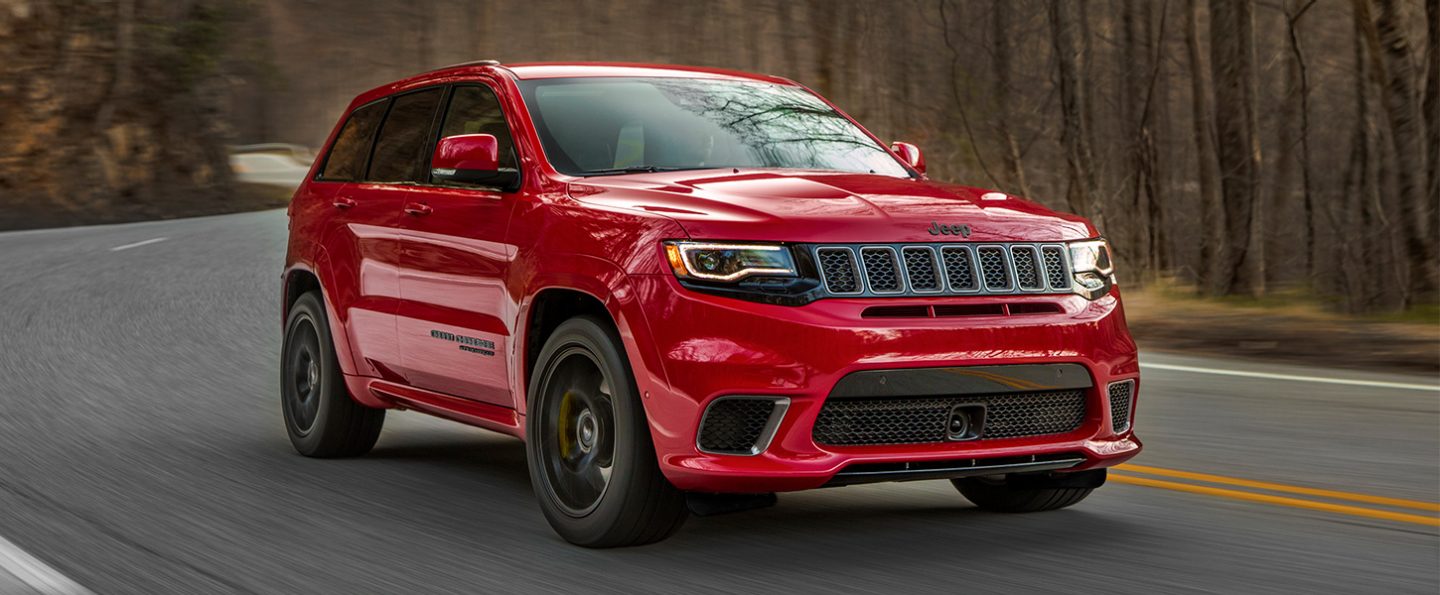
Comparing the Jeep Cherokee to other SUVs shows how it stands out in performance. Horsepower is a key factor many buyers consider. It affects speed, towing, and overall driving experience.
The Jeep Cherokee offers a range of engine options. These engines provide different horsepower levels to match various needs. Let’s see how it compares to some popular SUVs in the same class.
Comparing Horsepower: Jeep Cherokee Vs. Honda Cr-v
The Jeep Cherokee has engine options ranging from about 180 to 270 horsepower. The Honda CR-V usually offers around 190 horsepower with its turbocharged engine. Cherokee’s higher horsepower gives it an edge in power. This is useful for off-roading and towing heavier loads.
Jeep Cherokee Vs. Toyota Rav4: Power Differences
The Toyota RAV4 produces about 203 horsepower in its standard model. The Cherokee’s top engine delivers more horsepower, around 270. This makes the Cherokee feel stronger on highways and rough terrains. The RAV4 focuses more on fuel efficiency than raw power.
Comparing Jeep Cherokee To Ford Escape Horsepower
The Ford Escape offers engines with horsepower between 180 and 250. The Cherokee’s highest horsepower is slightly more powerful. This advantage helps in situations requiring extra muscle. Jeep’s capability for tougher jobs is clear in these numbers.
Towing Capacity And Power
The towing capacity and power of a Jeep Cherokee are key factors for many drivers. These features determine what the vehicle can haul safely and how well it performs under load.
The Jeep Cherokee offers a range of engine options. Each engine delivers different horsepower and torque levels. These differences affect towing ability and overall power.
Towing Capacity Of Jeep Cherokee
The Jeep Cherokee can tow up to 4,500 pounds. This capacity depends on the engine and trim level. Proper towing requires the right equipment and setup.
Most Cherokee models come with towing packages. These include stronger cooling systems and trailer sway control. They help keep the vehicle stable while towing.
Horsepower And Engine Options
The Cherokee offers engines ranging from 180 to 270 horsepower. The base 2.4-liter four-cylinder engine produces around 180 hp. The more powerful 3.2-liter V6 delivers 270 hp.
More horsepower means better acceleration and easier towing. The V6 engine is best for heavy loads and tougher driving conditions.
Power And Performance Balance
The Jeep Cherokee balances power and fuel efficiency. Smaller engines save fuel but offer less towing capacity. Larger engines provide more power but use more fuel.
This balance allows buyers to choose based on their needs. Whether for daily driving or hauling, there is a suitable option.
Fuel Efficiency And Engine Performance
The Jeep Cherokee balances fuel efficiency with solid engine performance. It offers several engine options. Each engine is designed to meet different driving needs. From daily commuting to off-road adventures, the Cherokee adapts well.
Understanding fuel efficiency helps drivers save money and reduce emissions. Engine performance affects how the vehicle handles and accelerates. The right combination of both is key for many buyers.
Fuel Efficiency Ratings Of Jeep Cherokee Engines
The Jeep Cherokee offers multiple engines with varying fuel economy. The base 2.4-liter four-cylinder engine delivers around 22 MPG city and 31 MPG highway. This engine suits those who prioritize saving fuel.
The available 3.2-liter V6 engine produces more power but uses more fuel. It averages about 20 MPG city and 29 MPG highway. This engine balances performance and reasonable fuel consumption.
Engine Performance And Horsepower Output
The 2.4-liter engine generates approximately 180 horsepower. It provides smooth acceleration for everyday driving. The 3.2-liter V6 increases power to about 271 horsepower. This engine offers stronger towing capacity and better speed.
Both engines use advanced technology to improve power delivery. The Cherokee also features an efficient nine-speed automatic transmission. It enhances driving comfort and helps optimize fuel use.
Impact Of Engine Choice On Driving Experience
Choosing the right engine affects how the Jeep Cherokee drives. The four-cylinder engine is lighter and more fuel-efficient. It is ideal for city driving and long highway trips.
The V6 engine delivers quicker response and better handling on rough terrain. It suits drivers who need extra power for hauling or off-roading. Each engine offers a unique blend of fuel efficiency and performance.
Common Repairs Affecting Power
Jeep Cherokee’s horsepower can drop due to several common repairs. Engine and electrical issues often cause power loss. These repairs can affect how well the vehicle accelerates and performs.
Understanding these repairs helps maintain your Jeep’s strength. Fixing them early can restore horsepower and improve driving experience.
Ignition System Problems
Worn spark plugs or faulty ignition coils can reduce engine power. The engine may misfire or run rough. This lowers the effective horsepower and causes poor fuel economy.
Fuel System Issues
A clogged fuel filter or failing fuel pump limits fuel delivery. The engine struggles to reach full power. Repairing these parts improves fuel flow and horsepower.
Air Intake And Exhaust Blockages
Dirty air filters or clogged exhaust systems restrict airflow. This reduces engine efficiency and power output. Replacing filters and clearing exhaust restores engine breathability.
Transmission Problems
Transmission slipping or delayed shifts can feel like lost power. The engine may rev without proper acceleration. Transmission repairs help deliver power smoothly to the wheels.
Sensor And Computer Malfunctions
Faulty sensors like the oxygen or throttle position sensor can mislead the engine control unit. This causes poor engine timing and lower horsepower. Sensor replacement fixes these issues quickly.
Upgrades To Boost Horsepower
Boosting the horsepower of your Jeep Cherokee can improve its performance and driving experience. Various upgrades help increase engine power and make your vehicle more responsive. These enhancements suit different budgets and skill levels. Choose the right upgrade based on your driving needs and Jeep model.
Cold Air Intake SystemsA cold air intake system increases airflow to the engine. Cooler air is denser and contains more oxygen. This helps the engine burn fuel more efficiently. Installing a cold air intake can add a few extra horsepower. It also improves throttle response and engine sound.
Performance Exhaust SystemsUpgrading to a performance exhaust reduces backpressure. Exhaust gases flow out faster, allowing the engine to breathe better. This upgrade can increase horsepower and torque. It also provides a deeper, sportier exhaust note. Some systems include high-flow catalytic converters for better performance.
Engine Tuning and ProgrammersEngine tuning adjusts the fuel and ignition settings. Programmers connect to the Jeep’s computer for custom tuning. This can optimize horsepower and fuel efficiency. Tuning can unlock hidden power in the stock engine. It is a popular upgrade for Jeep Cherokee owners.
Turbocharger and Supercharger KitsTurbochargers and superchargers force more air into the engine. This significantly boosts horsepower and torque. These kits require professional installation and tuning. They offer the biggest power gains for the Jeep Cherokee. Consider this upgrade for serious performance improvements.
Jeep Grand Cherokee Power Stats
The Jeep Grand Cherokee offers several engine options. Each engine delivers different horsepower levels. This variety allows drivers to choose power that fits their needs.
Horsepower affects acceleration and towing capacity. Understanding the power stats helps buyers make smart decisions.
Standard Engine Power
The base engine is a 3.6-liter V6. It produces 293 horsepower. This engine balances power and fuel efficiency well.
Available V8 Engine
A 5.7-liter V8 engine is also available. It delivers 360 horsepower. This engine suits drivers who want more strength and towing ability.
High-performance Engine
The Grand Cherokee SRT has a 6.4-liter V8. It offers 475 horsepower. This model is for those who want fast acceleration and sporty driving.
Ecodiesel Engine Option
The EcoDiesel V6 engine produces 260 horsepower. It focuses on fuel efficiency and torque. This option is good for long trips and heavy loads.
Frequently Asked Questions
What Suv Has The Most Awards?
The Jeep Grand Cherokee holds the record for the most awards among SUVs. It excels in performance, safety, and design.
What Are The Common Cherokee Repairs?
Common Cherokee repairs include transmission software updates, sensor replacements, brake services, and infotainment system repairs. These fixes address frequent issues and maintain vehicle performance.
How Much Horsepower Does A Jeep Grand Cherokee 3.6 V6 Have?
The Jeep Grand Cherokee 3. 6 V6 engine produces 293 horsepower. This power supports strong performance and smooth driving.
Which Jeep Model Lasts The Longest?
The Jeep Grand Cherokee is known for its longevity, often lasting over 200,000 miles with proper maintenance.
Conclusion
The Jeep Cherokee offers different horsepower levels based on its engine type. Most models range between 180 and 270 horsepower. This variety helps drivers choose what fits their needs best. Whether for city driving or off-road adventures, there is an option available.
Knowing the horsepower helps you understand the vehicle’s power and performance. This makes it easier to decide if the Jeep Cherokee suits your lifestyle.