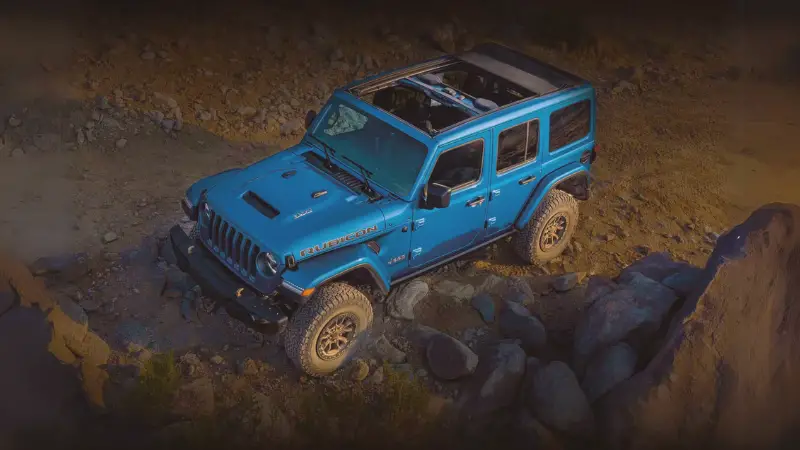
The Jeep Gladiator is a unique vehicle in the world of trucks and SUVs. It combines the ruggedness of a Jeep with the versatility of a pickup. Many people want to know its weight for reasons like towing, fuel efficiency, and overall handling. Understanding the Gladiator’s weight helps you make better choices, whether you are buying, using, or comparing this model with others. The right weight information can also protect you from making costly mistakes, especially if you plan to use the Gladiator for heavy-duty work or off-road adventures.
Jeep Gladiator Weight: The Basics
The weight of the Jeep Gladiator depends on the model and trim. Manufacturers list two main types of weight:
- Curb weight: The weight of the vehicle with all standard equipment, fluids, and a full fuel tank, but no passengers or cargo.
- Gross Vehicle Weight Rating (GVWR): The maximum allowed weight, including the vehicle, passengers, cargo, and any accessories.
The curb weight for a standard Gladiator starts at around 4,650 pounds and can go up to 4,900 pounds depending on the trim and options. The GVWR is about 6,250 pounds for most trims. This means the Gladiator is built to handle a fair amount of extra weight—useful if you often carry tools, sports gear, or travel supplies.
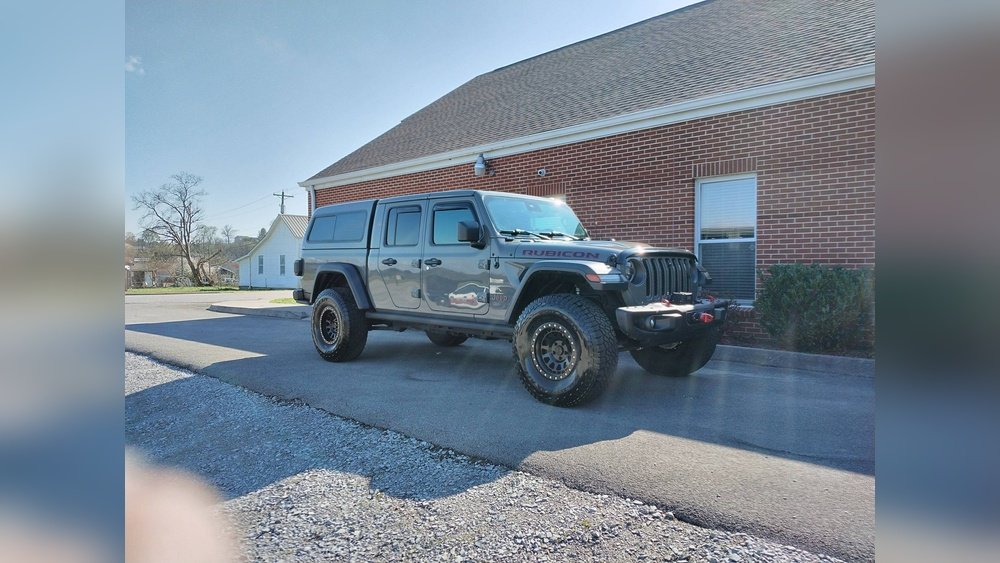
Here’s a quick comparison of curb weights for popular Gladiator trims:
| Trim | Curb Weight (lbs) |
|---|---|
| Sport | 4,650 |
| Overland | 4,780 |
| Rubicon | 4,900 |
| Mojave | 4,890 |
It’s important to remember that the numbers above are for the base trims, without extra equipment. Many buyers add options, which can increase the weight beyond these figures.
Factors Affecting Jeep Gladiator Weight
Several things can change the weight of a Jeep Gladiator:
- Trim Level: Higher trims like Rubicon or Mojave have extra features. These include larger tires, heavy-duty bumpers, and skid plates, which add weight. For example, the Rubicon’s rock rails and off-road suspension can make it noticeably heavier than the base Sport.
- Engine Choice: The Gladiator offers a standard 3.6L V6 engine and sometimes a diesel option. Diesel models are usually heavier because the engine itself weighs more. This is due to extra components for emissions and the stronger build needed for diesel engines.
- Accessories and Upgrades: Adding extras such as winches, tow packages, hard tops, or steel doors increases the total weight. Even small accessories, like roof racks or side steps, can add up over time.
- Fuel and Fluids: A full tank and other fluids can add about 150 pounds. This is a detail many drivers miss when calculating total weight.
A common mistake is to compare Gladiator weights without considering these options. For example, comparing a stripped-down Sport to a fully loaded Rubicon doesn’t give a fair picture. Always check the exact trim and features before making decisions. If you’re buying used, ask for a list of installed accessories, as this can change weight and performance.

Why Weight Matters For Jeep Gladiator Owners
Knowing the weight is important for several reasons:
- Towing Capacity: The Gladiator’s towing ability depends on its own weight and the trailer’s weight. More weight in the vehicle means less capacity for towing. Overloading can also stress your engine and brakes.
- Fuel Economy: Heavier vehicles usually use more fuel. The Gladiator’s EPA ratings are around 17 mpg city and 22 mpg highway, but added weight can reduce these numbers. For example, carrying camping gear or extra passengers may lower your fuel efficiency on long trips.
- Handling and Performance: Weight affects how the Gladiator handles off-road and on highways. More weight can mean better stability but slower acceleration. Heavier trims, like the Rubicon, are great for rough terrain but may feel less agile in city traffic.
Here is a comparison of weight and towing capacity:
| Trim | Curb Weight (lbs) | Max Towing (lbs) |
|---|---|---|
| Sport | 4,650 | 7,650 |
| Rubicon | 4,900 | 7,000 |
| Mojave | 4,890 | 6,000 |
Notice how the heavier Rubicon and Mojave have slightly lower towing limits. This is because the added features and protection raise the base weight, leaving less room for towing within the safe limits.
Also, heavier vehicles typically need longer stopping distances, so keep this in mind if you add lots of gear.
Comparing Jeep Gladiator Weight To Other Trucks
If you are considering the Gladiator, it’s helpful to compare it with similar midsize trucks. Here’s how it stacks up:
| Truck Model | Curb Weight (lbs) |
|---|---|
| Jeep Gladiator | 4,650 – 4,900 |
| Toyota Tacoma | 3,980 – 4,480 |
| Ford Ranger | 4,145 – 4,441 |
| Chevrolet Colorado | 4,100 – 4,550 |
The Gladiator is one of the heavier trucks in its class. This extra weight comes from its strong frame and off-road features. For example, the Gladiator’s solid axles and longer wheelbase add strength and durability, but also increase weight. Most competitors use lighter components to boost speed and fuel economy, while the Gladiator focuses more on toughness and off-road ability.
If you plan to do a lot of city driving or are concerned about gas mileage, a lighter truck like the Tacoma or Ranger might be more efficient. But if you value off-road performance or need a truck that can handle tough conditions, the Gladiator’s weight is an advantage.
Real-world Examples And Insights
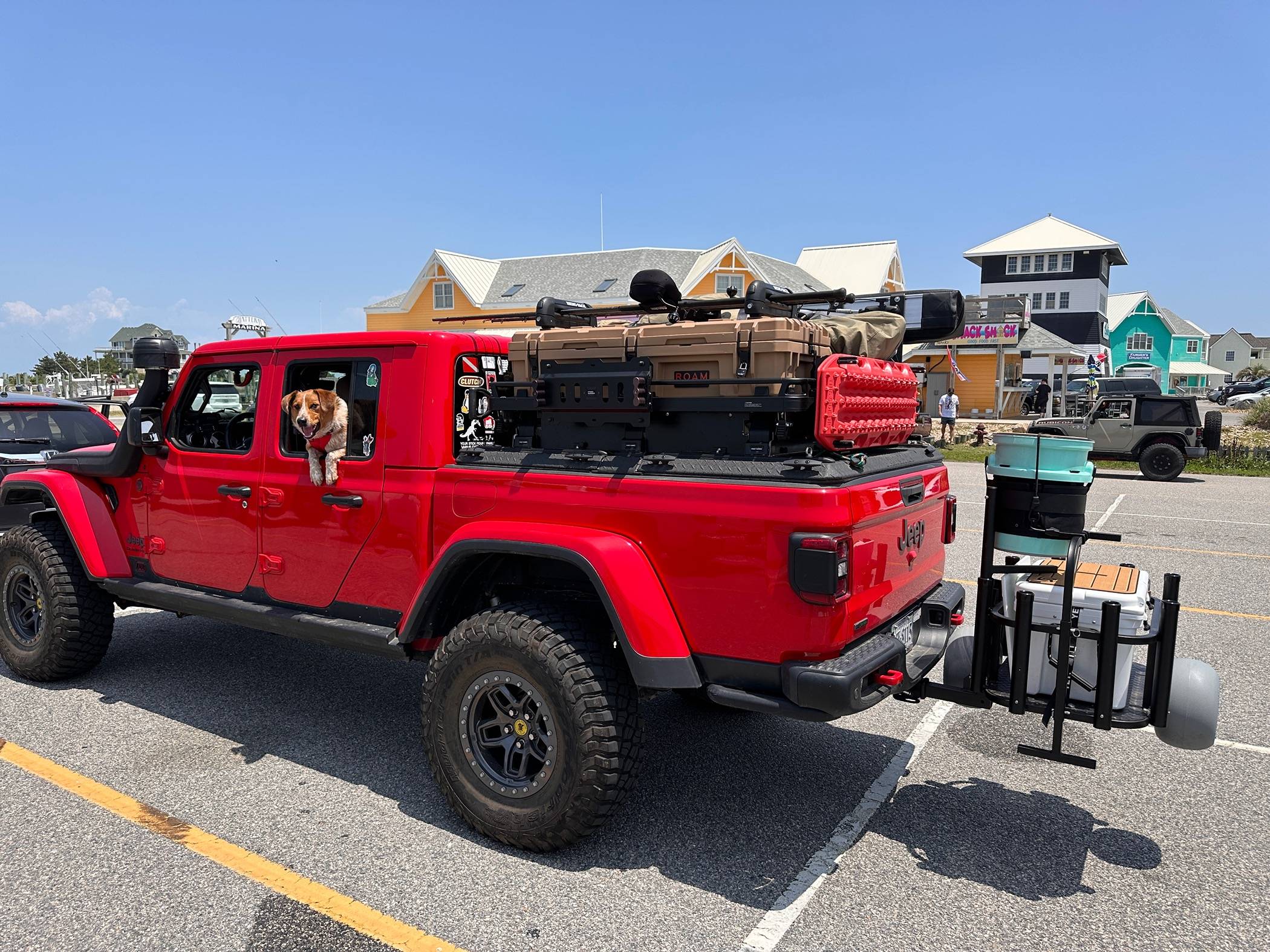
Many owners use the Gladiator for camping, off-roading, and towing. If you add equipment like roof racks, bed liners, or extra gear, the weight can easily go over 5,000 pounds. This affects how much you can safely carry and tow. For example, a family of four on a road trip with camping gear can add 500 pounds or more—close to the Gladiator’s payload limit.
Some beginners overlook the effect of aftermarket accessories. For example, adding a steel bumper and winch can add 200-250 pounds. If you often carry heavy loads, always check your total weight to avoid safety issues. Using a scale at a truck stop can help you measure your true weight with all gear and passengers.
Another insight: The Gladiator’s weight helps it handle rough terrain, but it also means you need to pay attention to tire pressure and suspension. Overloading can cause faster wear. Regularly checking tire pressure is important, especially after adding weight, since underinflated tires can lead to poor fuel economy and even blowouts.
A detail most new owners miss is that weight distribution matters, not just total weight. Placing heavy items over the rear axle helps stability and prevents the front from becoming too light.
Frequently Asked Questions
How Much Does A Jeep Gladiator Weigh With Passengers And Cargo?
The total weight depends on the number of passengers and how much cargo you add. The GVWR is about 6,250 pounds, so you subtract the curb weight (around 4,650-4,900 pounds) and fill the rest with people and gear. For example, with four adults (about 150 pounds each) and luggage, you might reach 5,500 pounds easily.
Does The Hard Top Or Soft Top Affect Gladiator Weight?
Yes, a hard top adds more weight compared to a soft top. The difference is usually around 100 pounds. If you plan to remove or swap tops often, keep this change in mind when calculating your total load.
Is The Gladiator Heavier Than The Wrangler?
The Gladiator is heavier. The Wrangler weighs about 4,200-4,500 pounds, while the Gladiator starts at 4,650 pounds because of its longer frame and pickup bed. The longer wheelbase and truck bed are the main reasons for the extra weight.
How Does Weight Affect Gladiator’s Off-road Ability?
More weight can help the Gladiator stay stable off-road, but too much extra weight can slow you down and make climbing steep hills harder. It’s best to balance extra gear with safety. For rock crawling or deep sand, lighter is often better for agility, while a bit more weight can help with traction on loose surfaces.
Where Can I Find Official Weight Specs For The Gladiator?
Official specs are available from Jeep’s website and trusted sources like Edmunds. Always check the year and trim for the most accurate numbers.
The weight of the Jeep Gladiator is important for many reasons, from performance to safety. Knowing the numbers helps you use the vehicle wisely and avoid problems with towing or fuel use. Whether you are buying new or adding accessories, always check the weight and stay within safe limits.
The Gladiator remains a popular choice because of its mix of strength, style, and off-road ability. Owners who understand and manage their vehicle’s weight get the best results, longest life, and safest driving experience.