Buying a used Jeep is an exciting journey for many drivers. Jeeps are famous for their rugged design, off-road ability, and strong resale value. Whether you want a vehicle for adventure or city driving, a used Jeep can be a smart choice.
But how much does a used Jeep actually cost? The answer depends on many factors, from the model and year to mileage and condition. Let’s explore what affects used Jeep prices, what you can expect to pay, and how to make a smart purchase.
What Factors Affect Used Jeep Prices?
The price of a used Jeep is not fixed. Several things can change the cost quickly, even for similar models.
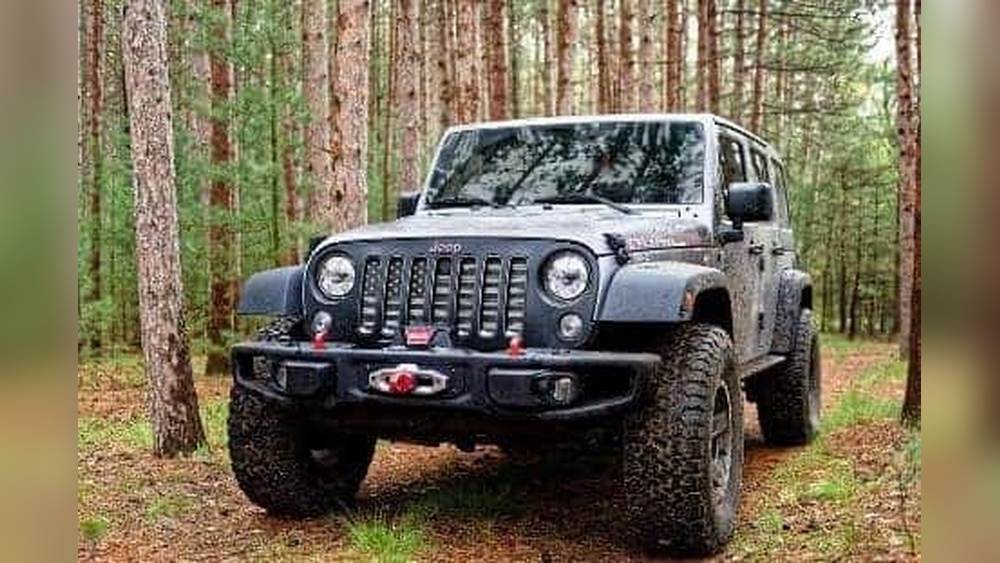
- Model and Trim: Some Jeeps are basic, while others have luxury features. For example, a Jeep Wrangler Rubicon costs more than a Jeep Wrangler Sport.
- Year: Newer Jeeps usually cost more. Older Jeeps often sell for less unless they are rare or well-kept.
- Mileage: Jeeps with lower miles are more valuable. High-mileage vehicles can be cheaper but may need more repairs.
- Condition: Clean, accident-free Jeeps usually have higher prices. Damage or heavy wear lowers the cost.
- Location: Prices change by region. In some states, Jeeps are more popular and cost more.
- Features: Extra options like 4WD, navigation, or leather seats add to the price.
- Market Demand: When demand is high, prices rise. For example, used Jeep prices often go up in summer.
Average Prices For Popular Used Jeep Models
To give a clear idea, here are the typical price ranges for popular used Jeeps in the US. These numbers are for 2017–2022 models with average mileage (40,000–80,000 miles).
| Model | 2017 | 2019 | 2022 |
|---|---|---|---|
| Jeep Wrangler | $23,000–$32,000 | $28,000–$38,000 | $33,000–$45,000 |
| Jeep Grand Cherokee | $18,000–$28,000 | $24,000–$34,000 | $32,000–$45,000 |
| Jeep Cherokee | $14,000–$21,000 | $17,000–$25,000 | $22,000–$29,000 |
| Jeep Compass | $13,000–$18,000 | $15,000–$22,000 | $21,000–$28,000 |
| Jeep Renegade | $12,000–$17,000 | $14,000–$20,000 | $19,000–$26,000 |
These ranges show how price goes up with newer models. Special trims or extra features can push prices higher.
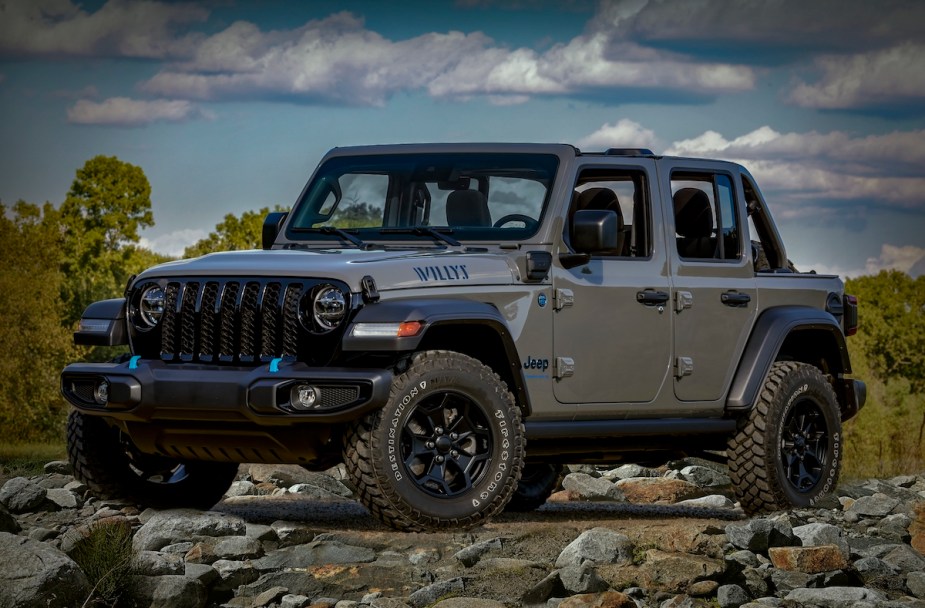
Jeep Price Comparison: Dealer Vs Private Seller
Where you buy matters. Dealers and private sellers often have different price points.
| Seller Type | Typical Price | Advantages | Disadvantages |
|---|---|---|---|
| Dealer | 10–20% higher | Warranty, Inspection, Financing | Higher price, Fees |
| Private Seller | Lower | No fees, Lower price | No warranty, Riskier |
Buying from a dealer costs more, but you often get warranty or certified pre-owned benefits. Private sellers can offer cheaper deals, but there’s more risk.
Many buyers focus only on the sale price. But there are other costs to remember.
- Tax and Registration: These can add hundreds or thousands to your final cost.
- Insurance: Jeeps can cost more to insure, especially for younger drivers.
- Maintenance: Older Jeeps may need repairs. Check the service history.
- Aftermarket Upgrades: Some Jeeps have lifts, bigger tires, or winches. These upgrades can affect value—sometimes they raise it, sometimes not.
- Missing a Pre-Purchase Inspection: Not checking the Jeep before buying is a common mistake. Always get a mechanic’s opinion.
Non-obvious insight: Many people forget about rust issues, especially in older Jeeps. Jeeps often go off-road and rust can be hidden. Always check the underside and body.
Another thing beginners miss is the cost of parts. Jeep parts are easy to find, but some, like Wrangler soft tops or special wheels, can be expensive.
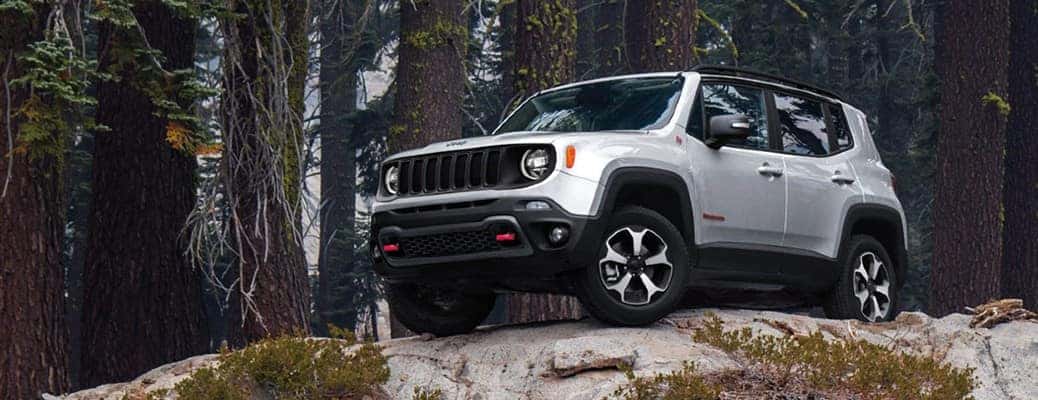
Tips To Get The Best Deal
You can save money and avoid problems by following a few smart steps.
- Research: Know the market value for your model and year.
- Check Vehicle History: Use services like Carfax to see accident records.
- Test Drive: Always drive before you buy. Listen for odd noises.
- Negotiate: Dealers expect to negotiate. Private sellers usually have some room, too.
- Inspect for Off-Road Damage: Jeeps are used for adventures. Look for dents, scratches, or bent parts.
Extra tip: Try shopping at the end of the month. Dealers may lower prices to meet sales targets.
Used Jeep Price Trends In 2024
Prices for used Jeeps have changed a lot in recent years. Covid-19 affected new car production, so used Jeep prices went up. In 2024, prices are starting to stabilize, but demand remains strong.
- Jeep Wranglers stay popular and keep their value.
- Grand Cherokees are in demand for families.
- Older models are selling faster as buyers look for cheaper options.
For more up-to-date price data, see the official Kelley Blue Book.
Frequently Asked Questions
How Much Does A Used Jeep Wrangler Cost?
A used Jeep Wrangler from 2017–2022 costs between $23,000–$45,000. The price depends on trim, mileage, and features.
Are Jeeps Expensive To Maintain?
Jeeps are average for maintenance, but older models or those used off-road may need repairs. Parts are easy to find but can be pricey for special trims.
What Is The Cheapest Used Jeep Model?
The Jeep Renegade and Jeep Compass are usually the cheapest, often selling for $12,000–$22,000 for models from 2017–2019.
Should I Buy From A Dealer Or A Private Seller?
Dealers offer more protection and warranties, but cost more. Private sellers have lower prices but more risk. Always check the Jeep carefully before buying.
How Can I Check If A Used Jeep Was Used Off-road?
Look for signs like scratches under the body, mud in hard-to-clean areas, or worn suspension parts. Ask the owner directly about off-road use and check service records.
Buying a used Jeep can give you years of adventure and reliable driving, if you choose carefully. By understanding the price factors, checking for hidden costs, and following smart buying tips, you can get a great deal. The market is strong, so take your time, do your research, and enjoy your next Jeep journey.