How Much Does A 1993 Jeep Wrangler Weigh
When people talk about classic off-road vehicles, the 1993 Jeep Wrangler often comes up. Its boxy shape, open-air driving, and rugged build are unforgettable. But if you’re thinking about repairs, modifications, towing, or just want to know more about your vehicle, one simple question matters: How much does a 1993 Jeep Wrangler weigh? Let’s break down the numbers and see why weight is more important than many owners realize.
Curb Weight: The Basics
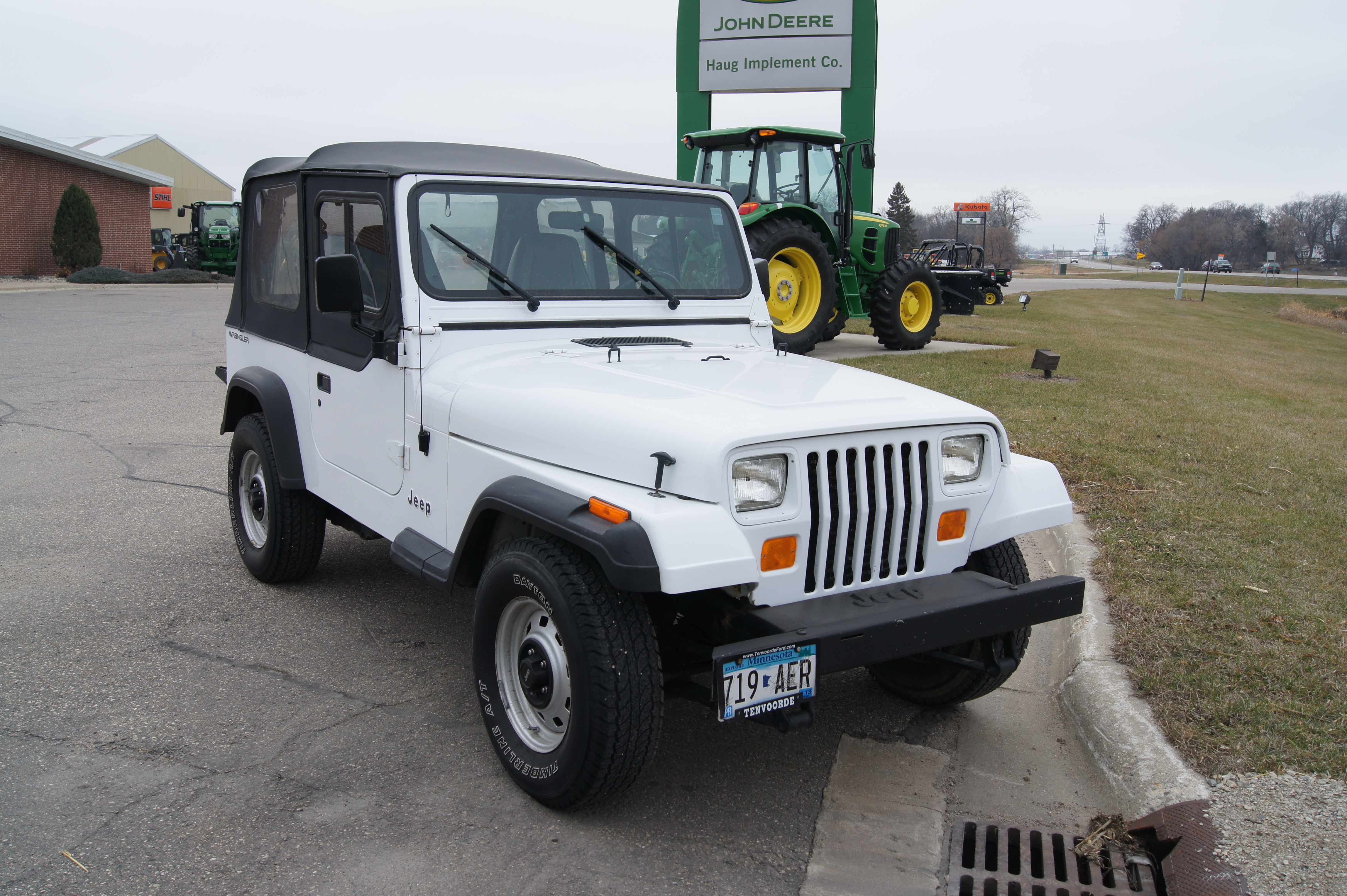
The curb weight of a vehicle is how much it weighs with all standard equipment, full fluids (including fuel), but no passengers or cargo. For the 1993 Jeep Wrangler YJ, most models have a curb weight between 2,855 and 3,241 pounds.
This range exists because the 1993 Wrangler came in different trims and with different engines:
- 2.5L 4-cylinder models are lighter, typically near the lower end of the range.
- 4.0L 6-cylinder models are heavier and closer to the upper end.
Here’s a look at the main versions:
| Model | Engine | Curb Weight (lbs) |
|---|---|---|
| Wrangler S | 2.5L I4 | 2,855 |
| Wrangler Sahara | 4.0L I6 | 3,094 |
| Wrangler Islander | 4.0L I6 | 3,241 |
Even small changes, like hardtop vs. soft-top or manual vs. automatic transmission, can add or subtract a few pounds.
Why Weight Matters
You might wonder why knowing your Jeep’s weight is important. Here are some practical reasons:
- Towing and Hauling: You need to know your Wrangler’s weight before attaching a trailer. Overloading can damage the engine or brakes.
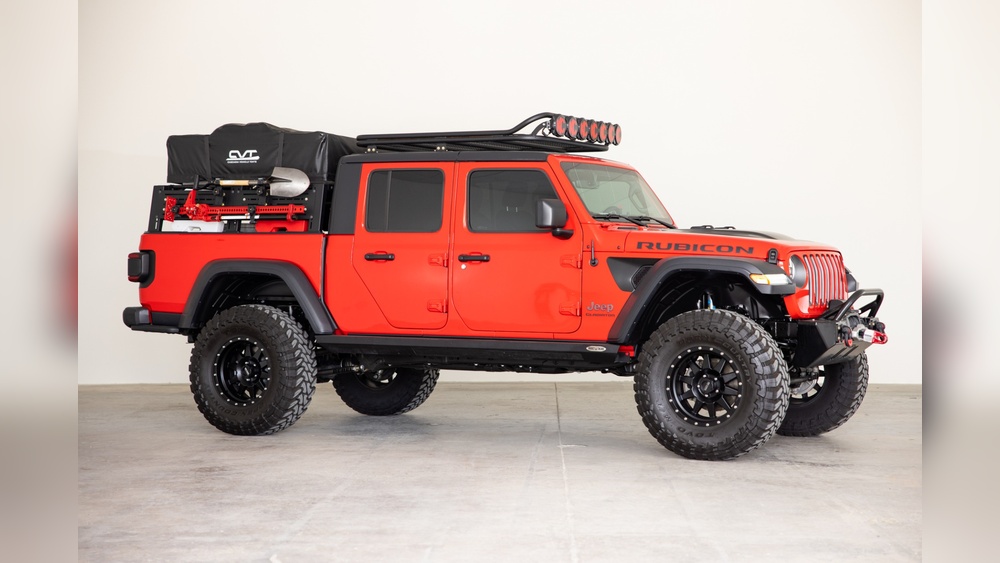
- Modifications: Adding bigger tires, winches, or armor will increase weight. This affects ride quality and fuel economy.
- Safety: Weight impacts how the Jeep handles, especially when stopping or turning.
A non-obvious point: lighter models often have better off-road agility, but heavier ones may feel more stable on highways.

Gross Vehicle Weight Rating (gvwr)
The GVWR is the maximum weight your Jeep can safely carry (vehicle + passengers + cargo). For the 1993 Wrangler, this is around 4,150 pounds. Exceeding this limit is not just unsafe—it can also void insurance or warranty coverage.
To find out how much you can carry:
- Subtract the curb weight from the GVWR.
- For example: 4,150 lbs (GVWR) – 2,855 lbs (curb) = 1,295 lbs for passengers and cargo.
How Does The 1993 Wrangler Compare?
If you’re curious how the 1993 Wrangler stacks up against similar vehicles, here’s a quick comparison:
| Vehicle | Year | Curb Weight (lbs) |
|---|---|---|
| Jeep Wrangler YJ | 1993 | 2,855–3,241 |
| Ford Bronco II | 1990 | 3,270 |
| Toyota 4Runner | 1993 | 3,500–3,700 |
| Suzuki Samurai | 1993 | 2,094 |
The Wrangler is in the middle—lighter than some, heavier than others.

Factors That Affect Weight
No two used Wranglers are exactly the same. Here are a few reasons why your 1993 Jeep might be lighter or heavier than factory numbers:
- Hardtop vs. soft-top: Hardtops usually add 80–100 lbs.
- Air conditioning and power steering: These options add weight.
- Aftermarket parts: Bumpers, winches, and skid plates all add up.
- Wheel and tire upgrades: Larger wheels/tires can add 50 lbs or more.
It’s smart to weigh your Wrangler at a truck scale if you’ve made several modifications. Many owners are surprised by the difference.
How To Find Your Jeep’s Exact Weight
You can check the driver’s side door jamb for a sticker listing the GVWR and sometimes the curb weight. But for the most accurate number, use a local vehicle scale. Many truck stops, moving companies, or scrap yards offer this service for a small fee.
Here’s a quick way to weigh your Jeep:
- Drive onto the scale with a full tank and all standard gear.
- Record the weight.
- Subtract your own weight if you’re sitting in the Jeep.
This is especially useful if you plan to tow, travel long distances, or enter off-road events.
Useful Tips For Owners
- Keep track of every major modification. This helps with insurance and resale value.
- Lighter Wranglers can get slightly better fuel economy.
- If you add heavy parts, consider upgrading suspension and brakes.
One insight many new owners miss: the factory weight ratings assume a stock vehicle. Heavily modified Wranglers may need custom solutions to maintain safe handling.
Frequently Asked Questions
How Much Does A 1993 Jeep Wrangler Weigh With A Hardtop?
A factory 1993 Wrangler with a hardtop usually weighs about 80 to 100 pounds more than a soft-top version. Most hardtop models are in the 2,950–3,250 pound range.
What Is The Payload Capacity Of A 1993 Jeep Wrangler?
The typical payload capacity (passengers and cargo) is around 900–1,300 pounds. Always check your specific Jeep’s door sticker or manual for the exact number.
Does The Weight Affect Fuel Economy?
Yes, a heavier Wrangler uses more fuel. Adding accessories like steel bumpers or large tires can reduce miles per gallon by 1–2 MPG.
Is The 1993 Wrangler Heavier Than Today’s Models?
No. Modern Wranglers (like the 2024 JL) are much heavier, often over 4,000 pounds curb weight, due to bigger engines, more features, and safety equipment. The 1993 Wrangler is considered light by today’s standards.
Where Can I Find Official Jeep Weight Specifications?
You can find reliable specifications on Wikipedia’s Jeep Wrangler (YJ) page and in your original owner’s manual.
The weight of your 1993 Jeep Wrangler is more than just a number—it affects safety, performance, and your adventures. Knowing the exact weight helps you get the most out of your classic ride while keeping it safe and legal. Whether you’re restoring, modifying, or just curious, understanding your Wrangler’s weight is a smart move for any owner.