How Many Miles Will Jeep Wrangler Last? Real Lifespan, Data & Tips
If you’re thinking about buying a Jeep Wrangler, you probably want to know: how many miles will Jeep Wrangler last? The answer is important for your money, safety, and peace of mind.
The good news is, with proper care, a Jeep Wrangler can go much farther than most people expect. In this guide, you’ll learn real-world numbers, what helps a Wrangler last longer, what to watch out for, and how to get the most life from your Jeep.
Average Lifespan Of A Jeep Wrangler
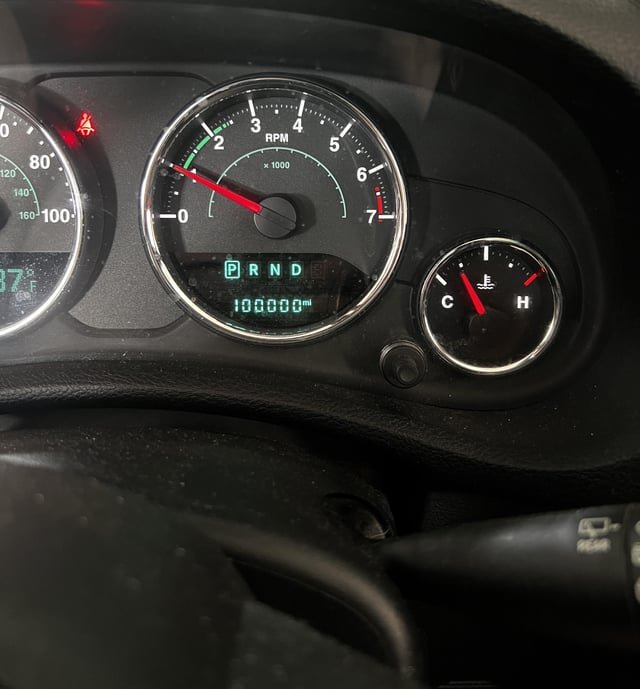
Most Jeep Wranglers can last 200,000 miles or more. Many owners report reaching 250,000 or even 300,000 miles with their original engine and transmission. These numbers are higher than many other SUVs in the same price range.
Here’s a quick look at average lifespans for different Jeep Wrangler generations:
| Wrangler Generation | Years | Average Lifespan (Miles) |
|---|---|---|
| YJ | 1987 to 1995 | 180,000 to 220,000 |
| TJ | 1997 to 2006 | 200,000 to 250,000 |
| JK | 2007 to 2018 | 200,000 to 300,000 |
| JL | 2018, Present | 200,000 to 300,000 |
These numbers show that Jeep Wranglers are made to last a long time, especially if you follow good maintenance habits. Some Wranglers even go beyond 300,000 miles with extra care.
Key Factors That Affect Wrangler Longevity
The real lifespan of your Wrangler depends on several things. Here are the most important factors:
1. Maintenance
Regular oil changes, tire rotations, and brake checks keep your Wrangler running smoothly. Skipping maintenance is the fastest way to shorten its life.
2. Driving Habits
Gentle driving, avoiding hard stops and starts, and not overloading your vehicle help parts last longer.
3. Off-road Use
Jeep Wranglers are built for off-road, but rough trails, mud, and water crossings wear out parts faster. Regular cleaning and inspection after off-roading help avoid damage.
4. Climate
Cold winters and salty roads can cause rust, especially on the undercarriage. Hot climates can stress the engine and cooling system.
Protecting your Jeep from extreme weather extends its life.
5. Quality Of Parts
Using high-quality or OEM (Original Equipment Manufacturer) parts for repairs and replacements keeps your Wrangler reliable. Cheap parts can cause problems.
6. Accident History
A Wrangler that’s been in a serious accident may not last as long, especially if repairs were not done correctly.
7. Model Year
Newer Wranglers often last longer due to improvements in technology and build quality. Older models may need more repairs as they age.
Common Problems That Impact Jeep Wrangler Mileage
No vehicle is perfect. issues that can limit how many miles your Wrangler will last:
- Rust and corrosion, especially on the frame and underbody
- Electrical problems (like faulty sensors or wiring)
- Cooling system leaks
- Transmission issues (mostly in older models)
- Suspension wear due to off-roading
Catching these problems early can save money and add years to your Jeep’s life.
How Jeep Wrangler Compares To Other Suvs
Is the Wrangler really more durable than other SUVs? Let’s compare average lifespans.
| Model | Average Lifespan (Miles) | Notes |
|---|---|---|
| Jeep Wrangler | 200,000 to 300,000 | Heavy-duty build, off-road capable |
| Toyota 4Runner | 250,000 to 300,000 | Known for reliability |
| Ford Bronco | 150,000 to 200,000 | Newer models still being tested |
| Jeep Grand Cherokee | 200,000 to 250,000 | Less off-road focused |
| Honda CR-V | 200,000 to 250,000 | Mainly city/highway use |
The Jeep Wrangler holds up well against other SUVs, especially for off-road use. Only a few models, like the Toyota 4Runner, are known to last as long.
Real-world Owner Experiences
Many Jeep Wrangler owners share their high-mileage stories online. You'll find people with Wranglers at 200,000, 250,000, and even 300,000+ miles, still running strong.
Some drivers even pass their Jeeps down to family members.
For example, a 2003 Wrangler TJ owner reported reaching 292,000 miles with only routine maintenance and minor repairs. Another driver shared that his 2010 Wrangler JK reached 325,000 miles, mostly with highway driving and regular service.
These stories are not rare. They show that good care and gentle driving can make a big difference.
Tips To Make Your Jeep Wrangler Last Longer
Want your Wrangler to hit 300,000 miles? practical ways to help it last:
- Change oil regularly (every 5,000 to 7,500 miles, or as recommended)
- Wash the undercarriage after driving on salty or muddy roads
- Check fluids often (coolant, transmission, brake, and power steering)
- Inspect for rust and treat early signs before they spread
- Rotate tires every 6,000 to 8,000 miles for even wear
- Use quality parts and avoid cheap replacements
- Keep up with scheduled maintenance in your owner’s manual
- Avoid overloading, follow weight limits for towing and cargo
- Listen for strange noises and fix issues quickly
- Store your Jeep in a garage or use a cover if possible
These steps may seem simple, but they add up to thousands of extra miles.
Maintenance Costs: What To Expect
A Jeep Wrangler is not the cheapest vehicle to maintain, but it’s also not the most expensive. On average, yearly maintenance ranges from $650 to $850. This includes oil changes, brakes, tire rotations, and basic repairs.
Major repairs like a new transmission or engine can cost $2,500, $5,000. However, these are rare before 200,000 miles if you take care of your Jeep.
Here’s a breakdown of average costs:
| Maintenance Item | Estimated Cost (USD) | Recommended Frequency |
|---|---|---|
| Oil Change | $60, $100 | Every 5,000 to 7,500 miles |
| Brake Pads | $200, $400 | Every 30,000 to 70,000 miles |
| Tire Rotation | $40, $60 | Every 6,000 to 8,000 miles |
| Transmission Service | $150, $300 | Every 60,000 to 100,000 miles |
| Coolant Flush | $100, $150 | Every 30,000 to 50,000 miles |
Some owners save money by doing simple maintenance themselves, like oil changes or brake pad replacements.
Pros And Cons Of High-mileage Jeep Wranglers
Before you buy a used Wrangler or keep yours for the long haul, it’s good to know the upsides and downsides.
Pros
- Built for tough use: Strong frame and suspension for off-road and rough roads.
- Simple mechanical parts: Easier to repair than many modern SUVs.
- Strong community support: Lots of forums, guides, and parts available.
- High resale value: Even high-mileage Wranglers keep value if well maintained.
Cons
- Fuel economy: Wranglers use more gas than most small SUVs.
- Noisy ride: Especially at highway speeds, compared to newer crossovers.
- More frequent repairs: Off-road driving can wear out parts faster.
- Rust: Older Wranglers often develop rust in wet or salty climates.
- Comfort: Ride quality is rougher than most modern SUVs.
Non-obvious Insights For Wrangler Owners
Many new owners focus only on mileage, but two things often get missed:
- Preventative care matters more than repairs. Fixing small problems early (like a tiny oil leak or a loose belt) keeps big repairs away. Many high-mileage Wranglers were saved by owners who paid attention to small changes in sound or performance.
- Rust protection is important, especially in wet or snowy areas. Even a strong engine won’t help if the frame rusts out. Using rustproofing sprays or getting annual undercoating can add years to your Jeep’s life.
Should You Buy A High-mileage Jeep Wrangler?
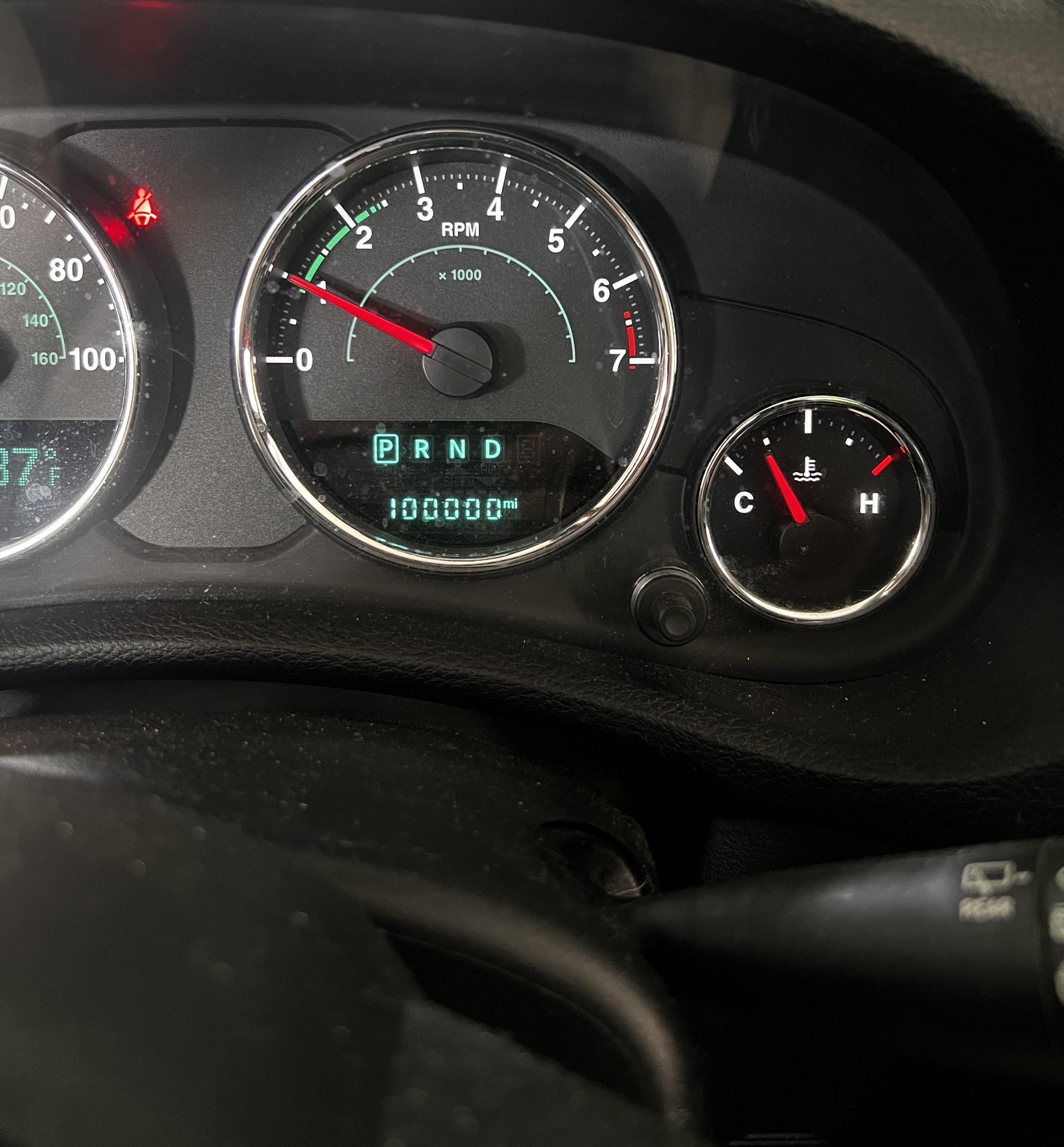
A used Wrangler with over 100,000 miles can still be a smart buy if it’s been well cared for. Here’s what to check before you buy:
- Ask for maintenance records
- Look closely for rust, especially on the frame and underbody
- Test drive to check the transmission and 4WD system
- Listen for strange noises from the engine or suspension
- Use a trusted mechanic for a pre-purchase inspection
Wranglers hold their value, so prices stay higher than many other used SUVs. But for many buyers, the long lifespan and unique style are worth the cost.
<!– wp:rank-math/faq-block {"questions":[{"id":"faq-question-25833896881c","title":"How Many Miles Is Too Many For A Used Jeep Wrangler?","content":"
Most Wranglers can easily pass 200,000 miles with proper care. If you’re looking at a Wrangler over 150,000 miles, check for regular maintenance, rust, and major repairs. A well-maintained high-mileage Wrangler can still have many good years left.
“,”visible”:true},{“id”:”faq-question-0364dad57e76″,”title”:”What Is The Highest Recorded Mileage On A Jeep Wrangler?”,”content”:”There are reports of Wranglers with over 400,000 miles, though this is rare. The most common high-mileage Wranglers reach between 250,000 and 300,000 miles. For example, one owner shared their 2002 Wrangler TJ had more than 350,000 miles with the original engine.
“,”visible”:true},{“id”:”faq-question-ac7b8cc8666b”,”title”:”Are Newer Jeep Wranglers More Reliable Than Older Ones?”,”content”:”Generally, yes. Newer models have better engines, improved electronics, and stronger frames. However, older Wranglers like the TJ (1997 to 2006) are known for their simple, easy-to-repair design. Both can last a long time with the right care.
“,”visible”:true},{“id”:”faq-question-d9cb6b7a8b6b”,”title”:”Does Off-roading Reduce A Wrangler’s Lifespan?”,”content”:”Frequent off-roading can cause more wear on suspension, tires, and underbody parts. However, many owners offset this by doing extra maintenance and inspections. Occasional off-roading is not a problem if you clean and check your Jeep afterward.
“,”visible”:true},{“id”:”faq-question-6de332761c31″,”title”:”Where Can I Find More Data On Jeep Wrangler Reliability?”,”content”:”You can read more about Jeep Wrangler reliability and owner experiences on Consumer Reports, which collects real-world reliability scores and reviews.
“,”visible”:true}]} –>How Many Miles Is Too Many For A Used Jeep Wrangler?
Most Wranglers can easily pass 200,000 miles with proper care. If you’re looking at a Wrangler over 150,000 miles, check for regular maintenance, rust, and major repairs. A well-maintained high-mileage Wrangler can still have many good years left.
What Is The Highest Recorded Mileage On A Jeep Wrangler?
There are reports of Wranglers with over 400,000 miles, though this is rare. The most common high-mileage Wranglers reach between 250,000 and 300,000 miles. For example, one owner shared their 2002 Wrangler TJ had more than 350,000 miles with the original engine.
Are Newer Jeep Wranglers More Reliable Than Older Ones?
Generally, yes. Newer models have better engines, improved electronics, and stronger frames. However, older Wranglers like the TJ (1997 to 2006) are known for their simple, easy-to-repair design. Both can last a long time with the right care.
Does Off-roading Reduce A Wrangler's Lifespan?
Frequent off-roading can cause more wear on suspension, tires, and underbody parts. However, many owners offset this by doing extra maintenance and inspections. Occasional off-roading is not a problem if you clean and check your Jeep afterward.
Where Can I Find More Data On Jeep Wrangler Reliability?
You can read more about Jeep Wrangler reliability and owner experiences on Consumer Reports, which collects real-world reliability scores and reviews.
Final Thoughts
So, how many miles will Jeep Wrangler last? For most owners, the answer is easily 200,000 to 300,000 miles, and often more with care. Wranglers are tough, simple, and built for adventure. If you keep up with maintenance, pay attention to rust, and drive sensibly, your Wrangler can be a companion for many years and thousands of miles. Whether you’re buying new or used, you can count on the Wrangler’s reputation for long life and strong value.