How Many Miles Should A Jeep Wrangler Last?
When people think about tough, long-lasting vehicles, the Jeep Wrangler often comes to mind. Many buyers want to know, “How many miles should a Jeep Wrangler last?”
This is a smart question, especially if you’re thinking about buying one or already own a Wrangler. The answer isn’t simple, but there are clear facts, owner stories, and expert advice that help explain what you can expect.
A Jeep Wrangler is built for adventure. These SUVs are famous for off-roading, strong engines, and classic style. But like any car, a Wrangler’s life depends on how it’s driven, cared for, and sometimes just luck. Let’s dig into what really impacts the lifespan of a Jeep Wrangler, how many miles you can expect, and ways to help your Wrangler last as long as possible.
Average Lifespan Of A Jeep Wrangler
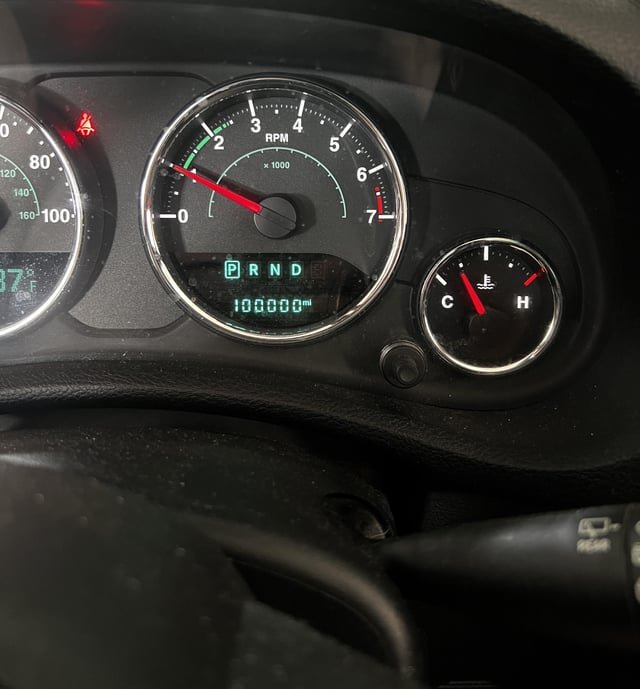
Most Jeep Wranglers can last between 200,000 and 400,000 miles with proper care. Some owners have even driven their Wranglers over 500,000 miles. But averages are helpful for setting your expectations.
Typical Mileage Ranges
- 200,000 miles: Many Wranglers reach this easily with regular maintenance.
- 300,000 miles: Well-maintained Wranglers often cross this milestone.
- 400,000+ miles: Some rare Wranglers, usually lovingly cared for, hit this range.
Here’s a quick look at expected Jeep Wrangler mileage:
| Condition | Expected Mileage |
|---|---|
| Average Wrangler, normal care | 200,000 to 250,000 miles |
| Excellent maintenance | 250,000 to 400,000 miles |
| Heavy off-roading | 150,000 to 200,000 miles |
One non-obvious insight: city driving can wear a Wrangler faster than highway miles, due to more stopping, starting, and lower speeds. Another: rust is a silent killer. In wet or snowy areas, rust eats away at the frame if not treated.
Factors That Affect Jeep Wrangler Longevity
Several factors decide how long your Jeep Wrangler lasts. Some are in your control, and others are not.
1. Maintenance And Care
The most important factor is how you maintain your Wrangler. Regular oil changes, checking fluids, and fixing small problems early can add thousands of miles to your Jeep’s life.
2. Driving Habits
Gentle driving helps any car last longer. If you often push your Wrangler to the limit fast starts, hard braking, or rough off-roading it will wear out faster.
3. Off-roading Use
Wranglers are made for off-road fun, but hardcore off-roading puts extra stress on the engine, suspension, and frame. If you use your Jeep for daily driving and save off-roading for special trips, it will likely last longer.
4. Climate And Environment
- Road salt: Used in snowy areas, salt can cause rust.
- High heat: Hot climates can dry out seals and hoses.
- Humidity: More moisture means more rust risk.
5. Model Year And Engine Choice
Some Jeep Wrangler engines are known for reliability, while others had more problems. For example, the 4.
0L inline-six engine in older Wranglers is famous for lasting a long time.
| Engine | Reputation | Common Issues |
|---|---|---|
| 4.0L Inline 6 (1991 to 2006) | Very reliable | Minor leaks, rare major failures |
| 3.6L Pentastar V6 (2012+) | Reliable | Some head issues in early years |
| 2.0L Turbo (2018+) | Good, less proven long-term | Turbo and electronics |
6. Accident And Repair History
A Jeep that’s been in a major accident may not last as long, even if it looks fine. Frame damage and poor repairs can cause future problems.
Real-world Owner Experiences
Many Jeep Wrangler owners love to share how far their vehicles have gone. Here are a few real stories:
- Tom, Colorado: His 2001 Wrangler has 310,000 miles, mostly highway. He replaced the transmission at 240,000 miles but the engine is still original.
- Maya, Michigan: Her 2014 Wrangler JK hit 220,000 miles with daily winter driving. She fights rust with undercoating each year.
- Luis, Texas: His 1998 Wrangler TJ lasted 400,000 miles. He did most repairs himself and focused on oil changes every 3,000 miles.
These stories show that regular care and smart driving make a big difference. Not all Wranglers will reach such high mileage, but many can if you pay attention.
Maintenance Tips To Maximize Wrangler Lifespan
To help your Jeep Wrangler last as long as possible, follow these practical steps:
- Change oil and fluids on time.
- Inspect for rust, especially under the body and frame.
- Keep tires balanced and aligned.
- Replace worn-out parts: Belts, hoses, brakes, and bushings wear over time.
- Fix leaks quickly: Small leaks can become big problems.
- Wash the undercarriage: Especially after off-roading or winter driving.
- Use quality parts: Cheap parts can cause more harm than good.
A common mistake is ignoring small noises or leaks. These often signal bigger issues.
Also, don't skip transmission and differential fluid changes people forget these, but they matter for long life.
Common Problems As Mileage Increases
Even the toughest Wrangler will need repairs as the miles add up. issues you might see after 100,000 or 200,000 miles:
- Suspension wear: Bushings, shocks, and joints can become loose.
- Rust: Especially on the frame, floor pans, and underbody.
- Transmission problems: Especially in older or hard-driven Wranglers.
- Electrical gremlins: Older Wranglers may develop electrical faults.
- Engine leaks: Valve covers, oil pan, and seals can start to leak.
Regular checks can catch these early. For many, the cost of repairs is lower than buying a new vehicle.
Cost Of High-mileage Jeep Wrangler Ownership
It’s important to consider how costs change as your Wrangler ages. High-mileage Jeeps can be reliable, but repairs get more likely over time.
What To Expect
- Routine maintenance: $500, $1,000 per year (oil, brakes, fluids, minor repairs)
- Major repairs: Transmission ($2,000, $4,000), engine rebuild ($3,500, $6,000)
- Rust repair: $300, $1,500+ depending on severity
If you do your own repairs, you’ll save money. If you use a shop, budget for higher costs as your Jeep passes 150,000 miles.
Is A High-mileage Wrangler Worth Buying?
Buying a Wrangler with over 100,000 miles can be a smart move if it has a good maintenance history and no serious rust. Wranglers hold their value well, but a low price with a rusty frame is not a bargain.
Here’s a quick comparison of typical Wrangler costs by mileage bracket:
| Mileage | Typical Price | Main Concerns |
|---|---|---|
| Under 50,000 miles | $28,000, $40,000 | Like new, highest price |
| 50,000 to 100,000 miles | $20,000, $30,000 | Check maintenance, test drive |
| 100,000 to 200,000 miles | $12,000, $20,000 | Rust, engine/transmission wear |
| 200,000+ miles | $5,000, $12,000 | Major repairs likely, check frame |
Always get a mechanic’s inspection before buying a high-mileage Wrangler.

Pros And Cons Of High-mileage Jeep Wranglers
Before you buy or keep a high-mileage Wrangler, consider these points:
Pros
- Proven reliability: Many Wranglers last well past 200,000 miles.
- Strong community: Lots of online help and parts.
- Easy to work on: Older models are simple for DIY repairs.
- Holds value: Even high-mileage Wranglers are in demand.
Cons
- Rust risk: Hard to fix if advanced.
- Higher repair costs: Some parts will need replacing.
- Lower fuel economy: Especially older engines.
- Ride quality: Older suspension can feel rough.
A Wrangler with good service records and little rust is often a better buy than a newer car with hidden issues.
How To Make Your Wrangler Last Longer
If you want to get the most miles out of your Jeep Wrangler, follow these trusted tips:
- Stay on schedule: Follow the owner’s manual for service.
- Rust-proof: Consider yearly undercoating in wet climates.
- Drive smoothly: Avoid sudden starts and stops.
- Use it regularly: Cars that sit unused can develop problems.
- Pay attention: New noises or changes in handling should be checked right away.
One advanced tip: flush the cooling system every few years. Overheating is a common cause of engine failure, and fresh coolant helps prevent this.
Are Newer Or Older Jeep Wranglers More Durable?
Many Jeep fans ask if newer or older Wranglers last longer. Here’s a simple breakdown:
- Older Wranglers (YJ, TJ, pre-2006): Simpler, less electronics, easier to fix, legendary 4.0L engine.
- Newer Wranglers (JK, JL, 2007+): More comfortable, better safety, but more electronics that can fail.
Both can last a long time, but older models may be easier to keep running with basic tools. Newer models need more specialized repairs but are often more comfortable and safer.
Jeep Wrangler Vs. Other Suvs: Lifespan Comparison
Compared to other SUVs, the Jeep Wrangler ranks high for longevity. Here’s how it stacks up with some rivals:
- Toyota 4Runner: 250,000 to 400,000 miles
- Honda CR-V: 200,000 to 300,000 miles
- Ford Bronco (modern): Too new to judge, but expected 200,000+ miles
The Wrangler matches or beats most competitors when well cared for. For more details, you can check the Jeep Wrangler Wikipedia page.
<!– wp:rank-math/faq-block {"questions":[{"id":"faq-question-dd87731c3f33","title":"How Many Miles Can A Jeep Wrangler Go Before Major Repairs?","content":"
Most Wranglers go 150,000 to 200,000 miles before needing major repairs like engine or transmission work. With good maintenance, some reach 300,000 miles before big repairs.
“,”visible”:true},{“id”:”faq-question-97488f3aeba2″,”title”:”Is It Safe To Buy A Jeep Wrangler With Over 100,000 Miles?”,”content”:”Yes, if it has a solid maintenance history and little rust. Always get a mechanic to check the frame, suspension, and engine before buying.
“,”visible”:true},{“id”:”faq-question-c219c82a320c”,”title”:”What Year Jeep Wrangler Is Most Reliable?”,”content”:”Many owners say the 1997 to 2006 TJ models with the 4.0L engine are the most reliable. The 2012+ JK and JL models with the 3.6L engine are also strong choices.
“,”visible”:true},{“id”:”faq-question-1b7d828d8a04″,”title”:”Does Off-roading Reduce A Wrangler’s Lifespan?”,”content”:”Frequent, hard off-roading can lower the lifespan, especially if repairs aren’t made quickly. Occasional, gentle off-road use has less impact, but maintenance is key.
“,”visible”:true},{“id”:”faq-question-dd465d3d045c”,”title”:”How Do I Know If A Wrangler Is About To Fail?”,”content”:”Look for signs like blue smoke from the exhaust, knocking sounds, slipping transmission, or major rust on the frame. These usually mean expensive repairs are coming soon.
nA Jeep Wrangler can be a faithful companion for hundreds of thousands of miles. With smart care and attention, your Wrangler can outlast many other vehicles on the road.
nnnnKeep up with maintenance, watch for rust, and your Jeep could be on the road for years to come.
“,”visible”:true}]} –>How Many Miles Can A Jeep Wrangler Go Before Major Repairs?
Most Wranglers go 150,000 to 200,000 miles before needing major repairs like engine or transmission work. With good maintenance, some reach 300,000 miles before big repairs.
Is It Safe To Buy A Jeep Wrangler With Over 100,000 Miles?
Yes, if it has a solid maintenance history and little rust. Always get a mechanic to check the frame, suspension, and engine before buying.
What Year Jeep Wrangler Is Most Reliable?
Many owners say the 1997 to 2006 TJ models with the 4.0L engine are the most reliable. The 2012+ JK and JL models with the 3.6L engine are also strong choices.
Does Off-roading Reduce A Wrangler's Lifespan?
Frequent, hard off-roading can lower the lifespan, especially if repairs aren’t made quickly. Occasional, gentle off-road use has less impact, but maintenance is key.
How Do I Know If A Wrangler Is About To Fail?
Look for signs like blue smoke from the exhaust, knocking sounds, slipping transmission, or major rust on the frame. These usually mean expensive repairs are coming soon.
nA Jeep Wrangler can be a faithful companion for hundreds of thousands of miles. With smart care and attention, your Wrangler can outlast many other vehicles on the road.
nnnnKeep up with maintenance, watch for rust, and your Jeep could be on the road for years to come.