Buying a used Jeep Wrangler feels exciting but also risky. One big question always comes up: how many miles on a Jeep Wrangler is too much?
If you’re eyeing a high-mileage Wrangler, you may worry about reliability, future repair costs, and if it’s a smart buy. The truth is, mileage tells only part of the story.
How a Jeep was cared for, its year, and what it’s been used for matter just as much.
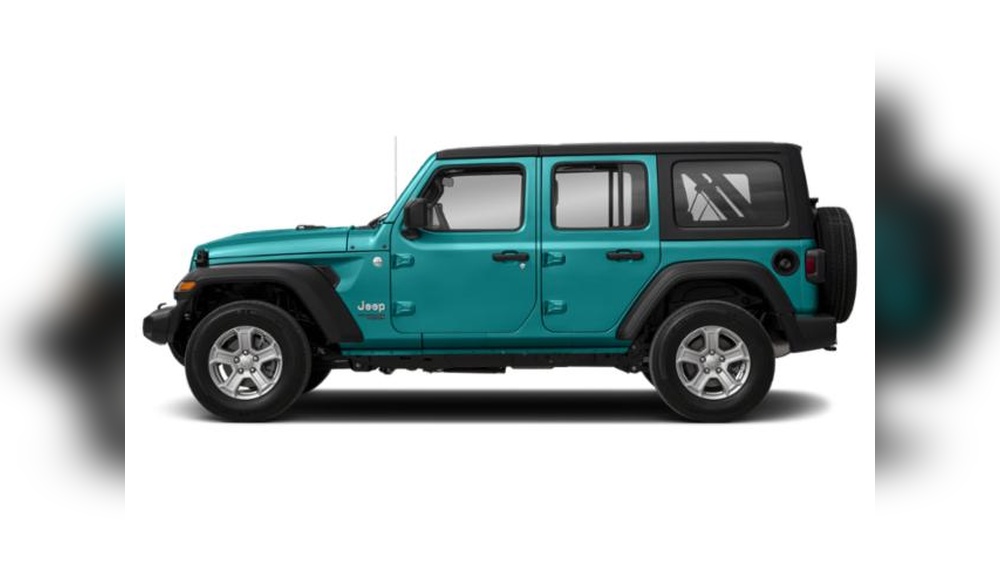
This article explains what “too many miles” really means for a Wrangler, with tips to help you decide if a Jeep is worth buying. We’ll look at common problems, maintenance facts, price differences, and real-life examples.
If you’re new to Jeeps or used cars, you’ll learn what to check and what to avoid, so you can shop with confidence.
What Is Considered High Mileage For A Jeep Wrangler?
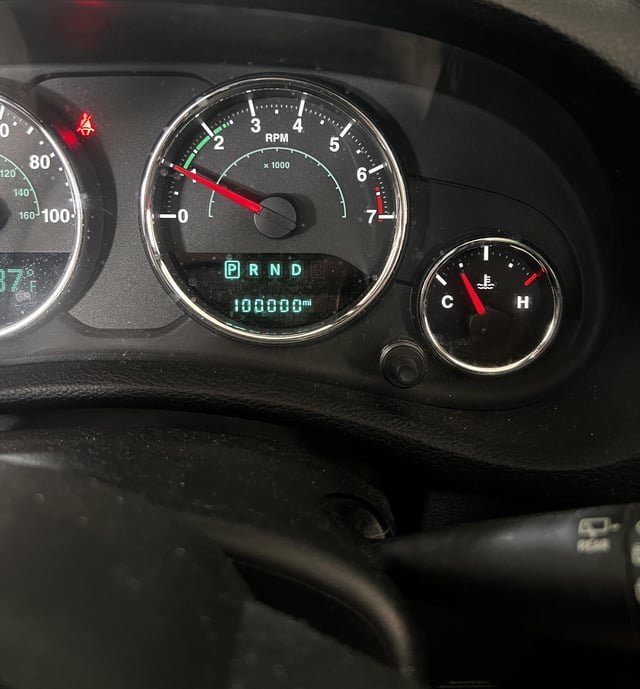
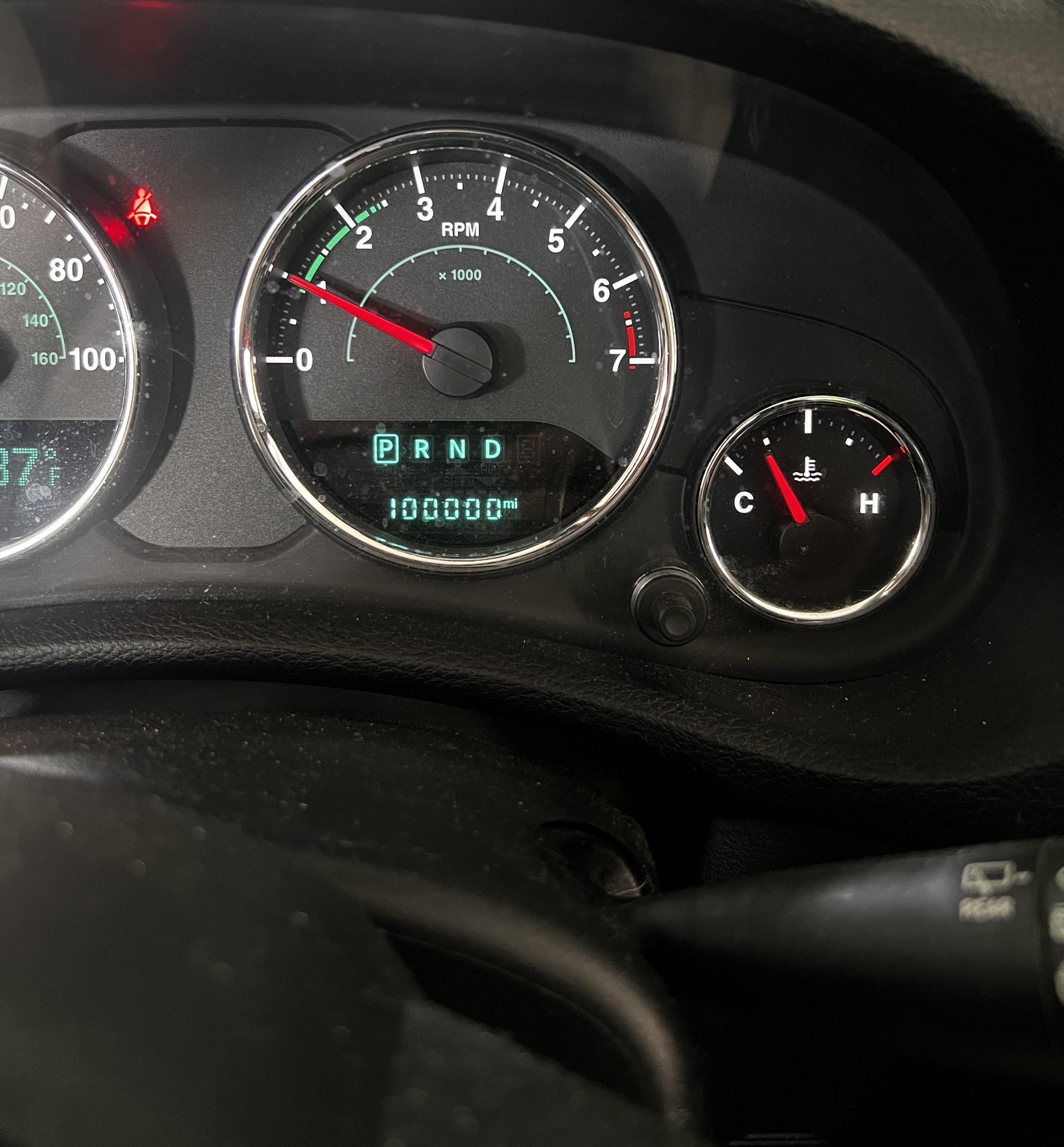
The term high mileage is different for every car. For most vehicles, passing 100,000 miles is a big milestone. But Jeep Wranglers have a reputation for durability, especially when well maintained.
- Typical “high mileage” for a Wrangler: Over 100,000 miles
- Average Wrangler lifespan: 200,000+ miles is common with good care
- Some Wranglers reach: 300,000 miles or more
You'll see many Wranglers for sale with 120,000, 150,000, or even 200,000 miles. This is not unusual.
However, high miles mean more wear and tear. Older Wranglers can be tough, but repairs may come more often as the odometer climbs.
Mileage Vs. Maintenance
A Wrangler with 120,000 miles but perfect service records may be a better choice than one with 70,000 miles and poor maintenance. Always check:
- Oil change history
- Transmission service
- Differential fluid changes
- Timing belt/chain service (if applicable)
- Suspension and steering parts replaced
Mileage matters, but how a Jeep was cared for matters even more.
How Long Do Jeep Wranglers Really Last?
Many owners keep their Wranglers for years and rack up big miles. With regular upkeep, it’s not rare to see:
- 15+ years of use
- 200,000 to 300,000 miles before major issues
Let’s compare Wrangler life expectancy to some other popular SUVs.
| Vehicle | Typical Lifespan (Miles) | Notes |
|---|---|---|
| Jeep Wrangler | 200,000 to 300,000 | Simple design, strong resale value |
| Toyota 4Runner | 250,000 to 350,000 | Very reliable, higher cost |
| Ford Explorer | 150,000 to 200,000 | Lower longevity, more electronics |
| Chevy Tahoe | 200,000 to 250,000 | Strong engine, more expensive parts |
Wranglers are built for tough conditions. Their engines, frames, and axles can last a long time, especially if not abused off-road.
Key Factors That Matter More Than Mileage
Looking only at the odometer is a mistake. Here are the most important things to check:
1. Service History
A full stack of maintenance records is gold. It proves the owner cared. Look for regular oil changes, fluid replacements, and recent repairs.
2. Rust And Frame Condition
Rust is a Wrangler’s worst enemy, especially in cold or wet climates. Check:
- Undercarriage for flaking or holes
- Body mounts and frame rails
- Around doors, hinges, and windshield
Surface rust is common, but deep frame rust is expensive to fix.
3. Engine And Transmission Health
Listen for knocks, rattles, or hard shifting. Test drive and check:
- Engine runs smooth, no smoke
- Transmission shifts without slipping or hesitation
- No warning lights on dashboard
If you’re not sure, have a trusted mechanic inspect the Jeep.
4. Off-road Use And Modifications
Wranglers are made for trails, but heavy off-roading can wear parts out. Ask about:
- Large tires or lift kits (can strain drivetrain)
- Evidence of off-road abuse (dents, scraped skid plates)
- Aftermarket parts (may affect reliability)
5. Accident History
A clean Carfax or vehicle history report is important. Previous crashes can cause hidden problems.
Common Problems In High-mileage Jeep Wranglers
If you’re considering a Wrangler with over 100,000 miles, be aware of these issues:
- Suspension wear: Bushings, ball joints, and shocks can fail
- Oil leaks: Valve covers, oil pan gaskets
- Cooling system problems: Radiators and water pumps may leak
- Transmission issues: Especially in automatic models
- Electrical gremlins: Old wiring, sensors, or switches
Some repairs are simple and cheap. Others can get expensive, especially if the frame is rusty or the engine has not been maintained.

Is Buying A High-mileage Jeep Wrangler Worth It?
You can get a good deal on a high-mileage Wrangler, but it’s not for everyone. Here’s a quick look at the pros and cons:
| Pros | Cons |
|---|---|
| Lower purchase price | More repairs likely |
| Slower depreciation | May need major work |
| Proven reliability if well cared for | Hard to finance or insure at high miles |
| Easy to find used parts | Could have hidden rust or damage |
Non-obvious tip: Some buyers seek Wranglers with new engines or transmissions already installed. This can be a smart move if you want a high-mileage Jeep without the risk of an old powertrain.
Another insight: Jeeps that spent most of their life in dry states (like Arizona) often have less rust, even at higher miles. Location matters.
Price Differences: Low Vs. High-mileage Wranglers
Mileage has a big effect on used Wrangler prices. Here’s a rough look at how much you might pay, depending on age and mileage.
| Year | Low Miles (Under 60k) | Medium Miles (60k-120k) | High Miles (Over 120k) |
|---|---|---|---|
| 2017 Jeep Wrangler | $28,000, $33,000 | $22,000, $27,000 | $17,000, $21,000 |
| 2012 Jeep Wrangler | $20,000, $25,000 | $16,000, $19,000 | $11,000, $14,000 |
| 2008 Jeep Wrangler | $14,000, $18,000 | $10,000, $13,000 | $7,000, $9,000 |
Prices vary by region, trim, and condition. A high-mileage Wrangler that’s been babied can be a bargain compared to a low-mileage one with hidden problems.
What To Check Before Buying A High-mileage Jeep Wrangler
Before you commit, inspect these areas carefully:
- Frame and body: Look for rust, cracks, or damage.
- Engine and transmission: Listen for odd noises, check for leaks.
- 4WD system: Test all modes (2H, 4H, 4L).
- Suspension and steering: Check for looseness or clunks.
- Tires and brakes: Uneven wear can mean alignment or suspension issues.
- Interior and electronics: Make sure all switches, lights, and gauges work.
- Maintenance records: Ask for proof of service.
Pro tip: Bring a mechanic or experienced Jeep owner for a second opinion.
When Is Mileage “too Much” On A Jeep Wrangler?
There’s no magic number, but practical guidelines:
- Under 100,000 miles: Usually safe with regular maintenance
- 100,000 to 150,000 miles: Inspect carefully, expect some repairs
- 150,000 to 200,000 miles: Only buy if records are excellent and price is low
- Over 200,000 miles: Only for experienced buyers or if major parts are new
If the Jeep shows rust, has unclear service history, or runs poorly, even 80,000 miles can be “too much. ” But a rust-free, well-kept Wrangler with 180,000 miles could be a great buy.
How To Make A High-mileage Jeep Wrangler Last Longer
If you buy a Wrangler with high miles, you can keep it running strong by:
- Doing oil changes every 3,000 to 5,000 miles
- Replacing fluids (differential, transmission, coolant) on schedule
- Checking and repairing rust early
- Upgrading bushings, ball joints, and shocks when worn
- Using quality parts for repairs
- Not pushing it too hard off-road
Non-obvious tip: Consider using rust-proofing treatments if you live in snowy or wet areas. This can save your Jeep’s frame and body over time.
Real-world Examples And Owner Stories
Many Wrangler owners share stories online of their Jeeps reaching over 200,000 miles with only basic repairs. Some report:
- Original engines and transmissions at 250,000+ miles
- Daily driving and off-roading for 15+ years
- Minimal rust in dry climates
Of course, others run into big issues at 120,000 miles due to rust, poor maintenance, or accidents. Research each Jeep’s history before buying.
For more owner reviews and Jeep facts, see Wikipedia’s Jeep Wrangler page.
Should You Buy A High-mileage Jeep Wrangler?
If you’re on a budget, know how to spot problems, and want a project, a high-mileage Wrangler can be a smart buy. They are simple to work on, fun to drive, and parts are everywhere.
But if you need low costs, little downtime, or don’t want to risk repairs, focus on lower-mileage Jeeps with clean histories.
Mileage is only part of the story. Condition, care, and location matter even more.
Take your time, check carefully, and you can find a Wrangler that fits your needs for years to come.
<!– wp:rank-math/faq-block {"questions":[{"id":"faq-question-39d4c8ef75dd","title":"How Many Miles Do Jeep Wranglers Usually Last?","content":"Most Jeep Wranglers last 200,000 to 300,000 miles with regular maintenance. Some reach even higher if well cared for.
“,”visible”:true},{“id”:”faq-question-b9f79ba9928f”,”title”:”Is 150,000 Miles Too Much For A Used Jeep Wrangler?”,”content”:”150,000 miles is not “too much” if the Jeep was maintained and the price is fair. However, check for rust and ask for service records.
“,”visible”:true},{“id”:”faq-question-a2fc08815b09″,”title”:”What Is The Most Reliable Year For A Jeep Wrangler?”,”content”:”Many people trust the 2012 to 2017 Wrangler JK for good reliability and modern features. Older models are also strong but may lack comfort or safety options.
“,”visible”:true},{“id”:”faq-question-77f7b8f1f1de”,”title”:”Should I Worry About Rust On A High-mileage Jeep?”,”content”:”Yes, rust is a major issue, especially on the frame. Avoid Jeeps with deep rust. Surface rust can be fixed, but frame rust is costly.
“,”visible”:true},{“id”:”faq-question-d125cf3f69c4″,”title”:”Does High Mileage Affect Jeep Wrangler Resale Value?”,”content”:”Yes, high mileage lowers value. However, Wranglers hold their value better than most SUVs, even with more miles.
“,”visible”:true}]} –>How Many Miles Do Jeep Wranglers Usually Last?
Most Jeep Wranglers last 200,000 to 300,000 miles with regular maintenance. Some reach even higher if well cared for.
Is 150,000 Miles Too Much For A Used Jeep Wrangler?
150,000 miles is not “too much” if the Jeep was maintained and the price is fair. However, check for rust and ask for service records.
What Is The Most Reliable Year For A Jeep Wrangler?
Many people trust the 2012 to 2017 Wrangler JK for good reliability and modern features. Older models are also strong but may lack comfort or safety options.
Should I Worry About Rust On A High-mileage Jeep?
Yes, rust is a major issue, especially on the frame. Avoid Jeeps with deep rust. Surface rust can be fixed, but frame rust is costly.
Does High Mileage Affect Jeep Wrangler Resale Value?
Yes, high mileage lowers value. However, Wranglers hold their value better than most SUVs, even with more miles.
Meta Title
How Many Miles on a Jeep Wrangler is Too Much? Real Facts & Buyer Guide
Meta Description
Wondering how many miles on a Jeep Wrangler is too much? Learn what high mileage means, common problems, price differences, and how to choose a reliable used Wrangler. Complete guide for buyers.