How Many Miles Does Jeep Cherokee Last? Real-world Data, Tips, And Owner Insights
If you’re thinking about buying a Jeep Cherokee or already own one, you probably want to know: How many miles does Jeep Cherokee last? This question matters if you plan to keep your SUV for many years or want to buy a used Cherokee with confidence.
The good news is, with the right care, a Jeep Cherokee can last for many years and hundreds of thousands of miles.
In this guide, you’ll learn what affects the lifespan of a Jeep Cherokee, real data from owners, common problems, how to keep your Cherokee on the road longer, and what to expect if you’re shopping for a used model.
Average Lifespan Of A Jeep Cherokee
Many drivers are surprised at how long a Jeep Cherokee can last. While every vehicle is different, most Cherokees can reach 200,000 miles or more with good care. Some even go beyond 250,000 miles, which is impressive for an SUV.
Real-world Mileage Data
Let’s look at some real numbers. According to car history sites and owner forums:
- The average Jeep Cherokee lasts between 175,000 and 200,000 miles.
- Well-maintained models often reach over 200,000 miles.
- Some owners report their Cherokee passing 300,000 miles with original engines and transmissions.
Here’s a quick comparison with other popular SUVs:
| Model | Average Lifespan (Miles) | Highest Reported Miles |
|---|---|---|
| Jeep Cherokee | 175,000 – 200,000 | Over 300,000 |
| Toyota RAV4 | 200,000 – 250,000 | Over 300,000 |
| Honda CR-V | 200,000 – 250,000 | Over 300,000 |
| Ford Escape | 150,000 – 200,000 | About 250,000 |
As you can see, the Jeep Cherokee is competitive, but it requires good care to keep up with top Japanese rivals.
What Affects How Many Miles A Jeep Cherokee Lasts?
Many factors decide how long your Jeep Cherokee will last. Some you control, others you don’t. Understanding these helps you make your Cherokee last longer.
1. Maintenance And Service
Regular maintenance is the biggest factor. This includes oil changes, checking fluids, changing filters, and following the service schedule. Missing maintenance is the fastest way to shorten your Cherokee’s lifespan.
2. Driving Habits
How you drive matters. Gentle driving, smooth acceleration, and not overloading your SUV all help.
Aggressive driving, towing heavy loads, and lots of stop-and-go traffic can wear out parts faster.
3. Climate And Environment
Cherokees in dry, mild climates often last longer than those in places with heavy snow, road salt, or extreme heat. Salt can cause rust, which may damage the frame and suspension over time.
4. Model Year And Engine Choice
Some Jeep Cherokee model years and engines are more reliable than others. For example, the older 4.0L inline-six engine is famous for lasting a long time. Newer models with the 2.4L Tigershark or 3.2L Pentastar V6 also do well, but some years have more issues than others.
5. Accident And Repair History
A Cherokee with a history of accidents or poor-quality repairs may not last as long. Always check a used car’s history before buying.
Jeep Cherokee Longevity By Generation
Different generations of the Jeep Cherokee have unique strengths and weaknesses. Here’s a summary to help you understand what to expect:
| Generation | Years | Notable Engines | Known Longevity | Common Issues |
|---|---|---|---|---|
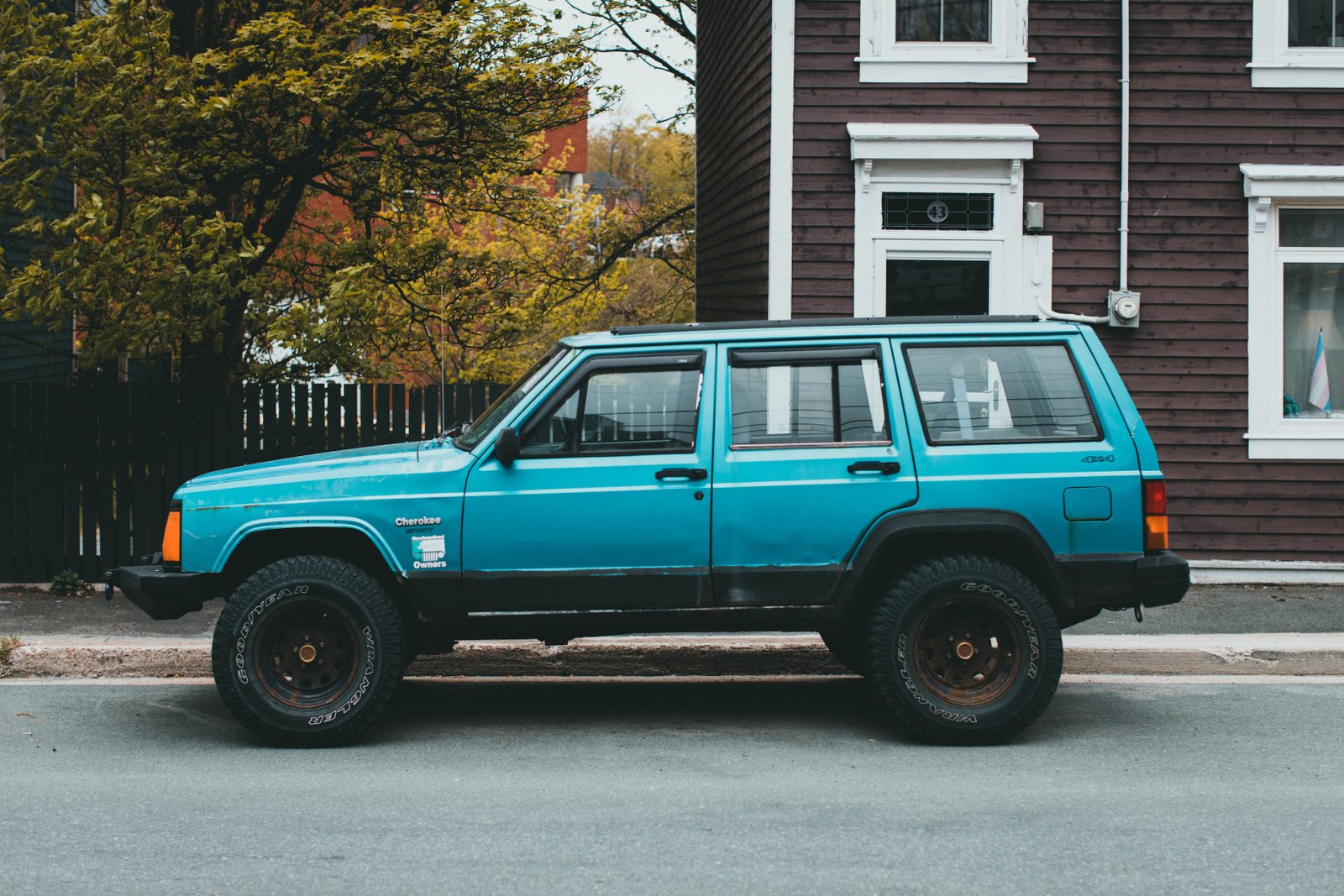
| XJ | 1984 to 2001 | 4.0L I6 | Often 250,000+ miles | Rust, electrical gremlins |
| KJ | 2002 to 2007 | 3.7L V6 | 180,000 to 220,000 miles | Ball joints, window regulators |
| KK | 2008 to 2012 | 3.7L V6 | 180,000 to 210,000 miles | Transmission, suspension |
| KL | 2014, present | 2.4L I4, 3.2L V6 | 150,000 to 200,000+ miles | Transmission, electronics |
Tip: Older Cherokees with the 4.0L inline-six engine are famous for reliability. Later models (especially 2014 to 2015) had some transmission problems, so check service history if buying used.
Real Owner Stories: How Many Miles Do They Get?
If you ask Jeep Cherokee owners about mileage, you’ll hear a wide range of answers. Here are a few real examples from forums and reviews:
- Sarah, 1999 XJ: “My Cherokee has 265,000 miles and still runs great. I do regular oil changes and fix things as soon as they come up.”
- Mike, 2016 KL: “I’m at 140,000 miles, mostly highway. I had some minor electrical problems, but it’s been solid .”
- Alex, 2005 KJ: “Passed 210,000 miles last year. It needed a new radiator and some suspension work, but the engine is original.”
These stories show that with proper care, a Jeep Cherokee can be a high-mileage SUV.
How To Make Your Jeep Cherokee Last Longer
If you want your Jeep Cherokee to reach 200,000 miles or more, focus on these areas:
- Follow the maintenance schedule: Never skip oil changes, timing belt/chain replacements, and fluid checks.
- Use quality parts and fluids: Cheap parts may save money now but can lead to big problems later.
- Watch for warning signs: Strange noises, leaks, or dashboard lights should be checked right away.
- Keep it clean: Washing off salt and mud can prevent rust, especially on the frame and undercarriage.
- Drive gently: Avoid sudden starts, hard stops, and towing more than the rated limit.
Maintenance Cost Overview
Knowing how much you’ll spend on upkeep helps you plan. Here’s an average breakdown:
| Service | Frequency | Estimated Cost |
|---|---|---|
| Oil Change | Every 5,000-7,500 miles | $50-$120 |
| Transmission Fluid | Every 60,000 miles | $150-$250 |
| Brake Pads | Every 40,000 miles | $150-$300 |
| Tires | Every 50,000 miles | $400-$700 (set of 4) |
| Timing Belt/Chain | Every 100,000 miles (if equipped) | $500-$1,000 |
Tip: Cherokees with timing chains (not belts) often need less frequent major engine service.
Pros And Cons Of High-mileage Jeep Cherokees
Buying or keeping a high-mileage Jeep Cherokee has both advantages and risks.
Pros
- Low cost to buy used: Older Cherokees are affordable.
- Proven reliability: Many reach high miles with basic care.
- Strong community: Lots of parts and advice available.
- Good off-road ability: Even older models can handle rough terrain.
Cons
- Rust and corrosion: Especially in snowy areas.
- Possible major repairs: Engine, transmission, or suspension may need work after 150,000 miles.
- Lower fuel economy: Older engines are less efficient.
- Tech features: Older models may lack modern safety or entertainment systems.
Non-obvious insight: Some owners find that replacing worn suspension parts (like bushings and shocks) can make even a 200,000-mile Cherokee feel almost new to drive.
Common Problems That Affect Longevity
No car is perfect. issues that may affect how many miles your Jeep Cherokee lasts:
- Transmission problems: Especially in 2014 to 2015 KL models, some 9-speed automatics had shifting issues. Software updates help, but repairs can be costly.
- Cooling system leaks: Watch for radiator or water pump leaks, especially on older KJ and KK models.
- Electrical gremlins: Power windows and door locks can be troublesome in older Cherokees.
- Rust: Check the underbody and around the rear wheel wells, especially in snowy climates.
Pro tip: Fixing small issues early can save you from bigger, more expensive problems later.
Is Buying A High-mileage Jeep Cherokee Worth It?
If you find a Jeep Cherokee with high miles, should you buy it? The answer depends on these factors:
- Service records: Well-documented maintenance is a good sign.
- Inspection results: Always have a trusted mechanic check for rust, leaks, and worn parts.
- Price: High-mileage Cherokees should be priced lower than similar SUVs with fewer miles.
- Your needs: If you need a tough, budget-friendly SUV and can handle repairs, a high-mileage Cherokee can be a smart buy.
Non-obvious insight: Many Cherokees with over 200,000 miles are still used as daily drivers, especially in rural areas where simple repairs can be done at home.
How The Jeep Cherokee Compares To Other Suvs
If you’re deciding between a Jeep Cherokee and other SUVs, consider these points:
- Reliability: Toyota and Honda often score higher, but Cherokees can last just as long with good care.
- Repair cost: Parts are widely available and affordable, but labor can add up for complex repairs.
- Off-road ability: Cherokees are better off-road than most rivals in the same price range.
For more detailed reliability data, you can check the Consumer Reports website.
1. How Many Miles Can A Jeep Cherokee Last With Regular Maintenance?
With regular oil changes, fluid checks, and prompt repairs, most Jeep Cherokees last between 175,000 and 200,000 miles. Some well-maintained models reach over 250,000 miles.
<!– wp:rank-math/faq-block {"questions":[{"id":"faq-question-009aee1112c2","title":"2. Is It Expensive To Maintain A Jeep Cherokee Over 150,000 Miles?","content":"Maintenance costs are similar to other SUVs. Expect to spend $500 $1,000 per year on average, but big repairs (transmission, engine) can be more costly as mileage goes up.
“,”visible”:true}]} –>2. Is It Expensive To Maintain A Jeep Cherokee Over 150,000 Miles?
Maintenance costs are similar to other SUVs. Expect to spend $500 $1,000 per year on average, but big repairs (transmission, engine) can be more costly as mileage goes up.
<!– wp:rank-math/faq-block {"questions":[{"id":"faq-question-ba407cbad5cc","title":"3. What Year Of Jeep Cherokee Is Most Reliable?","content":"
Many owners say the 1997 to 2001 XJ models with the 4.0L engine are the most reliable. Among newer models, the 2016+ KL Cherokees show fewer transmission problems than earlier years.
“,”visible”:true}]} –>3. What Year Of Jeep Cherokee Is Most Reliable?
Many owners say the 1997 to 2001 XJ models with the 4.0L engine are the most reliable. Among newer models, the 2016+ KL Cherokees show fewer transmission problems than earlier years.
If well maintained and inspected for rust or major wear, high-mileage Cherokees can be safe. Always check brakes, suspension, and critical systems before long trips.
“,”visible”:true}]} –>4. Are High-mileage Jeep Cherokees Safe To Drive?
If well maintained and inspected for rust or major wear, high-mileage Cherokees can be safe. Always check brakes, suspension, and critical systems before long trips.

5. What’s The Difference Between Jeep Cherokee And Grand Cherokee For Longevity?
The Grand Cherokee is larger and often has different engines. Both can last over 200,000 miles, but Grand Cherokees sometimes have more advanced features and slightly higher repair costs.
A well-cared-for Jeep Cherokee can deliver years of strong, dependable service. By staying on top of maintenance and fixing small problems early, you can enjoy your Cherokee for many miles to come.
Whether you’re looking to buy or keep one, knowing what to expect helps you make smart, confident decisions.